






Plot Explained Spoilers guaranteed!
Plot Explained

Browse by genre

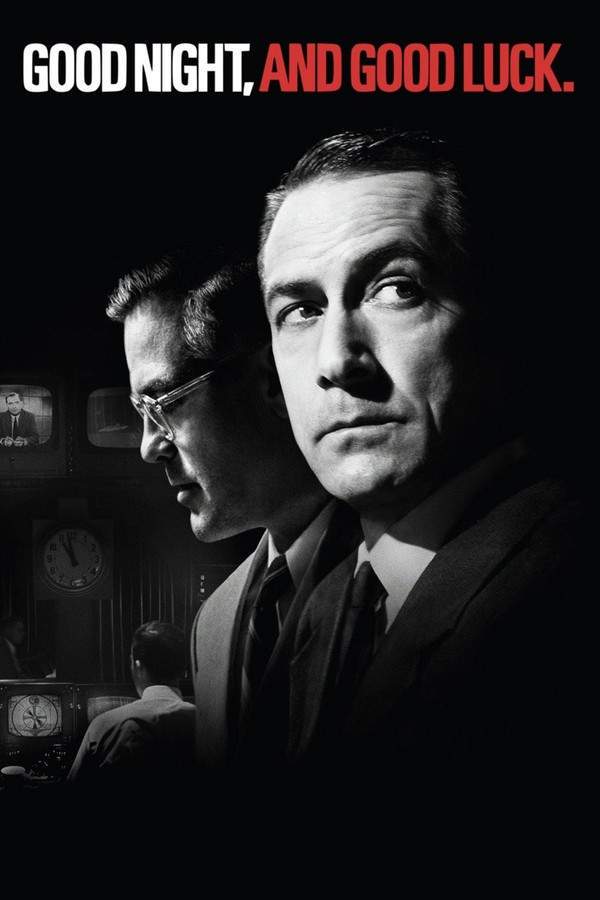
Good Night, and Good Luck. (2005) movie poster

Characters & Themes

Good Night, and Good Luck. (2005) Characters, Setting & Themes Explained

Release, runtime and language
2005 · 93 min · English
Starring
David Strathairn, Patricia Clarkson, George Clooney
Budget
$7M

During the height of Senator Joseph McCarthy’s anti-communist fervor, CBS newsman Edward R. Murrow and his producer Fred Friendly decide to challenge McCarthy’s tactics. Their courageous campaign involves directly confronting the senator on national television, exposing the damaging effects of his accusations and investigations. The film explores the risks they take, the pressures they face from within CBS, and the importance of upholding journalistic integrity in the face of political intimidation.

On this page (8)
  1. 1 Where to watch
  2. 2 Characters explained (3)
  3. 3 Where & when it takes place
  4. 4 Themes & meaning (3)
  5. 5 Character & meaning questions
  6. 6 Movie threads
  7. 7 Movies like Good Night, and Good Luck.
  8. 8 Every angle

Where to watch

Where to Watch Good Night, and Good Luck. (2005)

Where can you watch Good Night, and Good Luck.? Stream, rent or buy it in the US, including on Amazon Video, Apple TV Store and Fandango At Home: current JustWatch availability with up-to-date prices.

Streaming availability powered by JustWatch

3 main characters · contains spoilers

Good Night, and Good Luck. Characters Explained: Who Is Who

The main characters of Good Night, and Good Luck. (2005), heroes and villains: what drives them, how they change over the course of the story and what each of them reveals about the film's bigger ideas.

  • Edward R. Murrow

    played by David Strathairn

    As a prominent journalist, Ed Murrow embodies the fight for integrity in broadcasting. His boldness in confronting political injustices serves as a catalyst for the narrative, inspiring his colleagues amidst the oppressive climate. He champions the idea that journalism should reflect uncomfortable truths.

    • 🎙️ Journalist
    • 🚀 Pioneer
  • Fred Friendly

    played by George Clooney

    Fred Friendly is a dedicated producer who grapples with loyalty to both Ed Murrow and the network's corporate interests. His character represents the complexities of navigating professional ethics in a turbulent industry, as he supports bold journalism while facing external pressures.

    • 🧩 Producer
    • ⚖️ Ethical Dilemma
  • Shirley Wershba

    played by Patricia Clarkson

    Shirley Wershba portrays the quiet strength of a woman caught in the tumult of McCarthyism. Balancing her marriage with the demands of her career, she exhibits resilience and courage, reflecting the broader impact of political pressures on personal lives during the era.

    • 👩‍❤️ Wife
    • 💼 Journalist

Last updated: October 22, 2024 at 19:11

Was this helpful?

Setting

Where and When Does Good Night, and Good Luck. Take Place?

The setting of Good Night, and Good Luck. (2005): the year and time period, the places and locations, and how they shape the characters, the mood and the tension of the story.

Time period

1953, 1958

The story unfolds during the mid-1950s, a period marked by the intense political climate of McCarthyism in the United States. It reflects the struggles faced by journalists who sought to expose truths in an environment rife with fear and paranoia, coinciding with key historical moments where public accountability and free speech were at stake.

Location

New York City, Chicago

The film primarily takes place in New York City, a hub of media and culture during the 1950s, known for its bustling atmosphere and pivotal role in journalism. Chicago is also significant as it becomes the focus of the news team's investigation, spotlighting the tension surrounding McCarthyism and the consequences of political affiliations during the era.

  • 🏙️ City
  • 🏛️ Historical

Last updated: October 22, 2024 at 19:11

Was this helpful?

3 major themes

Good Night, and Good Luck. Meaning: Themes & Message Explained

What is Good Night, and Good Luck. (2005) really about? The emotional, social and philosophical themes the film keeps returning to, its symbolism and the message beneath the surface.

  • Journalism

    The film delves into the theme of journalism, emphasizing its role in safeguarding democratic values. It showcases the ethical dilemmas journalists confront when pressured by corporate interests and political entities, highlighting the importance of integrity and truth in media.

  • Accountability

    Accountability emerges as a central theme, as the characters grapple with their responsibility to the truth amidst external pressures. The film underscores the necessity for journalists to challenge powerful figures like Senator McCarthy, advocating for transparency in the face of oppression.

  • Love & Loyalty

    The personal relationships between characters highlight themes of love and loyalty, particularly in the context of Joe and Shirley's secret marriage. Their commitment to each other is tested by the repercussions of their professional lives, illustrating the intertwining of personal and ethical challenges.

Last updated: October 22, 2024 at 19:11

Was this helpful?

Character & theme questions

Good Night, and Good Luck. Characters & Meaning: Your Questions Answered

The questions people ask about Good Night, and Good Luck. (2005): who the characters really are, their relationships, what the symbols mean, where it takes place and what the movie is really about. Each answer contains spoilers.

Q1

Where does the film take place?

The film primarily takes place in New York City, the hub of American journalism in the 1950s where CBS was based. Chicago also plays a significant role as the focal point of the news team's investigation into McCarthyism and the consequences of political accusations.

  • new york city
  • chicago
  • setting
  • locations
  • 1950s journalism
Q2

What time period is the movie set in?

The film is set during the mid-1950s, specifically between 1953 and 1958, during the height of McCarthyism in the United States. This was a period marked by intense anti-communist fervor, political fear, and widespread accusations that destroyed careers and lives.

  • 1950s
  • 1953
  • 1958
  • mccarthyism
  • era
  • historical period
Q3

What is McCarthyism and how does the film portray it?

McCarthyism refers to the practice of making accusations of subversion or treason without proper evidence, named after Senator Joseph McCarthy. The film portrays it as a climate of fear where innocent people were accused of communism, leading to blacklists, ruined careers, and even suicide. The film shows how CBS journalists challenged this practice on national television.

  • mccarthyism
  • senator mccarthy
  • anti-communist
  • red scare
  • political oppression
Q4

What is the main theme of the film?

The central theme is journalism and its role in safeguarding democratic values. The film explores how journalists must balance corporate pressures, political intimidation, and their ethical duty to report the truth. It emphasizes that courageous journalism is essential for accountability in a democracy.

  • journalism
  • journalism ethics
  • truth
  • media integrity
  • democratic values
Q5

What does the film say about accountability?

The film presents accountability as a core journalistic responsibility. It shows Ed Murrow and his team confronting Senator McCarthy to expose the damaging effects of his unchecked accusations. The story argues that powerful figures must be held accountable, even when doing so carries significant personal and professional risk.

  • accountability
  • responsibility
  • truth
  • challenging power
  • journalism ethics
Q6

Who is Edward R. Murrow in the film?

Edward R. Murrow is portrayed as a legendary CBS journalist who embodies the fight for integrity in broadcasting. He is the catalyst for the narrative, deciding to challenge Senator McCarthy directly on television. His character represents the principle that journalism should confront uncomfortable truths, even at personal cost.

  • edward r murrow
  • journalist
  • cbs
  • news anchor
  • integrity
Q7

Who is Fred Friendly in the film?

Fred Friendly is the producer at CBS who works closely with Ed Murrow. He represents the complexities of navigating professional ethics in a turbulent industry, supporting bold journalism while also dealing with corporate pressures from the network. His character embodies the tension between editorial courage and business survival.

  • fred friendly
  • producer
  • cbs
  • ethics
  • corporate pressure
Q8

Who is Shirley Wershba in the film?

Shirley Wershba is a CBS journalist who secretly marries her colleague Joe Wershba. She represents the personal toll of the era's political climate, balancing a hidden personal life with the demands of her career. Her character illustrates how McCarthyism affected not just professional lives but also personal relationships and privacy.

  • shirley wershba
  • cbs journalist
  • secret marriage
  • personal sacrifice
Q9

How does the film explore love and loyalty?

The film explores love and loyalty through the secret marriage of Joe and Shirley Wershba, who must hide their relationship due to the paranoid atmosphere of the era. Their commitment to each other is tested by the repercussions of their professional work, illustrating how political pressures seep into personal lives and force difficult choices between loyalty to each other and professional survival.

  • love
  • loyalty
  • marriage
  • relationships
  • personal sacrifice
  • wershba
Q10

What is the tone and atmosphere of the film?

The film has a consistently tense and claustrophobic atmosphere, reflecting the high stakes and personal risks faced by the journalists. The low-lit settings and steady pacing create a feeling of pressure and anxiety. The emotional weight is heavy, dealing with themes of political persecution and the sacrifices required to stand up for truth.

  • tone
  • atmosphere
  • tension
  • claustrophobic
  • emotional weight
  • mood

Movie threads

More Movies Like Good Night, and Good Luck., by Mood & Story

Curated lists built around what makes Good Night, and Good Luck. tick: the same mood, the same kind of story or the same emotional payoff. Each list explains why these movies belong together.

Movies about journalistic integrity like Good Night, and Good Luck.

Stories of journalists risking everything to expose corruption and uphold the truth. If you admired the principled stand in Good Night, and Good Luck., explore these films about journalists fighting for the truth. This collection features similar historical dramas and tense thrillers where media professionals face down corruption, censorship, and political intimidation.

  • urgent
  • defiant
  • somber
  • tense
  • resolute
  • anxious
  • Tone: tense, resolute, somber
  • Pacing: steady, methodical
Why these movies?

The story pattern: Stories in this thread typically follow a clear, principled conflict: an individual or team within a media organization uncovers a significant injustice or systemic lie. The narrative focuses on the process of investigation, the mounting external pressures to remain silent, and the climactic decision to publish or broadcast despite severe personal and professional risks.

Why they belong together: These films are grouped by their shared thematic core of journalistic ethics and moral courage. They create a specific, tense mood through high-stakes professional scenarios, where the enemy is often a powerful institution, and the victory is measured in integrity rather than pure success.
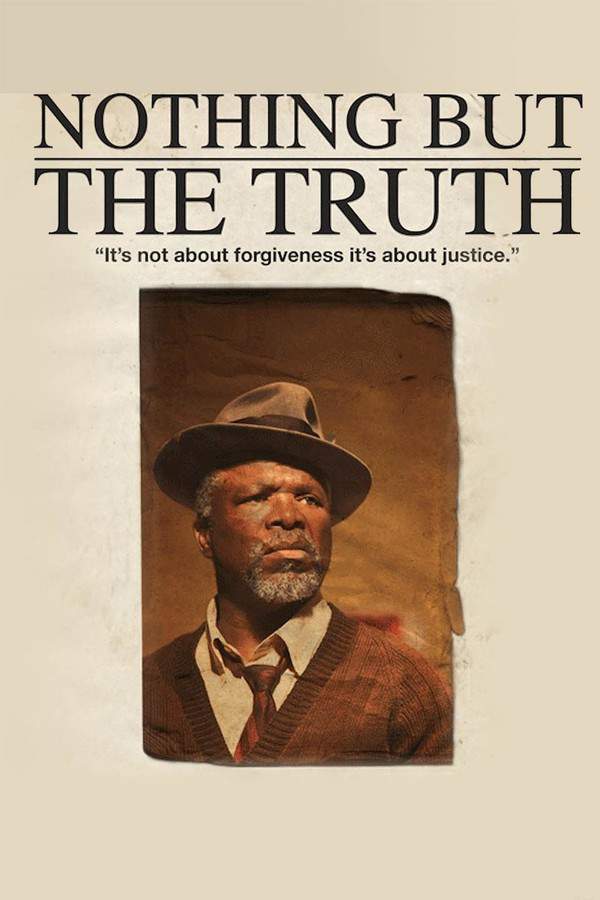
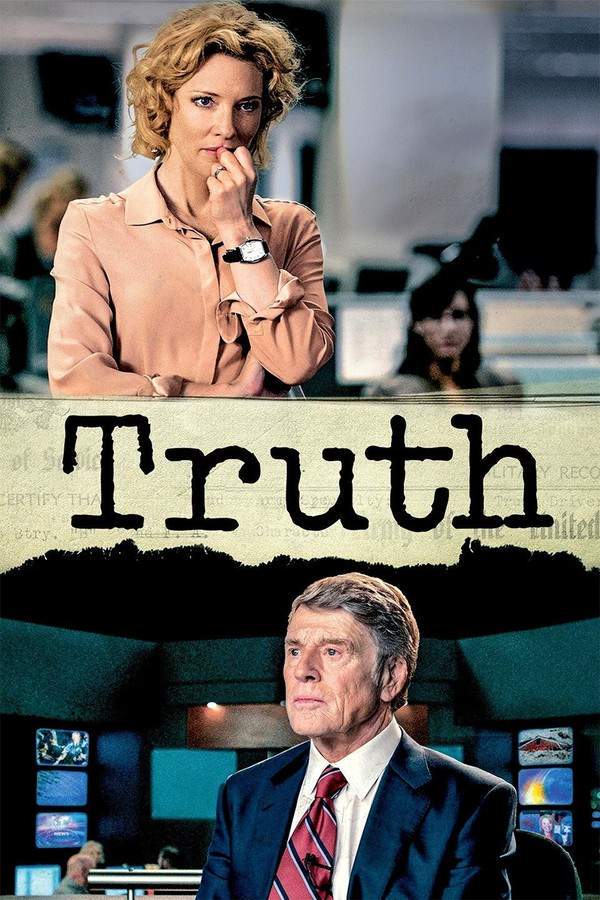
Tense moral pressure stories like Good Night, and Good Luck.

Films where principled characters face mounting tension in confined environments. If you felt the claustrophobic tension in Good Night, and Good Luck., you'll appreciate these movies. They capture a similar vibe of characters making difficult ethical choices under intense pressure, often within the confines of a single workplace or institution, leading to bittersweet resolutions.

  • claustrophobic
  • tense
  • anxious
  • urgent
  • somber
  • moral dilemma
  • Tone: tense, anxious, somber
  • Pacing: steady, deliberate
Why these movies?

The story pattern: The narrative pattern involves a character or group who must take a stand against a powerful force from within a constrained system, such as an office, newsroom, or government agency. The conflict builds steadily, with the setting itself amplifying the sense of entrapment and the high cost of defiance. The emotional journey is one of rising anxiety culminating in a costly but necessary act of principle.

Why they belong together: These movies share a distinctive mood created by the combination of a high-intensity moral conflict and a claustrophobic setting. The similar pacing and tone—steady builds of tension in somber, confined spaces—make the viewing experiences feel cohesive and emotionally resonant.

If you liked this

Movies Like Good Night, and Good Luck.

Similar movies to Good Night, and Good Luck.: the same genre, themes or kind of story. Each one comes with its own plot summary, timeline and ending explained.

Browse all movie summaries

Every angle

Good Night, and Good Luck. (2005) Explained: Plot, Timeline & Characters

Everything about Good Night, and Good Luck. in one place: what happens in the plot summary, the timeline in chronological order, the characters and meaning and a spoiler-free summary. What's After the Movie adds the cast, box office and post-credit scenes.

Coming soon on iOS and Android

The Plot Explained Movie Summary App

Plot summaries, endings explained and timelines on your phone. Catch up on any movie in minutes, save your favorites and never miss a twist again.

Be the first to know when we launch. Your email stays private, always.

Learn more about the app