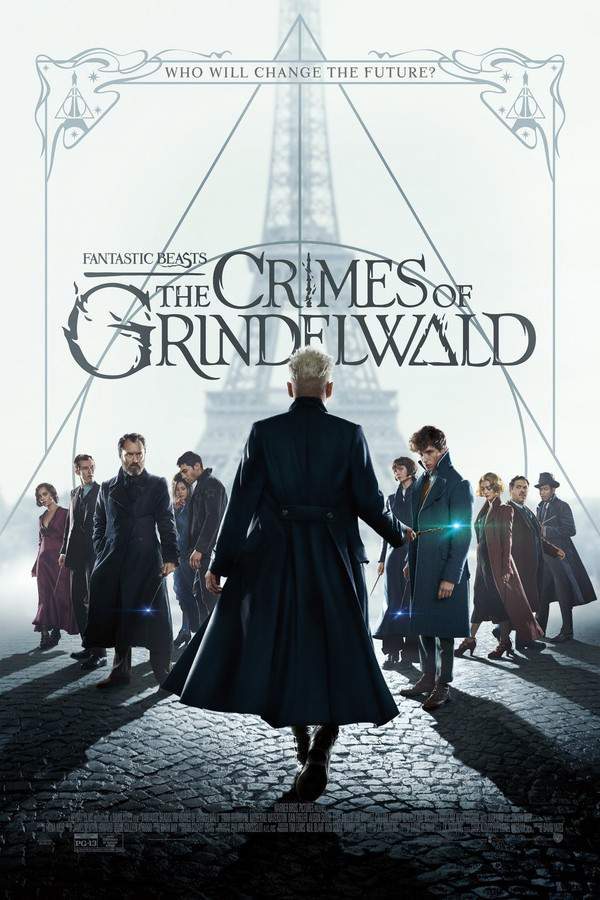
The ending of Fantastic Beasts: The Crimes of Grindelwald reveals a shocking twist that significantly alters our understanding of the wizarding world’s history. In the final scene, Grindelwald uncovers Credence Barebone’s true identity—he is revealed to be Aurelius Dumbledore, Albus Dumbledore’s long-lost brother, and not just an orphaned young man with mysterious powers. Grindelwald gifts Credence a wand, and when he casts a spell, its extraordinary power causes a mountain to collapse, demonstrating Credence’s potential. However, this revelation is complicated because Grindelwald, known for manipulating others, might be lying about Credence’s heritage to sway him to his cause, as the Harry Potter books and lore do not mention Aurelius as part of the Dumbledore family.
The film explores the complex history of the Dumbledore family, revealing that Credence may be a previously unknown member—possibly Albus’s half-brother or from another relationship—though later evidence suggests he is Aberforth Dumbledore’s illegitimate son. This revelation opens questions about Credence’s true origins and his place in wizarding history, which will be addressed more in the upcoming Fantastic Beasts movies. Meanwhile, key characters face tragic losses; Leta Lestrange dies as she sacrifices herself to allow others to escape Grindelwald’s fiery trap, and Queenie joins Grindelwald, driven by her desire to be with Jacob, despite his refusal, highlighting her tragic shift toward the dark side.
Throughout the film, intriguing hints are dropped about Dumbledore’s relationship with Grindelwald. Although their deep connection remains largely hinted at, Dumbledore admits to others that he and Grindelwald were "closer than brothers," and scenes with the Mirror of Erised suggest a profound, possibly romantic, history between the two, leaving their relationship open to interpretation. The film also subtly introduces the concept of a Blood Pact—a magical bond that prevents Dumbledore from fighting Grindelwald directly—which he is determined to break in future installments. Grindelwald’s vision of a better world, where wizarding supremacy prevents catastrophes like the impending World War II he foresees, adds depth to his character, portraying him as a villain with a seemingly noble goal.
Ultimately, the ending sets up major plot points for Fantastic Beasts 3, where Credence’s true heritage will be fully explored, and Dumbledore’s efforts to confront Grindelwald will come to a head. The series is building toward an epic showdown, with Credence, now revealed as Aurelius Dumbledore, potentially switching sides as their destinies intertwine. The film’s conclusion leaves many questions unanswered, but it ramps up the stakes dramatically, promising that the coming installments will delve deeper into these complex relationships, magical conflicts, and the dark past of the wizarding world. The presence of a phoenix forming from Credence’s pet chick symbolizes hope and rebirth, foreshadowing new beginnings for the characters and perhaps hinting at Fawkes’s future role in their battles against darkness. This finale fundamentally reshapes the lore, hinting at a future where even the most powerful wizarding families are entwined in secrets that could change everything once revealed.