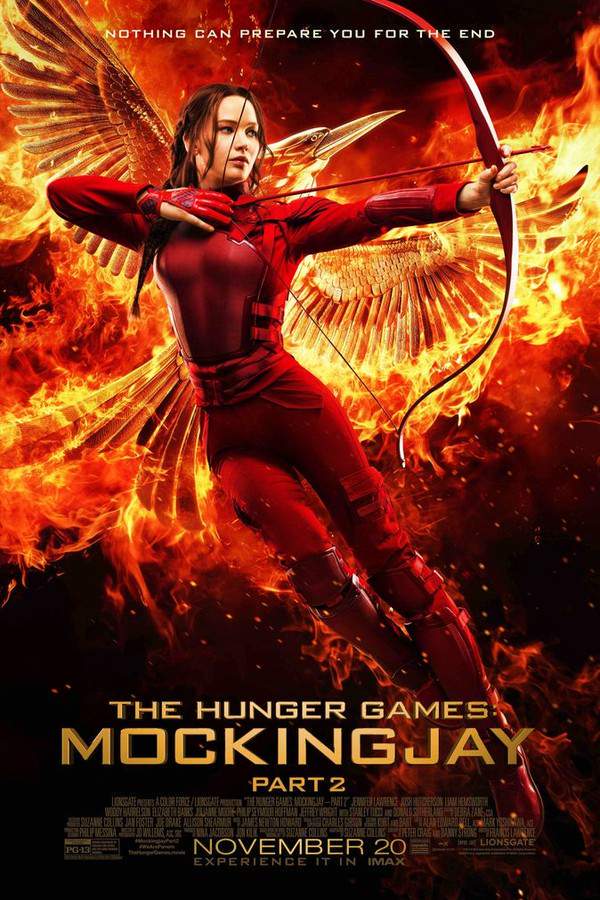
With Panem on the edge of civil war, Katniss Everdeen, the Mockingjay, leads a rebellion against the tyrannical President Snow. Alongside Gale and Peeta, she undertakes a dangerous mission to the Capitol, facing formidable defenses and uncovering shocking truths. The fight for freedom demands sacrifice and tests the bonds of friendship as Katniss confronts Snow in a final, desperate struggle for the future of Panem.
Find where to stream, rent, or buy The Hunger Games: Mockingjay - Part 2 (2015) in the US with current JustWatch availability, up-to-date pricing, and platform listings for subscription, rental, and digital purchase options.
Warning: spoilers below!
Haven’t seen The Hunger Games: Mockingjay - Part 2 yet? This summary contains major spoilers. Bookmark the page, watch the movie, and come back for the full breakdown. If you're ready, scroll on and relive the story!
Still thinking about how The Hunger Games: Mockingjay - Part 2 (2015) ended? Here’s a full breakdown of the ending, key final moments, major twists, and the deeper meaning behind the film’s conclusion.
In the final moments of “Mockingjay - Part 2,” Katniss Everdeen faces a series of difficult decisions that mark the culmination of her journey. After surviving the chaos of the rebellion, she is tricked into participating in what she believes will be an execution aimed at Snow, but instead, she publicly kills President Coin, who reveals herself to be just as power-hungry and ruthless as Snow. Coin’s plan to hold a new Hunger Games using Capitol children confirms her true intentions to consolidate power, much like Snow did. Katniss’s act of killing Coin is both a rejection of her manipulative reign and a symbolic act of justice for Prim’s death, which Coin indirectly caused through her reckless political moves.
Following this, Katniss is detained in the Capitol’s prison, but her allies facilitate her escape and eventual return to her home in District 12. Plutarch, who manipulated much of the rebellion behind the scenes, had predicted this outcome and hints that her actions were part of a larger plan designed to dismantle the cycle of tyranny. Though speculation remains about whether Plutarch was responsible for the bombing of Capitol children—an act that ultimately shifted public opinion against Snow—he remains a figure of moral ambiguity, protecting Katniss and ensuring her future safety.
In her personal life, the love triangle between Katniss, Peeta, and Gale is ultimately resolved with her choosing Peeta, as he offers her the empathy and peace she needs after all she has endured. Katniss recognizes that Gale’s obsession with revenge and violence would only continue the cycle of destruction, whereas Peeta’s gentle nature and shared trauma make him her true partner. The story ends with Katniss returning home to rebuild her life, carrying with her the scars of her past but also hope for a more just future, having taken a stand against tyranny in her own way. Her journey is one of sacrifice, justice, and the pursuit of peace amid a world forever changed by war.
Last updated: June 25, 2025 at 09:00
Read frequently asked questions about the ending of The Hunger Games: Mockingjay - Part 2 (2015), including final-scene interpretation, twist explanations, character outcomes, and the deeper meaning behind the conclusion. This ending explained FAQ is designed for viewers searching for clear spoiler-heavy answers and ending breakdown insights.
Katniss kills President Coin because she realizes Coin is just as power-hungry and ruthless as Snow. When Coin tricks Katniss into what she believes is an execution of Snow, Coin reveals her plan to hold a new Hunger Games using Capitol children, mirroring Snow's own tyrannical methods. Recognizing that Coin would simply replace one tyrant with another, Katniss switches targets and kills Coin, preventing the cycle of oppression from continuing under a new leader.
Earlier in the film, Coin's willingness to sacrifice Katniss's squad in the mission to the Capitol hinted at her ruthless leadership style.
President Coin's secret plan was to hold a new Hunger Games, but this time using children from the Capitol rather than the districts. This revelation shocks Katniss because it shows Coin intends to maintain the same oppressive system Snow used, just with different victims. Coin believed that traumatizing Capitol children would prevent future rebellions, mirroring the exact logic Snow used to control the districts for 75 years.
Coin's quick rise to power and her willingness to use any means necessary foreshadowed her authoritarian ambitions.
Katniss chooses Peeta because he offers her the empathy and peace she desperately needs after enduring immense trauma. While Gale shares her anger and desire for revenge, Katniss recognizes that pursuing vengeance would only continue the cycle of destruction that has already cost her so much. Peeta's gentle nature, capacity for forgiveness, and ability to process trauma make him the partner who can help her rebuild. Gale's involvement in the bombing that killed Prim and his obsession with revenge ultimately make him unsuitable for Katniss's path toward healing.
Gale's increasingly aggressive tactics and his invention of the bomb that killed Prim created distance between him and Katniss throughout the film.
After Coin's death, President Snow is left in the custody of the rebellion. While the exact details of his fate aren't fully shown in the ending text, his regime has clearly fallen. Snow was publicly humiliated during the Capitol siege, and with both Snow and Coin dead, the path opens for a new government to form in Panem. Katniss notes that tyranny has been defeated, though the cost of that victory was devastating.
Snow's deteriorating health and his eventual surrender to rebel forces set the stage for his removal from power.
Katniss is detained because killing the leader of the rebellion, even one as corrupt as Coin, is considered an act of treason by the new government. However, her allies, particularly Plutarch, work behind the scenes to secure her release. Plutarch had anticipated this outcome and arranged for Katniss to be freed from the Capitol prison. This detention is brief, and she is ultimately allowed to return to District 12 to rebuild her life.
Plutarch's previous manipulation of events throughout the rebellion suggests he was protecting Katniss as part of a larger plan.
The ending leaves Plutarch's involvement in the Capitol bombing ambiguous. While he was aware of the bombing and possibly orchestrated it to turn public opinion against Snow, the text does not confirm his direct responsibility. Plutarch remains a figure of moral ambiguity, someone who manipulated events from behind the scenes to ensure the rebellion's success while also protecting Katniss. He hints that his actions were part of a larger plan to dismantle tyranny, but the moral cost of his decisions remains unclear.
Plutarch's position as Head Gamemaker and his secret communications with District 13's leadership suggested he was capable of orchestrating complex events.
The ending suggests a bittersweet hope for Panem's future. While tyranny in the form of both Snow and Coin has been defeated, the nation is left scarred by war and loss. Katniss's act of killing Coin breaks the cycle of oppressive leadership, but the text implies that building a truly just society will require continued effort. The epilogue shows Katniss returning home to rebuild, carrying her trauma but also hope for a more peaceful future.
The series' recurring theme of breaking the cycle of violence and oppression builds toward this resolution.
Katniss never fully recovers from Prim's death, which continues to haunt her throughout the ending. She holds Coin indirectly responsible, as Coin's reckless political moves led to the bombing that killed Prim. Killing Coin becomes Katniss's way of seeking justice for her sister. The ending shows Katniss living with this trauma while trying to rebuild her life, suggesting she must carry this grief forward rather than find complete closure.
Prim's death occurs during the Capitol bombing, which Gale's trap design helped create, creating ongoing guilt for both Gale and Katniss.
Katniss blames herself for Prim's death because she feels responsible for drawing Prim into the rebellion in the first place. As the Mockingjay, Katniss became the face of the rebellion, which ultimately led to the Capitol targeting her family. Additionally, Gale's trap design, which Katniss inadvertently helped perfect, was used in the bombing that killed Prim. This dual responsibility, combined with her failure to protect her sister, creates lasting survivor's guilt that shapes her ending.
Katniss's repeated attempts to keep Prim safe throughout the series make her failure to do so even more devastating.
The ending is bittersweet because although Katniss succeeds in destroying both tyrannical leaders and finds peace with Peeta, the victory comes at an enormous personal cost. Prim is dead, Katniss is deeply traumatized, and Gale's relationship with her is destroyed. The rebellion has technically won, but Panem is left scarred by war and loss. Katniss finds hope and a path forward, but the narrative never suggests she or the world will fully recover from what happened.
The film's consistently dark tone and mounting casualties throughout the rebellion set up this costly victory.
Discover curated groups of movies connected by mood, themes, and story style. Browse collections built around emotion, atmosphere, and narrative focus to easily find films that match what you feel like watching right now.
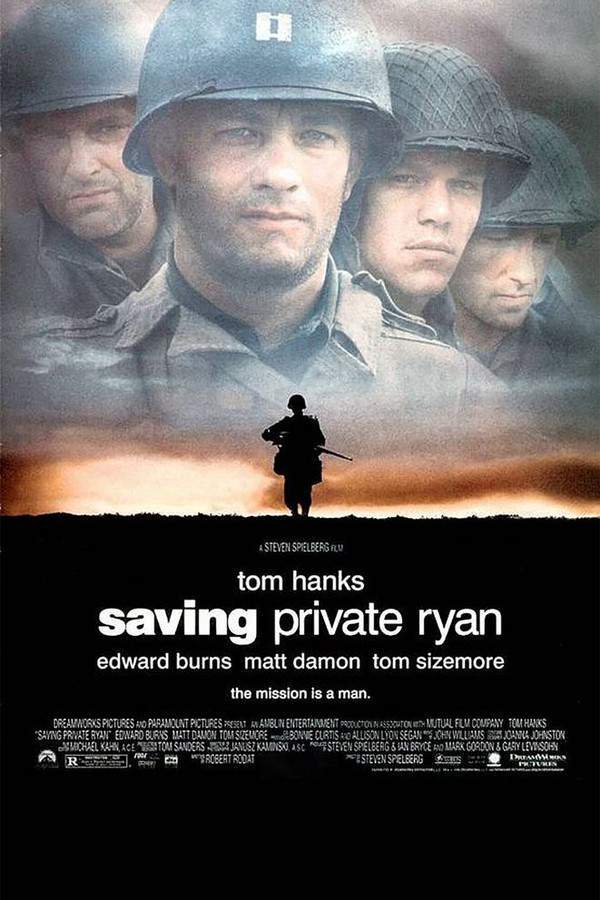
Stories where the fight for freedom demands a devastating personal price.If you liked The Hunger Games: Mockingjay - Part 2, explore other movies about dystopian rebellion where the fight for freedom carries a heavy emotional toll. These films feature grim warfare, moral ambiguity, and bittersweet victories that question the true cost of change.
The narrative follows a rebellion's final, brutal push against a tyrannical system. The protagonist leads from the front, facing not only external threats but also internal political machinations and ethical dilemmas. The climax often involves a shocking betrayal or loss that redefines the meaning of victory, leading to an ending where peace is earned but happiness is scarred.
They share a dark, high-intensity tone, a fast-paced descent into the chaos of war, and a heavy emotional weight centered on sacrifice. The central theme is the ambiguous, often painful, cost of achieving change, making the victory feel earned yet profoundly hollow.
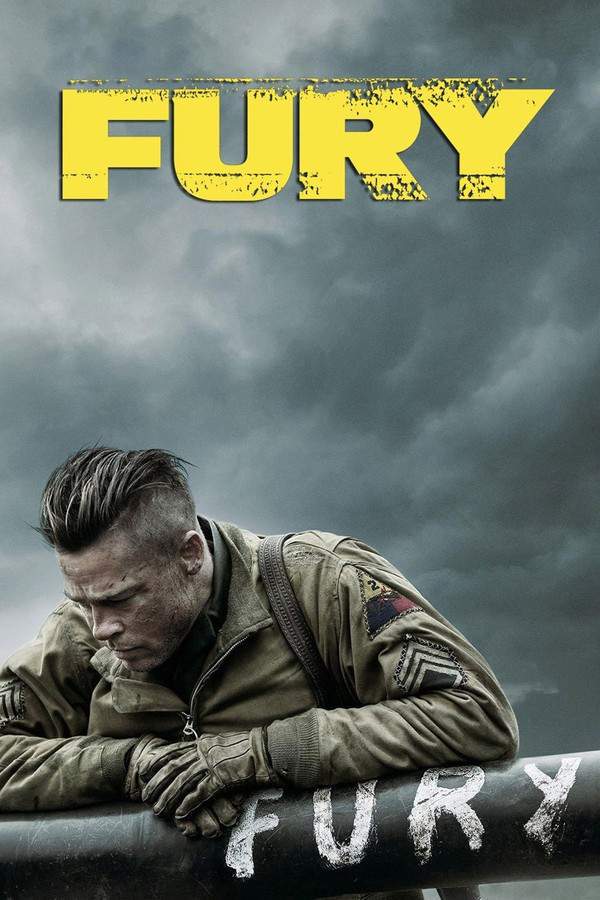
Intense stories focusing on the deep psychological scars left by combat.Find movies similar to The Hunger Games: Mockingjay - Part 2 that explore the heavy psychological trauma of warfare. These stories feature characters grappling with grief, loss, and moral injury amidst intense conflict, resulting in a somber and gripping viewing experience.
The narrative journey is internal as much as external. Characters are pushed to their absolute limits by life-or-death situations, witnessing death and making impossible choices. The story's resolution is not about neatly winning the war, but about the protagonist's fractured state and their difficult path toward some form of recovery or acceptance, if it comes at all.
They are united by a heavy emotional weight, a dark tone, and a focus on the lasting impact of violence on the human psyche. The pacing is often fast or variable, mirroring the chaos of combat, but the true focus remains on the desperate, grim, and tragic emotional aftermath for the survivors.
Don't stop at just watching - explore The Hunger Games: Mockingjay - Part 2 in full detail. From the complete plot summary and scene-by-scene timeline to character breakdowns, thematic analysis, and a deep dive into the ending - every page helps you truly understand what The Hunger Games: Mockingjay - Part 2 is all about. Plus, discover what's next after the movie.
Read a complete plot summary of The Hunger Games: Mockingjay - Part 2, including all key story points, character arcs, and turning points. This in-depth recap is ideal for understanding the narrative structure or reviewing what happened in the movie.
Track the full timeline of The Hunger Games: Mockingjay - Part 2 with every major event arranged chronologically. Perfect for decoding non-linear storytelling, flashbacks, or parallel narratives with a clear scene-by-scene breakdown.
Discover the characters, locations, and core themes that shape The Hunger Games: Mockingjay - Part 2. Get insights into symbolic elements, setting significance, and deeper narrative meaning - ideal for thematic analysis and movie breakdowns.
Discover movies like The Hunger Games: Mockingjay - Part 2 that share similar genres, themes, and storytelling elements. Whether you’re drawn to the atmosphere, character arcs, or plot structure, these curated recommendations will help you explore more films you’ll love.
The Hunger Games: Mockingjay - Part 2 (2015) Plot Summary & Movie Recap
The Hunger Games: Mockingjay - Part 2 (2015) Scene-by-Scene Movie Timeline
The Hunger Games: Mockingjay - Part 2 (2015) Movie Characters, Themes & Settings
The Hunger Games: Mockingjay - Part 2 (2015) Spoiler-Free Summary & Key Flow
Movies Like The Hunger Games: Mockingjay - Part 2 – Similar Titles You’ll Enjoy
The Matrix Revolutions (2003) Story Summary & Characters
The Purge: Election Year (2016) Complete Plot Breakdown
The Hunger Games (2012) Full Summary & Key Details
2012 (2009) Movie Recap & Themes
Maze Runner: The Death Cure (2018) Film Overview & Timeline
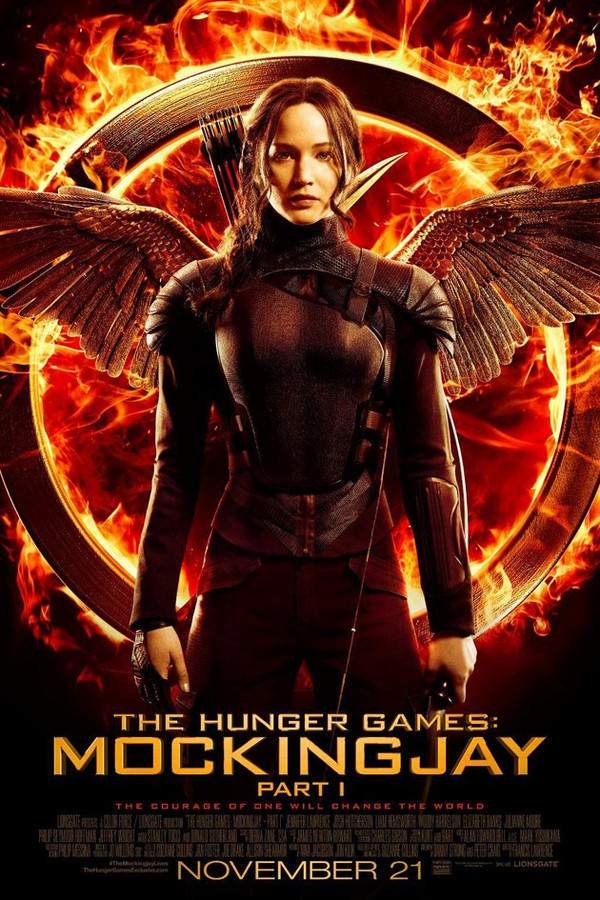
The Hunger Games: Mockingjay - Part 1 (2014) Full Summary & Key Details
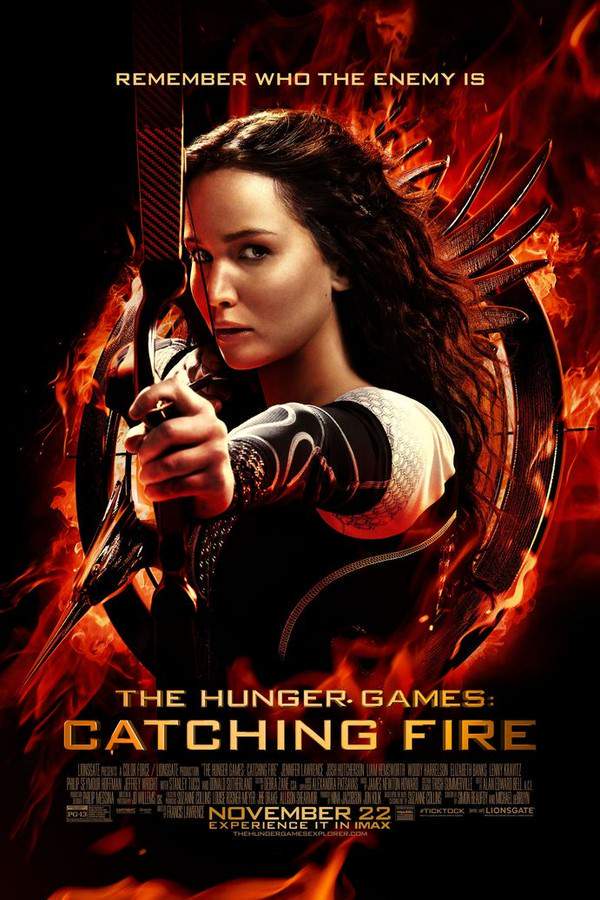
The Hunger Games: Catching Fire (2013) Ending Explained & Film Insights
Maze Runner: The Scorch Trials (2015) Story Summary & Characters
The Twilight Saga: Breaking Dawn - Part 2 (2012) Ending Explained & Film Insights
Divergent (2014) Full Movie Breakdown
The 2nd (2020) Full Movie Breakdown
Dune: Part Two (2024) Full Movie Breakdown
Civil War (2024) Detailed Story Recap
Watchmen: Chapter II (2024) Film Overview & Timeline
Sniper 2 (2002) Movie Recap & Themes