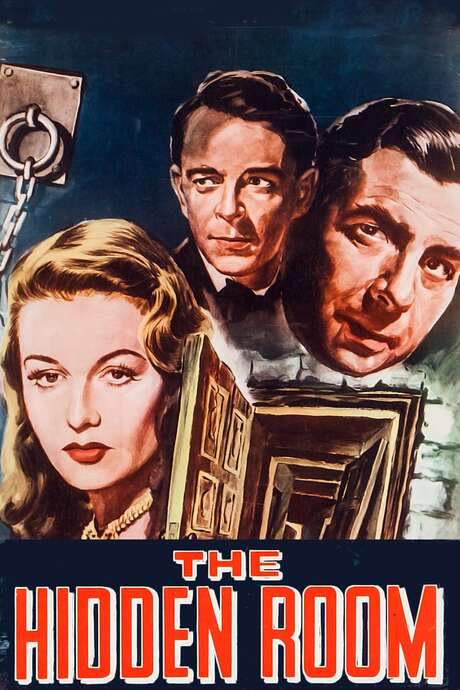
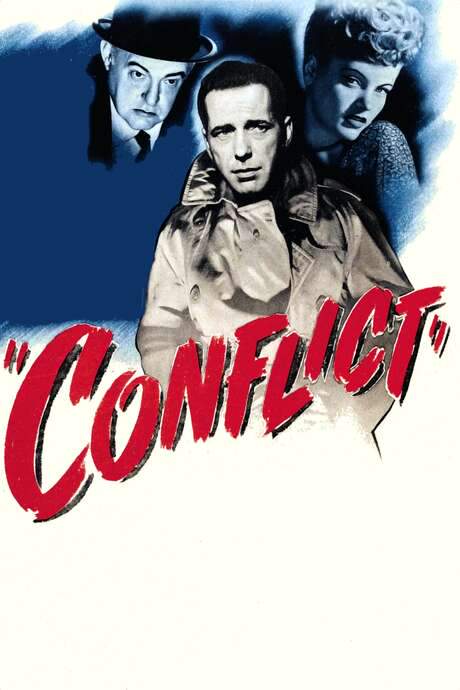
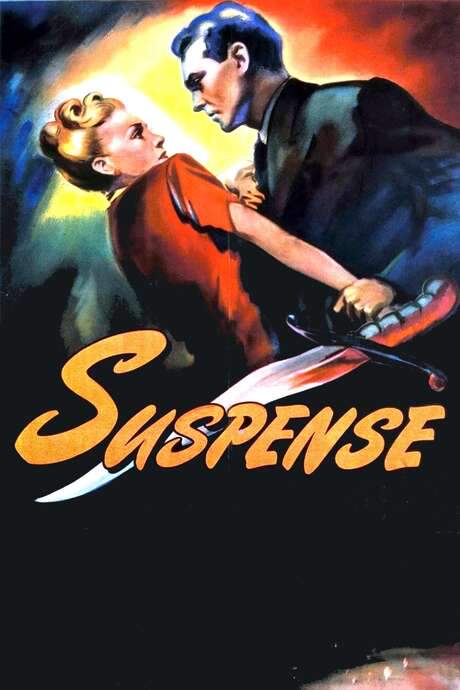
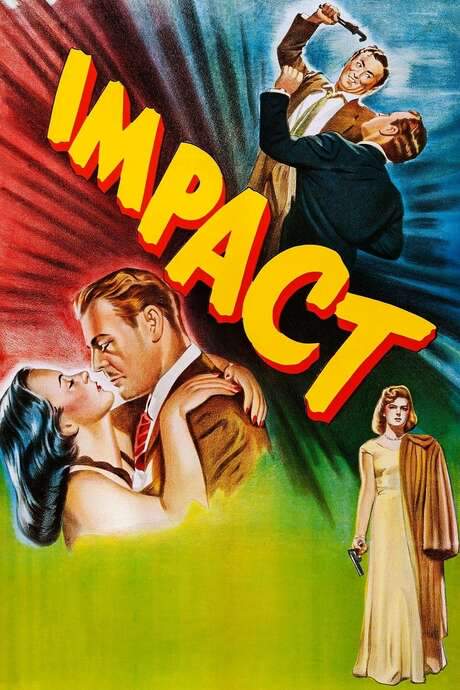
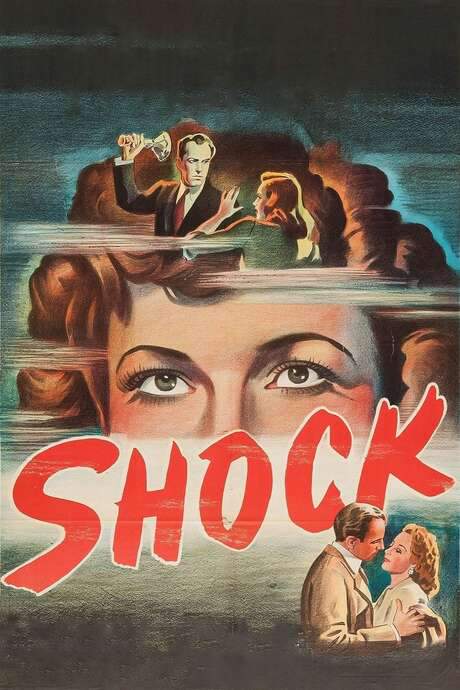
Police Lieutenant Bonnabel Barry Sullivan of the homicide division explains to the camera that his method for solving cases hinges on applying pressure to suspects until they crack under the strain. He begins by recounting a murder case involving Warren Quimby [Richard Basehart], unfolding it as a cautionary tale about motive, deception, and the danger of obsession.
In a tense flashback, the bespectacled Warren Quimby, the night manager of a neighborhood drugstore, is shown living above the shop with his wife, Claire Quimby [Audrey Totter], a woman whose infidelity is openly exercised. Claire’s infidelity drives a wedge between them as she abandons him for the wealthy Barney Deager [Barry Sullivan], a man with his own shadowed circles. Quimby’s heartache turns to humiliation, and when he confronts Deager about reclaiming his wife, Deager wounds him in a brutal exchange.
Back at the store, Quimby confides in his sympathetic employee Freddie [Tom D’Andrea], who bluntly suggests that he, too, might have killed the other man in his place. The brutal rejection and humiliation propel Quimby into a risky reinvention: he assumes a new identity as a cosmetics salesman named Paul Sothern [Richard Basehart], adopting contact lenses and flashier clothes to blend into a different life. He rents a fresh apartment and begins to navigate unfamiliar social waters, where his neighbor becomes the striking Mary Chanler [Cyd Charisse], a kind, gentle presence who soon captures his growing interest.
With the new persona, Quimby enters Deager’s orbit again, visiting with the intention of killing Deager while he sleeps. Yet a moral ambivalence stops him short; Claire, as far as he can tell, isn’t worth the violence, and he taunts Deager by insinuating that Claire, who isn’t present, might be betraying him as well.
That evening shifts the tension as Claire returns to Quimby, revealing that Deager has indeed been shot to death. Bonnabel and his partner Lt. Edgar Gonsales [William Conrad] arrive to question the couple, sensing there is more to the story but lacking clear evidence. Claire claims she visited Deager only as a daytime guest to swim and asserts that she and her husband had known Deager and his circle for two or three years. Quimby plays along, their dynamic a delicate dance of truth and feigned complicity.
Meanwhile, Mary, worried about the fate of Sothern, reaches out to the Bureau of Missing Persons and presents a photograph of the man she believes is linked to the case. The clues start to cohere: Sothern and Quimby are one and the same in the eyes of the police, yet the critical murder weapon remains elusive.
The arrest of Quimby follows, and under intense questioning he recites a story that the investigators do not accept as truth. They press for the gun’s whereabouts, but Quimby insists they direct their questions to Claire.
Bonnabel then confronts Claire with the fact that the authorities had to release her husband for lack of evidence. He explains that the gun is the missing piece that could convict Quimby once and for all. Claire improvises a dangerous counter-move, retrieving a gun from a hidden place beneath a rock near the beach house and attempting to plant it in Sothern’s apartment. The plan appears to work, but as Mary and Quimby arrive moments later, the police close in. Claire’s attempt to stage a discovery backfires when Bonnabel reveals that all the furnishings in Sothern’s apartment had been replaced, exposing her deception. The final consequence is clear: Claire is arrested as the truth about the murder comes to light.