Plot Explained Spoilers guaranteed!
Plot Explained

Browse by genre

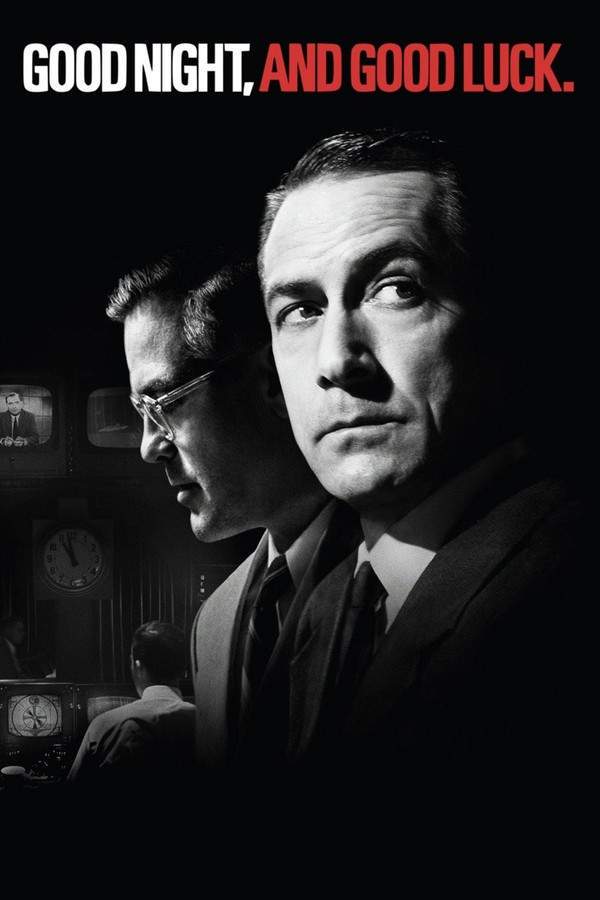
Good Night, and Good Luck. (2005) movie poster

Plot Summary

Good Night, and Good Luck. (2005) Plot Summary Explained

Release, runtime and language
2005 · 93 min · English
Loading streaming availability…
Starring
David Strathairn, Patricia Clarkson, George Clooney
Budget
$7M

During the height of Senator Joseph McCarthy’s anti-communist fervor, CBS newsman Edward R. Murrow and his producer Fred Friendly decide to challenge McCarthy’s tactics. Their courageous campaign involves directly confronting the senator on national television, exposing the damaging effects of his accusations and investigations. The film explores the risks they take, the pressures they face from within CBS, and the importance of upholding journalistic integrity in the face of political intimidation.

On this page (6)
  1. 1 Where to watch
  2. 2 What happens: full plot
  3. 3 Plot questions answered
  4. 4 Movie threads
  5. 5 Movies like Good Night, and Good Luck.
  6. 6 Every angle
Loading streaming availability…

Full plot summary · contains spoilers

What Happens in Good Night, and Good Luck.: Full Plot Summary

The whole story of Good Night, and Good Luck. (2005) explained, from the opening scene to the final frame: every key event, every twist and what it all adds up to. Read it as a quick recap before the sequel, to check a scene you missed, or to finally understand what really happened.

The film opens on October 25, 1958, during a prestigious dinner honoring Edward R. Murrow (David Strathairn). This gala, filled with elegant attire and glitzy decorations, serves as a background as Ed is heralded as a champion against McCarthyism. Taking the stage, he delivers a powerful speech criticizing journalism's tendency to focus solely on good news, lamenting how reporters have become disconnected from reality through their quest for escapism. His bold statements create an uneasy atmosphere among the attendees, while Fred Friendly (George Clooney) appears to be enjoying the moment.

As the narrative unfolds, we flash back to 1953, where Joe Wershba (portrayed by Robert Downey Jr.) and his wife Shirley Wershba (Patricia Clarkson) find themselves alone in the copy room. A colleague's humorous inquiry about their relationship leads Joe to discuss a troubling loyalty oath connected to McCarthy's regime—if Shirley doesn’t sign, Joe’s job could be at risk. After some deliberation, she consents, and they share a kiss.

The story progresses in a tense conference room with newsmen deliberating potential segments for their upcoming broadcast. While contemplating various topics related to McCarthy, they quickly strike them off the list. A troubling incident involving an Air Force officer from Chicago becomes the focal point; he was dismissed due to his father's alleged communist connections, and his trial was enveloped in secrecy. The reality of his unfair treatment weighs heavily upon the crew, who fear McCarthy's wrath should they pursue this story. Ultimately, they decide to send a team to Chicago for further investigation.

In another scene, the crew reviews a poignant clip of the Air Force officer, who expresses his desire for his children to be free from persecution based on their family's political ties. Now, they face a pivotal decision on whether to air this piece. Ed strongly supports running it, while another colleague remains hesitant due to their sponsorship ties with Alcoa. Fred finds himself in a complicated position, caught between loyalty to Ed and the pressures surrounding them. In a moment that resonates, Ed concludes his segment with the iconic line:

> "Good Night and Good Luck."

Following the airing, as tension lingers in the air, they gather at a bar to check the reviews. Initial praise is soon followed by criticism, especially weighing on Don Hollenbeck's (played by Ray Wise) conscience, who appears visibly strained by the situation.

Later, William Paley (portrayed by Frank Langella), the head of CBS, reprimands Fred for their controversial coverage, particularly regarding their relationship with Alcoa. Intriguingly, he doesn't explicitly demand a cease to their reporting, indicating his conflicted stance. Meanwhile, Joe and Shirley navigate their relationship secretly, maintaining compliance with company regulations. However, the mounting pressure escalates when Joe receives a warning from a government official, hinting at potential repercussions for continuing to broadcast critical pieces against McCarthy.

With renewed determination, the news team launches a direct counterattack against Senator McCarthy, covering a senate hearing concerning a suspected communist spy within the Pentagon. While the hearing lacks legitimate foundations, their coverage exposes glaring discrepancies, leading to substantial public outcry. Ed invites McCarthy to defend himself on air, which allows McCarthy to launch his own attacks against Ed.

In a climactic unraveling, the team learns that the Air Force Officer they covered earlier has been reinstated, but they also face the harrowing news of Don Hollenbeck’s suicide—a tragic consequence of the unrelenting pressure. Concurrently, they discover the Senate is now investigating McCarthy himself.

In the midst of workplace tensions, Joe and Shirley are called in regarding layoffs tied to their forbidden marriage. In a defiant moment, they reclaim their wedding rings, and Joe decides to resign, prioritizing integrity over corporate policies. Ed confronts Paley about the network’s decision to reduce their airtime, asserting a commitment to bold journalism despite the potential fallout.

Returning to October 25, 1958, Ed concludes his impactful speech, underscoring the vital role of journalists in holding the public accountable, whether the truth is pleasant or uncomfortable. With a final farewell, he reiterates, Good night and good luck.
Last updated: November 15, 2024 at 17:12

Was this helpful?

Plot questions answered

Good Night, and Good Luck. Plot Explained: Your Questions Answered

The questions people ask most about Good Night, and Good Luck. (2005): what happens in the confusing scenes, why the characters do what they do, the twists, hidden details and what the ending means. Each answer contains spoilers.

Q1

Why did Don Hollenbeck commit suicide?

Don Hollenbeck couldn't bear the weight of the controversy surrounding the See It Now broadcast that exposed McCarthy's tactics. After the initial positive reviews, the team faced intense backlash, and the relentless pressure from critics and the political climate took a severe emotional toll on Hollenbeck. His suicide represents one of the tragic personal costs of the broadcast's impact, highlighting how the fight against McCarthyism affected not just careers but lives.

Foreshadowing: Earlier scenes show Hollenbeck visibly strained and conscience-stricken as the controversy escalates, foreshadowing his tragic end.

  • don hollenbeck
  • suicide
  • mccarthyism pressure
  • see it now consequences
Q2

Why did Joe Wershba resign from CBS?

Joe Wershba resigned after he and his wife Shirley were called in regarding layoffs connected to their forbidden secret marriage, which violated company policy. In a defiant moment, they reclaimed their wedding rings, and Joe chose to prioritize his integrity and personal principles over corporate regulations. His resignation symbolizes the broader theme of choosing moral convictions over professional security in the face of McCarthy's climate of fear.

Foreshadowing: The film establishes early on that Joe and Shirley kept their marriage secret to protect Joe's job under the loyalty oath requirements.

  • joe wershba
  • resignation
  • shirley wershba
  • cbs layoffs
  • marriage policy
Q3

What happened to Senator McCarthy after the See It Now broadcast?

After Murrow's See It Now broadcast exposed McCarthy's damaging accusations and tactics, the Senate launched an investigation into McCarthy himself. While the film shows McCarthy being invited to defend himself on air, where he launched counterattacks against Murrow, the outcome was ultimatelyavorable for the journalists as McCarthy's political power began to crumble under public scrutiny.

Foreshadowing: The team's decision to cover the senate hearing about a suspected communist spy in the Pentagon, which lacked legitimate foundations, built toward this turning point.

  • senator mccarthy
  • senate investigation
  • see it now
  • political downfall
  • 1954
Q4

Why was the Air Force officer's case significant to the story?

The dismissed Air Force officer from Chicago became the catalyst for Murrow's direct confrontation with McCarthy. The officer was fired due to his father's alleged communist connections, and his trial was enveloped in secrecy. This story represented the human cost of McCarthy's accusations and provided the news team with concrete evidence of unfair treatment that they could investigate and expose, leading to their pivotal broadcast.

Foreshadowing: The crew's initial deliberation in the conference room specifically focuses on whether to pursue this story, with hesitation over potential retaliation from McCarthy.

  • air force officer
  • chicago
  • mccarthy accusations
  • unfair dismissal
  • see it now story
Q5

What was the loyalty oath that Joe Wershba asked Shirley to sign?

The loyalty oath was required under McCarthy's anti-communist regime. If Shirley didn't sign the oath confirming she was not a communist, Joe's job at CBS would be at risk due to the company's policy of terminating employees whose spouses had communist ties. This scenario illustrates how McCarthyism created a climate of suspicion that permeated even personal relationships, forcing couples like Joe and Shirley to make difficult compromises to maintain their livelihoods.

Foreshadowing: The film opens with this 1953 flashback, establishing the pervasive fear and compromise required under McCarthy's era.

  • loyalty oath
  • mccarthyism
  • joe wershba
  • shirley wershba
  • cbs policy
Q6

Why did William Paley reduce Murrow's airtime?

William Paley, the head of CBS, reduced Murrow's airtime primarily due to corporate pressures and concerns about the network's sponsorship relationships, particularly with Alcoa. While Paley didn't explicitly demand they stop their reporting, he reprimanded Fred Friendly about the controversial coverage and its impact on advertisers. This decision reflects the tension between journalistic integrity and commercial interests that Murrow constantly battled throughout the film.

Foreshadowing: Earlier discussions about the sponsorship conflict with Alcoa set up this corporate pressure point.

  • william paley
  • cbs
  • reduced airtime
  • alumina
  • corporate pressure
  • sponsorship
Q7

How did the See It Now broadcast challenge McCarthy?

The See It Now broadcast directly confronted McCarthy by exposing the damaging effects of his accusations and investigations on innocent people, particularly the Air Force officer dismissed due to his father's alleged communist ties. By covering the senate hearing about a suspected communist spy in the Pentagon, which lacked legitimate foundations, the team exposed discrepancies in McCarthy's accusations, sparking public outcry. Ed invited McCarthy to defend himself on air, giving him the opportunity to attack Ed, but the broadcast ultimately shifted public opinion against McCarthy's tactics.

Foreshadowing: The team's deliberation over whether to air the emotional footage of the Air Force officer established their strategy of using specific cases to challenge McCarthy's broader tactics.

  • see it now
  • cbs broadcast
  • mccarthy confrontation
  • senate hearing
  • edward murrow
Q8

Why did Ed Murrow decide to confront McCarthy on television?

Ed Murrow decided to confront McCarthy because he believed journalists had become disconnected from reality by focusing only on good news and escapism. The unjust dismissal of the Air Force officer and the climate of fear created by McCarthy's accusations represented everything wrong with the current state of journalism. Murrow felt a responsibility to hold the public accountable by exposing the truth, even when it was uncomfortable or politically dangerous.

Foreshadowing: Murrow's opening speech at the 1958 gala directly addresses his criticism of journalism's tendency to avoid difficult truths.

  • edward murrow
  • mccarthy
  • journalism integrity
  • see it now decision
  • editorial courage
Q9

Why was the Alcoa sponsorship conflict important to the story?

The Alcoa sponsorship conflict represented the tension between journalistic integrity and corporate commercial interests. When the team wanted to air the story about the Air Force officer, another colleague hesitated because Alcoa was a major sponsor, creating pressure to avoid content that might upset corporate advertisers. This conflict underscores the broader theme of how financial interests can compromise news coverage, a challenge Murrow and his team constantly navigated.

Foreshadowing: The hesitation to air the story directly ties to this sponsorship concern.

  • alcoa
  • sponsorship
  • cbs
  • corporate sponsorship
  • editorial conflict
  • advertiser pressure
Q10

What was the message of Murrow's 1958 gala speech?

In his 1958 gala speech, Murrow criticized journalism's tendency to focus solely on good news and escapism, lamenting how reporters had become disconnected from reality. He emphasized that journalists have a vital role in holding the public accountable, whether the truth is pleasant or uncomfortable. This speech encapsulates the film's themes about the responsibility of truth-telling and the courage required to challenge power, serving as both a retrospective on his career and a statement of journalistic principles.

Foreshadowing: The film opens with this speech, setting up the thematic foundation for everything that follows in the flashback narrative.

  • murrow speech
  • gala 1958
  • journalism responsibility
  • truth telling
  • mccarthyism critique

Movie threads

More Movies Like Good Night, and Good Luck., by Mood & Story

Curated lists built around what makes Good Night, and Good Luck. tick: the same mood, the same kind of story or the same emotional payoff. Each list explains why these movies belong together.

Movies about journalistic integrity like Good Night, and Good Luck.

Stories of journalists risking everything to expose corruption and uphold the truth. If you admired the principled stand in Good Night, and Good Luck., explore these films about journalists fighting for the truth. This collection features similar historical dramas and tense thrillers where media professionals face down corruption, censorship, and political intimidation.

  • urgent
  • defiant
  • somber
  • tense
  • resolute
  • anxious
  • Tone: tense, resolute, somber
  • Pacing: steady, methodical
Why these movies?

The story pattern: Stories in this thread typically follow a clear, principled conflict: an individual or team within a media organization uncovers a significant injustice or systemic lie. The narrative focuses on the process of investigation, the mounting external pressures to remain silent, and the climactic decision to publish or broadcast despite severe personal and professional risks.

Why they belong together: These films are grouped by their shared thematic core of journalistic ethics and moral courage. They create a specific, tense mood through high-stakes professional scenarios, where the enemy is often a powerful institution, and the victory is measured in integrity rather than pure success.

Tense moral pressure stories like Good Night, and Good Luck.

Films where principled characters face mounting tension in confined environments. If you felt the claustrophobic tension in Good Night, and Good Luck., you'll appreciate these movies. They capture a similar vibe of characters making difficult ethical choices under intense pressure, often within the confines of a single workplace or institution, leading to bittersweet resolutions.

  • claustrophobic
  • tense
  • anxious
  • urgent
  • somber
  • moral dilemma
  • Tone: tense, anxious, somber
  • Pacing: steady, deliberate
Why these movies?

The story pattern: The narrative pattern involves a character or group who must take a stand against a powerful force from within a constrained system, such as an office, newsroom, or government agency. The conflict builds steadily, with the setting itself amplifying the sense of entrapment and the high cost of defiance. The emotional journey is one of rising anxiety culminating in a costly but necessary act of principle.

Why they belong together: These movies share a distinctive mood created by the combination of a high-intensity moral conflict and a claustrophobic setting. The similar pacing and tone—steady builds of tension in somber, confined spaces—make the viewing experiences feel cohesive and emotionally resonant.

If you liked this

Movies Like Good Night, and Good Luck.

Similar movies to Good Night, and Good Luck.: the same genre, themes or kind of story. Each one comes with its own plot summary, timeline and ending explained.

Browse all movie summaries

Every angle

Good Night, and Good Luck. (2005) Explained: Plot, Timeline & Characters

Everything about Good Night, and Good Luck. in one place: what happens in the plot summary, the timeline in chronological order, the characters and meaning and a spoiler-free summary. What's After the Movie adds the cast, box office and post-credit scenes.

Coming soon on iOS and Android

The Plot Explained Movie Summary App

Plot summaries, endings explained and timelines on your phone. Catch up on any movie in minutes, save your favorites and never miss a twist again.

Be the first to know when we launch. Your email stays private, always.

Learn more about the app