Plot Explained Spoilers guaranteed!
Plot Explained

Browse by genre

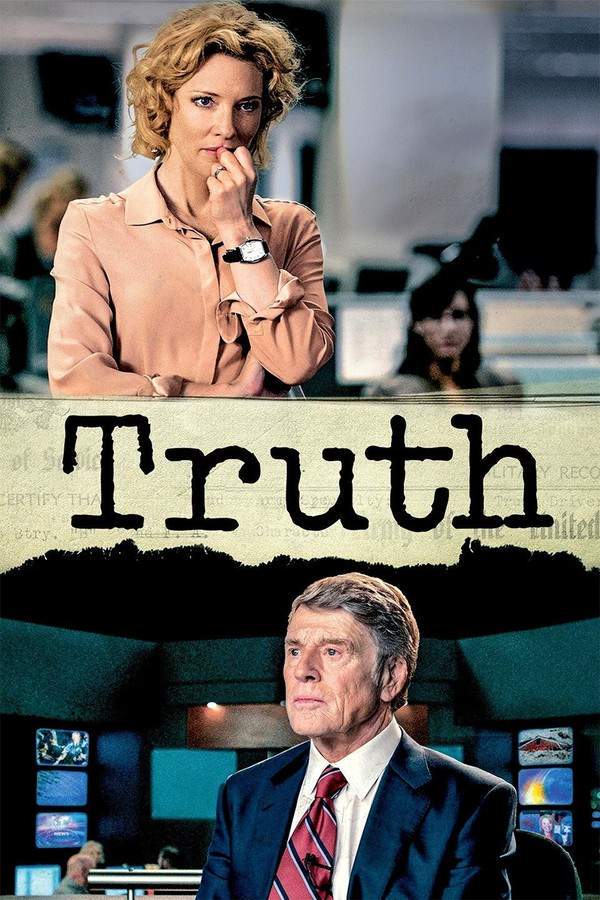
Truth (2014) movie poster

Plot Summary

Truth (2014) Plot Summary Explained

Release, runtime and language
2014 · 94 min · English
Directed by
Rob Moretti

This gripping thriller follows Caleb and Jeremy, whose whirlwind romance begins with an online connection. As their relationship deepens, long-held secrets emerge, testing the strength of their bond. Caleb’s past unexpectedly resurfaces, forcing him to confront painful memories and unravel a disturbing truth before it destroys everything he holds dear.

On this page (6)
  1. 1 Where to watch
  2. 2 What happens: full plot
  3. 3 Plot questions answered
  4. 4 Movie threads
  5. 5 Movies like Truth
  6. 6 Every angle

Where to watch

Where to Watch Truth (2014)

Where can you watch Truth? Stream, rent or buy it in the US, including on Hoopla, Filmzie and Tubi TV: current JustWatch availability with up-to-date prices.

Streaming availability powered by JustWatch

Full plot summary · contains spoilers

What Happens in Truth: Full Plot Summary

The whole story of Truth (2014) explained, from the opening scene to the final frame: every key event, every twist and what it all adds up to. Read it as a quick recap before the sequel, to check a scene you missed, or to finally understand what really happened.

Months before the 2004 US presidential election, Mary Mapes, a producer for 60 Minutes Wednesday, spearheads a small, tightly wound team—Mike Smith, Lucy Scott, and Colonel Roger Charles—in a steadfast quest to verify claims about George W. Bush’s military record. They pursue leads that challenge the idea of a flawless service, chasing down indications that Bush may have received preferential treatment and that crucial records could have been lost or altered. In their search, they turn to Bill Burkett, who asserts that a set of memos and letters suggests Bush enjoyed special treatment and that he went AWOL for a year in 1972. The investigation also takes them to former Texan Lieutenant Governor Ben Barnes, who concedes that he pulled strings to help Bush join the National Guard. Mapes then brings these findings to life on air, with Dan Rather presenting the report on 60 Minutes.

Once the segment airs, questions about its accuracy begin to swirl. The controversy is fueled by radio hosts and bloggers and amplified by mainstream outlets, including The Washington Post and CBS itself. A closer look at the memos reveals stylistic clues, such as font and letter spacing, that point to computer production with Microsoft Word rather than typing from the 1970s. Burkett admits that he lied about where he obtained the documents, casting further doubt on the reporting.

The story’s investigation is complicated by the absence of the primary source: Jerry Killian, Bush’s commanding officer in 1972, had already passed away by the time the CBS piece aired. Robert “Bobby” Hodges, Killian’s supervising officer, retracts an earlier statement that the Killian documents were authentic, though he refuses to dwell on whether there is any “truth” in the documents themselves. Dan Rather issues an apology for presenting the material as fact, and Mapes, Rather, and the entire team face internal scrutiny aimed at uncovering political bias rather than the substance of the claims. The internal review centers on the authenticity of the Killian documents and what that means for the reporting.

As the panel proceedings unfold, Smith, Scott, and Charles are ultimately barred from their work and fired, with Smith erupting in a loud office tirade as he is escorted out. Rather decides to retire from broadcasting after the hearings, while Mapes delivers a pointed response to her opponents during the proceedings. In the end, Mapes is fired, and Rather presents his final sign-off, underscoring the courage of those who stuck with the story through the most difficult moments. The closing titles reveal that Mapes was terminated and four CBS executives were asked to resign, while also noting that CBS later won a Peabody Award for Mapes’ earlier documentary exposing atrocities at Abu Ghraib.

Last updated: October 09, 2025 at 16:13

Was this helpful?

Plot questions answered

Truth Plot Explained: Your Questions Answered

The questions people ask most about Truth (2014): what happens in the confusing scenes, why the characters do what they do, the twists, hidden details and what the ending means. Each answer contains spoilers.

Q1

Why did Bill Burkett lie about where he got the memos?

Burkett claimed the memos came from Jerry Killian's personal files, but he later admitted he lied about their origin. The exact reason for his deception remains unclear, but the lie severely undermined the story's credibility when it was revealed.

Foreshadowing: Earlier in the investigation, the team noted they had difficulty verifying Burkett's background and motivations.

  • bill burkett
  • memos
  • documents
  • source
  • lie
Q2

What exposed the Killian documents as fake?

Experts identified that the memos used a proportional font and spacing consistent with Microsoft Word, which did not exist in the 1970s. This technological anachronism proved the documents were created on a modern computer, not typed on 1970s typewriters.

Foreshadowing: The team initially struggled to verify the documents through traditional journalistic channels.

  • killian documents
  • font
  • microsoft word
  • typewriter
  • forgery
Q3

Why was Mary Mapes fired after the broadcast?

Mapes was terminated as part of CBS's attempt to distance itself from the controversy. Although she was the producer who assembled the story, the network used her firing as a scapegoat to demonstrate accountability amid intense political and public pressure.

Foreshadowing: The investigation focused more on whether there was political bias than on whether the original claims were true.

  • mary mapes
  • fired
  • cbs
  • termination
  • accountability
Q4

Why did Dan Rather retire from CBS after the story?

Rather announced his retirement following the congressional hearings and internal investigation into the story. The controversy damaged his decades-long reputation, and he made the decision to step down, delivering his final sign-off as part of the fallout.

Foreshadowing: Rather had apologized on-air for presenting the unverified material as fact.

  • dan rather
  • retirement
  • cbs
  • anchor
  • broadcasting
Q5

Why did CBS investigate political bias instead of verifying the claims?

The internal review panel prioritized examining whether the team had political motivations rather than whether the Killian documents were authentic. This approach allowed CBS to address accusations of bias while avoiding a broader debate about the substance of the original allegations regarding Bush's service.

Foreshadowing: Critics had immediately labeled the story a politically motivated attack on Bush.

  • cbs
  • internal review
  • bias
  • politics
  • investigation
Q6

Why was the Bush National Guard story aired before the 2004 election?

The team believed the story was time-sensitive because voters deserved to know about potential issues in Bush's military record before casting their ballots in the upcoming presidential election. This urgency influenced decisions about vetting timelines and broadcast timing.

Foreshadowing: The investigation began months before the election specifically to allow time for verification.

  • 2004 election
  • bush
  • national guard
  • timing
  • voting
Q7

Why did Bobby Hodges recant his support for the Killian documents?

Hodges, who had initially stated the documents appeared authentic, retracted his statement during the internal review. He refused to confirm whether the documents contained any truth, creating further ambiguity about their contents while distancing himself from the controversy.

Foreshadowing: Hodges had been Killian's supervising officer and was initially thought to be a credible witness.

  • bobby hodges
  • killian
  • recant
  • documents
  • witness
Q8

How did the memos destroy the 60 Minutes story?

The memos were the central evidence supporting the allegation that Bush received preferential treatment in the National Guard. Once their anachronistic formatting was exposed and Burkett's lie about their source was revealed, the entire foundation of the story collapsed, leaving CBS with no credible proof for their claims.

Foreshadowing: The team had relied heavily on Burkett as their primary document source.

  • memos
  • evidence
  • 60 minutes
  • documents
  • credibility
Q9

What was Ben Barnes's role in the investigation?

Ben Barnes, former Texas Lieutenant Governor, confirmed that he used political connections to help George W. Bush secure a spot in the National Guard. This testimony provided independent corroboration of the narrative that Bush received preferential treatment, making the story more publishable.

Foreshadowing: The team sought multiple sources to strengthen the memos Burkett provided.

  • ben barnes
  • texas
  • lieutenant governor
  • national guard
  • connections
Q10

Why did the 60 Minutes team proceed with the story despite red flags?

The team believed the core allegations about Bush's service were true and that the public interest in a presidential candidate's military record outweighed the uncertainties about document authenticity. They also faced pressure to broadcast before the election, creating a rush that bypassed normal caution.

Foreshadowing: The investigation began with strong convictions about the story's merit.

  • red flags
  • vetting
  • 60 minutes
  • rushing
  • judgment
Q11

Why did CBS win a Peabody Award after the scandal?

The end credits note that CBS won a Peabody Award for Mary Mapes's earlier documentary exposing atrocities at Abu Ghraib. This distinction highlights that her journalistic work included legitimate groundbreaking reporting, complicating the narrative that the entire segment was fundamentally flawed.

Foreshadowing: Mapes had a track record of successful investigative journalism before this story.

  • peabody award
  • abu ghraib
  • documentary
  • cbs
  • journalism

Movie threads

More Movies Like Truth, by Mood & Story

Curated lists built around what makes Truth tick: the same mood, the same kind of story or the same emotional payoff. Each list explains why these movies belong together.

Journalistic Thrillers and Investigations like Truth

Racing against time and power to expose a dangerous truth. If you enjoyed the urgent, high-stakes pressure of Truth, explore more movies about investigative journalism and political scandals. These films capture the tense, cerebral race to expose corruption, often featuring strong ethical dilemmas and frustrating battles against powerful forces.

  • urgent
  • high-stakes
  • cerebral
  • frustrating
  • tense
  • anxious
  • Tone: tense, urgent, bleak
  • Pacing: fast, procedural
Why these movies?

The story pattern: These stories typically follow a linear investigative path: a lead is discovered, evidence is meticulously gathered against rising opposition, a pivotal revelation is made public, and the story culminates in severe professional or personal consequences for the truth-seekers, highlighting the cost of challenging power.

Why they belong together: They are grouped by their shared focus on a procedural investigation, a tense and urgent atmosphere, cerebral conflict over physical action, and a sobering exploration of the realities of fighting systemic corruption, often with heavy emotional weight.

Movies about Career Downfall and Ethical Stands like Truth

Stories where principled stands lead to devastating professional consequences. Fans of Truth who were captivated by its depiction of professional devastation will find similar themes in these dramas. Discover stories about individuals whose commitment to principle leads to a tense, frustrating, and ultimately tragic collapse of their professional lives.

  • frustrating
  • tense
  • psychological
  • downfall
  • heavy
  • sobering
  • Tone: tense, frustrating, sad
  • Pacing: steady, relentless
Why these movies?

The story pattern: The pattern involves a capable professional at the peak of their career making a decision based on ethics or truth. This triggers a chain reaction of institutional pushback, public scrutiny, and internal betrayal, systematically destroying everything they've built, resulting in a somber and reflective ending.

Why they belong together: These films share a heavy, tense mood focused on psychological pressure rather than physical danger. They explore the disturbing theme of an individual being crushed by an institution, resulting in a deeply sad ending that leaves a lasting emotional impact.

If you liked this

Movies Like Truth

Similar movies to Truth: the same genre, themes or kind of story. Each one comes with its own plot summary, timeline and ending explained.

Browse all movie summaries

Every angle

Truth (2014) Explained: Plot, Timeline & Characters

Everything about Truth in one place: what happens in the plot summary, the timeline in chronological order, the characters and meaning and a spoiler-free summary. What's After the Movie adds the cast, box office and post-credit scenes.

Coming soon on iOS and Android

The Plot Explained Movie Summary App

Plot summaries, endings explained and timelines on your phone. Catch up on any movie in minutes, save your favorites and never miss a twist again.

Be the first to know when we launch. Your email stays private, always.

Learn more about the app