Year: 1976
Runtime: 138 min
Language: English
Director: Alan J. Pakula
Following a break-in at the Watergate Hotel, Washington Post reporters Bob Woodward and Carl Bernstein begin investigating a story that leads them to uncover a vast political scandal. As they delve deeper, facing resistance and intimidation at every turn, the reporters work tirelessly to expose the truth and hold those in power accountable, ultimately threatening the presidency itself.
Warning: spoilers below!
Haven’t seen All the President's Men yet? This summary contains major spoilers. Bookmark the page, watch the movie, and come back for the full breakdown. If you're ready, scroll on and relive the story!
Read the complete plot breakdown of All the President's Men (1976), including all key story events, major twists, and the ending explained in detail. Discover what really happened—and what it all means.
On June 17, 1972, within the heart of the Watergate complex, Frank Wills, a vigilant security guard, stumbles upon a suspicious act—a door’s bolt taped to prevent it from locking. This discovery leads him to alert the police, who subsequently arrest five men infiltrating the Democratic National Committee headquarters. The following day, Harry Rosenfeld (Jack Warden) and Howard Simons (Martin Balsam), editors at the Washington Post, review this scandalous burglary, noting the strange assortment of cash, 35mm cameras, and Walkie-Talkies in the burglars’ possession, which raises alarms about their intentions.
The incident, initially brushed off as minor news, prompts the assignment of new reporter Bob Woodward (Robert Redford) to cover the courthouse proceedings. Woodward’s investigative instincts kick in as he uncovers that the five men—James W. McCord Jr. (Richard Herd), along with four Cuban-Americans—possess electronic bugging devices and are backed by a high-profile attorney. The revelations escalate when McCord claims to have recently left the CIA, implying deeper connections to the covert operations of the U.S. government.
As Woodward digs deeper, he crosses paths with notable lawyer Markham (Nicolas Coster) and realizes the magnitude of the conspiracy enveloping the White House. The police recover incriminating documents at the burglars’ hotel, and Woodward receives a tip that connects the dots to E. Howard Hunt, a figure associated with President Richard Nixon’s administration. Despite the resistance Woodward faces—calls are ignored, and doors slammed in his face—he forges ahead, uncovering links that trace back to the President’s inner circle.
Reporting alongside Carl Bernstein (Dustin Hoffman), who takes on the Watergate story, the duo evolves from reluctant partners to a formidable investigative team. As they peel back layers of deception, Bernstein’s conversations with Karen, Hunt’s assistant, yield information on campaign espionage, opening up new leads. However, vital evidence remains elusive, and opinions on the credibility of their work divide the newsroom, with Benjamin Bradlee (Jason Robards) urging them to keep investigating.
Navigating through political intrigue, Woodward relies on an anonymous source identified only as “Deep Throat” (Hal Holbrook), who guides him with cryptic hints and the essential advice to “follow the money.” His counsel proves invaluable as they connect the burglars to campaign contributions linked to Nixon’s re-election effort, uncovering a web of corruption grounded in CREEP.
Their relentless pursuit reveals a slush fund intertwined with high-ranking officials, drawing the attention of the White House and intensifying the stakes of their investigation. With each revelation, the complexity of the scandal unfolds, bringing former CREEP treasurer Hugh W. Sloan Jr. (Stephen Collins) into the spotlight, corroborating links to key figures in Nixon’s regime.
Despite pushback from the administration and disinformation campaigns, Woodward and Bernstein press on, fueled by a commitment to the truth. Their discovery of a list of influential figures within the CREEP network leads them deeper into the labyrinth of deceit, where they face retributions for shining light on the administration’s dark dealings.
As January 20, 1973, dawns, the duo prepares to unveil their comprehensive findings, even as the nation witnesses Nixon’s second inauguration. The tension mounts in the newsroom as a montage of headlines detailing the unfolding scandal foreshadows the monumental impact their work will ultimately have on American history, culminating in the eventual resignation of Nixon on August 9, 1974.
Last Updated: November 16, 2024 at 12:29
Discover curated groups of movies connected by mood, themes, and story style. Browse collections built around emotion, atmosphere, and narrative focus to easily find films that match what you feel like watching right now.
Stories where piecing together clues is its own form of high-stakes suspense.For viewers who enjoy movies like All the President's Men, this thread gathers investigative thrillers and journalistic dramas where the plot unfolds through steady, detailed detective work. These stories are characterized by their complex narratives, high emotional weight, and a tense, resolute atmosphere that makes the search for truth as gripping as any action sequence.
The narrative follows a slow, steady unraveling of a complex mystery or conspiracy. The central characters, often journalists, detectives, or researchers, methodically follow leads, face roadblocks, and build their case piece by piece. The primary conflict is intellectual, pitting persistence and curiosity against systemic resistance or obfuscation.
These films are grouped by their shared focus on the *process* of discovery. They prioritize a steady, methodical pace and intellectual tension over physical action, creating a compelling experience built on dogged determination and the thrill of uncovering facts.
Uncovering systemic corruption where the enemy is a vast, shadowy machine.If you liked the tense, high-stakes atmosphere of All the President's Men, this thread features movies with similar themes of political corruption, abuse of power, and whistleblowing. These films share an urgent, paranoid mood as characters work against a formidable establishment to uncover a damaging truth.
The narrative involves an ordinary person or a small group discovering a profound secret that threatens a powerful institution. As they dig deeper, they face intimidation and resistance, making them question who they can trust. The story expertly builds a sense of isolation and pervasive threat, where the system itself is the antagonist.
These movies are united by their core theme of uncovering institutional rot and the consequent feeling of paranoia. They create a specific mood of anxiety and suspicion, often with high intensity and a steady, dread-inducing pace that reflects the protagonists' growing realization of the conspiracy's scope.
Don't stop at just watching — explore All the President's Men in full detail. From the complete plot summary and scene-by-scene timeline to character breakdowns, thematic analysis, and a deep dive into the ending — every page helps you truly understand what All the President's Men is all about. Plus, discover what's next after the movie.
Track the full timeline of All the President's Men with every major event arranged chronologically. Perfect for decoding non-linear storytelling, flashbacks, or parallel narratives with a clear scene-by-scene breakdown.
Discover the characters, locations, and core themes that shape All the President's Men. Get insights into symbolic elements, setting significance, and deeper narrative meaning — ideal for thematic analysis and movie breakdowns.
Get a quick, spoiler-free overview of All the President's Men that covers the main plot points and key details without revealing any major twists or spoilers. Perfect for those who want to know what to expect before diving in.
Visit What's After the Movie to explore more about All the President's Men: box office results, cast and crew info, production details, post-credit scenes, and external links — all in one place for movie fans and researchers.
Discover movies like All the President's Men that share similar genres, themes, and storytelling elements. Whether you’re drawn to the atmosphere, character arcs, or plot structure, these curated recommendations will help you explore more films you’ll love.
All the President's Men (1976) Scene-by-Scene Movie Timeline
All the President's Men (1976) Movie Characters, Themes & Settings
All the President's Men (1976) Spoiler-Free Summary & Key Flow
Movies Like All the President's Men – Similar Titles You’ll Enjoy
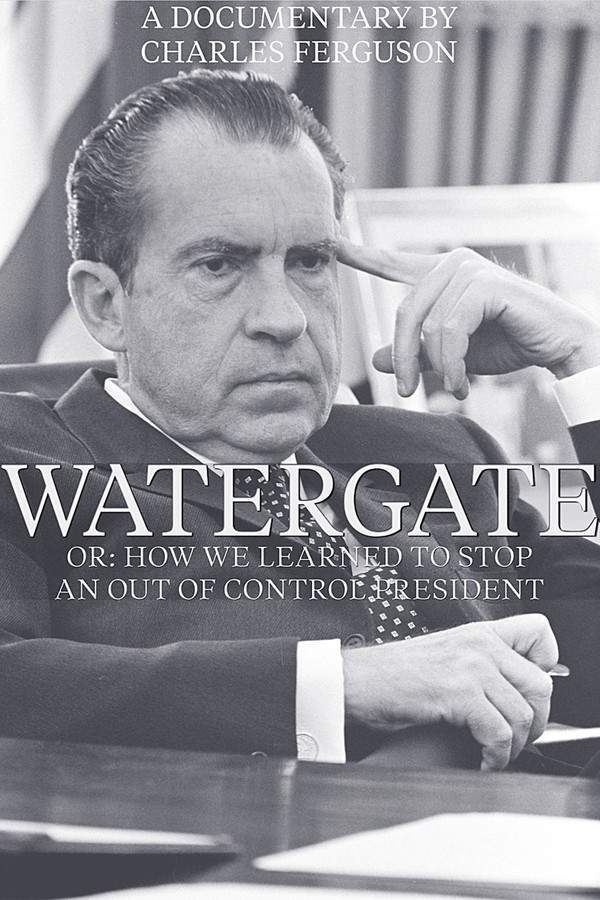
Watergate (2018) Story Summary & Characters
Frost/Nixon (2008) Complete Plot Breakdown
The Assassination of Richard Nixon (2004) Full Movie Breakdown
The Most Dangerous Man in America: Daniel Ellsberg and the Pentagon Papers (2009) Full Summary & Key Details
The Post (2017) Movie Recap & Themes
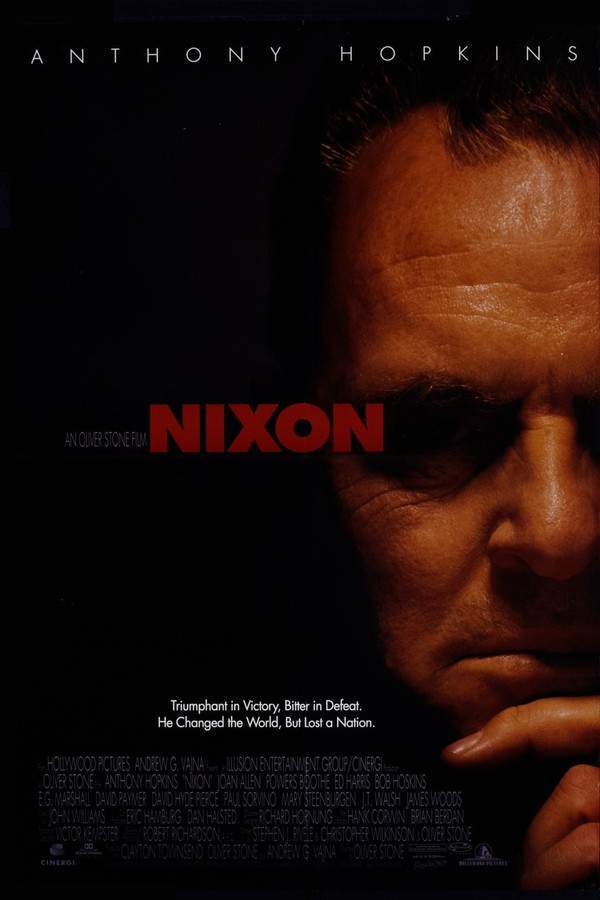
Nixon (1995) Complete Plot Breakdown
18½ (2022) Movie Recap & Themes
Gaslit (1000) Full Summary & Key Details
Watergate: Blueprint for a Scandal (1000) Movie Recap & Themes
White House Plumbers (1000) Movie Recap & Themes
Watergate (1000) Detailed Story Recap
All the King’s Men (1949) Full Summary & Key Details
The Most Dangerous Man in America (2009) Ending Explained & Film Insights
Watergate: High Crimes in the White House (2022) Movie Recap & Themes
Pressure and the Press: The Making of ‘All the President’s Men’ (1976) Movie Recap & Themes