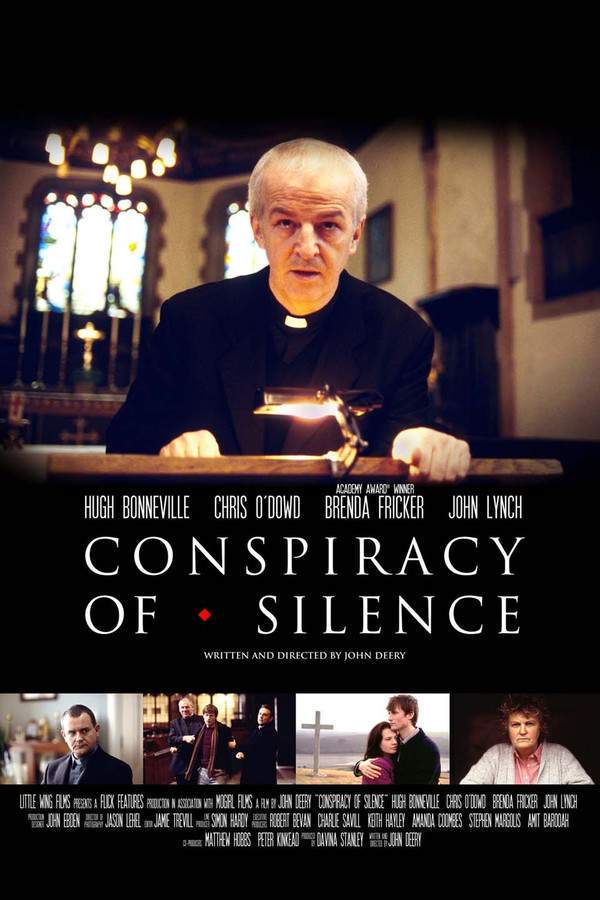
Year: 2004
Runtime: 90 min
Language: English
Director: John Deery
A seminarian's expulsion triggers a series of unsettling events, jeopardizing the silence surrounding the death of a priest. A determined journalist investigates, uncovering a web of secrets and challenging the unwavering loyalty of the community. As the truth emerges, long-held deceptions are exposed, forcing those involved to confront their roles in a deeply unsettling situation and seek a path toward redemption.
Find where to stream, rent, or buy Conspiracy of Silence (2004) in the US with current JustWatch availability, up-to-date pricing, and platform listings for subscription, rental, and digital purchase options.
Warning: spoilers below!
Haven’t seen Conspiracy of Silence yet? This summary contains major spoilers. Bookmark the page, watch the movie, and come back for the full breakdown. If you're ready, scroll on and relive the story!
Explore the full timeline and setting of Conspiracy of Silence (2004). Follow every major event in chronological order and see how the environment shapes the story, characters, and dramatic tension.
Last updated: November 22, 2025 at 15:35
Meet the key characters of Conspiracy of Silence (2004), with detailed profiles, motivations, and roles in the plot. Understand their emotional journeys and what they reveal about the film’s deeper themes.
Last updated: November 22, 2025 at 15:35
Explore the central themes of Conspiracy of Silence (2004), from psychological, social, and emotional dimensions to philosophical messages. Understand what the film is really saying beneath the surface.
Last updated: November 22, 2025 at 15:35
Browse frequently asked questions about Conspiracy of Silence (2004) focused on characters, relationships, themes, symbols, setting, and story context. This movie info FAQ gives spoiler-aware explanations for character arcs, world details, and thematic interpretation so readers can better understand what the film is really about.
The story takes place in a small Irish town where the local seminary serves as the heart of the community. This intimate setting creates tension between everyday religious life and the far-reaching power of the Catholic hierarchy in Vatican City. The contrast between the close-knit parish and the distant, powerful church authority amplifies the theme of institutional control versus individual conscience.
While the exact year is not specified in the film, the movie's context and production style place it in the early 2000s. The technology, media environment, and references to Vatican politics all align with contemporary settings rather than historical periods. This modern era allows the story to address current debates about church policy and media investigation.
The film directly questions who bears responsibility when institutions hide the truth. A journalist's pursuit of public records collides with threats and pressure from church authorities. The story shows how whistleblowing can trigger either reform or retaliation, depending on who holds power. This theme positions the church not as a monolithic moral authority but as an institution capable of concealment and manipulation.
The film explores the conflict between priestly vows and human sexuality through multiple characters. Father Sweeney's secret life as a gay man living with HIV exposes the hypocrisy of enforced celibacy. Daniel's expulsion for his relationship with Sinead further illustrates how the church's stance on sexuality undermines trust. The story uses these intimate relationships to reveal how religious ideals clash with genuine human needs.
The newsroom serves as a battleground where editors weigh the public's right to know against potential harm to individuals. The film examines ethical dilemmas around retractions, the public interest, and responsibility to publish. Journalist David Foley embodies the tension between media duty and personal risk as he pursues the story despite threats. The Vatican protest and subsequent revelations test whether the pursuit of truth serves justice or becomes a form of vengeance.
Father Sweeney is a gay Catholic priest living with HIV whose secret life and subsequent suicide trigger the film's events. His death exposes a wider church scandal involving concealment of his relationship and health status. Through his suicide note, Sweeney reveals an affair that implicates the church hierarchy, making him both a victim of institutional oppression and an unlikely catalyst for truth. His character embodies the human cost of clerical hypocrisy.
David Foley is an investigative journalist who uncovers the connection between Father Sweeney's HIV status and a Vatican protest, tracing these to broader church cover-ups. His pursuit of truth drives the film's revelations, even as he faces threats and pressure to retract his stories. He represents the tension between the media's duty to inform the public and the personal dangers of confronting powerful institutions.
Daniel is a seminarian expelled from the seminary to maintain appearances, torn between his religious calling and his love for ex-girlfriend Sinead. He challenges clerical censorship and later confronts the bishop on-air when the second story is published. His journey represents the choice between institutional conformity and personal integrity, making him a moral center for the film's exploration of faith versus authenticity.
Bishop Michael Quinn is a powerful church figure who uses his influence to suppress dissent and silence the press. He represents institutional defense and moral compromise, refusing to answer questions about celibacy and attempting to bury Sweeney's suicide note. His character embodies how high-ranking church officials prioritize the institution's reputation over transparency and accountability.
Matthew Francis is a former priest and Sweeney's partner who reveals the affair through Sweeney's suicide note. He challenges the bishop directly and acts as a catalyst for exposing painful truths about the church hierarchy. His stance complicates loyalties between faith, personal relationships, and moral obligation, showing how institutional betrayal extends to those closest to the victims.
Discover curated groups of movies connected by mood, themes, and story style. Browse collections built around emotion, atmosphere, and narrative focus to easily find films that match what you feel like watching right now.
When a single investigator challenges a powerful, secretive system.If you were gripped by the investigative journalism in Conspiracy of Silence, this thread features movies where a lone truth-seeker uncovers corruption in powerful, secretive organizations. These tense dramas share a steady pace, heavy emotional weight, and a focus on the moral conflict between individual conscience and institutional power.
The narrative typically begins with a triggering event that hints at a deeper rot. A protagonist, driven by a sense of justice, methodically peels back layers of deception, facing intimidation and risking their safety. The structure is often procedural, revealing secrets step-by-step, culminating in a confrontation that exposes the truth, though the outcome is often bittersweet or morally complex.
Movies in this thread are grouped by their central conflict: an individual versus a monolithic, secretive institution. They share a tense, serious tone, a steady investigative pace, and a heavy emotional weight derived from themes of betrayal, hypocrisy, and the high cost of truth.

Stories where uncovering a painful truth brings a hollow, complex victory.For viewers who appreciated the heavy emotional weight and bittersweet ending of Conspiracy of Silence, this list features similar dramas. These films explore difficult themes like hypocrisy, suicide, and secrecy, culminating in an ending that is partially redemptive but ultimately shadowed by tragedy and loss.
These stories often revolve around a past tragedy or a deeply buried secret that is gradually brought to light. The emotional journey for the characters is one of confronting guilt, shame, or complicity. The climax is the revelation of truth, but the ending acknowledges that some wounds cannot be fully healed, leaving characters and viewers with a complex mix of sadness, relief, and somber reflection.
These films are united by their exploration of heavy, real-world themes and their commitment to a bittersweet emotional resolution. They avoid simple happy endings, instead focusing on the nuanced and painful process of facing truth and seeking redemption in the wake of personal and collective failure.
Don't stop at just watching - explore Conspiracy of Silence in full detail. From the complete plot summary and scene-by-scene timeline to character breakdowns, thematic analysis, and a deep dive into the ending - every page helps you truly understand what Conspiracy of Silence is all about. Plus, discover what's next after the movie.
Read a complete plot summary of Conspiracy of Silence, including all key story points, character arcs, and turning points. This in-depth recap is ideal for understanding the narrative structure or reviewing what happened in the movie.
Track the full timeline of Conspiracy of Silence with every major event arranged chronologically. Perfect for decoding non-linear storytelling, flashbacks, or parallel narratives with a clear scene-by-scene breakdown.
Discover movies like Conspiracy of Silence that share similar genres, themes, and storytelling elements. Whether you’re drawn to the atmosphere, character arcs, or plot structure, these curated recommendations will help you explore more films you’ll love.
Conspiracy of Silence (2004) Plot Summary & Movie Recap
Conspiracy of Silence (2004) Scene-by-Scene Movie Timeline
Conspiracy of Silence (2004) Spoiler-Free Summary & Key Flow
Movies Like Conspiracy of Silence – Similar Titles You’ll Enjoy
The Magdalene Sisters (2003) Plot Summary & Ending Explained
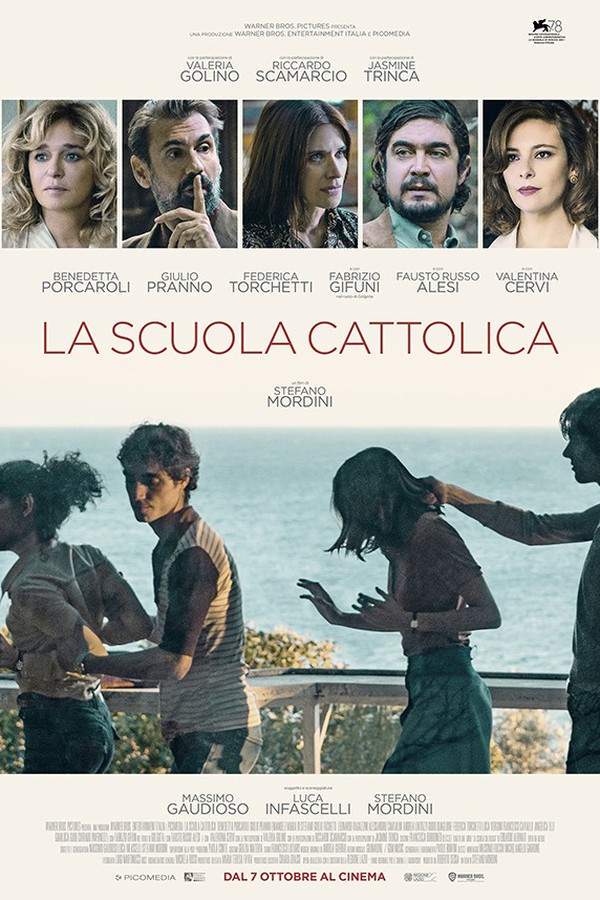
The Catholic School (2022) Film Overview & Timeline
In the Name of the Father (1993) Plot Summary & Ending Explained
The Sacrament (2014) Story Summary & Characters
The Bay of Silence (2020) Detailed Story Recap
Shock to the System (2006) Spoiler-Packed Plot Recap
A Certain Kind of Silence (2019) Ending Explained & Film Insights
Confession (2005) Film Overview & Timeline
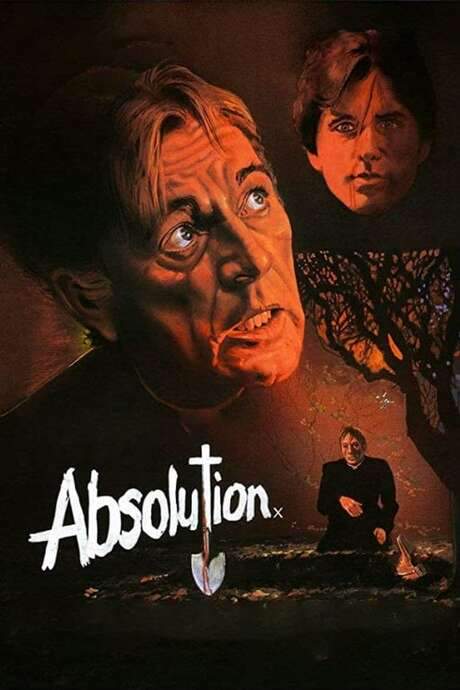
Absolution (1978) Full Movie Breakdown
Priest (1994) Full Summary & Key Details
The Silence (1963) Full Summary & Key Details
The Priest (1978) Full Movie Breakdown
The Conspiracy of Torture (1969) Complete Plot Breakdown
The Devil’s Playground (1976) Spoiler-Packed Plot Recap
Behind Convent Walls (1978) Plot Summary & Ending Explained