Plot Explained Spoilers guaranteed!
Plot Explained

Browse by genre

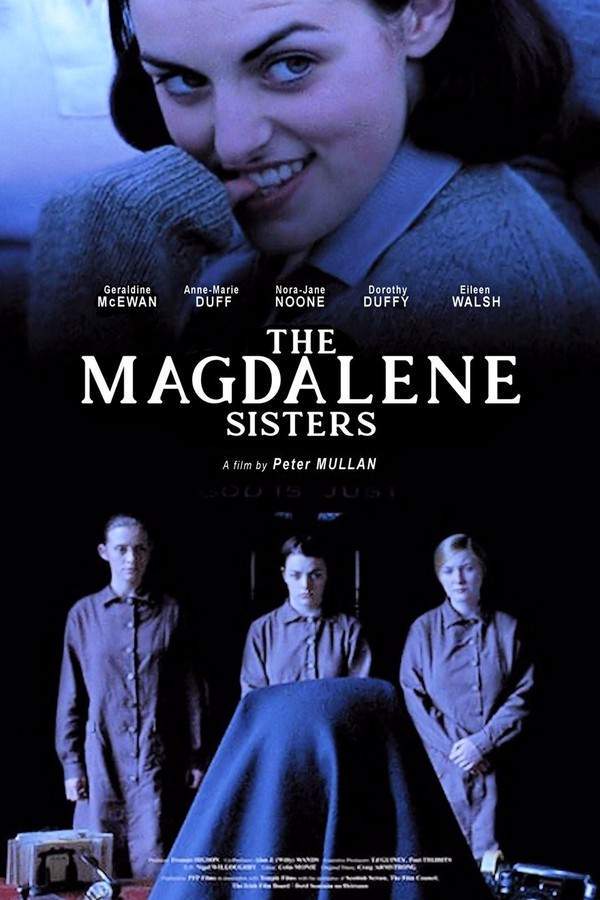
The Magdalene Sisters (2003) movie poster

Plot Summary

The Magdalene Sisters (2003) Plot Summary Explained

Release, runtime and language
2003 · 119 min · English
Directed by
Peter Mullan
Starring
Anne-Marie Duff, Dorothy Duffy, Eileen Walsh, Nora-Jane Noone

In 1964 Ireland, Rose, Bernadette, and Margaret are confined to a Magdalene asylum, a harsh institution run by the Catholic Church. Rose is pregnant outside of marriage, Bernadette is accused of a moral failing, and Margaret suffers from family trauma. They endure grueling labor and the severe discipline of Sister Bridget while desperately seeking a chance at freedom from the oppressive atmosphere of shame and control that defines their existence.

On this page (6)
  1. 1 Where to watch
  2. 2 What happens: full plot
  3. 3 Plot questions answered
  4. 4 Movie threads
  5. 5 Movies like The Magdalene Sisters
  6. 6 Every angle

Where to watch

Where to Watch The Magdalene Sisters (2003)

Where can you watch The Magdalene Sisters? Stream, rent or buy it in the US, including on Hoopla, Kanopy and Amazon Video: current JustWatch availability with up-to-date prices.

Streaming availability powered by JustWatch

Full plot summary · contains spoilers

What Happens in The Magdalene Sisters: Full Plot Summary

The whole story of The Magdalene Sisters (2003) explained, from the opening scene to the final frame: every key event, every twist and what it all adds up to. Read it as a quick recap before the sequel, to check a scene you missed, or to finally understand what really happened.

In 1964 Ireland, women deemed "fallen" are viewed as needing redemption. The story follows the harrowing experiences of four young women: Margaret, who suffers from the trauma of being raped by her cousin; Bernadette, whose striking beauty and flirtatious nature lead to her family's shame; Rose, an unmarried mother; and Crispina, an intellectually challenged unmarried mother. These women find themselves forcefully confined to a Magdalene asylum by their families and caretakers.

The film starkly reveals the dismal lives these girls endure as inmates, focusing on their cruel daily routines and deplorable conditions in the laundries. The Mother Superior, a figure of terrifying authority, oversees their punishment with brutal fervor. Sister Bridget, played by Eileen Walsh, presents a façade of gentleness, but her cruelty is indisputable. Her sadistic tendencies manifest in harrowing scenes, such as her merciless beating of Rose (also played by Anne-Marie Duff), visible to Bernadette. In another shocking instance, after Una attempts to escape, Sister Bridget cruelly mocks her by shaving her head while laughing at her despair.

The financial exploitation of the asylum system is evident, with Sister Bridget delighting in the revenue generated for the institution, while the women, likened to Mary Magdalene, endure deprivations that include inadequate meals—Sister Bridget enjoys opulent breakfasts while the inmates are left with meager oatmeal. An especially dehumanizing scene showcases the women forced to stand naked after communal showers as the nuns subject them to a grotesque "contest" based on their physical attributes.

The presence of Father Fitzroy, a corrupt priest, amplifies the tragedy, as he sexually abuses Crispina. As time goes on, modernization creeps in with automatic washing machines, heralding the decline of commercial laundries and the eventual unsustainability of the Magdalene institutions.

Amidst the gloom, three girls exhibit resilience against their circumstances. After Margaret is allowed to leave thanks to her younger brother's intervention, she defiantly confronts Sister Bridget, only to fall to her knees in prayer when rebuffed. The surprise of the Mother Superior allows her to pass, highlighting her quiet strength. Meanwhile, Bernadette and Rose come together in a bold escape attempt, wrecking Sister Bridget's office in their quest for freedom. With a mix of suspense and determination, they manage to evade her and receive aid from a compassionate relative. The film concludes on a hopeful note as Rose boards a coach to Liverpool and Bernadette pursues her dream of becoming a hairdresser.

In stark contrast, Crispina's fate is tragic; voiceless due to the abuse she suffered, she spends her life in a mental institution and ultimately succumbs to anorexia at the tender age of 24. Although the script is fictionalized, it draws inspiration from real-life testimony, as captured in the documentary Sex in a Cold Climate, shedding light on the grueling realities faced by these women.

Last updated: November 16, 2024 at 17:08

Was this helpful?

Plot questions answered

The Magdalene Sisters Plot Explained: Your Questions Answered

The questions people ask most about The Magdalene Sisters (2003): what happens in the confusing scenes, why the characters do what they do, the twists, hidden details and what the ending means. Each answer contains spoilers.

Q1

Why was Margaret sent to the Magdalene asylum?

Margaret was sent to the Magdalene asylum because she was raped by her cousin, a trauma that her family viewed as a moral failing requiring redemption. Despite being the victim, the 1964 Irish society treated her as 'fallen' and her family forced her into the asylum to restore the family's honor.

  • margaret
  • rape victim
  • family honor
  • forced confinement
Q2

Why was Bernadette sent to the Magdalene asylum?

Bernadette was sent to the asylum because her striking beauty and flirtatious nature brought shame upon her family. In 1964 Ireland, a woman's perceived immorality, even without any concrete wrongdoing, was enough to justify institutionalization, and her family deemed her presence unacceptable.

  • bernadette
  • beauty
  • family shame
  • societal judgment
Q3

Why was Rose sent to the Magdalene asylum?

Rose was confined to the asylum because she became pregnant outside of marriage, which in 1964 Ireland was considered a severe moral transgression. Unmarried mothers were routinely sent to Magdalene asylums to labor and 'redeem' themselves through hard work while their children were often taken away.

  • rose
  • unmarried mother
  • pregnancy
  • social stigma
Q4

Why was Sister Bridget so cruel to the inmates?

Sister Bridget derived sadistic pleasure from maintaining power over the women, despite presenting a facade of gentleness. She brutalized Rose publicly, shaved Una's head after her escape attempt, and relished the financial exploitation of the women's labor while denying them adequate food. Her cruelty was both personal and systemic.

  • sister bridget
  • cruelty
  • power
  • sadism
  • abuse
Q5

What happened to Crispina at the end of the movie?

Crispina's fate was tragically sealed. After being sexually abused by Father Fitzroy, she became voiceless and was sent to a mental institution where she spent the rest of her short life. She died at age 24 from anorexia, unable to recover from the trauma she endured.

  • crispina
  • mental institution
  • anorexia
  • death
  • abuse
Q6

How did Bernadette and Rose escape from the asylum?

Bernadette and Rose orchestrated a bold escape by wrecking Sister Bridget's office, destroying records and creating a distraction. They then evaded capture and received help from a compassionate relative who aided their departure. Rose escaped to Liverpool while Bernadette pursued her dream of becoming a hairdresser.

  • bernadette
  • rose
  • escape
  • freedom
  • haircutting
Q7

What happened to Margaret after she left the asylum?

Margaret was allowed to leave thanks to her younger brother's intervention. In a moment of quiet defiance, she confronted Sister Bridget before departing, though she unexpectedly fell to her knees in prayer when rebuffed. Her brother advocating for her release was the key to her freedom.

  • margaret
  • brother
  • freedom
  • confrontation
Q8

Why did the Magdalene asylums eventually close down?

The Magdalene asylums became unsustainable as modernization arrived with automatic washing machines. The commercial laundries that depended on inmate labor could no longer compete, and the institutions gradually declined. The film shows this technological shift threatening the very foundation of the oppressive system.

  • modernization
  • washing machines
  • closure
  • decline
Q9

What was the 'contest' scene in the movie about?

The 'contest' was a dehumanizing practice where women were forced to stand naked after communal showers while the nuns evaluated their physical attributes. This grotesque ritual stripped the inmates of all dignity, reducing them to mere bodies to be inspected and judged by their captors.

  • naked
  • contest
  • dehumanization
  • abuse
Q10

Why was Father Fitzroy in the asylum?

Father Fitzroy was a corrupt priest who exploited his position within the Catholic institution to sexually abuse Crispina, one of the most vulnerable inmates. His presence highlighted the systemic abuse that permeated the Magdalene system, where those in religious authority preyed upon the women they were supposed to rehabilitate.

  • father fitzroy
  • priest
  • crispina
  • sexual abuse

Movie threads

More Movies Like The Magdalene Sisters, by Mood & Story

Curated lists built around what makes The Magdalene Sisters tick: the same mood, the same kind of story or the same emotional payoff. Each list explains why these movies belong together.

Movies about fighting oppressive institutions like The Magdalene Sisters

Stories of individuals battling crushing institutions and fighting for their freedom. If you were gripped by the harrowing struggle for freedom in The Magdalene Sisters, this list features similar movies about characters fighting against powerful, unjust systems. These dramas explore themes of survival, resistance, and the quest for dignity within oppressive institutions.

  • oppressive
  • dehumanizing
  • resilient
  • desperate
  • brutal
  • somber
  • Tone: dark, harrowing
  • Pacing: steady, methodical
Why these movies?

The story pattern: These narratives typically follow characters who are trapped within a rigid, often cruel institution. The plot revolves around their daily suffering, small acts of defiance, and the slow, arduous journey towards escape or rebellion, often culminating in a tense climax where freedom is at stake.

Why they belong together: Movies are grouped here for their shared focus on the dynamics of power, control, and resistance within a closed system. They share a dark tone, high emotional intensity, and a central theme of asserting humanity against systematic attempts to erase it.

Unflinching exposé dramas similar to The Magdalene Sisters

Gritty, realistic films that pull back the curtain on systemic cruelty and suffering. For viewers who appreciated the brutal honesty and social critique of The Magdalene Sisters, this section lists similar movies that expose harsh realities. These films are characterized by their straightforward, impactful storytelling and their heaviness, focusing on themes of trauma and injustice.

  • harrowing
  • somber
  • brutal
  • unflinching
  • sobering
  • critical
  • Tone: dark, somber
  • Pacing: steady, deliberate
Why these movies?

The story pattern: These stories often unfold in a linear, straightforward manner, presenting a series of incidents that cumulatively build a damning case against a person, system, or societal norm. The focus is less on complex plot twists and more on the raw, emotional impact of witnessing injustice.

Why they belong together: These films are united by their commitment to revealing uncomfortable truths. They share a dark tone, a steady, deliberate pacing that lets the gravity of the subject matter sink in, and a primary goal of creating awareness and empathy through a heavy, impactful narrative.

If you liked this

Movies Like The Magdalene Sisters

Similar movies to The Magdalene Sisters: the same genre, themes or kind of story. Each one comes with its own plot summary, timeline and ending explained.

Browse all movie summaries

Every angle

The Magdalene Sisters (2003) Explained: Plot, Timeline & Characters

Everything about The Magdalene Sisters in one place: what happens in the plot summary, the timeline in chronological order, the characters and meaning and a spoiler-free summary. What's After the Movie adds the cast, box office and post-credit scenes.

Coming soon on iOS and Android

The Plot Explained Movie Summary App

Plot summaries, endings explained and timelines on your phone. Catch up on any movie in minutes, save your favorites and never miss a twist again.

Be the first to know when we launch. Your email stays private, always.

Learn more about the app