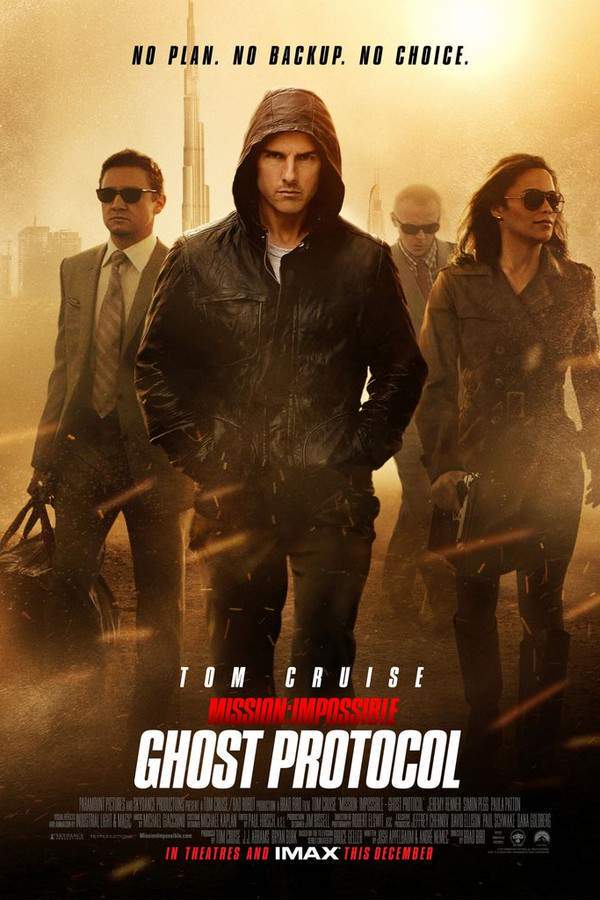
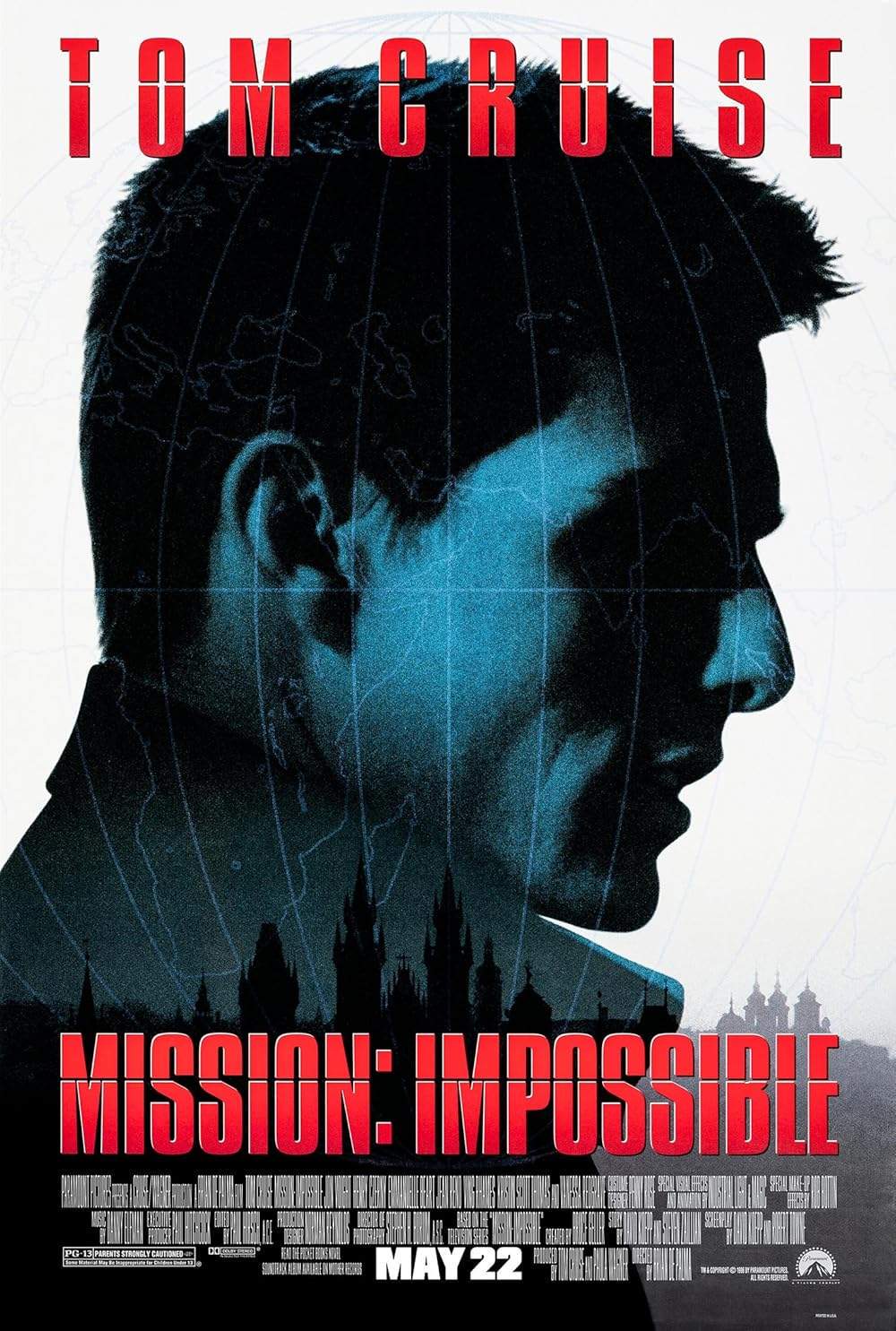
At the end of Mission: Impossible – The Final Reckoning, Ethan Hunt chooses to go into hiding with the digital Entity he has fought so hard to contain. Despite his victory over the artificial intelligence and the chaos caused by Gabriel’s attempts to control it, Ethan’s actions suggest he accepts a solitary existence to keep the technology out of anyone’s reach. He is still seen as a wanted man by his own government, but instead of risking further chaos, he takes responsibility for safeguarding the Entity by hiding it himself.
This quiet retirement allows Ethan to fulfill a final mission—protecting the world from the potential dangers the Entity still represents. Rather than turning it over to the authorities or allowing others to misuse it, he chooses to be its guardian. The film hints that Ethan recognizes this sacrifice as part of his destiny, symbolizing his commitment to prevent a catastrophe while quietly withdrawing from the limelight.
Meanwhile, the film concludes with a sense of hope for the future. Many members of Ethan’s team survive and even expand, with new recruits ready to carry the torch. Although Luther sacrifices himself to save London, his legacy and Ethan’s enduring spirit continue. The world remains fragile, still teetering on the edge of conflict, but the IMF persists in the shadows, prepared to step back into action if needed.
This ending celebrates Ethan Hunt’s journey—not with a heroic final stand or a dramatic death, but with the quiet dignity of a man who has chosen to protect the world from unseen threats, ensuring that the mission—and his legacy—end in a way that aligns with his beliefs. It also underscores the film’s broader message about human ingenuity and heroism confronting the rise of artificial intelligence.
At the end of Mission: Impossible – The Final Reckoning, Ethan Hunt has effectively gone into hiding, choosing to carry the digital Entity himself rather than turn it over to any government or organization. Despite having defeated Gabriel and contained the AI within a secure drive, Ethan’s decision signals a quiet acceptance of his role as a protector from the shadows. His choice to become the guardian of the Entity allows him to ensure it doesn’t fall into the wrong hands, even as the world remains in a fragile state, teetering on the brink of renewed conflict.
Ethan's team survives and carries forward a new phase for the IMF, with members like Benji stepping into leadership roles and new recruits, including former enemies, joining the fold. Luther’s sacrifice, though tragic, leaves a lasting impact, highlighting the high stakes and sacrifices made along the way. While Ethan’s departure from the public eye provides a fitting end for his character, the world continues to face potential danger, and the IMF, now rebuilt, remains ready to act if necessary.
This ending echoes a deeper theme: Ethan’s victory is not just over the immediate threats but also a statement about the human spirit’s resilience against technological threats. His quiet retirement symbolizes the idea that heroism often comes in unseen forms—protecting the world from the shadows—while tying into Tom Cruise’s personal stance on the importance of human effort and heroism amid rising concerns about artificial intelligence. In this way, Ethan Hunt’s story concludes not with a final battle or a grand farewell, but with a peaceful acknowledgment that sometimes the hero’s most significant act is to step back and safeguard the future in silence.