Plot Explained Spoilers guaranteed!
Plot Explained

Browse by genre

21 Grams (2003) movie poster

Plot Summary

21 Grams (2003) Plot Summary Explained

Release, runtime and language
2003 · 124 min · English
Directed by
Alejandro González Iñárritu
Starring
Benicio Del Toro, Naomi Watts, Sean Penn
Budget
$20M

Three strangers' lives become unexpectedly intertwined following a devastating car accident. Paul Rivers, a professor facing a terminal illness, finds his world irrevocably altered. Ex-con Jack Jordan and Cristina Peck, whose husband is involved, also experience profound changes. As the investigation unfolds and hidden truths surface, each character confronts their past and searches for meaning in the wake of loss and unexpected connections.

On this page (7)
  1. 1 Where to watch
  2. 2 What happens: full plot
  3. 3 Plot questions answered
  4. 4 Movie threads
  5. 5 Movies like 21 Grams
  6. 6 Categories
  7. 7 Every angle

Where to watch

Where to Watch 21 Grams (2003)

Where can you watch 21 Grams? Stream, rent or buy it in the US, including on Amazon Video, Apple TV Store and Fandango At Home: current JustWatch availability with up-to-date prices.

Streaming availability powered by JustWatch

Full plot summary · contains spoilers

What Happens in 21 Grams: Full Plot Summary

The whole story of 21 Grams (2003) explained, from the opening scene to the final frame: every key event, every twist and what it all adds up to. Read it as a quick recap before the sequel, to check a scene you missed, or to finally understand what really happened.

The narrative unfolds in a non-linear structure, yet here’s a chronological overview of the gripping story:

Jack Jordan (Benicio Del Toro), a reformed ex-convict, strives to rebuild his life by embracing a newfound religious faith that helps him combat his struggles with drug addiction and alcoholism. Simultaneously, Paul Rivers (Sean Penn), a mathematics professor, faces a life-threatening reality with a fatal heart condition that leaves him with mere weeks to live unless he finds a suitable organ donor. The tension in his marriage is palpable as his wife pressures him to consider sperm donation, determined to have a child even after his passing, resulting in a civil yet distant connection between them.

In contrast, we meet Cristina Peck (Naomi Watts), a dedicated mother and recovering addict, now enjoying a tranquil suburban lifestyle with her loving husband and their two children. Her new life, filled with joy and the pursuit of swimming, starkly contrasts with her past filled with chaos and addiction. However, the fates of these three characters intertwine one fateful evening when Jack, tragically and recklessly, takes the lives of Cristina's husband and children in a hit-and-run incident.

The repercussions of this horrifying event spiral out of control: Cristina is left heartbroken and strives to numb her pain through drugs and alcohol once again. On the other hand, Paul, now with a new heart, clings to the hope of life beyond his surgery, but feels conflicted about his wife’s wishes for artificial insemination. A shocking revelation about an abortion during their separation drives a wedge between them, leading Paul to sever ties.

Haunted by guilt, Jack grapples with the aftermath of his actions. Despite urging from his wife to remain silent, he ultimately confesses, believing that his "duty is to God." His prison life is punctuated by despair, but upon his release—after Cristina decides against pressing charges—he finds it impossible to reintegrate into society and instead becomes a wandering laborer.

Paul, meanwhile, tracks down Cristina, revealing their intertwined lives, and the desperate duo begins to form a connection. As Paul faces complications from his surgery, Cristina wrestles with her grief and a burgeoning desire for vengeance against Jack, eventually persuading Paul to assist her in orchestrating Jack's murder.

The tension mounts as Paul arranges a confrontational meeting with Jack at a motel where he has been staying. In a pivotal moment, with Paul holding a gun, he confronts Jack but falters, instructing him simply to "just disappear" instead of pulling the trigger. This moment of hesitation leads to disastrous consequences when Jack unexpectedly appears at Paul and Cristina's motel later that night, urging Paul to end his life out of remorse. A violent struggle ensues, culminating in Paul suffering a heart attack and accidentally shooting himself in a frantic attempt to escape asphyxiation.

In a desperate bid for help, Jack and Cristina rush Paul to the hospital, and in an act of self-sacrifice, Jack claims responsibility for the shot but is released due to lack of evidence. The unresolved tension between Cristina and Jack hangs heavy in the air, and after Paul’s death, Cristina discovers she is pregnant. The story closes with her tentatively embracing the prospect of motherhood again, preparing a room once filled with her daughters’ memories, while Jack attempts to reintegrate and find peace within his own haunted past.


Last updated: November 03, 2024 at 23:24

Was this helpful?

Plot questions answered

21 Grams Plot Explained: Your Questions Answered

The questions people ask most about 21 Grams (2003): what happens in the confusing scenes, why the characters do what they do, the twists, hidden details and what the ending means. Each answer contains spoilers.

Q1

Why did Jack confess to the hit-and-run if it meant going back to prison?

Jack confessed because his religious faith convinced him it was his duty to God. Despite his wife's urging him to remain silent, Jack believed he could not live with the guilt of his sin without confessing. His religious conviction outweighed the practical consequence of returning to prison, making confession a moral imperative rather than a strategic choice.

Foreshadowing: Jack's earlier reliance on faith as a pillar of strength foreshadows his decision to prioritize spiritual duty over self-preservation.

  • jack jordan confession
  • hit-and-run guilt
  • religious duty
  • 21 grams plot
Q2

Whose heart did Paul receive in the transplant?

Paul received a heart transplant, and while the film doesn't explicitly name the donor, the narrative implies it came from one of Cristina's family members killed in the hit-and-run. This explains why Paul tracks down Cristina later, their lives became literally intertwined through the organ donation, adding tragic irony to their connection.

Foreshadowing: The timing of Paul's transplant shortly after the accident strongly suggests the donated heart came from the tragedy that connects all three characters.

  • heart transplant
  • organ donor
  • paul rivers
  • heart condition
Q3

Why did Paul hesitate and let Jack go at the motel instead of killing him?

Paul hesitated because, despite his desire for vengeance alongside Cristina, he couldn't bring himself to commit murder. When faced with the actual act of killing an unarmed man, Paul's moral compass won over his thirst for revenge. He told Jack to 'just disappear' instead, unable to pull the trigger in that moment of confrontation.

Foreshadowing: Paul's earlier moral struggles with his wife's pressure for sperm donation and his decision to leave her show a man conflicted between doing what he believes is right and what emotion demands.

  • paul jack confrontation
  • motel scene
  • vengeance
  • moral dilemma
Q4

How did Jack find Paul and Cristina at the motel?

The film doesn't explicitly explain how Jack located them, but it's implied he either tracked them down through guilt and desperation or simply wandered there by chance. His unexpected return suggests he was consumed by remorse and seeking some form of resolution or punishment for his actions, though the exact method of his arrival remains ambiguous.

Foreshadowing: Jack's earlier confession despite the consequences shows his compulsion to face the people he harmed, making his appearance at the motel consistent with his guilt-driven behavior.

  • jack arrives motel
  • paul cristina location
  • search for jack
Q5

What caused Paul to accidentally shoot himself at the motel?

Paul suffered a heart attack during the struggle with Jack. In a frantic attempt to escape the asphyxiation and panic of the moment, he accidentally shot himself. His pre-existing heart condition, combined with the physical and emotional trauma of the confrontation, triggered the cardiac event that led to the accidental discharge of the gun.

Foreshadowing: Paul's terminal heart condition established earlier in the film makes this moment a tragic fulfillment of his mortality, with his weakened heart failing under extreme stress.

  • paul dies
  • heart attack
  • shooting
  • accidental shot
  • motel struggle
Q6

Why did Cristina decide not to press charges against Jack after his release?

Cristina chose not to press charges because pursuing legal action would require her to relive the trauma publicly and keep the tragedy at the forefront of her life. By releasing Jack without charges, she paradoxically freed herself from the ongoing cycle of grief and legal proceedings, though this decision also enabled her to pursue her own means of justice through the murder plot with Paul.

Foreshadowing: Cristina's relapse into addiction after the accident shows her inability to cope with the legal system's slow process, suggesting her decision to bypass it entirely.

  • cristina presses charges
  • jack released
  • legal decision
  • grief
Q7

How did Paul and Cristina meet and decide to plan Jack's murder together?

Paul tracked down Cristina after learning their lives were connected through the organ donation. When they met, they discovered a shared bond in their mutual suffering, Paul from receiving a heart from her deceased family member, and Cristina from losing them. This connection, combined with their combined grief and desire for vengeance against Jack, led them to form an unlikely partnership and eventually a romantic relationship built on revenge.

Foreshadowing: The revelation about Paul's new heart and its likely origin in Cristina's family creates the crucial link that brings these two broken characters together.

  • paul cristina meet
  • vengeance plot
  • murder plan
  • jack revenge
Q8

What happened to Paul's wife after their separation?

Paul's wife is last seen when Paul discovers she had an abortion during their separation, which drives a permanent wedge between them. After this revelation, Paul leaves her and their marriage effectively ends. The film doesn't provide further details about her fate, but Paul's decision to sever ties suggests complete abandonment of their relationship, leaving her storyline unresolved.

Foreshadowing: The tension around sperm donation and Paul's refusal to comply with his wife's wishes for a child foreshadows the breakdown of their marriage when the abortion secret is revealed.

  • paul wife
  • abortion
  • marriage ended
  • separation
Q9

Why did Jack return to the motel after Paul told him to leave?

Jack returned because he was overwhelmed by guilt and sought either punishment or absolution. Rather than simply disappearing as Paul instructed, Jack came back hoping Paul would kill him, an act of suicide by proxy that he believed would finally free him from his torment. His appearance was an extension of his religious conviction that he deserved to suffer for his sin.

Foreshadowing: Jack's earlier confession despite knowing it would cost him his freedom demonstrates his belief that he must face direct consequences, not escape them.

  • jack returns
  • motel night
  • guilt
  • seek punishment
Q10

What does Cristina's pregnancy at the end signify?

Cristina's pregnancy at the end represents both hope and tragic irony. The baby is likely Paul's, conceived during their brief relationship. It offers her a tentative path toward new life and motherhood after losing her family, but it's overshadowed by Paul's death and the unresolved trauma with Jack. The bittersweet ending suggests life continues despite overwhelming loss, though the child will grow up without a father.

Foreshadowing: The earlier tension about Paul's wife wanting children versus Paul's refusal creates an ironic reversal, Cristina ends up pregnant after Paul dies, fulfilling a reproductive theme that haunted the film.

  • cristina pregnant
  • ending
  • hope
  • new life
  • 21 grams ending
Q11

What does the title 21 Grams refer to?

The title '21 Grams' refers to the approximate weight of the human soul, based on a disputed early 20th-century experiment. This connects to the film's themes of mortality, organ transplants, and the idea that something essential transfers between people, in Paul's case, literally through the heart he receives. The weight of the soul becomes metaphorically linked to how the characters carry guilt, grief, and moral weight throughout the film.

Foreshadowing: The transplant of a heart from one person to another literalizes the concept of transferring something essential, making the title thematically central to Paul's journey.

  • 21 grams title
  • weight of soul
  • meaning
  • title significance
Q12

Why does the film use a non-linear narrative structure?

The fragmented timeline deliberately reflects the emotional and psychological experience of the characters. By jumping between past and present, the film mirrors how grief, guilt, and trauma are not experienced chronologically but in fragmented, overlapping waves. This structure forces viewers to piece together the causal connections themselves, creating a more immersive and emotionally destabilizing experience that aligns with the characters' fractured mindsets.

Foreshadowing: The opening fragments that introduce key events out of order establish early on that this is a story about reassembling truth from emotional chaos.

  • nonlinear structure
  • fragmented timeline
  • narrative technique
  • plot order

Movie threads

More Movies Like 21 Grams, by Mood & Story

Curated lists built around what makes 21 Grams tick: the same mood, the same kind of story or the same emotional payoff. Each list explains why these movies belong together.

Movies with nonlinear storytelling like 21 Grams

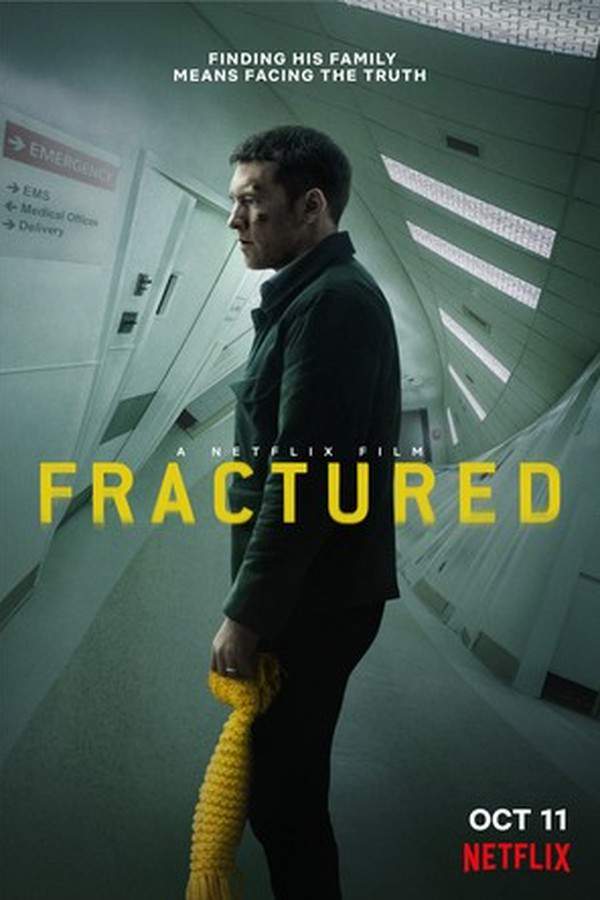
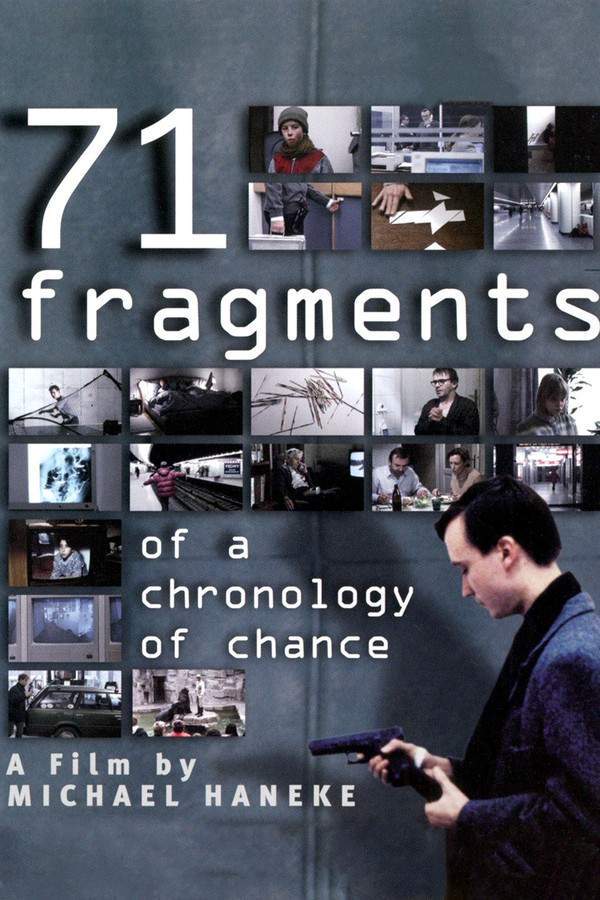
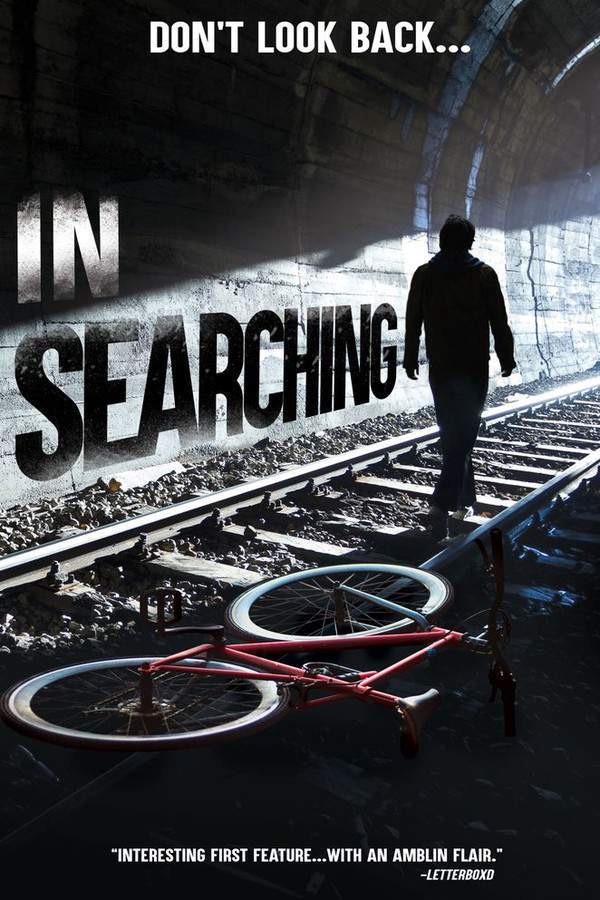
Stories where a shattered timeline reflects the broken lives of its characters. For viewers who appreciated the intricate, time-shifting narrative of 21 Grams, this list features similar movies where fractured timelines are used to deepen emotional impact. These films explore themes of fate and tragedy through a complex structure, creating a powerful, puzzle-like viewing experience for fans of sophisticated drama.

  • nonlinear
  • fate-driven
  • grief-stricken
  • thought-provoking
  • anxious
  • revelatory
  • Tone: tense, melancholic, raw
  • Pacing: variable, deliberate
Why these movies?

The story pattern: Stories in this thread are defined by their non-chronological presentation, often jumping between past, present, and future to build suspense and reveal character motivations in a deliberate, impactful order. The plot structure itself becomes a metaphor for memory, regret, and the interconnectedness of lives, forcing the audience to actively engage with the material to understand the full emotional weight.

Why they belong together: These movies are grouped together because they share a commitment to complex storytelling where form follows function. The non-linear pacing is central to creating a specific mood of unease and revelation, and the themes consistently revolve around coping with past trauma and the seemingly random hand of fate.

Morally complex dramas about grief like 21 Grams

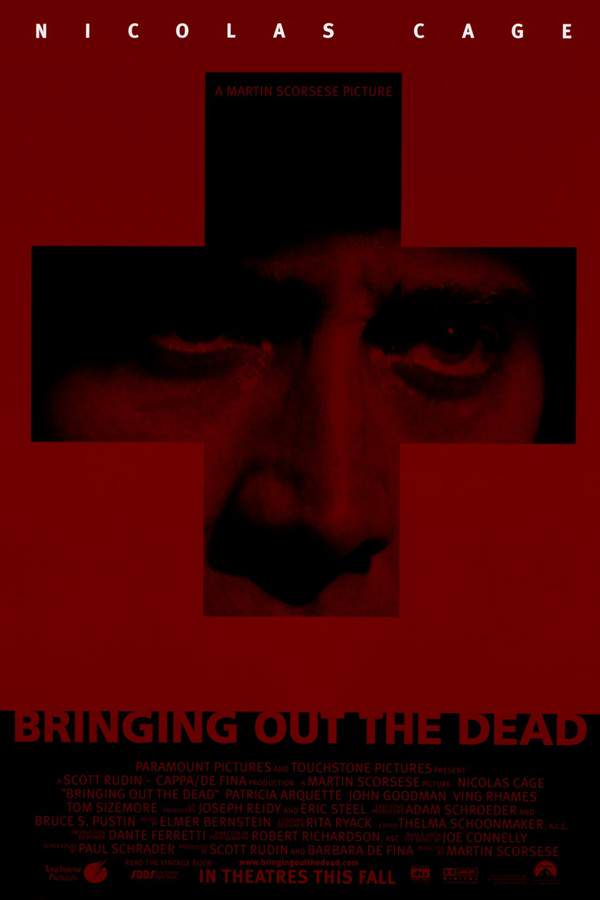
Character-driven dramas where profound loss leads to desperate searches for meaning. If you were moved by the heavy emotional weight and moral dilemmas in 21 Grams, this collection features similar intense dramas. These movies follow characters shattered by loss on a difficult path, exploring themes of guilt, addiction, and the possibility of redemption in a harsh, unforgiving world.

  • guilt-ridden
  • sorrowful
  • desperate
  • raw
  • morally ambiguous
  • emotionally draining
  • Tone: bleak, tense, desperate
  • Pacing: steady, grim
Why these movies?

The story pattern: The narrative pattern typically begins with a catastrophic event that shatters the protagonist's world. The story then follows their downward spiral into guilt and despair, often involving self-destructive behavior, before posing a difficult moral choice that offers a faint chance at redemption. The endings are often bittersweet, acknowledging the scars of trauma while offering a glimmer of change.

Why they belong together: These films share a heavy, tense atmosphere and a focus on the psychological unraveling of deeply flawed characters. They are united by their exploration of weighty themes like guilt and redemption, a consistently high emotional intensity, and a raw, unflinching look at human suffering and the difficult path toward healing.

If you liked this

Movies Like 21 Grams

Similar movies to 21 Grams: the same genre, themes or kind of story. Each one comes with its own plot summary, timeline and ending explained.

Browse all movie summaries

Categories

Movie Lists Featuring 21 Grams

21 Grams appears in these hand-built movie categories. Each one groups movies by a specific mood, theme or story type, with their plot summaries and endings explained.

View all movie categories

Every angle

21 Grams (2003) Explained: Plot, Timeline & Characters

Everything about 21 Grams in one place: what happens in the plot summary, the timeline in chronological order, the characters and meaning and a spoiler-free summary. What's After the Movie adds the cast, box office and post-credit scenes.

Coming soon on iOS and Android

The Plot Explained Movie Summary App

Plot summaries, endings explained and timelines on your phone. Catch up on any movie in minutes, save your favorites and never miss a twist again.

Be the first to know when we launch. Your email stays private, always.

Learn more about the app