Plot Explained Spoilers guaranteed!
Plot Explained

Browse by genre

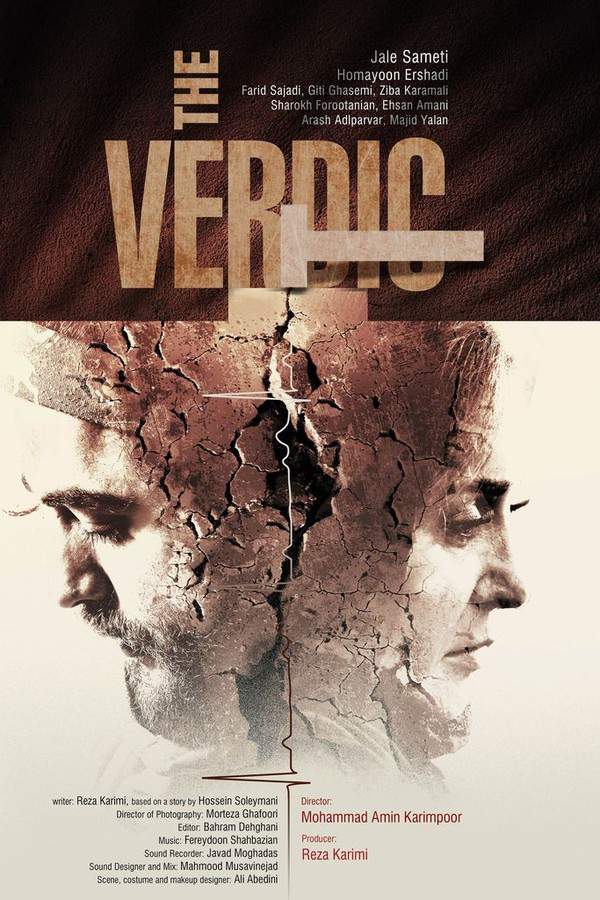
The Verdict (1982) movie poster

Plot Summary

The Verdict (1982) Plot Summary Explained

Release, runtime and language
1982 · 129 min · Persian
Directed by
Sidney Lumet
Starring
Paul Newman, Jack Warden, Charlotte Rampling, James Mason, Edward Binns, Lindsay Crouse

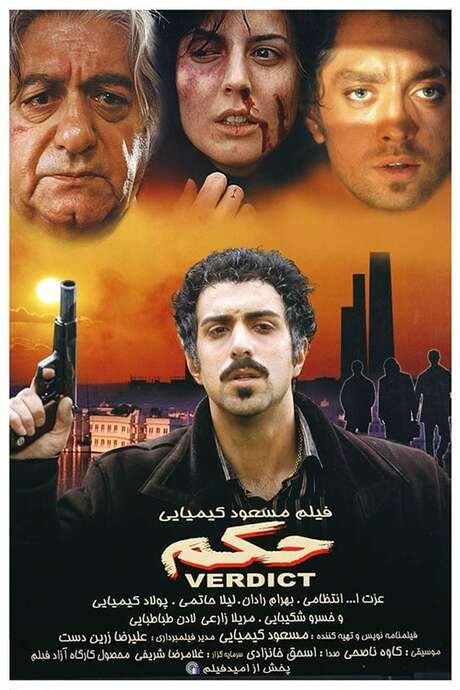
Wrongfully accused of murdering his beloved, Arash languishes in prison, maintaining his innocence to his grieving mother, Fereshteh. Determined to prove his innocence, they enlist the help of a skilled lawyer to investigate the case and uncover the truth. Their quest for justice leads them through a complex web of doubt and uncertainty as they fight to clear Arash's name and expose the real killer.

On this page (6)
  1. 1 Where to watch
  2. 2 What happens: full plot
  3. 3 Plot questions answered
  4. 4 Movie threads
  5. 5 Movies like The Verdict
  6. 6 Every angle

Where to watch

Where to Watch The Verdict (1982)

Where can you watch The Verdict? Stream, rent or buy it in the US, including on Amazon Video, Apple TV Store and Fandango At Home: current JustWatch availability with up-to-date prices.

Streaming availability powered by JustWatch

Full plot summary · contains spoilers

What Happens in The Verdict: Full Plot Summary

The whole story of The Verdict (1982) explained, from the opening scene to the final frame: every key event, every twist and what it all adds up to. Read it as a quick recap before the sequel, to check a scene you missed, or to finally understand what really happened.

Frank Galvin, once a promising lawyer, now finds himself entrenched in self-destructive practices as an ambulance chaser. His fortunes change when he receives a medical malpractice case from his former partner, Mickey Morrissey. This case seems foolproof: a young woman has been left in a comatose state after being anesthetized during childbirth at a Catholic hospital, only to tragically choke on her own vomit. The woman's family hopes to secure a settlement that will assist in her ongoing care. Upon his first encounter with the victim, Galvin is deeply affected, grappling with both his emotions and the weight of the case.

As he navigates the intricacies of the trial, the Catholic diocese offers a settlement of $210,000 (an equivalent of about $675,000 today), which Galvin surprisingly turns down, opting instead to take the fight to court. This shocking move leaves everyone—both opposing counsel and the judge—taken aback. Amid his chaotic preparations, he meets Laura Fischer at a local bar, where an intimate bond begins to form.

However, Galvin's journey is far from smooth. The opposing lawyer, Ed Concannon, leads a formidable legal team adept at swaying public sentiment. Tensions escalate when the comatose woman’s brother-in-law confronts Galvin with wrath after discovering the rejected settlement offer. Matters grow worse as Galvin's medical expert mysteriously vanishes, leaving him to grapple with a last-minute replacement whose credentials are dubious at best. Compounding the challenges is a lack of willing testimonies from operating room staff, all reluctant to admit that any negligence took place.

As the trial unfolds, Judge Hoyle confronts Galvin, threatening disbarment in a private meeting. Galvin retorts by branding the judge as merely a puppet of the local political elite, one who was unsuccessful in practicing law himself. Undaunted, Hoyle refuses to grant Galvin's mistrial request, issuing a warning about potential arrest. Fueled by frustration, Galvin storms from the courtroom, grappling with the mounting pressures.

Determined to pursue justice, he becomes fixated on Kaitlin Costello, an admitting nurse, after a seemingly innocuous question on her report catches his eye: "When did you last eat?" This curiosity leads him and Morrissey down an unexpected path, revealing that Kaitlin has transitioned to being a preschool teacher in New York City. However, just when Galvin's hopes begin to rise, Morrissey discovers that she is receiving payment from Concannon for inside information, a betrayal that shatters trust and culminates in an altercation between Galvin and Laura at a bar.

As the courtroom exchanges intensify, Morrissey suggests filing for a mistrial due to Concannon’s ethical breach, but Galvin opts to continue the fight. When Kaitlin finally takes the stand, her testimony contradicts the patient record, stating the nine-hour gap since the last meal before admission. Concannon’s incredulity is palpable as he questions the validity of her claims. In a dramatic turn, Kaitlin discloses that she had made a photocopy of the initial record just hours before being coerced to modify it by higher-ups, who threatened her job if she did not comply. Although Concannon raises objections citing the original record as authoritative, Hoyle permits Kaitlin to continue her testimony.

The courtroom is rocked when Kaitlin exposes that the anesthesiologist had admitted to neglecting the patient’s notes, opting to administer general anesthesia despite the woman having eaten shortly before the procedure. This critical error resulted in the woman's tragic choking incident, which only became evident to the anesthesiologist once he recognized the catastrophe he had caused. Under duress from his superiors, he had threatened Kaitlin into fabricating the records.

After Kaitlin's dismissal, Concannon repeats his objections based on the original hospital records. Hoyle concurs and removes Kaitlin's testimony from the proceedings, leaving the plaintiff's case in disarray. As the courtroom empties, a diocesan lawyer praises Concannon's performance to a bishop, who appears skeptical about the complete validity of Kaitlin's account.

Despite the odds stacked against him, Galvin delivers a heartfelt closing statement, pouring every ounce of effort into the performance for his clients. In a surprising verdict, the jury rules in favor of the plaintiffs, and the foreman inquires about the possibility of awarding additional compensation beyond what had been asked.

As he leaves the courtroom feeling triumphant, Galvin catches a glimpse of Laura across the atrium, her gaze filled with a blend of admiration and yearning. That evening, while she enjoys whiskey in her office, an unexpected distraction causes her to spill her drink as she anxiously retrieves her phone. Filled with urgency, she dials Galvin's office, but her call goes unanswered, leaving her alone with her thoughts.

Last updated: November 19, 2024 at 21:02

Was this helpful?

Plot questions answered

The Verdict Plot Explained: Your Questions Answered

The questions people ask most about The Verdict (1982): what happens in the confusing scenes, why the characters do what they do, the twists, hidden details and what the ending means. Each answer contains spoilers.

Q1

Why did Frank Galvin reject the $210,000 settlement offer?

Galvin rejected the settlement because he became personally affected by the victim's case during his first encounter with her family. After seeing the comatose woman and understanding the devastating impact on her family, he decided to pursue the case in court rather than accept what he viewed as an insufficient amount that would not truly address the harm done. This decision surprised everyone, including opposing counsel and the judge, because the settlement appeared to be a safe outcome.

Foreshadowing: Earlier in the film, Galvin is shown as a self-destructive figure who has lost his promising career, and his decision to reject the settlement marks his first step toward redeeming himself.

  • settlement offer
  • court case
  • medical malpractice
  • redemption
Q2

Who is Laura Fischer and what is her relationship with Frank Galvin?

Laura Fischer is a woman Galvin meets at a local bar during his trial preparations. Their relationship develops into an intimate bond, providing Galvin with emotional support during the stressful trial. However, their relationship becomes strained when Galvin discovers that Kaitlin Costello has been betraying him, leading to a heated argument between Laura and Galvin. At the end of the film, Laura watches Galvin leave the courtroom victoriously, but her expression suggests unresolved feelings, and she attempts to call him with urgency that goes unanswered.

  • Laura Fischer
  • relationship
  • romantic subplot
  • bar scene
Q3

Why was Kaitlin Costello's testimony dismissed from the record?

After Kaitlin exposed critical information about the anesthesiologist's negligence, Concannon objected by citing the original hospital records as authoritative. Judge Hoyle agreed with the objection and ruled that Kaitlin's testimony, which contradicted the official records, would be removed from the proceedings. This ruling severely damaged Galvin's case by eliminating the key evidence that demonstrated medical negligence.

  • Kaitlin Costello
  • testimony
  • Judge Hoyle
  • object
  • hospital records
Q4

What medical error caused the young woman to become comatose?

Kaitlin testified that the anesthesiologist had neglected to review the patient's notes before administering anesthesia. The woman had eaten shortly before the procedure, which should have prevented the use of general anesthesia. Instead, the anesthesiologist administered general anesthesia despite the risks, causing the woman to choke on her own vomit while unconscious. When the anesthesiologist realized what had happened, he was coerced by his superiors to threaten Kaitlin into fabricating the medical records to cover up the negligence.

  • anesthesiologist
  • general anesthesia
  • choking
  • medical negligence
  • comatose
Q5

Why did the jury rule in favor of the plaintiff despite the case appearing hopeless?

Despite Galvin losing his medical expert, Kaitlin's testimony being dismissed, and facing formidable opposition from Concannon's legal team, the jury still ruled for the plaintiff. Galvin delivered a passionate closing statement that resonated emotionally with the jury, appealing directly to their sense of justice for the comatose victim and her family. The verdict was surprising given the circumstances, suggesting the jury was moved by Galvin's genuine dedication to the case and the inherent wrongness of the hospital's actions.

  • jury verdict
  • closing argument
  • plaintiff
  • unexpected outcome
Q6

Why did Judge Hoyle threaten to disbar Frank Galvin?

Judge Hoyle confronted Galvin in a private meeting and threatened disbarment, attempting to assert his authority over the chaotic courtroom. Galvin responded by accusing the judge of being a puppet for local political elites who was unsuccessful in practicing law himself. This confrontation reflected the broader theme of corruption and political influence within the legal system, as Hoyle was aligned with the powerful interests behind the Catholic diocese.

  • Judge Hoyle
  • disbarment
  • threat
  • corruption
  • political influence
Q7

What happened to Galvin's medical expert witness?

Just as the trial was set to begin, Galvin's medical expert mysteriously vanished, leaving him scrambling for a last-minute replacement. The summary does not explain exactly what happened to the original expert or who was responsible for their disappearance, but the timing suggests possible interference from Concannon's legal team to weaken Galvin's case. The replacement expert had dubious credentials, making Galvin's position even more precarious.

  • medical expert
  • vanished
  • replacement
  • trial
Q8

Why did Kaitlin Costello modify the hospital records?

Kaitlin testified that she was coerced by hospital superiors to modify the records. They threatened to fire her if she did not comply. She had made a photocopy of the original record just hours before being forced to alter it, which later became crucial evidence. This coercion revealed the systematic attempt to cover up the anesthesiologist's negligence.

  • Kaitlin Costello
  • modified records
  • coercion
  • hospital cover-up
Q9

What happened between Frank Galvin and Laura Fischer at the end of the film?

After winning the case, Galvin leaves the courtroom and sees Laura across the atrium looking at him with admiration and yearning. That evening, Laura is alone in her office drinking whiskey when she suddenly becomes anxious, spills her drink, and urgently calls Galvin's office. Her call goes unanswered, leaving her alone with her thoughts. This ending suggests unresolved romantic tension between them, with Laura wanting to reconnect but Galvin being unreachable, leaving their relationship's future uncertain.

  • Laura Fischer
  • ending
  • phone call
  • unresolved relationship
Q10

Why was Kaitlin Costello receiving payment from Ed Concannon?

Morrissey discovered that Kaitlin was receiving payments from Concannon, the opposing lawyer representing the Catholic diocese. This revelation indicated that Kaitlin had been providing inside information to Concannon's legal team, essentially acting as a spy for the defense. This betrayal shattered Galvin's trust and led to a heated argument with Laura, complicating both the legal case and Galvin's personal life.

  • Kaitlin Costello
  • Ed Concannon
  • bribery
  • betrayal
  • inside information
Q11

Was the jury's verdict in favor of the plaintiff surprising?

Yes, the verdict was surprising and unexpected. Galvin faced overwhelming obstacles: his medical expert vanished, his replacement had questionable credentials, no hospital staff would testify against the diocese, Kaitlin's crucial testimony was eventually dismissed from the record, and Concannon's team was highly skilled at manipulating public sentiment. Despite these seemingly insurmountable challenges, the jury ruled for the plaintiff, making it a dramatic underdog victory for Galvin.

  • verdict
  • surprising
  • jury
  • underdog
  • victory

Movie threads

More Movies Like The Verdict, by Mood & Story

Curated lists built around what makes The Verdict tick: the same mood, the same kind of story or the same emotional payoff. Each list explains why these movies belong together.

Underdog legal dramas like The Verdict

Flawed heroes fight for justice against an overwhelming system. Explore movies like The Verdict featuring flawed lawyers and unlikely heroes battling the legal system. If you enjoyed the high-stakes courtroom drama and the theme of personal redemption against powerful forces, you'll find similar gripping stories here.

  • tense
  • redemptive
  • hard-boiled
  • gripping
  • determined
  • somber
  • Tone: tense, determined
  • Pacing: steady, procedural
Why these movies?

The story pattern: The narrative follows a protagonist, typically an alcoholic or otherwise compromised lawyer, who is given a final chance at redemption through a difficult case. They face a formidable opponent, uncover corruption, and must find their own integrity to achieve a bittersweet victory that redeems their spirit but may leave them personally isolated.

Why they belong together: These films are grouped by their shared focus on the underdog legal battle, a morally complex protagonist, and the overwhelming pressure of fighting a rigged system. They deliver a tense, emotionally heavy experience with a focus on personal redemption through professional struggle.

Tense investigative procedurals like The Verdict

Methodical investigations build relentless pressure towards a critical truth. Find movies similar to The Verdict that masterfully build tension through a steady, methodical investigation. If you liked the anxious, gripping feeling of piecing together evidence against the clock, these films offer a comparable experience of procedural dread and determination.

  • gripping
  • anxious
  • urgent
  • methodical
  • tense
  • investigative
  • Tone: tense, urgent, anxious
  • Pacing: steady, methodical
Why these movies?

The story pattern: The plot unfolds at a steady, deliberate pace as investigators or lawyers follow a trail of evidence. The structure is built around key discoveries, witness testimonies, and dramatic turns that raise the stakes, creating a sense of urgency and uncertainty that keeps the audience on edge until the final revelation.

Why they belong together: These movies share a specific pacing and tone: a steady, methodical build-up of tension through investigation. They create a gripping, anxious mood where the process of discovery is the primary source of drama, appealing to viewers who enjoy cerebral thrills and sustained suspense.

If you liked this

Movies Like The Verdict

Similar movies to The Verdict: the same genre, themes or kind of story. Each one comes with its own plot summary, timeline and ending explained.

Browse all movie summaries

Every angle

The Verdict (1982) Explained: Plot, Timeline & Characters

Everything about The Verdict in one place: what happens in the plot summary, the timeline in chronological order, the characters and meaning and a spoiler-free summary. What's After the Movie adds the cast, box office and post-credit scenes.

Coming soon on iOS and Android

The Plot Explained Movie Summary App

Plot summaries, endings explained and timelines on your phone. Catch up on any movie in minutes, save your favorites and never miss a twist again.

Be the first to know when we launch. Your email stays private, always.

Learn more about the app