Plot Explained Spoilers guaranteed!
Plot Explained

Browse by genre

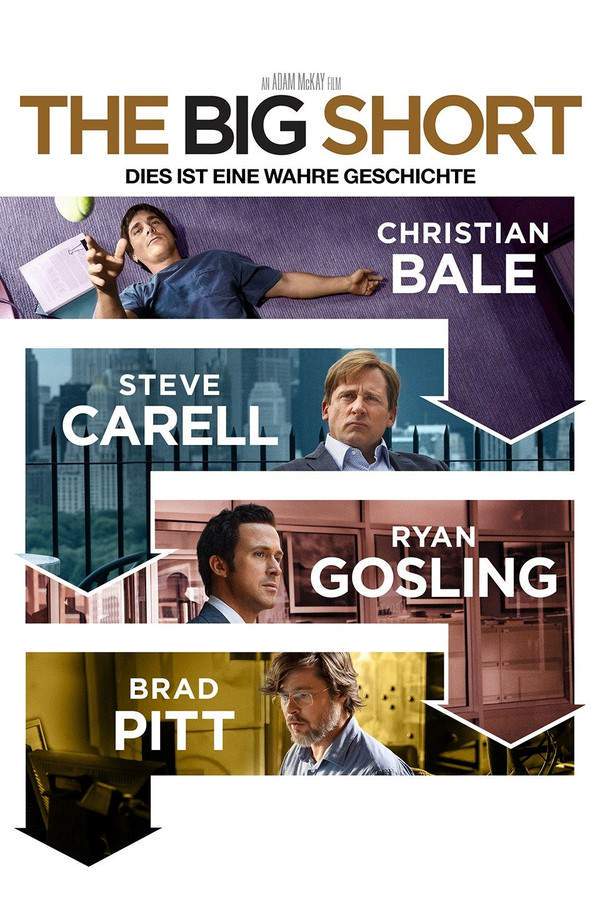
The Big Short (2015) movie poster

Timeline

The Big Short (2015) Timeline Explained – Every Event in Order

Release, runtime and language
2015 · 130 min · English
Loading streaming availability…
Directed by
Adam McKay
Starring
Brad Pitt, John Magaro, Christian Bale, Ryan Gosling, Melissa Leo, Rafe Spall
Budget
$28M

When the housing market shows signs of instability, eccentric investor Michael Burry recognizes the impending crisis and makes a risky bet against it. His unusual prediction draws the interest of a resourceful banker and a wary hedge-fund manager. Together, they team up to profit from the looming economic downfall, navigating the complexities of the financial world and ultimately capitalizing on the ensuing collapse.

On this page (6)
  1. 1 Where to watch
  2. 2 Events in order (14)
  3. 3 Timeline questions answered
  4. 4 Movie threads
  5. 5 Movies like The Big Short
  6. 6 Every angle
Loading streaming availability…

14 events in order · contains spoilers

The Big Short Timeline: Events in Chronological Order

Every key event of The Big Short (2015) in order, scene by scene, with when and where it takes place. Use it to untangle flashbacks, time jumps and parallel storylines, to refresh your memory before the sequel or to find the exact scene you are thinking of.

  1. Introduction to Banking

    Jared Vennett introduces the audience to the seemingly dull world of banking, which is shaken by Lewis Ranieri's revolutionary strategy of mortgage-backed securities. This innovative approach promises higher profits while minimizing risks, creating an illusion of stability in the market.

  2. Michael Burry's Insight

    Hedge fund manager Michael Burry captures attention as he conducts an interview with a young analyst in his office. During this discussion, Burry shares his personal struggles and insights on the housing market, observing a significant disconnect between the actual health of the market and what is projected.

    Where
    Michael Burry's Office
  3. Mark Baum's Grievance

    In a group therapy session, Mark Baum expresses his outrage over retail banking injustices that have adversely affected the working class. His anger is rooted in personal tragedy, as he lost his brother to the devastating effects of the financial system.

    Where
    Group Therapy Session
  4. The Discovery of Subprime Loans

    As Burry performs in-depth market research, he uncovers the unsettling reality that the housing market is extensively supported by subprime loans. Realizing the potential for disaster, he devises a plan to create a market for credit-default swaps, betting against the housing market.

  5. Vennett's Sales Pitch

    Vennett organizes a meeting with Baum and his team, presenting the concept of credit default swaps. Using culinary analogies, he emphasizes the ticking time bomb that is the mortgage market, stirring the group's interest as they contemplate the implications.

  6. Young Investors' Determination

    Emerging investors Charlie Geller and Jamie Shipley struggle with big banks over their incapacity to execute trades due to missing paperwork. However, upon discovering Vennett's presentation, they realize the looming threat of the housing bubble and begin seeking vital guidance.

    Where
    JP Morgan Chase
  7. Witnessing the Fallout

    Moses and Collins venture into neighborhoods ravaged by foreclosures, gaining firsthand insight into the despair faced by affected residents. Their explorations underscore the real-world consequences of the financial crisis, illustrating the impact on everyday people.

    Where
    Foreclosed Neighborhoods
  8. Baum's Increased Conviction

    As mortgage delinquencies reach alarming heights in early 2007, Baum grows more resolute in pursuing the truth behind the failing housing market. Despite pressure from risk assessors to abandon their swaps, he defiantly pushes forward, convinced of the upcoming disaster.

    When
    Early 2007
  9. American Securitization Forum

    The teams converge at the American Securitization Forum in Las Vegas, where Baum confronts industry insiders about their deceptive practices. Meanwhile, Shipley navigates connections within the SEC, probing into regulatory oversight on mortgage bonds without success.

    Where
    Las Vegas
  10. The Inevitable Collapse

    As anticipated, the financial system begins to crash by the end of 2008, rewarding those who bet against it while revealing the deep flaws of the banking system. Baum grapples with the implications of their success amidst widespread economic devastation.

    When
    End of 2008
  11. Repercussions of the Crisis

    The fallout from the crisis results in staggering losses, with approximately five trillion dollars worth of wealth evaporating, eight million jobs lost, and six million foreclosures nationwide. The aftermath raises questions about accountability and corporate greed.

    Where
    United States
  12. Baum’s Reflection

    Baum reflects on the devastation caused by the crisis but chooses not to gloat about their foresight, indicating a nuanced moral perspective. This moment encapsulates the bittersweet nature of their financial triumph amid widespread suffering.

  13. Continued Errors

    Fast forward to 2015, and we observe banks repeating the same mistakes, carelessly selling billions in CDOs. This alarming cycle raises concerns about whether lessons from the past have been truly learned or if history is destined to repeat itself.

    When
    2015
  14. The Final Outlook

    Burry, now focusing on unconventional investments like water, continues to remain unnoticed despite his foresight during the crisis. His isolation speaks to a broader narrative of how the industry disregards those who accurately predicted the impending collapse.

Last updated: November 08, 2024 at 01:21

Was this helpful?

Timeline questions answered

The Big Short Timeline Explained: Your Questions Answered

When does it happen, and why in that order? The questions people ask about the chronology of The Big Short (2015): time jumps, flashbacks, cause and effect between scenes and the correct order of events, each answered with spoilers.

Q1

Why does Michael Burry bet against the housing market?

Michael Burry discovers that the housing market is artificially propped up by subprime loans, mortgages given to people who cannot afford them. After analyzing mortgage bond data, he realizes these loans are unsustainable and that the housing bubble will inevitably burst. He creates credit default swaps to bet against the housing market, essentially purchasing insurance that pays out when the mortgage bonds fail.

Foreshadowing: Earlier in the film, Burry notes that while the tech bubble burst in 2001, the housing market continued surging despite no logical reason for its growth.

  • michael burry
  • housing market
  • subprime loans
  • credit default swaps
  • bet against housing
Q2

What are credit default swaps and how do they work?

A credit default swap is essentially insurance against a bond defaulting. In The Big Short, investors buy swaps on mortgage bonds, paying a premium. If the bonds fail (which happens when homeowners default on subprime mortgages), the swap pays out significantly. Unlike traditional insurance, you don't need to own the underlying asset, so Burry and others could bet against bonds they didn't possess.

Foreshadowing: Vennett explains the concept using a chef analogy, mixing leftover fish into a stew that gets sold as premium food, just as banks repackaged risky mortgages into AAA-rated securities.

  • credit default swaps
  • cdos
  • mortgage bonds
  • insurance
  • short selling
Q3

What are subprime loans and why did they cause the 2008 crisis?

Subprime loans are mortgages given to borrowers with poor credit histories who typically wouldn't qualify for conventional loans. Banks issued these risky mortgages because they could sell them to investment banks, which packaged them into mortgage-backed securities. When housing prices stopped rising and began falling in 2007, homeowners defaulted en masse, causing the securities to collapse and triggering the global financial crisis.

Foreshadowing: Margot Robbie's bubble bath scene explains that "subprime" is simply a euphemism for risky or bad credit, essentially loans that shouldn't have been made.

  • subprime loans
  • mortgage-backed securities
  • 2008 financial crisis
  • housing bubble
  • default
Q4

Why did banks keep selling CDOs even when they knew they were risky?

Banks continued selling CDOs because they profited enormously from creating and distributing these securities, regardless of the underlying risk. The film shows that bankers earned fees for packaging and selling CDOs while passing the risk to buyers. Even when some executives privately acknowledged the unsustainability, the immediate financial incentives kept the machine running until it collapsed.

Foreshadowing: The film shows Lewis Ranieri's initial strategy promised higher profits with lower risks, establishing that the system was built on exploiting this disconnect.

  • banks
  • cdos
  • mortgage-backed securities
  • corporate greed
  • financial fraud
Q5

How did the main characters in The Big Short make money?

Each group purchased credit default swaps (CDS) that paid out when mortgage-backed securities collapsed. Burry's fund made approximately $2.6 billion. Baum's team, Geller and Shipley, and Rickert all profited significantly from their bets against the housing market. However, their profits came at the devastating cost of millions of ordinary people losing homes, jobs, and savings.

Foreshadowing: Vennett pitches the idea to Baum's team by explaining that when the housing market crashes, their swaps will pay out handsomely, their entire strategy depends on widespread mortgage defaults.

  • profit
  • credit default swaps
  • mortgage collapse
  • investors
  • returns
Q6

Why is Mark Baum so angry at the banking system?

Mark Baum's anger stems from personal tragedy, his brother committed suicide after experiencing financial ruin caused by the banking system's predatory practices. This explains his passionate outburst at a retail bank in the group therapy scene and his relentless pursuit of evidence exposing the mortgage fraud. His emotional investment drives much of the moral tension in the film.

Foreshadowing: The film opens with Baum interrupting group therapy to complain about an unfair banking encounter, establishing his deep-seated resentment toward financial institutions.

  • mark baum
  • steve carell
  • banking system
  • personal tragedy
  • brother suicide
Q7

What are synthetic CDOs and why do they matter?

Synthetic CDOs are complex financial derivatives that allow investors to bet on the performance of other securities without actually owning them. In the film, Baum learns that banks created layers of synthetic CDOs, essentially bets on bets on failing loans, multiplying the risk exponentially. This explains how the crisis became so catastrophic; the damage far exceeded the actual mortgage market because so much money was wagered on those mortgages failing.

Foreshadowing: Baum's realization about synthetic CDOs comes during a chance encounter, revealing the true scale of the gambling happening beyond real estate.

  • synthetic cdos
  • derivatives
  • financial instruments
  • bets
  • mortgage crisis
Q8

What happens to Michael Burry after the 2008 crash?

After the crash, Burry's Scion Capital makes approximately $2.6 billion from his bets, but he loses favor with investors who resent his criticism of the financial system. His investors sue him, and he eventually shuts down his fund. By 2015, he's moved on to investing in water, an unconventional commodity, and continues to feel unrecognized for his foresight.

Foreshadowing: Earlier scenes show Burry's colleagues and boss questioning his strategy, hinting at the professional isolation he'd face after being proven right.

  • michael burry aftermath
  • scion capital
  • water investment
  • post-2008
Q9

What does the 2015 ending of The Big Short mean?

The ending shows banks once again selling CDOs in 2015, suggesting the financial system learned nothing from the crisis. The final text notes that banks sold billions in mortgage-backed securities just as they had before the crash, implying the greedy practices that caused the 2008 disaster continue unchecked and history is repeating itself.

Foreshadowing: Earlier, Ben Rickert warns the young investors that their profit comes at a tremendous human cost, foreshadowing the film's critique of systemic recklessness.

  • 2015 ending
  • banks
  • cdos
  • history repeating
  • financial reform
Q10

Why didn't anyone listen to the warnings about the crisis?

The characters faced widespread disbelief because their warnings contradicted what everyone wanted to believe, the housing market had always gone up, and industry professionals profited by maintaining that narrative. Geller and Shipley try alerting the media but are dismissed. The film depicts a systemic failure where regulators, rating agencies, and banks all had conflicts of interest that prevented them from acknowledging the truth.

Foreshadowing: Vennett notes early on that only a small group foresaw the disaster, establishing that the protagonists were fighting against collective denial.

  • warnings ignored
  • media
  • sec
  • ratings agencies
  • denial
Q11

What happens to Ben Rickert at the end of The Big Short?

Ben Rickert, the retired trader brought in by Geller and Shipley to help execute their trades, retreats to his orchard after the crash. Unlike the others, he seems to find peace away from the financial world, symbolizing a contrast between those who remained corrupted by the system and those who chose withdrawal.

Foreshadowing: Rickert initially resists getting involved, only agreeing after recognizing the seriousness of what the young investors have discovered.

  • ben rickert
  • brad pitt
  • orchard
  • retirement
  • aftermath
Q12

What does Mark Baum learn about the government bailout?

Baum learns that the U.S. government bailed out the banks using taxpayer money while doing little to help ordinary homeowners facing foreclosure. This confirmation of corporate greed, that the institutions that caused the crisis were rescued while millions suffered, reinforces Baum's disgust with the system and explains his moral conflict about profiting from the disaster.

Foreshadowing: Throughout the film, Baum repeatedly confronts industry insiders about their deceptive practices, building toward his realization of systemic corruption.

  • bailout
  • government
  • taxpayer
  • banks
  • mark baum

Movie threads

More Movies Like The Big Short, by Mood & Story

Curated lists built around what makes The Big Short tick: the same mood, the same kind of story or the same emotional payoff. Each list explains why these movies belong together.

Movies that expose complex systems like The Big Short

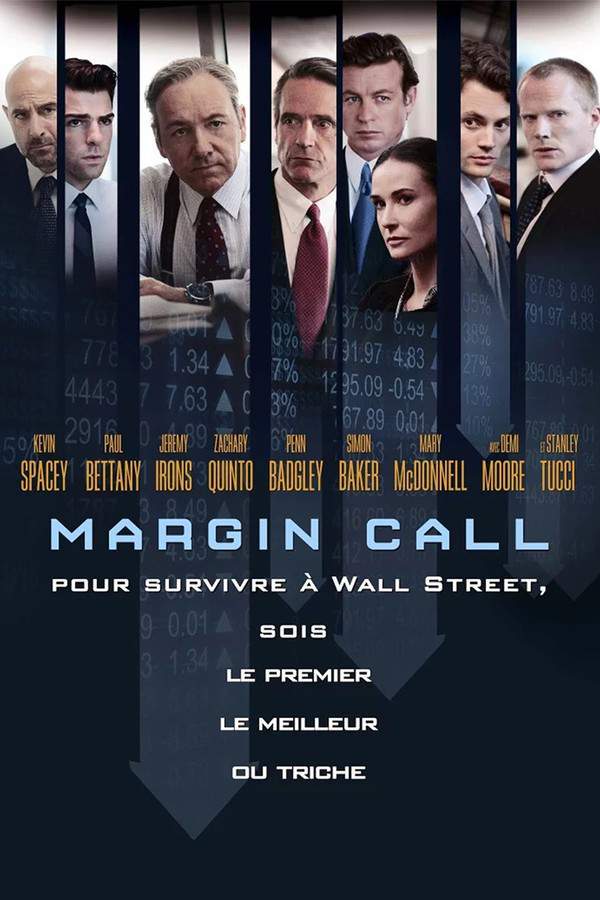
Films that dive deep into complex systems to reveal the rot at the core. If you liked how The Big Short broke down the housing crisis, you'll appreciate these films that dissect complex systems. This collection includes movies like Margin Call and Spotlight, where characters uncover systemic corruption and navigate the tense fallout, perfect for fans of intelligent, high-stakes dramas.

  • informative
  • urgent
  • cynical
  • gripping
  • anxious
  • frustrated
  • Tone: tense, cynical, informative
  • Pacing: fast, expository
Why these movies?

The story pattern: Stories in this thread typically involve a character or group discovering a critical vulnerability or act of fraud within a large, seemingly stable system. Their journey is one of investigation and validation, often against disbelief from the establishment, leading to a climax where the truth emerges with significant consequences.

Why they belong together: These films are grouped by their shared focus on explaining complex, real-world systems to the audience, combined with a tense, investigative narrative and a tone of moral outrage. They deliver a gripping experience that is both intellectually stimulating and emotionally charged.
Movies with bittersweet victories like The Big Short

Stories where being proven right comes with a heavy moral price. Find more films with morally complex endings like The Big Short. These movies feature characters who succeed in their goals but are left with guilt or disillusionment. If you appreciated the poignant ending where financial gain was overshadowed by human cost, explore these similar dramatic journeys.

  • morally conflicted
  • bittersweet
  • frustrated
  • cynical
  • sarcastic
  • gripping
  • Tone: bittersweet, morally conflicted
  • Pacing: fast, building to a sober end
Why these movies?

The story pattern: The narrative pattern follows characters who pursue a goal based on a correct but grim prediction or principle. They ultimately succeed, but their triumph is hollow, as they are forced to confront the devastating real-world consequences of being right, leading to a finale filled with moral ambiguity rather than celebration.

Why they belong together: Movies in this thread share a specific emotional arc: the blend of intellectual victory with profound moral discomfort. They resonate because they explore the complex aftermath of success, creating a powerful, thought-provoking, and bittersweet viewing experience.

If you liked this

Movies Like The Big Short

Similar movies to The Big Short: the same genre, themes or kind of story. Each one comes with its own plot summary, timeline and ending explained.

Browse all movie summaries

Every angle

The Big Short (2015) Explained: Plot, Ending, Timeline & Characters

Everything about The Big Short in one place: what happens in the plot summary, the timeline in chronological order, the characters and meaning, the ending explained and a spoiler-free summary. What's After the Movie adds the cast, box office and post-credit scenes.

Coming soon on iOS and Android

The Plot Explained Movie Summary App

Plot summaries, endings explained and timelines on your phone. Catch up on any movie in minutes, save your favorites and never miss a twist again.

Be the first to know when we launch. Your email stays private, always.

Learn more about the app