Plot Explained Spoilers guaranteed!
Plot Explained

Browse by genre

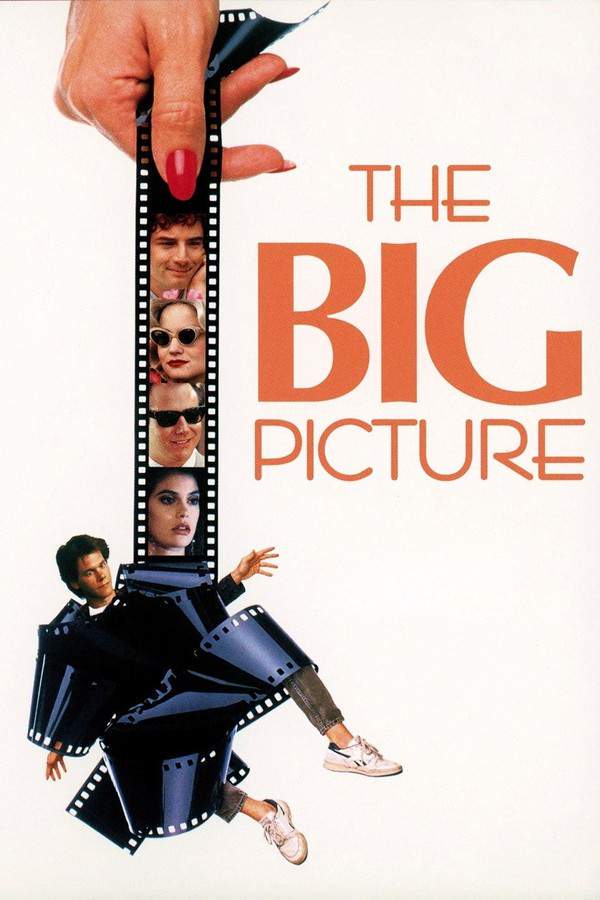
The Big Picture (1989) movie poster

Plot Summary

The Big Picture (1989) Plot Summary Explained

Release, runtime and language
1989 · 100 min · Korean
Starring
Michael McKean, Jennifer Jason Leigh, Kevin Bacon, J.T. Walsh, Teri Hatcher, Kim Miyori

Nick Chapman, an aspiring filmmaker, experiences a harsh setback when his celebrated short film doesn't lead to the success he hoped for in Hollywood. Faced with the realities of a competitive and often unfair industry, he must navigate the challenges of pursuing his dreams amidst politics and luck, discovering that talent alone isn't always enough.

On this page (7)
  1. 1 Where to watch
  2. 2 What happens: full plot
  3. 3 Plot questions answered
  4. 4 Movie threads
  5. 5 Movies like The Big Picture
  6. 6 Categories
  7. 7 Every angle

Where to watch

Where to Watch The Big Picture (1989)

Where can you watch The Big Picture? Stream, rent or buy it in the US, including on Amazon Video, Apple TV Store and Fandango At Home: current JustWatch availability with up-to-date prices.

Streaming availability powered by JustWatch

Full plot summary · contains spoilers

What Happens in The Big Picture: Full Plot Summary

The whole story of The Big Picture (1989) explained, from the opening scene to the final frame: every key event, every twist and what it all adds up to. Read it as a quick recap before the sequel, to check a scene you missed, or to finally understand what really happened.

Nick Chapman, a film student and aspiring writer-director from Ohio, wins a prestigious student film contest in Los Angeles and suddenly finds himself pursued by Hollywood VIPs. He selects a quirky agent to represent him and signs a deal with a major studio to bring his dream movie to life, stepping into a world where every choice matters and the cameras never stop rolling.

Nick finds the Hollywood studio “process” distasteful and is pressed to make a string of creative compromises. He is nudged toward a pop music soundtrack and pressured to age down the middle-aged characters to college age, all in the name of broader audience appeal. Despite his misgivings, the deal goes through, and with the new money and fame, he buys a flashy sportscar and starts cultivating a circle of new Hollywood friends. In the rush of this new life, he blows off a lunch meeting with his film school friend Emmet and drifts away from his girlfriend Susan, letting the relationship drift as he chases attention and opportunity.

When a new studio head cancels his project, Nick is left in the lurch. Without fresh deals on the horizon, he finds himself taking unskilled positions—moving man, telemarketer, and message delivery man—his life increasingly played out as a series of on-screen reenactments rather than the creator’s dream he once imagined. The struggle to stay true to his vision becomes a metatextual journey, with his real life echoing the kinds of scenes he once hoped to direct.

A turning point comes when he reconnects with arty film school classmate Lydia and meets her next-door neighbors, a fledgling rock band looking for a director for their music video. Nick agrees to shoot the video, tapping into a raw, experimental energy that resonates with audiences and helps the project climb the charts in surprising fashion. The buzz returns: his agent is flooded with interested calls while studio heads send him a flood of movie and TV scripts to consider, signaling a renewed faith in his talent from the industry.

Humbled and more contemplative, Nick rekindles his relationship with Susan and begins to shape his film once more, choosing to return to a version closer to his original plan. He envisions shooting in a winter cabin with a cast of middle-aged actors, surrounded by the people who matter most—Emmet, Susan, and his parents—standing alongside him as he takes on the project with renewed resolve and a clearer sense of purpose.

Last updated: February 18, 2026 at 23:43

Was this helpful?

Plot questions answered

The Big Picture Plot Explained: Your Questions Answered

The questions people ask most about The Big Picture (1989): what happens in the confusing scenes, why the characters do what they do, the twists, hidden details and what the ending means. Each answer contains spoilers.

Q1

Why does Nick agree to compromise his film's creative vision with a pop soundtrack and younger characters?

Nick agrees because the studio pressures him with the argument that broader audience appeal requires these changes. He is told that middle-aged characters won't attract the target demographic, and the pop soundtrack will make the film more marketable. Although he finds the process distasteful, he accepts these compromises believing the deal itself is what matters, not fully anticipating how far the sanitization would go.

  • creative compromise
  • studio pressure
  • pop soundtrack
  • younger characters
Q2

Why does Nick stop returning calls from Emmet and Susan?

Nick's priorities shift dramatically once he enters Hollywood. The new lifestyle of premieres, parties, and deal-making distracts him from his roots. He becomes seduced by the glamour and ego that comes with fame, viewing his old connections as less relevant to his new world. His agent and new circle of Hollywood friends replace his former relationships, and he essentially blows off these commitments without second thought.

  • Emmet
  • Susan
  • neglect
  • friendship
  • Hollywood lifestyle
Q3

What causes the new studio head to cancel Nick's film project?

A new studio head takes over and immediately cancels Nick's project. This demonstrates the fragility of Hollywood deals - the previous regime's commitment to Nick's film evaporates with a change in leadership. The film was never as secure as Nick believed, and the new head has different priorities or simply doesn't see value in an uncompromising filmmaker's vision.

  • studio head
  • cancellation
  • deal
  • leadership change
Q4

How does Nick end up working as a moving man and telemarketer after his film deal falls through?

After his project is cancelled and no fresh deals materialize, Nick finds himself unable to secure any real film work. With no connections left from his brief Hollywood moment and no marketable skills outside of filmmaking, he takes whatever jobs are available - moving furniture, doing telemarketing, and delivering messages. His fall from grace is swift and complete, reflecting how quickly the industry moves on from forgotten talents.

  • moving man
  • telemarketer
  • jobs
  • fall from grace
Q5

Why does the rock band music video become successful when Nick's feature film never got made?

The music video succeeds because Nick approaches it with raw, experimental energy rather than commercial calculation. Without studio interference, he shoots it with genuine creative passion, and that authenticity resonates with audiences. The rock band's grassroots following combined with Nick's genuine direction creates something that captures public interest - in contrast to his sanitized studio film that never reached production.

Foreshadowing: Early scenes show Nick's passion for experimental filmmaking before Hollywood corrupted his vision.

  • music video
  • rock band
  • success
  • experimental
  • authenticity
Q6

Why does Nick decide to return to his original vision for the film?

After the music video success humbles him and reconnects him with his creative instincts, Nick realizes that compromising his vision for commercial appeal backfired. The winter cabin setting represents his original plan - a focused, intimate production with middle-aged actors and the people who genuinely support him. He learns that authentic storytelling matters more than broad appeal, and he wants to make the film his way, surrounded by people who believe in him rather than Hollywood hangers-on.

  • original vision
  • winter cabin
  • middle-aged actors
  • artistic integrity
Q7

What prompts Nick to reconcile with Susan after ignoring her for so long?

Nick's humbling experience - losing his project, taking menial jobs, and rediscovering his passion through the music video - causes him to reflect on what really matters. He recognizes that his pursuit of Hollywood glamour damaged his most important relationships. When he reconnects with Susan, he acknowledges his prior arrogance and demonstrates genuine growth, showing he values authentic connections over superficial success.

  • Susan
  • reconciliation
  • relationship
  • growth
  • humbling
Q8

Why does the winter cabin setting matter for Nick's final film?

The winter cabin represents Nick's original artistic vision before Hollywood got involved. It's an intimate, focused location that allows for genuine character work rather than commercial spectacle. By choosing this setting, Nick asserts creative control and commits to making the film his way - with middle-aged actors and surrounded by people who genuinely support him, not Hollywood opportunists.

  • winter cabin
  • setting
  • creative control
  • original vision
Q9

Why does Nick agree to direct the rock band's music video for free?

Nick agrees to shoot the music video for free because he's desperate to do something creative again after his film project collapsed. Without any film work on the horizon and stuck in mundane jobs, the opportunity represents a chance to exercise his filmmaking skills. His motivation is less about money and more about reconnecting with his passion for storytelling, even in a small project.

  • music video
  • free
  • desperation
  • creativity
Q10

What does the film suggest about Hollywood politics and industry success?

The film suggests that Hollywood success depends heavily on luck, timing, and relationships rather than talent alone. Nick's quick rise and fall demonstrate how quickly the industry abandons you when you're no longer useful. His rediscovery of authentic storytelling ultimately brings him back, but the film implies he'll continue facing challenges maintaining creative control amid commercial pressures.

  • Hollywood politics
  • talent
  • luck
  • industry
  • creative control

Movie threads

More Movies Like The Big Picture, by Mood & Story

Curated lists built around what makes The Big Picture tick: the same mood, the same kind of story or the same emotional payoff. Each list explains why these movies belong together.

Movies about artistic integrity like The Big Picture

Stories about the clash between artistic vision and commercial demands. If you enjoyed The Big Picture's take on Hollywood, discover more movies about the struggle for creative control against commercial forces. These films share themes of artistic vision clashing with industry realities.

  • showbiz satire
  • creative struggle
  • ambition
  • disillusionment
  • aspirational
  • behind-the-scenes
  • Tone: bittersweet, satirical
  • Pacing: steady, character-driven
Why these movies?

The story pattern: The narrative typically follows a passionate creator who faces a pivotal choice: compromise their artistic ideals for a chance at fame and success, or hold fast to their vision and risk obscurity. The journey is often marked by disillusionment, ethical dilemmas, and the discovery of what truly matters.

Why they belong together: These films are grouped together because they share a core thematic focus on the creative process and the external pressures that shape it. They feature protagonists whose primary conflict is with the 'system'—be it Hollywood, the music industry, or the art world.

Bittersweet Hollywood stories like The Big Picture

Character-driven stories about the highs and lows of chasing fame. Looking for more movies like The Big Picture? Explore stories of aspiring filmmakers and performers navigating the bittersweet realities of Hollywood, blending satire with genuine emotional weight.

  • hollywood
  • aspirational
  • showbiz satire
  • coming of age
  • rollercoaster
  • dream chasing
  • Tone: bittersweet, satirical
  • Pacing: steady
Why these movies?

The story pattern: The story arc is a rollercoaster of hope and setback, where initial success often gives way to harsh lessons about luck, politics, and the price of fame. The ending is typically mixed, offering personal growth or a modicum of success but acknowledging that the dream comes with ongoing challenges.

Why they belong together: These movies are connected by their specific setting—the world of Hollywood—and their balanced, bittersweet tone. They mix comedy and drama to explore the gap between the romantic ideal of 'making it' and the often-frustrating reality.

If you liked this

Movies Like The Big Picture

Similar movies to The Big Picture: the same genre, themes or kind of story. Each one comes with its own plot summary, timeline and ending explained.

Browse all movie summaries

Categories

Movie Lists Featuring The Big Picture

The Big Picture appears in these hand-built movie categories. Each one groups movies by a specific mood, theme or story type, with their plot summaries and endings explained.

View all movie categories

Every angle

The Big Picture (1989) Explained: Plot, Timeline & Characters

Everything about The Big Picture in one place: what happens in the plot summary, the timeline in chronological order, the characters and meaning and a spoiler-free summary. What's After the Movie adds the cast, box office and post-credit scenes.

Coming soon on iOS and Android

The Plot Explained Movie Summary App

Plot summaries, endings explained and timelines on your phone. Catch up on any movie in minutes, save your favorites and never miss a twist again.

Be the first to know when we launch. Your email stays private, always.

Learn more about the app