Year: 2010
Runtime: 133 min
Language: English
Director: Oliver Stone
Budget: $70M
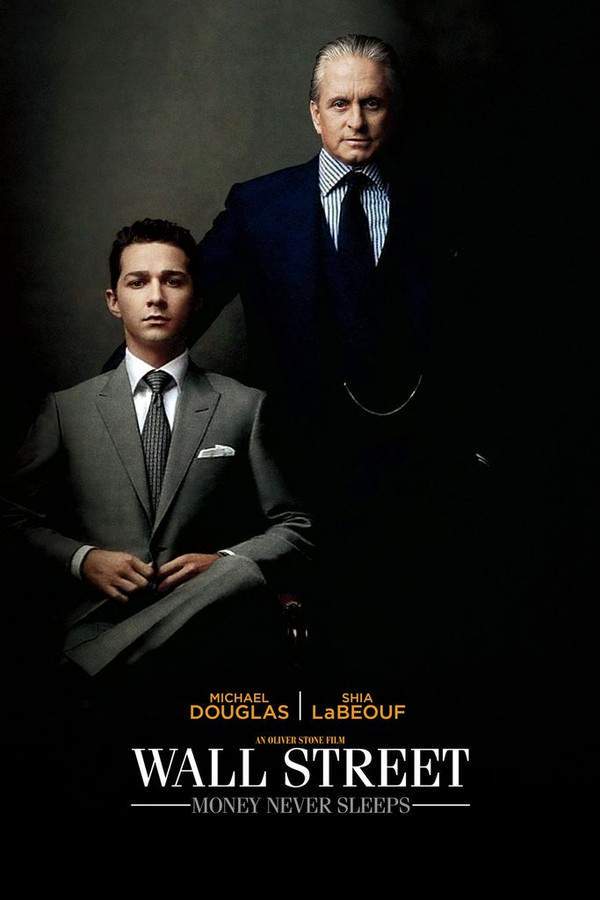
After a prison sentence, Gordon Gekko re-emerges into the volatile world of high finance, attempting to rebuild his life and reputation. He finds himself observing a young banker whose career is intertwined with a powerful financial empire. As Gekko tries to reconnect with his estranged family and advise the young man, he uncovers a web of deceit and manipulation that threatens to bring down the entire system, forcing him to confront his past and the enduring consequences of his actions.
Find where to stream, rent, or buy Wall Street: Money Never Sleeps (2010) in the US with current JustWatch availability, up-to-date pricing, and platform listings for subscription, rental, and digital purchase options.
Warning: spoilers below!
Haven’t seen Wall Street: Money Never Sleeps yet? This summary contains major spoilers. Bookmark the page, watch the movie, and come back for the full breakdown. If you're ready, scroll on and relive the story!
Read the complete plot breakdown of Wall Street: Money Never Sleeps (2010), including all key story events, major twists, and the ending explained in detail. Discover what really happened, and what it all means.
In 2001, Gordon Gekko (Michael Douglas) is released on parole after an eight-year prison sentence for insider trading and mail fraud. Expecting a car to be waiting for him, he finds instead that he is completely alone. Fast forward to June 2008, during a significant financial crisis in the USA, where Jacob “Jake” Moore (Shia LaBeouf) is roused from slumber by his girlfriend, Winnie (Carey Mulligan). As he turns on the TV, he sees an interview with Gekko, who has transformed into an author and lecturer promoting his new book, Is Greed Good?. Upset by her father’s celebrity status, Winnie throws the remote at the screen and reveals her estrangement from Gekko.
Jake accompanies Winnie on his motorcycle to the airport; she is on her way to solicit investors for her online political magazine. As he settles into his role at Keller Zabel Investments, a prestigious Wall Street firm, Jake endeavors to fund a significant fusion research project aimed at providing alternative energy. Despite being one of the top brokers and the favorite of managing director Louis Zabel (played by Frank Langella), Jake finds resistance from the board, who are unwilling to align with his vision. Disheartened but motivated, Zabel encourages Jake to propose to Winnie, reminding him that in the high-stakes world they inhabit, one must be secure in their personal lives.
In a celebratory mood, Jake buys a diamond ring for Winnie, despite her hesitations about marriage stemming from her parents’ divorce. When whispers of trouble at Keller Zabel surface, Jake remains optimistic. However, the next day, he witnesses the firm’s stocks plummet, leading him to seek out Zabel, who is grappling with despair. Zabel cryptically suggests that the question isn’t whether Keller Zabel will fold, but rather, “Who isn’t going under?”
The plot thickens when Zabel attempts to secure a bailout from the U.S. Treasury but is rebuffed by Bretton James (Josh Brolin)—an adversary from Zabel’s past. In a tragic twist, Zabel’s struggles culminate in his suicide, shocking Jake and prompting him to propose to a grieving Winnie, who accepts amidst their shared sorrow.
Months pass, and Jake attends a lecture featuring Gekko, where he outlines the impending doom lurking in the financial industry. Afterward, Jake approaches Gekko, disclosing his intentions to marry Winnie. As they engage in a deeper conversation, Gekko, revealing the fissures in his estranged relationship with his daughter, offers invaluable insight into the events that led to Keller Zabel’s downfall. They strike a deal: Jake aids Gekko in re-establishing contact with Winnie while Gekko provides Jake with vital information on James.
As time unfolds, Jake uncovers James’s involvement in the financial disaster that enveloped Keller Zabel and crafts a strategy that intertwines deception and ambition. By disseminating falsified rumors about an African oil rig owned by Bretton, Jake gets noticed by James and secures a job offer, masking his revenge-driven intentions. After a series of intense maneuvers involving family loyalties, financial shenanigans, and battles of ethics, tensions rise as Jake grapples with the morally ambiguous waters of his choices conflicting with personal loyalties.
In a whirlwind ride that includes racing motorcycles, navigating romantic tensions, and confronting familial dynamics, Jake discovers that the stakes start to blend into a palette of greed and altruism. Gekko and Jake’s tenuous collaboration holds the potential to either mend fractured relationships or deepen the chasms between them, especially with Winnie caught in the middle.
As the financial world collapses, and they are thrust into a vortex of deceit and ambition, Jake is driven by the introspective realization that unconditional familial love can be both his weapon and his downfall. Wracked with the pressure of the impending fatherhood, Jake must make life-altering decisions that will ripple through and ultimately change not just his life but also Gekko’s legacy.
With the backdrop of a poignant economic narrative, the 2008 crash serves as a crucible for Jake’s evolution and Gekko’s resurgence, ending in reflections on resilience, responsibility, and the unbreakable bonds of family. The film culminates in a majestic reconciliation of personal ties, as Jake and Winnie prepare for their future amidst the shadow of Gekko—the quintessential embodiment of ambition, complexity, and the grey lines between right and wrong.
Last updated: October 28, 2024 at 18:13
Explore frequently asked questions about Wall Street: Money Never Sleeps (2010) with spoiler-rich answers covering the full plot summary, major story beats, character motivations, hidden details, and ending meaning. This movie summary FAQ helps explain confusing scenes, plot twists, and narrative decisions in clear, searchable detail.
Gekko is alone because after his 8-year sentence for insider trading and mail fraud, his son has died and his wife has left him. His estranged daughter Winnie refuses to see him, so no one comes to pick him up when he's released in 2001.
Louis Zabel kills himself after the board refuses to支持 his bailout request to the U.S. Treasury, and after being rejected by Bretton James, an old adversary. The combination of losing his firm, his reputation, and being unable to save his employees leads to his despair and tragic decision.
Zabel earlier cryptically tells Jake that the question isn't whether Keller Zabel will fold, but "who isn't going under"
Bretton James is a powerful Wall Street executive and Gekko's former adversary who orchestrated the deliberate collapse of Keller Zabel Investments. He rejects Zabel's bailout request, contributing to the firm's downfall, and becomes the target of Jake's revenge plot.
Jake and Gekko agree to help each other: Jake will help Gekko reconnect with his estranged daughter Winnie, while Gekko provides Jake with insider information about Bretton James's involvement in destroying Keller Zabel. This alliance allows Jake to plan his revenge while Gekko attempts to rebuild his family relationships.
Jake spreads false rumors about an African oil rig owned by Bretton James to get noticed by him. This strategy works, and James offers Jake a job at his firm, allowing Jake to infiltrate his operation from the inside while pursuing his revenge-driven agenda.
Winnie is estranged from Gekko because his criminal activities and obsession with greed destroyed their family. His imprisonment, combined with the death of his son (Winnie's brother) and the collapse of their family unit, led Winnie to reject his celebrity status and public persona entirely.
Keller Zabel collapses due to deliberate market manipulation by Bretton James, who engineers the firm's downfall. When Zabel seeks a government bailout, James rejects his request, and the firm's stock plummets, leading to its eventual failure.
Jake proposes to Winnie in the aftermath of Zabel's suicide because they share profound grief and want to find stability and hope amid the financial chaos. Zabel had earlier encouraged Jake to secure his personal life, and the tragedy strengthens their bond.
Zabel told Jake that in their high-stakes world, one must be secure in their personal lives
Gekko's book "Is Greed Good?" is a reflection on capitalism and his past actions, where he attempts to reframe his legacy as a financial guru. The book makes him a celebrity again, which deeply angers his daughter Winnie who views it as a shameless attempt to profit from his destructive past.
Gekko helps Jake because it serves his own goal of reconnecting with Winnie. By providing information about Bretton James, Gekko earns Jake's trust and assistance in reaching his estranged daughter. Additionally, Gekko harbors his own grudge against James from their Wall Street rivalry.
At the end, Jake and Winnie reconcile and prepare for their future together, with Winnie pregnant. They find personal hope despite the financial devastation around them, though they remain caught in the complex legacy of Gekko's influence on their lives.
The 2008 financial crisis provides the volatile backdrop that drives the entire narrative. It triggers Keller Zabel's collapse, enables Bretton James's schemes, and creates the high-stakes environment where Jake's revenge plot unfolds. The crash serves as the crucible that tests all characters' moral compasses.
Discover curated groups of movies connected by mood, themes, and story style. Browse collections built around emotion, atmosphere, and narrative focus to easily find films that match what you feel like watching right now.
Tense dramas where personal ambition collides with corporate greed.If you enjoyed the tense, high-pressure world of Wall Street: Money Never Sleeps, explore these other movies that capture the drama and moral complexity of finance. These films often feature driven protagonists, complex ethical dilemmas, and the high-risk environment of global markets.
These stories typically follow a protagonist navigating a high-pressure financial environment, often driven by ambition, revenge, or survival. The plot revolves around a major financial event or scheme, forcing characters to confront their own morality amidst corporate deception and immense personal stakes.
Movies in this thread share a tense, high-intensity atmosphere rooted in the high-stakes world of finance. They are united by themes of greed, power, and moral ambiguity, often set against a backdrop of economic crisis, featuring fast-paced narratives and emotionally heavy consequences.
Complex stories where flawed guides seek atonement through proteges.Fans of the complex dynamic between Gordon Gekko and Jake Moore in Wall Street: Money Never Sleeps will appreciate these films. They feature flawed mentors seeking redemption, complicated protege relationships, and stories that end on a bittersweet note, balancing personal cost with hard-won wisdom.
The narrative pattern involves a seasoned, often disgraced character re-entering the life of a younger individual, offering guidance that is both valuable and morally questionable. The journey tests the protege's ethics while allowing the mentor a chance at reconciliation or atonement, culminating in an ending that acknowledges the gains but laments the losses.
These movies are grouped by their focus on the intricate, often fraught dynamic between mentor and student. They share a heavy emotional weight, a theme of moral ambiguity, and a bittersweet conclusion where personal victories are tempered by the sacrifices and compromises made along the way.
Don't stop at just watching - explore Wall Street: Money Never Sleeps in full detail. From the complete plot summary and scene-by-scene timeline to character breakdowns, thematic analysis, and a deep dive into the ending - every page helps you truly understand what Wall Street: Money Never Sleeps is all about. Plus, discover what's next after the movie.
Track the full timeline of Wall Street: Money Never Sleeps with every major event arranged chronologically. Perfect for decoding non-linear storytelling, flashbacks, or parallel narratives with a clear scene-by-scene breakdown.
Discover the characters, locations, and core themes that shape Wall Street: Money Never Sleeps. Get insights into symbolic elements, setting significance, and deeper narrative meaning - ideal for thematic analysis and movie breakdowns.
Discover movies like Wall Street: Money Never Sleeps that share similar genres, themes, and storytelling elements. Whether you’re drawn to the atmosphere, character arcs, or plot structure, these curated recommendations will help you explore more films you’ll love.
Wall Street: Money Never Sleeps (2010) Scene-by-Scene Movie Timeline
Wall Street: Money Never Sleeps (2010) Movie Characters, Themes & Settings
Wall Street: Money Never Sleeps (2010) Spoiler-Free Summary & Key Flow
Movies Like Wall Street: Money Never Sleeps – Similar Titles You’ll Enjoy
The Wolf of Wall Street (2013) Movie Recap & Themes
The Big Short (2015) Spoiler-Packed Plot Recap
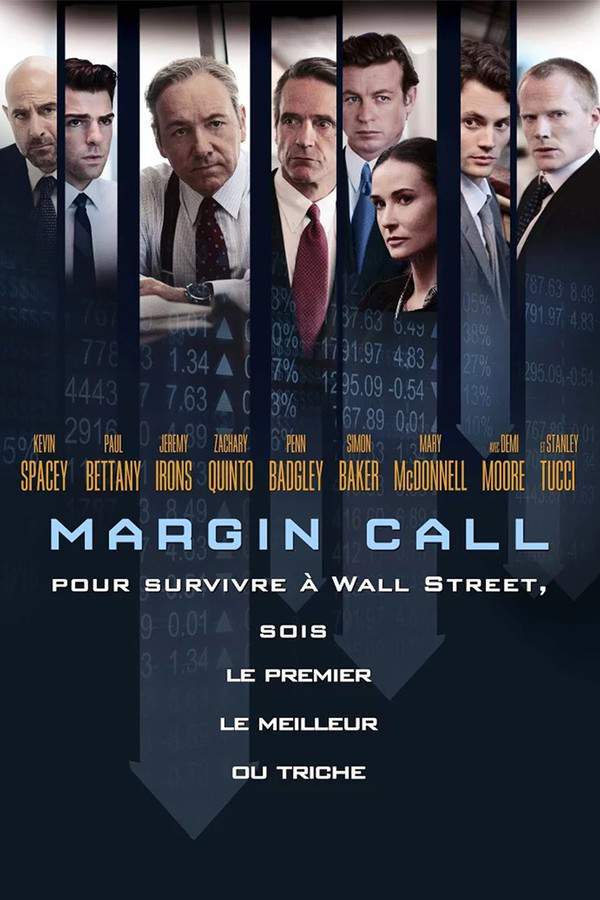
Margin Call (2011) Full Summary & Key Details
The Color of Money (1986) Plot Summary & Ending Explained
Billionaire Boys Club (2018) Spoiler-Packed Plot Recap
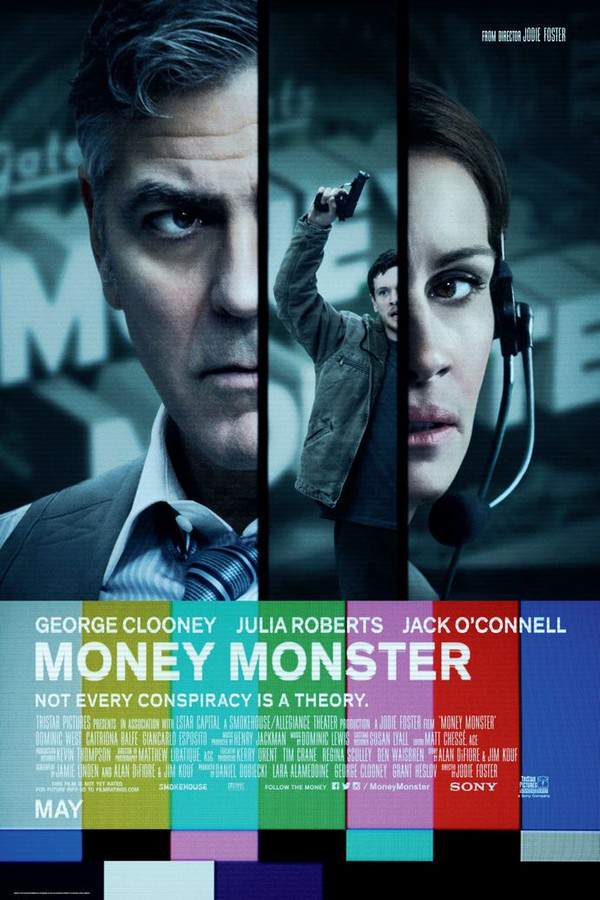
Money Monster (2016) Complete Plot Breakdown
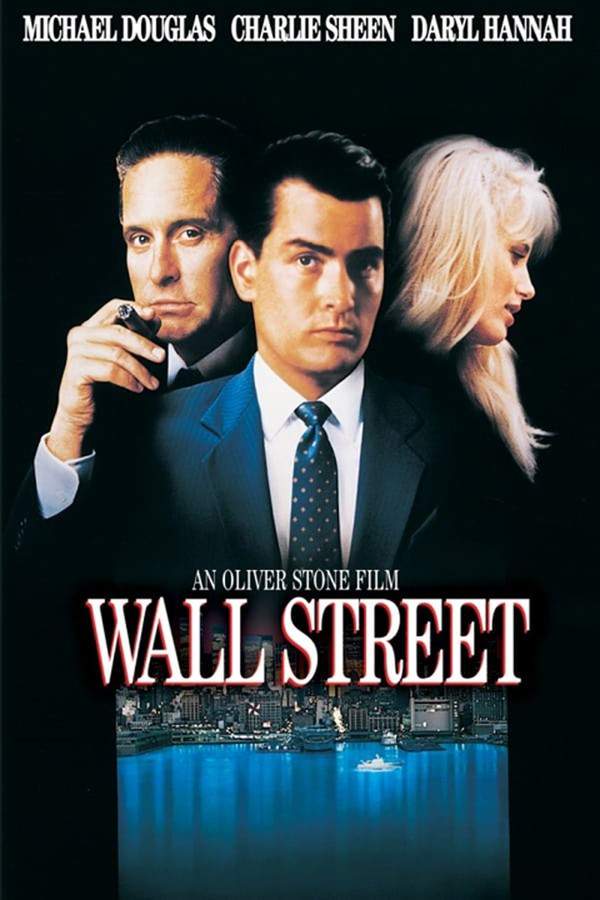
Wall Street (1987) Film Overview & Timeline
Crypto (2019) Spoiler-Packed Plot Recap
Assault on Wall Street (2013) Detailed Story Recap
The Bank (2002) Complete Plot Breakdown
Dumb Money (2023) Film Overview & Timeline
Money (1991) Complete Plot Breakdown
The Wall Street Boy (2023) Plot Summary & Ending Explained
Smart Money (1931) Complete Plot Breakdown
The Wolf of Wall Street (1929) Film Overview & Timeline