













Plot Explained Spoilers guaranteed!
Plot Explained

Browse by genre

Spotlight (2015) movie poster

Timeline

Spotlight (2015) Timeline Explained – Every Event in Order

Release, runtime and language
2015 · 128 min · French
JustWatch #1,664 27
Directed by
Thomas McCarthy
Starring
Stanley Tucci, Mark Ruffalo, Rachel McAdams, Michael Keaton, Liev Schreiber, John Slattery

A team of investigative journalists at The Boston Globe, known as Spotlight, embarks on a courageous quest to expose a disturbing pattern of sexual abuse within the Catholic Church. Their meticulous reporting uncovers a decades-long cover-up, revealing how institutional failings allowed predators to act with impunity. The story’s revelations shake the foundations of the Church and have far-reaching consequences, sparking a global reckoning and challenging the abuse of power.

On this page (6)
  1. 1 Where to watch
  2. 2 Events in order (15)
  3. 3 Timeline questions answered
  4. 4 Movie threads
  5. 5 Movies like Spotlight
  6. 6 Every angle

Where to watch

Where to Watch Spotlight (2015)

Where can you watch Spotlight? Stream, rent or buy it in the US, including on fuboTV, Kanopy and Plex: current JustWatch availability with up-to-date prices.

Streaming availability powered by JustWatch

15 events in order · contains spoilers

Spotlight Timeline: Events in Chronological Order

Every key event of Spotlight (2015) in order, scene by scene, with when and where it takes place. Use it to untangle flashbacks, time jumps and parallel storylines, to refresh your memory before the sequel or to find the exact scene you are thinking of.

  1. Marty Baron Becomes Editor

    In 2001, Marty Baron is appointed as the new editor of The Boston Globe. His arrival marks a pivotal change in the newspaper's investigative journalism approach, particularly for the Spotlight team.

    When
    2001
    Where
    The Boston Globe
  2. Spotlight Team Introduction

    Baron meets Walter 'Robby' Robinson, the experienced editor of the Spotlight team. This small group of journalists is dedicated to conducting in-depth investigative reports, working under the supervision of Ben Bradlee Jr.

    Where
    The Boston Globe
  3. Intriguing Column Sparks Investigation

    Baron reads a compelling column by attorney Mitchell Garabedian that raises serious allegations against Cardinal Law. Motivated by these claims, he urges the Spotlight team to explore the priest abuse scandal further.

    Where
    The Boston Globe
  4. Consultation with Eric Macleish

    The Spotlight team consults their company lawyer, Eric Macleish, who warns them about the challenges of sexual abuse cases. He explains the short statute of limitations and the reluctance of victims to come forward.

    Where
    The Boston Globe
  5. Contacting Mitchell Garabedian

    Michael Rezendes reaches out to Garabedian, who is initially dismissive of the request for an interview. Through skillful persuasion, Rezendes convinces him to share his insights about the abuse cases.

  6. Investigation Expands

    As the investigation deepens, the team uncovers a disturbing pattern of sexual abuse by priests. They learn of widespread cover-ups orchestrated by the Boston Archdiocese and a multitude of silenced victims.

    Where
    Massachusetts
  7. Discovering the Scope of Abuse

    Thanks to Paul Saviano from a victims' rights group, the Spotlight team enlarges their focus to investigate **thirteen** priests. This expansion reveals just how systemic the abuse has been within the Catholic Church.

  8. Uncovering Hidden Settlements

    The team finds out that settlements between the Church and victims were conducted secretly. Additionally, they discover that the Church misled the public, claiming that offending priests had been removed from service.

  9. Learning About Additional Predators

    Armed with information from an ex-priest, the Spotlight team learns of approximately ninety predators in Boston. This leads them to compile a list of eighty-seven names of those involved in abusive acts.

    Where
    Boston
  10. Tension with Macleish

    Robby and Sacha confront Macleish for a list of priests associated with settlements. During a tense exchange, Robby succeeds in obtaining a buried list of 45 priests, marking a significant breakthrough in their investigation.

  11. September 11 Impact

    The investigation faces a setback due to the events of September 11, which temporarily stalls the Spotlight team's progress. However, they eventually regain focus on their critical work in uncovering the abuse.

    When
    September 11, 2001
  12. Accessing Legal Documents

    The Spotlight team finally gains access to additional legal documents that confirm Cardinal Law's awareness of the abuse. This evidence significantly supports their claims and prepares them for publication.

  13. Preparing for Publication

    The team is ready to publish their groundbreaking findings in early 2002. Reflecting on the past, Robinson reveals he had previously received a list of twenty pedophile priests back in 1993 that was ignored.

    When
    Early 2002
  14. Publishing Articles and Victims’ Responses

    When the articles are published, they include a powerful call for victims to come forth. This results in a surge of phone calls from individuals ready to share their harrowing stories of abuse.

  15. Outcome and Cardinal Law's Resignation

    By December 2002, the Spotlight team publishes 600 stories of abuse linked to 249 priests in Boston. Cardinal Law resigns but is reassigned to a prestigious position in Rome, highlighting the deep-seated issues within the Church.

    When
    December 2002
    Where
    Rome

Last updated: November 16, 2024 at 11:30

Was this helpful?

Timeline questions answered

Spotlight Timeline Explained: Your Questions Answered

When does it happen, and why in that order? The questions people ask about the chronology of Spotlight (2015): time jumps, flashbacks, cause and effect between scenes and the correct order of events, each answered with spoilers.

Q1

Why was Marty Baron so determined to investigate the Catholic Church abuse?

Marty Baron became editor of The Boston Globe in 2001 and read a column by lawyer Mitchell Garabedian alleging that Cardinal Law, the Archbishop of Boston, knew about priest John Geoghan's predatory behavior and failed to intervene. Baron saw this as a serious allegation of institutional corruption and pushed the Spotlight team to investigate, believing the story warranted thorough examination despite potential pushback.

Foreshadowing: Baron's previous experience covering similar institutional investigations in Miami likely shaped his willingness to pursue this sensitive story.

  • marty baron
  • cardinal law
  • editor
  • investigation
  • boston globe
Q2

Why didn't victims of priest abuse come forward sooner?

Lawyer Eric Macleish explained that sexual abuse cases have a short statute of limitations, typically three years, and most victims struggle to come forward for years after the incidents due to trauma. Additionally, the damages for such cases were capped at $20,000, making legal action financially risky. The Church also kept settlements secret, leaving victims feeling isolated and without recourse.

Foreshadowing: Macleish's warning about the legal barriers foreshadows why the journalists needed to build a public case rather than rely on individual lawsuits.

  • victims
  • statute of limitations
  • settlements
  • trauma
  • legal cases
Q3

How did Michael Rezendes convince Mitchell Garabedian to cooperate?

Garabedian was initially dismissive of Rezendes's interview request. However, Rezendes used clever persuasion by revealing his position on the Spotlight team, which conveyed the seriousness and public reach of the investigation. This convinced Garabedian that talking to the journalists could achieve what legal action could not, public accountability.

Foreshadowing: Garabedian's initial reluctance mirrors the broader resistance the team would face throughout the investigation.

  • michael rezendes
  • mitchell garabedian
  • interview
  • persuasion
  • spotlight team
Q4

What was the 1993 list that Walter Robinson received?

During the investigation, Robinson revealed he had received a list of twenty pedophile priests back in 1993, but this information was never acted upon. This earlier failure to pursue the story became a point of reflection for Robinson, highlighting how institutional inertia had allowed the abuse to continue for years before the Spotlight team's dedicated investigation.

Foreshadowing: The 1993 list demonstrates the pattern of ignored warnings that the investigation would later expose.

  • walter robinson
  • 1993
  • pedophile priests
  • list
  • ignored
Q5

Why did the Boston Archdiocese keep settlements secret?

The Boston Archdiocese conducted all settlements between the Church and victims in secret, while publicly claiming that offending priests had been removed from service without any follow-up or accountability. This cover-up allowed the Church to maintain its public image while protecting abusive priests from consequences and enabling them to continue their actions.

Foreshadowing: The secrecy of settlements foreshadows the broader institutional cover-up that the Spotlight team would uncover.

  • settlements
  • secrecy
  • cover-up
  • boston archdiocese
  • public image
Q6

How did September 11 affect the Spotlight investigation?

The events of September 11, 2001 temporarily stalled the Spotlight team's investigation as the newsroom's attention shifted to covering the attacks. However, the team eventually regained their focus and continued pursuing the story, ultimately publishing their findings in early 2002.

Foreshadowing: The delay caused by 9/11 highlighted the team's commitment to seeing the investigation through despite major disruptions.

  • september 11
  • 2001
  • investigation delay
  • newsroom
  • focus
Q7

Why was Cardinal Law allowed to resign and move to Rome?

Cardinal Law resigned as Archbishop of Boston in December 2002 following the Spotlight team's exposure of the abuse cover-up. However, he was reassigned to a prestigious position in Rome, demonstrating that despite his resignation, the Church's institutional structure still protected high-ranking officials from meaningful consequences.

Foreshadowing: This outcome reflects the film's message about deep-seated institutional failures within the Church.

  • cardinal law
  • resignation
  • rome
  • position
  • consequences
  • cover-up
Q8

What was the statute of limitations challenge in the abuse cases?

The legal cases against abusive priests faced a significant obstacle: the statute of limitations was typically only three years from the time of abuse. This meant many victims could no longer pursue legal action by the time they were ready to come forward. The Spotlight team's investigation became crucial because it provided a public platform for victims when legal remedies had expired.

Foreshadowing: The legal time constraints explain why the journalists viewed their work as essential to achieving justice.

  • statute of limitations
  • legal cases
  • three years
  • victims
  • time limit
Q9

Why was Eric Macleish reluctant to help the Spotlight team initially?

Eric Macleish, the Globe's lawyer, initially expressed doubt about Garabedian's case against Cardinal Law and mentioned that most of his 80 plaintiffs weren't cooperating. He also discouraged victims from taking legal action. However, when Robby and Sacha confronted him aggressively, he eventually revealed a buried list of 45 priests associated with settlements, providing a crucial breakthrough.

Foreshadowing: Macleish's eventual cooperation suggests he had known more about the scale of abuse than he initially admitted.

  • eric macleish
  • lawyer
  • settlements
  • list
  • victims
  • reluctance
Q10

How did the investigation expand from one priest to over 80?

The Spotlight team initially believed they were tracking a single miscreant priest, but through conversations with victims' rights advocate Paul Saviano and further investigation, they discovered a disturbing pattern of widespread sexual abuse by Catholic priests across Massachusetts. Insights from an ex-priest revealed approximately ninety predators in Boston alone, leading to a compiled list of eighty-seven names.

Foreshadowing: Paul Saviano's involvement was crucial in expanding the team's focus from one priest to thirteen, then to the full scope of abuse.

  • priests
  • expansion
  • investigation
  • paul saviano
  • victims
  • scope
  • numbers
Q11

Why did some people suspect Baron of having an anti-Catholic agenda?

Throughout the investigation, subtle undercurrents suggested that many people hesitated to cooperate with the Spotlight team because they believed Baron, as a Jewish editor without a family, might have an anti-Catholic agenda driving the inquiry. This resistance came from those who questioned the team's motives rather than addressing the substance of the allegations.

Foreshadowing: This suspicion highlights the broader cultural and religious tensions the team navigated while pursuing the story.

  • marty baron
  • anti-catholic
  • agenda
  • resistance
  • suspicion
  • religion
Q12

Why was discovering approximately 90 predators in Boston significant?

The revelation that Boston alone harbored approximately ninety predatory priests, eventually compiled into a list of eighty-seven names, demonstrated that the abuse was not isolated to a few bad actors but represented a systemic institutional problem. This scale forced the team to pursue the story as a pattern of cover-up rather than individual cases.

Foreshadowing: The growing number of predators mirrored the expanding scope of the investigation and the Church's institutional complicity.

  • ninety predators
  • boston
  • list
  • 87 names
  • systemic
  • institutional

Movie threads

More Movies Like Spotlight, by Mood & Story

Curated lists built around what makes Spotlight tick: the same mood, the same kind of story or the same emotional payoff. Each list explains why these movies belong together.

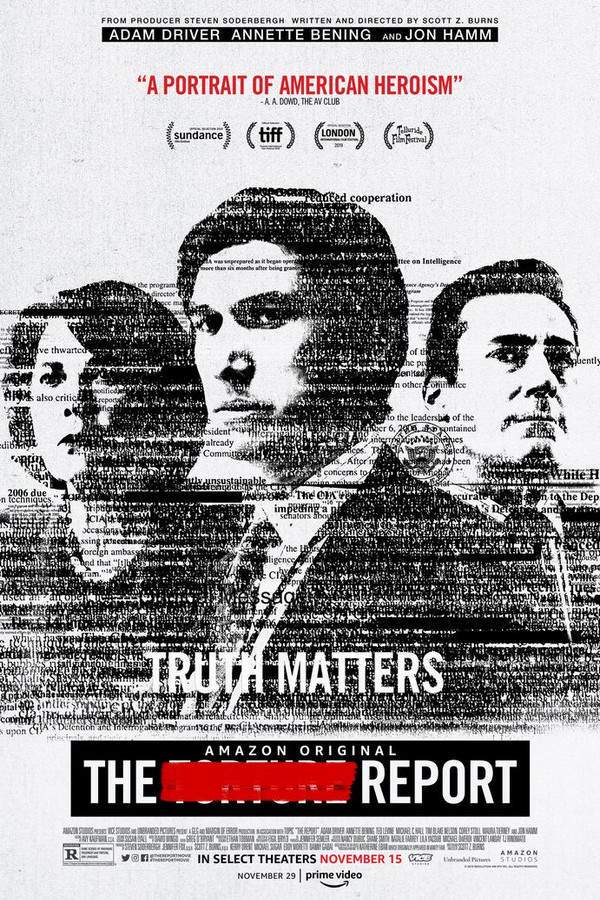
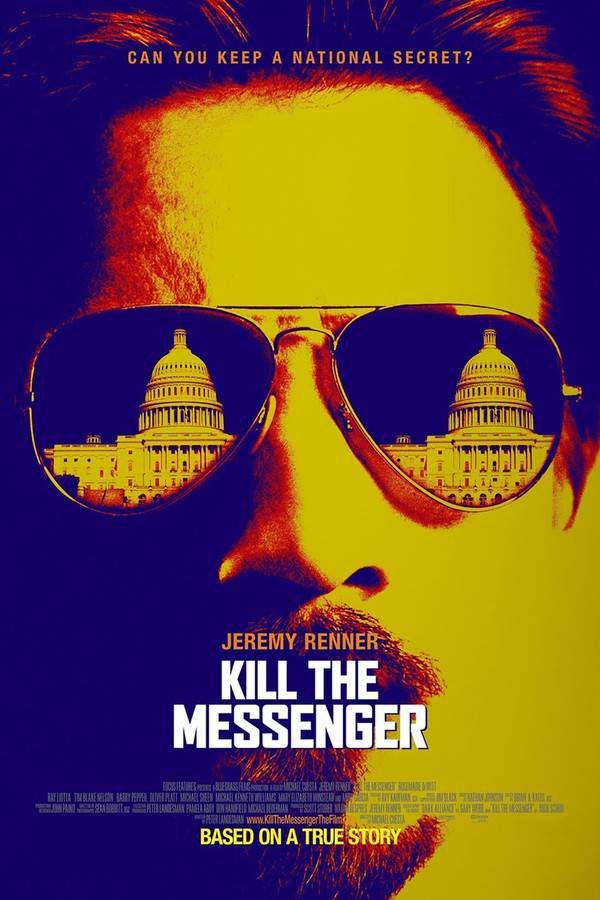
Investigative journalism movies like Spotlight

Stories where meticulous research uncovers systemic injustice against overwhelming odds. If you liked the meticulous reporting and high-stakes truth-seeking in Spotlight, this section gathers similar investigative journalism movies and procedural dramas. Discover other films where dedicated individuals expose systemic corruption through rigorous research, facing daunting institutional power.

  • investigative
  • methodical
  • urgent
  • tense
  • serious
  • sobering
  • Tone: tense, serious, sobering
  • Pacing: steady, methodical
Why these movies?

The story pattern: Narratives typically follow a linear, steady progression as the investigators connect dots, follow leads, and face setbacks. The climax is often the publication or presentation of the findings, with the emotional impact stemming from the societal repercussions of the exposed truth.

Why they belong together: Movies in this thread are united by their reverence for the process of investigation, their serious tone, and their focus on systemic issues rather than individual villains. They share a sense of urgency and a sobering, emotionally heavy atmosphere.
Bittersweet true stories with heavy themes like Spotlight

Victories for justice that are deeply meaningful yet tempered by the scale of tragedy uncovered. For viewers who appreciated the complex emotional payoff of Spotlight, this section features movies with bittersweet endings following heavy true stories. These films balance a sense of hard-won achievement with the sobering reality of unresolved trauma or systemic failure.

  • bittersweet
  • sobering
  • heavy
  • unsettling
  • somber
  • cathartic
  • Tone: serious, sobering, bittersweet
  • Pacing: steady, deliberate
Why these movies?

The story pattern: The narrative journey involves a difficult quest for truth or justice against powerful opposition. The story builds towards a pivotal moment of exposure or accountability, but the conclusion deliberately highlights the limitations of the victory, the personal toll on the characters, and the lingering scars of the injustice.

Why they belong together: These films are grouped by their unique emotional payoff: a meaningful success that is inextricably linked to a profound sense of loss or unresolved injustice. They share a heavy emotional weight, a serious tone, and a commitment to portraying the nuanced reality of confronting major societal issues.

If you liked this

Movies Like Spotlight

Similar movies to Spotlight: the same genre, themes or kind of story. Each one comes with its own plot summary, timeline and ending explained.

Browse all movie summaries

Every angle

Spotlight (2015) Explained: Plot, Timeline & Characters

Everything about Spotlight in one place: what happens in the plot summary, the timeline in chronological order, the characters and meaning and a spoiler-free summary. What's After the Movie adds the cast, box office and post-credit scenes.

Coming soon on iOS and Android

The Plot Explained Movie Summary App

Plot summaries, endings explained and timelines on your phone. Catch up on any movie in minutes, save your favorites and never miss a twist again.

Be the first to know when we launch. Your email stays private, always.

Learn more about the app