Year: 1990
Runtime: 90 mins
Language: English
Director: Andy Wolk
The victim, scarred by a knife attack, is pressed to name her attacker with certainty in court. The suspect, meanwhile, is urged to accept a plea bargain that could spare him a harsher sentence. The film probes whether he is truly guilty and questions whether the legal system itself becomes complicit in injustice.
Warning: spoilers below!
Haven’t seen Criminal Justice yet? This summary contains major spoilers. Bookmark the page, watch the movie, and come back for the full breakdown. If you're ready, scroll on and relive the story!
Read the complete plot breakdown of Criminal Justice (1990), including all key story events, major twists, and the ending explained in detail. Discover what really happened—and what it all means.
Forest Whitaker portrays Jessie Williams, a seasoned detective who confronts a brutal case after a young prostitute is robbed and slashed in the vestibule of a building just after buying drugs. The victim, Denise Moore, is rushed to the police station, where investigators lay out photographs of felons and she identifies the attacker from the lineup, providing the crucial first link in a case that will pivot on credibility and memory.
Following the identification, the police arrest the suspect and charge him with aggravated robbery. At the arraignment, bail is set at an unaffordable amount, keeping him in custody. The defendant maintains his innocence in front of his public defender, Anthony LaPaglia as David Ringel, who resists any plea bargain, insisting that the system must test the strength of the evidence.
Meanwhile the District Attorney fights to make the most of the victim’s identification, even as concerns arise about whether Denise Moore was truthful about her reason for being in the building and about the reliability of her testimony given her drug lifestyle. Detective Riley, portrayed by Tony Todd, tracks the case’s progress as court appearances accumulate.
Inside the courtroom, Chuck Cooper as Judge Whitney presides as the trial approaches, and the tension centers on whether the witness’s account will hold up under scrutiny. When the trial date arrives, the defendant unexpectedly requests a plea bargain to stop the proceedings after catching sight of the complainant in the courtroom, urging his attorney to seek a faster resolution.
Ultimately, the defendant pleads guilty to both robbery and the slashing, and is sentenced to 3½ to 7 years in the penitentiary. From the differing perspectives of the complainant and the mother of the accused, the resolution feels unsatisfactory, underscoring a persistent gap between justice, memory, and consequence in a case built on a single pivotal identification.
Last Updated: October 09, 2025 at 14:54
Discover curated groups of movies connected by mood, themes, and story style. Browse collections built around emotion, atmosphere, and narrative focus to easily find films that match what you feel like watching right now.
Stories where the legal system is the antagonist and truth is the casualty.If you liked the tense, procedural anxiety of Criminal Justice, explore more movies where the legal system itself is on trial. This collection features dramas that question memory, truth, and fairness, leading to bittersweet or bleak endings that leave a strong sense of institutional failure.
The narrative typically follows a linear path from accusation to trial, methodically building a case that seems airtight on the surface. However, cracks in witness testimony, prosecutorial overreach, or the coercive nature of plea bargains create a rising tide of doubt and frustration, culminating in a resolution that highlights systemic injustice rather than personal culpability.
These films are grouped by their shared focus on the courtroom as a pressure cooker for ethical dilemmas. They share a tense, serious tone, a steady, procedural pacing, and a heavy emotional weight derived from the life-altering consequences of a flawed system.
A slow build of anxiety where memory and facts are constantly questioned.Fans of the anxious, memory-focused tension in Criminal Justice will find similar vibes here. These films explore how perception and truth can diverge, building steady psychological dread around a central mystery or accusation, often leading to heavy, thought-provoking conclusions.
The narrative often centers on a pivotal event—a crime, an accident, a confrontation—whose details remain murky. The plot unfolds by examining different perspectives and piecemeal evidence, forcing the audience and characters to grapple with doubt. The journey is one of mounting psychological pressure as certainty erodes, rather than a clear path to resolution.
They are united by a core theme of epistemological uncertainty. The shared experience is one of anxious immersion in a morally gray area, propelled by a steady pace that allows tension to simmer. The tone is consistently tense and serious, with a medium-to-high emotional weight.
Don't stop at just watching — explore Criminal Justice in full detail. From the complete plot summary and scene-by-scene timeline to character breakdowns, thematic analysis, and a deep dive into the ending — every page helps you truly understand what Criminal Justice is all about. Plus, discover what's next after the movie.
Track the full timeline of Criminal Justice with every major event arranged chronologically. Perfect for decoding non-linear storytelling, flashbacks, or parallel narratives with a clear scene-by-scene breakdown.
Discover the characters, locations, and core themes that shape Criminal Justice. Get insights into symbolic elements, setting significance, and deeper narrative meaning — ideal for thematic analysis and movie breakdowns.
Get a quick, spoiler-free overview of Criminal Justice that covers the main plot points and key details without revealing any major twists or spoilers. Perfect for those who want to know what to expect before diving in.
Visit What's After the Movie to explore more about Criminal Justice: box office results, cast and crew info, production details, post-credit scenes, and external links — all in one place for movie fans and researchers.
Discover movies like Criminal Justice that share similar genres, themes, and storytelling elements. Whether you’re drawn to the atmosphere, character arcs, or plot structure, these curated recommendations will help you explore more films you’ll love.
Criminal Justice (1990) Scene-by-Scene Movie Timeline
Criminal Justice (1990) Movie Characters, Themes & Settings
Criminal Justice (1990) Spoiler-Free Summary & Key Flow
Movies Like Criminal Justice – Similar Titles You’ll Enjoy
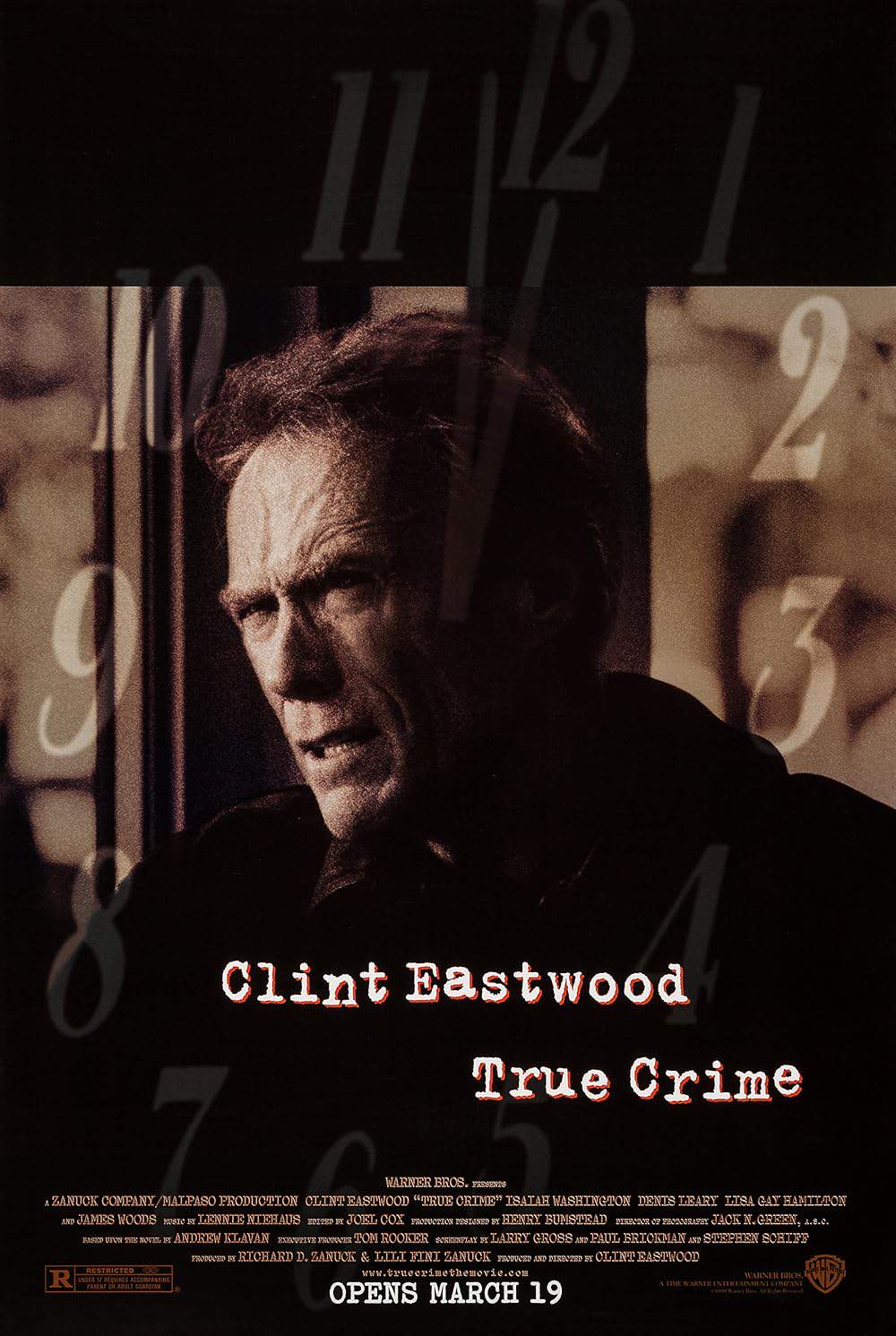
True Crime (1999) Complete Plot Breakdown
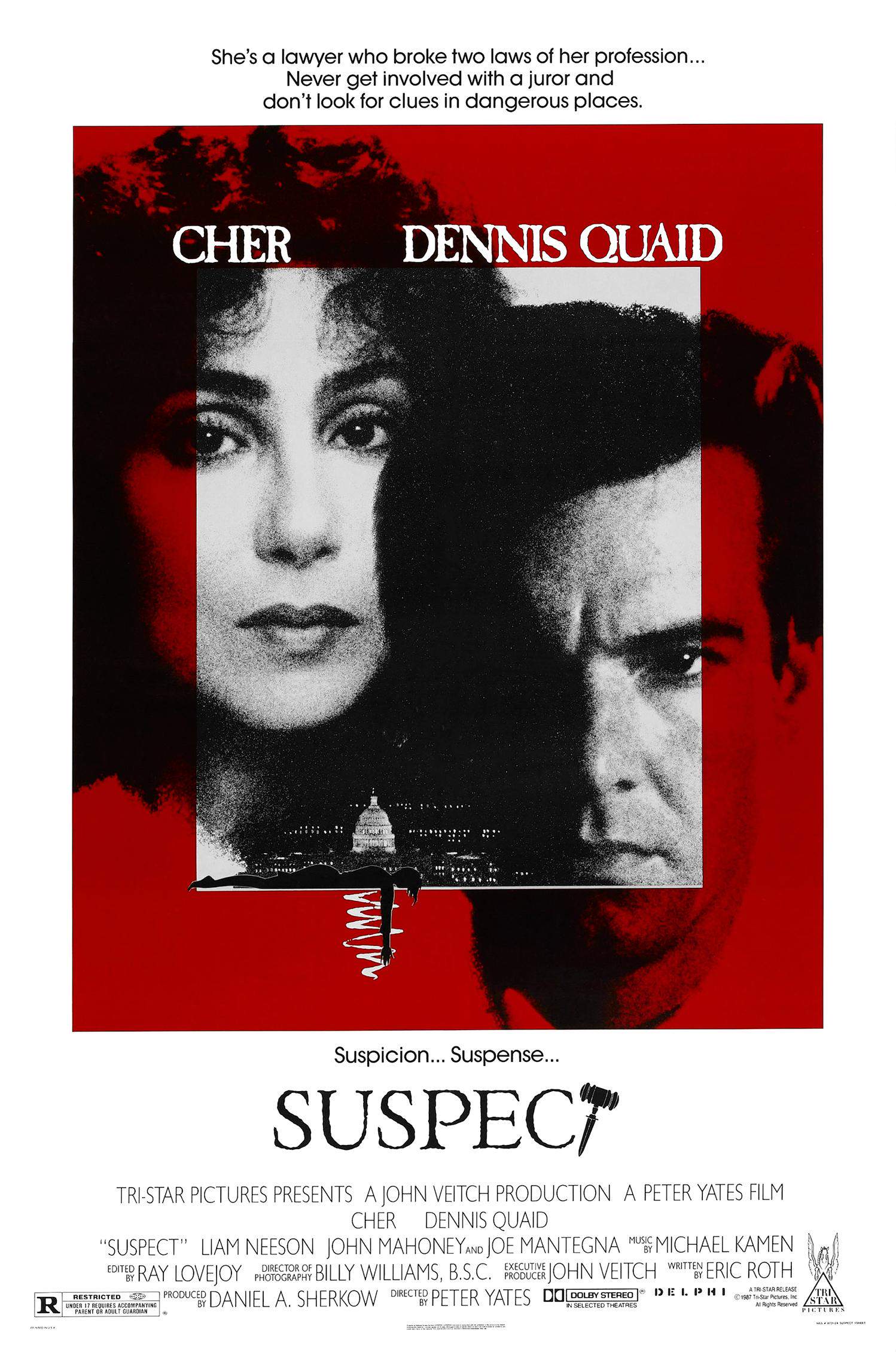
Suspect (1987) Detailed Story Recap
Criminal Intent (2005) Complete Plot Breakdown
False Arrest (1991) Full Movie Breakdown
Criminal Justice (1000) Full Summary & Key Details
Guilty Until Proven Innocent (1991) Full Movie Breakdown
Crime of Innocence (1985) Ending Explained & Film Insights
Criminal Law (1988) Complete Plot Breakdown
Criminal (1995) Complete Plot Breakdown
The Criminal Code (1930) Full Summary & Key Details
Criminal Court (1946) Full Movie Breakdown
Crime, Inc. (1945) Full Summary & Key Details
The Criminal (1960) Detailed Story Recap
Justice (1999) Ending Explained & Film Insights
The Criminal (1999) Complete Plot Breakdown