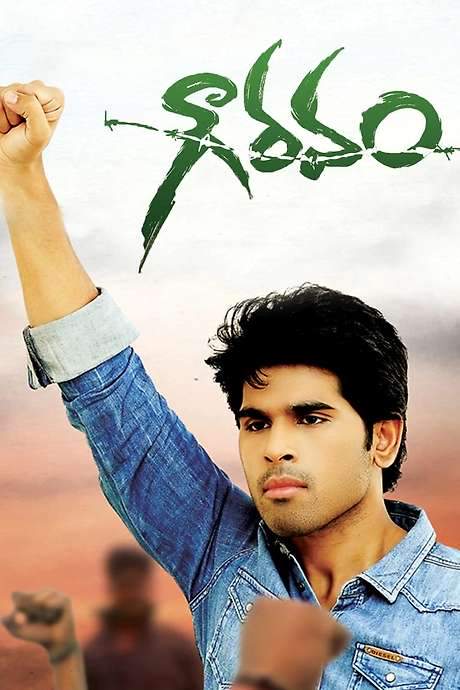
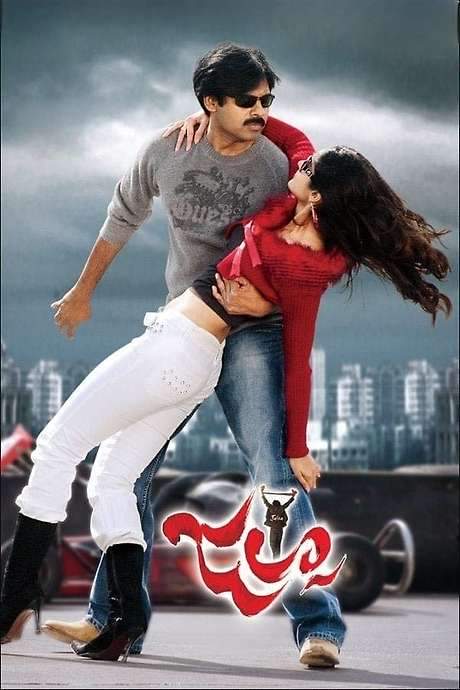
Sanju, a post-graduate who works as an aerobics instructor, is firmly rooted in a life that swings between lighthearted romance and the sharp edge of danger. He loves Indu, a woman who dreams of marrying him, but her father, a police officer and an old acquaintance of Sanju, refuses to approve their union. Bound by his duty to his daughter’s wishes, Indu’s father pushes for a marriage arranged by tradition, setting a conflict in motion that threads through the entire narrative.
The story expands its canvas when Indu’s sister Bhagyamathi, known as Bhagi, and her friend Jyothsna, called Jo, are chased by hoodlums and rescued by Sanju. This rescue marks the beginning of a far-reaching dynamic: Jo and Bhagi each fall for Sanju, though they are unaware of the other’s feelings. Jo makes the first move with a proposal, only to be gracefully turned down by Sanju. Observing her friend’s unsuccessful romance, Bhagi, with the help of Seenu, launches a more persistent campaign to win Sanju’s heart. Seenu, a witty but well-meaning adviser, crafts new schemes to catch his attention. Bhagi’s plan evolves from charming him at a distance to moving into Sanju’s house by clearing out the prior tenants, all in a bid to be closer to him. In a string of comedic misadventures, Bhagi’s determined pursuit plays out in increasingly imaginative ways, giving the film its buoyant, humorous rhythm.
As the romance unfolds, a shadow looms: Damodar Reddy, a powerful land grabber who controls much of the local terrain, is released on parole with an eye on Sanju. Damodar’s return triggers a dangerous game of cat and mouse, as he targets Sanju and his allies, including a kidnap attempt on Sanju’s friend Abhi. Sanju rescues Abhi, but this act is tinged with disappointment as his friends question the morality of vigilantism and warn against taking the law into one’s own hands. The tension intensifies as Sanju reveals a deeply painful flashback: he hails from a poor rural family. His brother dies from heart disease during childhood, his father commits suicide after crop failures, and his mother also passes away. At a burial, Sanju’s pain manifests physically when he slips and nearly collapses by a stone pillar; he pries the pillar from the ground, an act that provokes Damodar Reddy’s henchmen and signals a turning point in his life.
This moment leads Sanju to a leaner, grimmer path: he flees into a forest and joins the Naxalites. In a subsequent combing operation, he aligns with Indu and Bhagi’s father, a police officer, forming a coalition to dismantle the Naxalite faction in a fierce encounter. The experience reshapes him, and he is rehabilitated as a college student in Hyderabad, trying to balance past trauma with a future he’s chosen to build.
Back in the present, Bhagi confesses her desire to marry Sanju to her father, who reveals a startling truth: Sanju is not only Indu’s former lover but also an ex-Naxalite. This revelation drives Bhagi to accept an arranged engagement with Raghuram, a move that provokes Sanju to retaliate by trying to derail the match. Sanju’s fight is personal and ruthless, culminating in a dramatic confrontation with Damodar Reddy, who is revealed as the mastermind behind much of the violence. Sanju abducts Damodar Reddy’s younger son and faces off against the patriarch in a conflict that ends with a crucial moral lesson: the art of winning a war lies in defeating the enemy, not killing him. In a decisive turn, Sanju defeats Damodar Reddy and walks away with Bhagi by his side, choosing forgiveness over revenge.
The fallout of these revelations shakes the relationships and the community alike. Bhagi’s engagement to Raghuram collapses under the weight of family loyalty and Sanju’s fierce declarations, leading to a reconsideration of the path forward. In the end, Sanju and Bhagi marry, weaving a fragile peace into their new life together. The story closes on a note of quiet tragedy and resilience: Damodar Reddy, now paralyzed, dies of a heart attack on the very road where Sanju’s victory over his forces was sealed, a somber reminder of the cycles of conflict that shaped the characters’ lives.