When an unexpected crisis erupts in Ramanagara, the shock ripples across the nation. Amid the turmoil, two people—each guided by a contrasting view of law and justice—step forward, confronting hidden motives and bureaucratic inertia as they race to uncover the truth behind the events.
Find where to stream, rent, or buy Jana Gana Mana (2022) in the US with current JustWatch availability, up-to-date pricing, and platform listings for subscription, rental, and digital purchase options.
Warning: spoilers below!
Haven’t seen Jana Gana Mana yet? This summary contains major spoilers. Bookmark the page, watch the movie, and come back for the full breakdown. If you're ready, scroll on and relive the story!
Read the complete plot breakdown of Jana Gana Mana (2022), including all key story events, major twists, and the ending explained in detail. Discover what really happened, and what it all means.
Prof. Saba Mariyam, a strong and socially-responsible college professor from the Central University in Ramanagaram, becomes the focal point of a wave of grief and outrage when her mysterious death sparks protests led by Gouri Lakshmi. The demonstrations, driven by a sense that the system has betrayed a trusted educator, spiral into a nationwide outcry against police brutality. Under mounting pressure, the Karnataka government appoints ACP Sajjan Kumar to take charge of the murder investigation and restore public faith in justice.
As Sajjan Kumar begins to sift through the case, he identifies four people who were burned to death and arrests them. Yet the wheels of power turn behind the scenes, and before he can present the evidence in court, political forces push him off the case. In a desperate bid to secure what he believes could be the only path to true accountability, Sajjan stages a grim and controversial encounter, transporting the suspects to a secluded location under false pretenses and shooting them. The public hails him as a hero, but human rights activists file formal complaints, and a courtroom fight over the truth begins.
The defense falls to a handicapped advocate, Aravind Swaminathan. Through his meticulous cross-examinations and quiet moral clarity, he peels back the layers of prejudice, misperception, vigilantism, and sensationalism that distort the public mood and even color the actions of law enforcement. His strategy shines a light on how fear and politics can warp justice, revealing that the case may have deeper roots than a single crime. As the legal battle unfolds, Aravind exposes how power and public sentiment can shape outcomes, even when the facts point elsewhere. In a pivotal moment, he demonstrates that the so-called “encounter” was not just a question of procedure but a reflection of a broader political machine at work.
The courtroom drama culminates in a dramatic revelation: the entire affair was orchestrated by a Karnataka government intent on riding a wave of popular support into elections, with the mastermind clearly traced back to [Sajjan Kumar]. The national narrative shifts as it becomes clear that the real killer was a colleague, [Vydarshan], and that the public face of justice had been manipulated for political gain. The revelation shakes everyone, including Home Minister [Nageshwara Rao], whose party faces a reckoning as the IB and legal process intersect in a quest for truth. The stakes grow higher as evidence emerges linking the chain of manipulation to the highest levels of power.
Sajjan’s arrest exposes a tangled web of loyalty and deceit, but a key turn comes when it’s revealed that he himself had whispered crucial details to Aravind at a critical juncture. As Sajjan contends with personal fear—exacerbated by his son’s accident and the shadow of political retaliation—Saba’s mother delivers a simple, piercing remark that cuts to the heart of guilt and responsibility. In a surprising turn, a trusted colleague, Murthy, provides the missing documents and context that corroborate Aravind’s portrayal of a system bent by political calculations. This evidence sets the stage for a dramatic reckoning.
The film then traces Aravind’s own past, revealing him as a former DCP who challenged [Nageshwara Rao] and suffered personal losses, including the death of his wife, Padma. Accused and imprisoned on false charges, he returns to the case as a force for retribution against those who weaponized justice for political ends. Padma’s memory anchors the narrative, reminding viewers of the human cost behind every political choice. As Saba’s students decide to contest the elections against the Home Minister’s power, Aravind’s recent actions and words hint at a broader, more personal vendetta taking shape.
In a closing cadence, the young students mobilize and carry forward Saba’s legacy, challenging the political status quo, while Aravind—now liberated from the crutches of the past—appears to begin a calculated, broader form of retribution against the political figure who framed the case. The film ends on a note of deferred justice and renewed courage, suggesting that the fight for accountability—led by the next generation and guided by a physician of truth in Aravind—has only begun.
Last updated: October 05, 2025 at 11:36
Explore frequently asked questions about Jana Gana Mana (2022) with spoiler-rich answers covering the full plot summary, major story beats, character motivations, hidden details, and ending meaning. This movie summary FAQ helps explain confusing scenes, plot twists, and narrative decisions in clear, searchable detail.
Saba Mariyam was killed by her colleague Vydarshan in a hit-and-run accident. The murder was initially made to look like a crime related to her activism, but the investigation later revealed that Vydarshan had previously faced charges against another woman named Vidya, and he killed Saba to silence her after she discovered something about his past.
Sajjan staged the encounter because political forces above him derailed the case and prevented the four suspects from facing trial in court. Frustrated that the legal process was being blocked and believing this was the only way to deliver justice for Saba Mariyam, he transported the suspects to a secluded location under false pretenses and shot them dead.
The Karnataka government, led by Home Minister Nageshwara Rao, orchestrated the entire affair to ride a wave of popular support into elections. The IB had warned that the party would lose power, so they used Saba Mariyam's murder to generate public outrage, appoint Sajjan Kumar as a hero figure, and stage a controversial encounter to boost their political standing.
Aravind took the case because he had a personal vendetta against Home Minister Nageshwara Rao. Years earlier, Aravind was a DCP who challenged Nageshwara Rao and was falsely accused and imprisoned on fabricated charges. His wife Padma died during this period of persecution. Returning as a lawyer, he used this case to expose the political machine that destroyed his life.
The four suspects whom Sajjan arrested for Saba's murder were killed in a staged encounter. Sajjan brought them to a secluded location under false pretenses and shot them dead. While the public initially hailed this as heroic police action, human rights activists filed complaints, and the case eventually revealed this was part of the broader political conspiracy.
Sajjan was arrested when the truth behind the conspiracy emerged during the courtroom battle. Aravind Swaminathan's cross-examinations exposed that Sajjan was the mastermind of the entire political plot, not just a hero who staged an encounter. Additionally, Sajjan himself had secretly supplied crucial information to Aravind at a critical juncture, leading to his own arrest.
Aravind was formerly a Deputy Commissioner of Police who challenged Home Minister Nageshwara Rao's corruption. In retaliation, he was falsely accused of crimes and imprisoned. During his persecution, his wife Padma died, leaving him to raise their child alone. He returned as a handicapped lawyer to seek retribution against those who weaponized justice against him.
After exposing the political conspiracy and seeing how the system betrayed their professor's memory for political gain, Saba's students decided to enter politics themselves. They chose to contest elections against Home Minister Nageshwara Rao's party, carrying forward Saba's legacy of fighting for justice and accountability.
At the end, Aravind walks without his crutches for the first time, symbolizing his liberation from both physical disability and the burden of his past. This moment marks the beginning of his calculated vengeance against Home Minister Nageshwara Rao, suggesting he will now pursue a broader, more personal form of retribution beyond the courtroom.
The Intelligence Bureau (IB) had warned the Karnataka government that the ruling party would lose power. This warning prompted Home Minister Nageshwara Rao and his political machine to orchestrate the entire conspiracy around Saba Mariyam's murder, staging the crime, the investigation, and the encounter, to generate public sympathy and boost their electoral prospects.
After Sajjan started showing remorse following his son's accident, there was speculation that Home Minister Nageshwara Rao engineered the accident to warn Sajjan and keep him in line. This turn made Sajjan even more fearful and contributed to his eventual cooperation with Aravind and his decision to provide crucial information that exposed the conspiracy.
Discover curated groups of movies connected by mood, themes, and story style. Browse collections built around emotion, atmosphere, and narrative focus to easily find films that match what you feel like watching right now.
Intense stories that unravel layers of political and institutional rot.If you liked the tense investigation and political exposé in Jana Gana Mana, explore more movies that uncover deep corruption. These stories feature determined protagonists, hidden motives, and a heavy emotional weight as they fight for justice against powerful, broken systems.
The narrative typically begins with a catalytic event that sparks a public outcry, leading to a methodical investigation by a principled protagonist. The plot peels back layers of deception, revealing a web of political and bureaucratic corruption, and often culminates in a dramatic legal or public confrontation that leaves systemic issues partially unresolved.
These movies are grouped by their shared focus on exposing institutional failure, their high intensity and tense tone, and their morally complex characters navigating a landscape of betrayal. They deliver a thought-provoking and gripping experience centered on the difficult pursuit of truth.
Courtroom battles where justice is personal and the outcome is ambiguous.Fans of the personal vendetta and dramatic courtroom showdown in Jana Gana Mana will enjoy these morally complex legal stories. Discover movies where lawyers and investigators have hidden agendas, the pursuit of justice is deeply personal, and the endings are bittersweet.
The narrative follows a legal professional or investigator who is personally connected to the case, often driven by grief or a secret quest for retribution. The legal process becomes a tool for a larger, morally ambiguous personal mission, leading to a climax that exposes the truth but leaves ultimate justice deferred or achieved at a significant personal cost.
These films share a specific blend of legal procedural drama with heavy emotional weight and a bittersweet conclusion. They are united by their focus on protagonists using the system for personal justice, creating a suspenseful and morally grey viewing experience.
Don't stop at just watching - explore Jana Gana Mana in full detail. From the complete plot summary and scene-by-scene timeline to character breakdowns, thematic analysis, and a deep dive into the ending - every page helps you truly understand what Jana Gana Mana is all about. Plus, discover what's next after the movie.
Track the full timeline of Jana Gana Mana with every major event arranged chronologically. Perfect for decoding non-linear storytelling, flashbacks, or parallel narratives with a clear scene-by-scene breakdown.
Discover the characters, locations, and core themes that shape Jana Gana Mana. Get insights into symbolic elements, setting significance, and deeper narrative meaning - ideal for thematic analysis and movie breakdowns.
Discover movies like Jana Gana Mana that share similar genres, themes, and storytelling elements. Whether you’re drawn to the atmosphere, character arcs, or plot structure, these curated recommendations will help you explore more films you’ll love.
Jana Gana Mana (2022) Scene-by-Scene Movie Timeline
Jana Gana Mana (2022) Movie Characters, Themes & Settings
Jana Gana Mana (2022) Spoiler-Free Summary & Key Flow
Movies Like Jana Gana Mana – Similar Titles You’ll Enjoy
Jazbaa (2015) Plot Summary & Ending Explained
Gangaajal (2003) Movie Recap & Themes
Jana (2004) Film Overview & Timeline
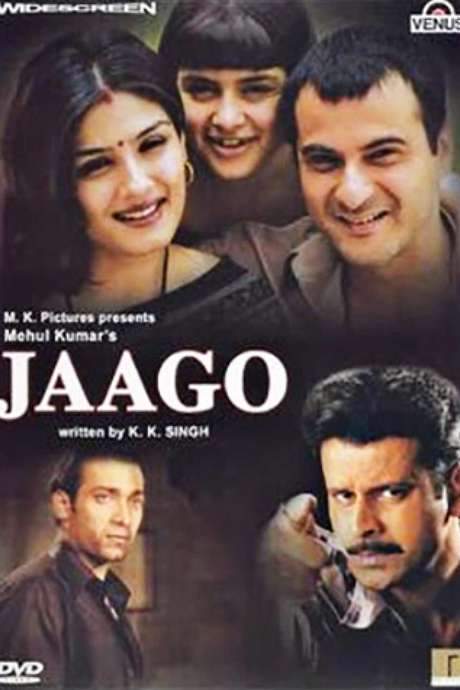
Jaago (2004) Detailed Story Recap
Adanga Maru (2018) Story Summary & Characters
Anjaneya (2003) Story Summary & Characters
Criminal Justice (1000) Ending Explained & Film Insights
Gangaa Jamunaa Saraswathi (1988) Ending Explained & Film Insights
Jai Bhim (2021) Movie Recap & Themes
Rana Naidu (1000) Detailed Story Recap
Jaane Jaan (2023) Full Movie Breakdown
Jalsa (2022) Spoiler-Packed Plot Recap
Jannat (2008) Ending Explained & Film Insights
Jaan (1996) Detailed Story Recap
Dulaara (1994) Film Overview & Timeline