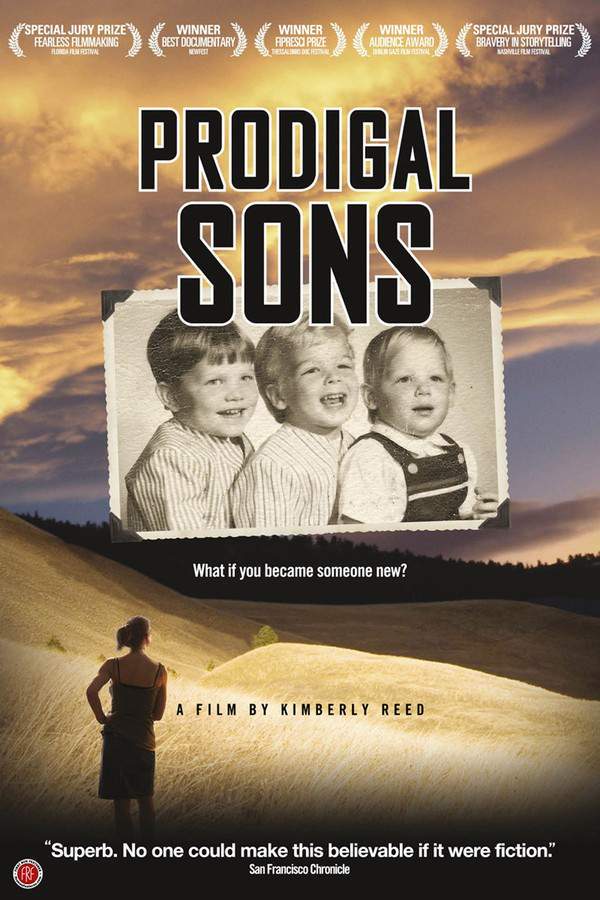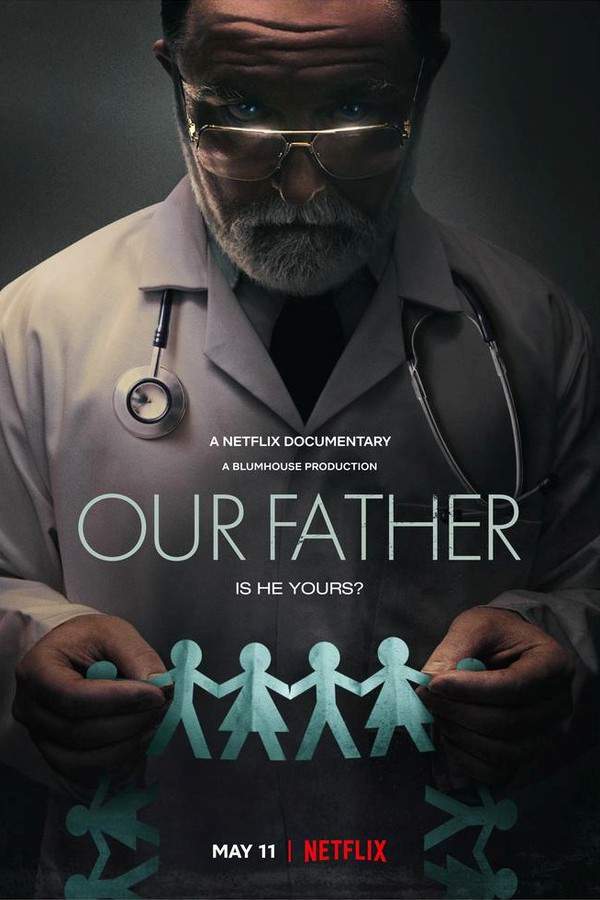
Plot Explained Spoilers guaranteed!
Plot Explained

Browse by genre

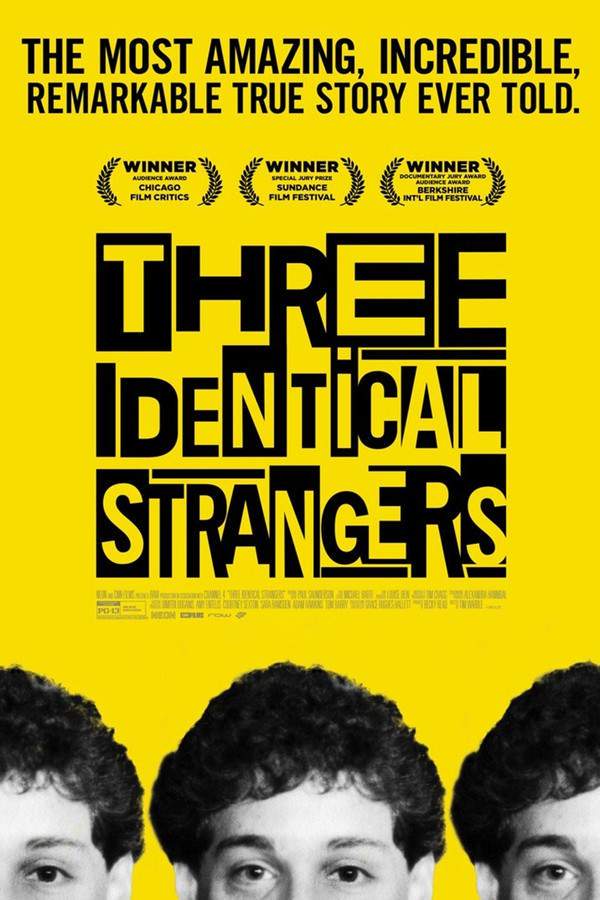
Three Identical Strangers (2018) movie poster

Timeline

Three Identical Strangers (2018) Timeline Explained – Every Event in Order

Release, runtime and language
2018 · 96 min · English
Echo score 88
Loading streaming availability…
Directed by
Tim Wardle
Starring
Adrian Lichter, Andrew Lovesey, David Kellman, David Straus, Eddy Galland, Evan LeRose

This incredible true story follows three brothers separated at birth and raised by different families. Their reunion is a shocking coincidence that quickly gains worldwide attention. As the trio navigates their newfound fame and connection, a surprising secret emerges, impacting their families and revealing a deeper, more complex history than anyone could have imagined.

On this page (6)
  1. 1 Where to watch
  2. 2 Events in order (15)
  3. 3 Timeline questions answered
  4. 4 Movie threads
  5. 5 Movies like Three Identical Strangers
  6. 6 Every angle
Loading streaming availability…

15 events in order · contains spoilers

Three Identical Strangers Timeline: Events in Chronological Order

Every key event of Three Identical Strangers (2018) in order, scene by scene, with when and where it takes place. Use it to untangle flashbacks, time jumps and parallel storylines, to refresh your memory before the sequel or to find the exact scene you are thinking of.

  1. The triplets are separated at birth

    As infants, the three identical brothers were separated and adopted out to different families without anyone knowing they had siblings. The adoption was handled through the Louise Wise adoption agency under the auspices of the Jewish Board of Guardians. Each boy was placed with a family of a different economic level: one blue-collar, one middle-class, and one affluent.

    When
    During their infancy
    Where
    New York
  2. A secret childhood study

    Each boy was involved as a child in a study conducted by psychiatrists Peter B. Neubauer and Viola W. Bernard. The study involved periodic home visits and evaluations of the children. The true intent of these visits was never explained to the adoptive parents.

    Where
    New York
  3. A case of mistaken identity at college

    In 1980, Robert Shafran arrived on the campus of Sullivan County Community College in upstate New York. He was constantly greeted by students and staff who incorrectly recognized him as Eddy Galland. Puzzled by the misplaced recognition, Shafran looked into the matter and discovered the existence of his twin brother.

    When
    1980
    Where
    Sullivan County Community College, upstate New York
  4. Bobby and Eddy meet for the first time

    That same evening, Robert Shafran and Eddy Galland met face to face. The two young men compared their life stories and found striking parallels between them. Both had been adopted, and they quickly concluded that they were identical twin brothers.

  5. David Kellman completes the trio

    Months later, the publicity surrounding the twins' reunion reached David Kellman. He noticed his own resemblance to the pair and learned that his adoption circumstances matched theirs exactly. His arrival confirmed that the two brothers were in fact three identical triplets.

    When
    Months after the reunion
  6. Uncanny similarities emerge

    As the brothers spent time together, they discovered they were alike in many ways beyond their appearance. They had the same taste in food, smoked the same brand of cigarettes, and had all wrestled in high school. They also found they had shown similar signs of separation anxiety as children.

  7. An instant media sensation

    The story of three identical brothers who found each other by chance quickly captured public attention. The triplets became a minor media sensation and appeared on popular talk shows such as The Phil Donahue Show. They celebrated their newfound brotherhood in the spotlight.

  8. Moving in together and opening a restaurant

    Riding the wave of their fame, the three brothers moved in together to embrace their new life as a family. They went into business as a trio and opened a restaurant called Triplets, which they operated together. The venture became a symbol of their celebrated reunion.

  9. Parents demand answers from the agency

    Following the discovery that the boys were triplets, the adoptive parents sought more information from the Louise Wise adoption agency. The agency claimed that it had separated the infants because of the difficulty of placing triplets in one household. This explanation, however, would soon be contradicted by further investigation.

  10. The truth about the experiment

    Upon further investigation, it was revealed that the infants had been intentionally separated and placed with families with different parenting styles and economic levels. The placement was part of an experiment on human subjects, not a practical adoption decision. The brothers and their families learned that their lives had unknowingly been part of a secret study from the very beginning.

  11. Why were they chosen?

    During the film, the siblings questioned whether they and other sets of twins involved in the study had been selected because their parents reported signs of mental illness before having children. One researcher interviewed in the documentary flatly denied this suggestion. According to the researcher, the research was simply about parenting.

  12. Cracks in the brotherhood

    Over time, differences among the triplets became increasingly apparent despite their identical genes. Their relationships became strained, especially due to the stress of running their restaurant together. The fairy-tale reunion began to reveal the real tensions beneath it.

  13. Battling mental health problems

    All three brothers struggled with mental health problems in their youth. Eddy Galland was diagnosed with manic depressive disorder and fought to cope with his condition. His struggles weighed heavily on him and on the family the triplets had built together.

  14. The death of Eddy Galland

    In 1995, Eddy Galland died by suicide after years of struggling with his mental health. His death devastated his brothers and cast a shadow over the joyful reunion that had made them famous. It also underscored the human cost of the secret experiment that had shaped their lives.

    When
    1995
  15. Sealed records and partial answers

    The results of the experiment were never published, and the records were ordered to remain sealed until 2066. At the end of the film, onscreen text explained that Kellman and Shafran were granted access to the files. However, the documents they received were heavily redacted and contained no formal conclusions.

Last updated: October 11, 2026 at 16:42

Was this helpful?

Timeline questions answered

Three Identical Strangers Timeline Explained: Your Questions Answered

When does it happen, and why in that order? The questions people ask about the chronology of Three Identical Strangers (2018): time jumps, flashbacks, cause and effect between scenes and the correct order of events, each answered with spoilers.

Q1

Why were the identical triplets separated at birth?

The three boys were intentionally separated by the Louise Wise adoption agency as part of a covert psychological study conducted by psychiatrists Peter B. Neubauer and Viola W. Bernard. Each infant was deliberately placed with a family of a different socioeconomic background, one blue-collar, one middle-class, and one affluent, to compare how different parenting styles and environments shaped children with identical genetics.

Foreshadowing: The agency initially told the adoptive parents that triplets were simply too difficult to place in a single home, a justification that later unraveled under investigation.

  • separation at birth
  • triplets adoption
  • louise wise agency
  • identical triplets
  • secret experiment
Q2

How did Robert Shafran end up being mistaken for Eddy Galland at college?

Robert Shafran arrived at Sullivan County Community College in 1980, the same institution Eddy Galland had attended before him. Because the two identical brothers had been raised in different families with no knowledge of each other, students and staff who knew Eddy simply assumed the new student was the same person they remembered. The coincidence of attending the same small college years apart turned out to be the trigger that reunited the brothers.

  • robert shafran
  • eddy galland
  • mistaken identity
  • sullivan county community college
  • college reunion
Q3

What was the secret childhood study the triplets were part of?

Throughout their childhoods, each of the three boys was subjected to periodic home visits and evaluations organized by the Jewish Board of Guardians through psychiatrists Peter B. Neubauer and Viola W. Bernard. The adoptive parents were never told the true purpose of these visits, believing them to be routine welfare check-ins. In reality, the evaluations were collecting data on how identical children developed across radically different family environments, making the triplets unwitting subjects in a nature-versus-nurture experiment.

Foreshadowing: The unexplained home visits that each family experienced independently would later be revealed as the data-gathering arm of the same hidden study.

  • childhood study
  • peter neubauer
  • viola bernard
  • jewish board of guardians
  • secret evaluations
Q4

Why did the triplets share so many similarities despite being raised apart?

The brothers discovered they had the same taste in food, smoked the same brand of cigarettes, had all wrestled in high school, and had even shown signs of separation anxiety as children. Because they were genetically identical and had no contact during their formative years, these parallel traits became some of the most compelling anecdotal evidence for the power of genetics. The similarities also fueled the brothers' public image and gave the documentary its central nature-versus-nurture tension.

  • identical similarities
  • nature vs nurture
  • shared traits
  • separation anxiety
  • genetic resemblance
Q5

Were the triplets chosen because their biological parents had mental illness?

During the documentary, the surviving brothers questioned whether they and other twins in the study had been deliberately selected because their biological parents had histories of mental illness, which would have made the experiment far more revealing. One researcher interviewed in the film flatly denied this, claiming the research focused only on parenting styles. Because the study's records remain sealed, the true selection criteria have never been confirmed.

  • selection criteria
  • mental illness
  • biological parents
  • twin study
  • parenting research
Q6

Why did the Louise Wise agency claim the brothers were separated for practical reasons?

When the adoptive parents contacted the Louise Wise adoption agency after learning the boys were triplets, the agency claimed they had been separated because placing three infants together in one household was logistically difficult. This explanation was a cover story designed to keep the true purpose of the separation hidden. Once journalists and the families investigated further, it became clear the placements had been deliberately engineered to create contrasting environments for the study.

Foreshadowing: The agency's convenient explanation about the difficulty of placing triplets began to fall apart as the placements were shown to be suspiciously balanced.

  • louise wise agency
  • adoption cover story
  • placement logistics
  • agency deception
  • triplet separation
Q7

What led to Eddy Galland's death in 1995?

Eddy Galland had been diagnosed with manic depressive disorder and struggled with his mental health for years. The emotional weight of learning that his entire childhood had been shaped by a covert experiment, combined with ongoing tensions among the brothers and the pressures of running their restaurant together, intensified his struggles. He died by suicide in 1995, and his death is presented in the film as a devastating human consequence of the secret study.

Foreshadowing: The documentary had already shown that all three brothers battled mental health issues, hinting at the tragedy to come.

  • eddy galland
  • suicide
  • manic depression
  • mental health
  • 1995 death
Q8

Why did the brothers' relationship deteriorate over time?

Although the early years of their reunion were filled with joy and media attention, the brothers eventually revealed very different personalities beneath their identical appearances. The stress of managing their shared restaurant, the unresolved trauma of discovering the experiment, and Eddy's declining mental health created lasting tension. The fairy-tale reunion slowly gave way to the reality that they had been shaped by three very different upbringings.

Foreshadowing: Early cracks appeared when the brothers clashed over business decisions at Triplets restaurant.

  • brotherhood tension
  • triplets restaurant
  • relationship strain
  • personality differences
  • reunion fallout
Q9

Why are the study's records sealed until the year 2066?

The results of the Neubauer-Bernard study were never published, and a court order sealed the official files until 2066, effectively shielding the researchers, the agency, and the institutions involved from accountability for decades. The extraordinary length of the seal prevents the surviving brothers, the families, and the public from accessing the full truth during their lifetimes. By the time the records are released, nearly all the people directly involved, including Eddy Galland, will be gone.

  • sealed records
  • 2066
  • court order
  • unpublished study
  • institutional secrecy
Q10

Why were the files David and Robert received heavily redacted?

At the end of the documentary, onscreen text reveals that David Kellman and Robert Shafran were eventually granted partial access to the study's records. However, the documents they received were heavily redacted, with names, conclusions, and key findings blacked out. The redactions meant the brothers were still denied the formal conclusions of the experiment that had been run on them as children, leaving the full scope of the study permanently hidden.

  • redacted files
  • document access
  • partial records
  • study conclusions
  • david kellman
  • robert shafran
Q11

Why were the adoptive parents never told about the study?

The adoptive families were kept in the dark because informed consent would have ruined the experiment and exposed the researchers to legal and ethical consequences. By framing the home visits as routine welfare check-ins, the Jewish Board of Guardians was able to gather longitudinal data on the boys without interference from the parents. This deliberate concealment is one of the central ethical violations the documentary condemns, because the children's development was measured and recorded without anyone protecting their interests.

Foreshadowing: The mysterious home visits that puzzled each family independently were the first clue that something beyond ordinary adoption services was happening.

  • adoptive parents
  • informed consent
  • hidden study
  • ethical violation
  • home visits
Q12

What was the restaurant the triplets opened together?

The three brothers opened a restaurant called Triplets in SoHo, Manhattan, shortly after their reunion became a media sensation. It served as both a business venture and a physical symbol of their newly formed family, with the brothers living above the restaurant and working together as a team. The venture also became a source of stress in later years, contributing to the tensions that fractured their relationship.

  • triplets restaurant
  • soho manhattan
  • brothers business
  • restaurant venture

Movie threads

More Movies Like Three Identical Strangers, by Mood & Story

Curated lists built around what makes Three Identical Strangers tick: the same mood, the same kind of story or the same emotional payoff. Each list explains why these movies belong together.

Documentaries Like Three Identical Strangers Where Joy Turns to Horror

Stories where wonder and warmth slowly curdle into grief, betrayal, and unthinkable truth. Looking for documentaries like Three Identical Strangers? This section features movies where a feel-good reunion or coincidence gradually exposes something deeply disturbing. If you appreciated how the film blends emotional connection with shocking investigative revelations, these similar true stories and character driven dramas share that same bittersweet shape.

  • reunion
  • hidden truths
  • bittersweet
  • unsettling
  • documentary
  • investigative
  • Tone: bittersweet, haunting
  • Pacing: steady, methodical
Why these movies?

The story pattern: Stories in this thread often begin with a small, wondrous coincidence, a long-awaited reunion, or a moment of profound human connection. The middle section lets viewers savor that warmth while hinting at a nagging unease. Eventually the narrative pivots toward investigation, uncovering systematic wrong, unethical experimentation, or a betrayal that reframes everything that came before. The final act leaves characters and viewers grappling with grief, anger, and a bittersweet sense that the truth came too late.

Why they belong together: Movies land in this thread because they share the same emotional architecture and dramatic pivot: a hopeful or wondrous opening that gradually curdles into something ethically devastating. They tend to be grounded in real life or feel-documentary in tone, with moderate complexity, steady pacing, and strong content warnings for emotional weight. Viewers who finish one film in this thread usually crave the next because the high-to-low emotional whiplash is the entire point of the experience.

Investigative Documentaries Like Three Identical Strangers That Expose Institutional Evil

Gripping investigations into powerful institutions hiding dark truths from the people they harmed. If you liked Three Identical Strangers and its blend of investigative rigor and emotional devastation, these similar documentaries and dramatic films dig into institutional cover-ups, unethical research, and the human cost of systemic deception. Expect methodical pacing, redacted files, brave whistleblowers, and endings that leave ethical questions uncomfortably unresolved.

  • investigative
  • exposé
  • institutional
  • disturbing
  • truth-seeking
  • whistleblower
  • Tone: disturbing, contemplative
  • Pacing: steady investigative
Why these movies?

The story pattern: These narratives are built around slow, evidence-driven investigations into institutions most viewers assumed were trustworthy, from hospitals and universities to governments and corporations. They follow journalists, survivors, or family members collecting testimony, combing through records, and confronting powerful people who would prefer the truth to stay sealed. The emotional arc trends from curiosity and disbelief toward outrage and grief, often ending with partial accountability, unfinished closure, or redacted answers that haunt long after the credits roll.

Why they belong together: These films belong together because they all put institutional wrongdoing, unanswered ethical questions, and investigative methodology at the center of the story. They tend to be heavy, sobering documentaries or docudramas with methodical pacing and high emotional intensity. The common appeal is the slow, angry, sometimes hopeless uncovering of systems that exploited the vulnerable and then tried to bury the evidence.

If you liked this

Movies Like Three Identical Strangers

Similar movies to Three Identical Strangers: the same genre, themes or kind of story. Each one comes with its own plot summary, timeline and ending explained.

Browse all movie summaries

Every angle

Three Identical Strangers (2018) Explained: Plot, Timeline & Characters

Everything about Three Identical Strangers in one place: what happens in the plot summary, the timeline in chronological order, the characters and meaning and a spoiler-free summary. What's After the Movie adds the cast, box office and post-credit scenes.

Coming soon on iOS and Android

The Plot Explained Movie Summary App

Plot summaries, endings explained and timelines on your phone. Catch up on any movie in minutes, save your favorites and never miss a twist again.

Be the first to know when we launch. Your email stays private, always.

Learn more about the app