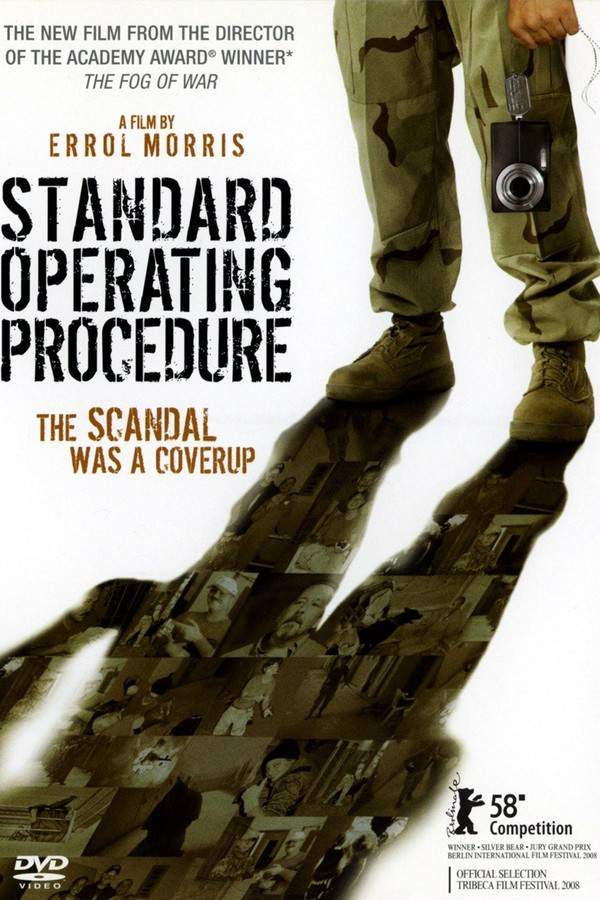






Year: 2008
Runtime: 116 min
Language: English
Director: Errol Morris
This film examines the circumstances surrounding the controversial photographs taken at Abu Ghraib prison. It explores the events leading up to the incident and investigates the systemic issues that contributed to the abuse of prisoners. Through interviews and analysis, the documentary seeks to understand the human element behind the images and reveal the broader culture of complicity that extended beyond the actions of a few individuals.
Warning: spoilers below!
Haven’t seen Standard Operating Procedure yet? This summary contains major spoilers. Bookmark the page, watch the movie, and come back for the full breakdown. If you're ready, scroll on and relive the story!
Read the complete plot breakdown of Standard Operating Procedure (2008), including all key story events, major twists, and the ending explained in detail. Discover what really happened—and what it all means.
Is it feasible for a single photograph to transform the world? The images captured by soldiers inside the Abu Ghraib prison not only shifted the course of the Iraq War but also altered America’s self-perception. Nonetheless, a significant mystery lingers: Do these infamous Abu Ghraib images serve as proof of systematic abuse perpetrated by the American military, or do they merely reflect the misconduct of a few individuals?
Our journey took us deep into the backdrop of these startling photographs. Why were they taken in the first place? What chaos lay beyond the edges of the frames? We engaged in conversations with the soldiers who took these haunting pictures as well as those who found themselves in them. Who are these individuals? What thoughts and feelings did they harbor? Over a rigorous two-year period, we gathered a staggering million and a half words of transcript from our interviews, alongside thousands of pages of unredacted documents, and hundreds of striking photographs. The narrative surrounding Abu Ghraib remains clouded with moral uncertainty; nonetheless, the events that transpired there remain chillingly clear.
The played-out saga of the Abu Ghraib photographs represents both a revelation and a concealment. They act as an expose, granting viewers an unsettling insight into the horrors witnessed at Abu Ghraib. Yet, they also serve as a coverup, leading journalists and the public to believe they had witnessed the entirety of the situation, creating an illusion that no further investigation was necessary. Recent news of the destruction of the Abu Zubaydah interrogation footage has emerged, adding layers to the ongoing coverup narrative. While this has garnered headline attention, the concealment tied to Abu Ghraib encompasses countless prisoners and numerous soldiers, leaving us to uncover its full extent.
Many in the media have pondered the existence of the “smoking gun” within the Abu Ghraib scandal. Yet, this inquiry misses the mark. As noted by Philip Gourevitch, “Abu Ghraib is the smoking gun.” A more profound question remains unresolved, even four years post-scandal: How could American ideals be so fundamentally compromised that the events at Abu Ghraib, along with the ensuing coverup, were able to unfold?
Last Updated: November 03, 2024 at 22:57
Discover curated groups of movies connected by mood, themes, and story style. Browse collections built around emotion, atmosphere, and narrative focus to easily find films that match what you feel like watching right now.
Documentaries that meticulously uncover the layers of corruption and complicity.For viewers who appreciated the deep dive into Abu Ghraib, this section features movies like Standard Operating Procedure. These similar documentaries focus on forensic analysis of political corruption, military scandals, and coverups, offering a sobering look at how systems fail.
The narrative is built around an investigation, often using interviews, archival footage, and documents to methodically challenge an accepted story. The journey is not about solving a mystery in the traditional sense, but about understanding the 'how' and 'why' of a systemic breakdown, leading to a morally ambiguous conclusion.
They share a commitment to rigorous, analytical storytelling, a dark and unsettling tone, and a heavy emotional weight derived from confronting uncomfortable truths about power and accountability.
Stories that dissect a public crisis from the inside out, revealing moral rot.If you liked Standard Operating Procedure's exploration of the human element behind the Abu Ghraib photos, discover more movies that dissect scandals. These films share a dark tone and heavy emotional weight, focusing on moral ambiguity and the complex reasons behind public failures.
These narratives often begin after a pivotal, infamous event and work backwards or inwards to understand the causes. The structure is less about linear progression and more about piecing together a puzzle of responsibility, frequently featuring multiple perspectives and challenging the audience to assign blame in a gray-area world.
They are connected by a shared dark tone, a steady pacing that allows for deep reflection, a high intensity due to the disturbing subject matter, and a central theme of moral ambiguity within powerful institutions.
Don't stop at just watching — explore Standard Operating Procedure in full detail. From the complete plot summary and scene-by-scene timeline to character breakdowns, thematic analysis, and a deep dive into the ending — every page helps you truly understand what Standard Operating Procedure is all about. Plus, discover what's next after the movie.
Track the full timeline of Standard Operating Procedure with every major event arranged chronologically. Perfect for decoding non-linear storytelling, flashbacks, or parallel narratives with a clear scene-by-scene breakdown.
Discover the characters, locations, and core themes that shape Standard Operating Procedure. Get insights into symbolic elements, setting significance, and deeper narrative meaning — ideal for thematic analysis and movie breakdowns.
Get a quick, spoiler-free overview of Standard Operating Procedure that covers the main plot points and key details without revealing any major twists or spoilers. Perfect for those who want to know what to expect before diving in.
Visit What's After the Movie to explore more about Standard Operating Procedure: box office results, cast and crew info, production details, post-credit scenes, and external links — all in one place for movie fans and researchers.
Discover movies like Standard Operating Procedure that share similar genres, themes, and storytelling elements. Whether you’re drawn to the atmosphere, character arcs, or plot structure, these curated recommendations will help you explore more films you’ll love.
Standard Operating Procedure (2008) Scene-by-Scene Movie Timeline
Standard Operating Procedure (2008) Movie Characters, Themes & Settings
Standard Operating Procedure (2008) Spoiler-Free Summary & Key Flow
Movies Like Standard Operating Procedure – Similar Titles You’ll Enjoy
Taxi to the Dark Side (2008) Detailed Story Recap
Dirty Wars (2013) Complete Plot Breakdown
The Road to Guantanamo (2006) Movie Recap & Themes
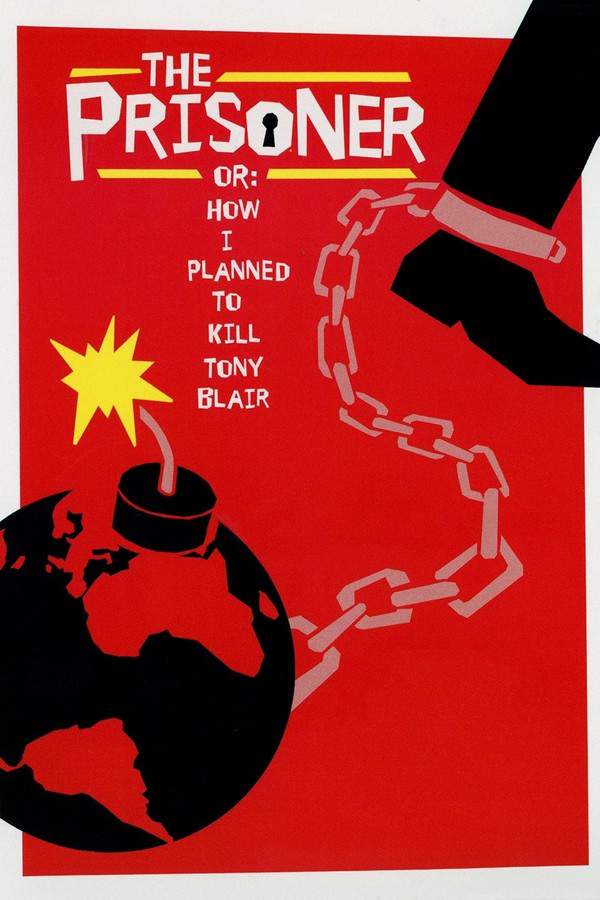
The Prisoner or: How I Planned to Kill Tony Blair (2007) Story Summary & Characters
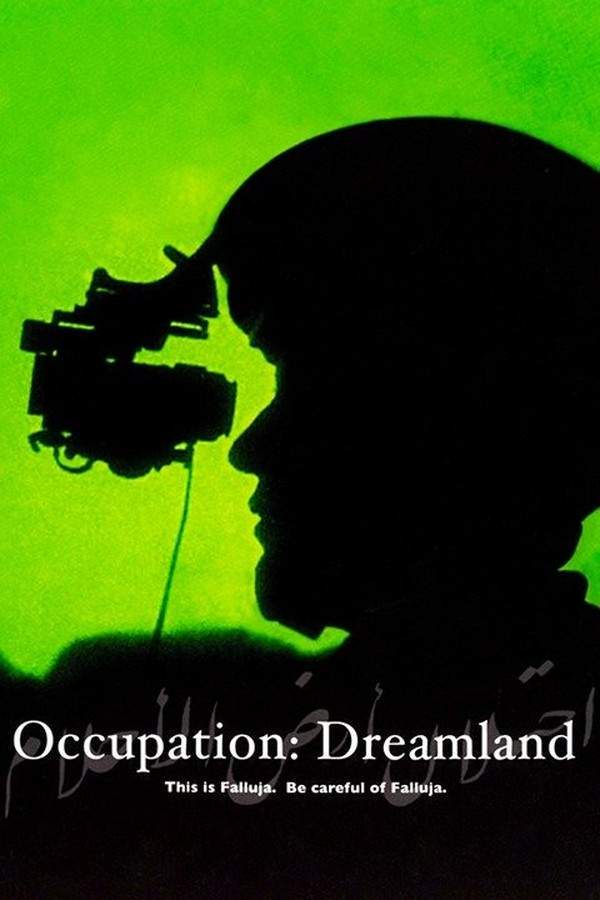
Occupation: Dreamland (2005) Movie Recap & Themes
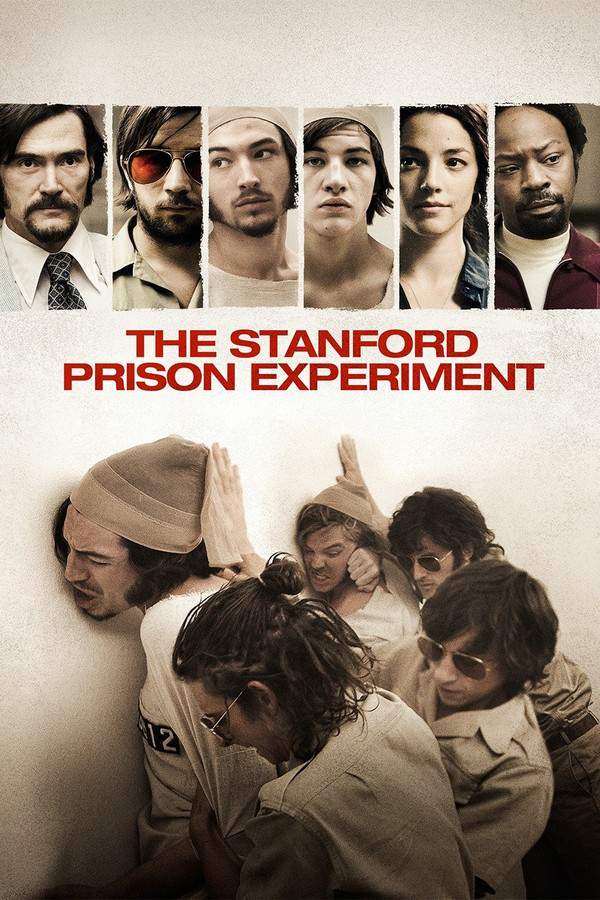
The Stanford Prison Experiment (2015) Movie Recap & Themes
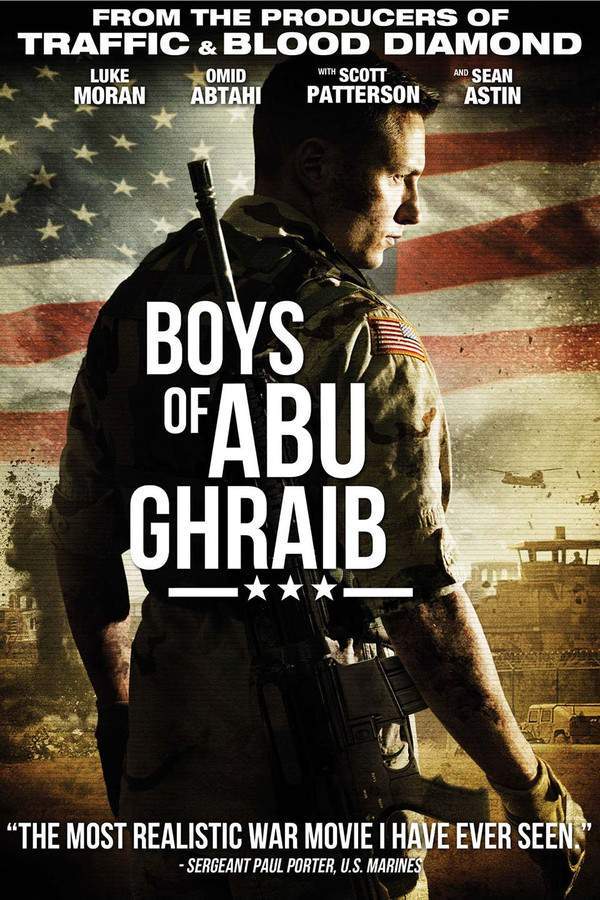
Boys of Abu Ghraib (2014) Plot Summary & Ending Explained
Strip Search (2004) Ending Explained & Film Insights
The Killing of America (1981) Film Overview & Timeline
State of Siege (1972) Plot Summary & Ending Explained
Punishment Park (1971) Movie Recap & Themes
This Is America (1977) Spoiler-Packed Plot Recap
Banned! In America I (1998) Ending Explained & Film Insights
Graphic Sexual Horror (2009) Spoiler-Packed Plot Recap
Slaughterhouse (2022) Plot Summary & Ending Explained