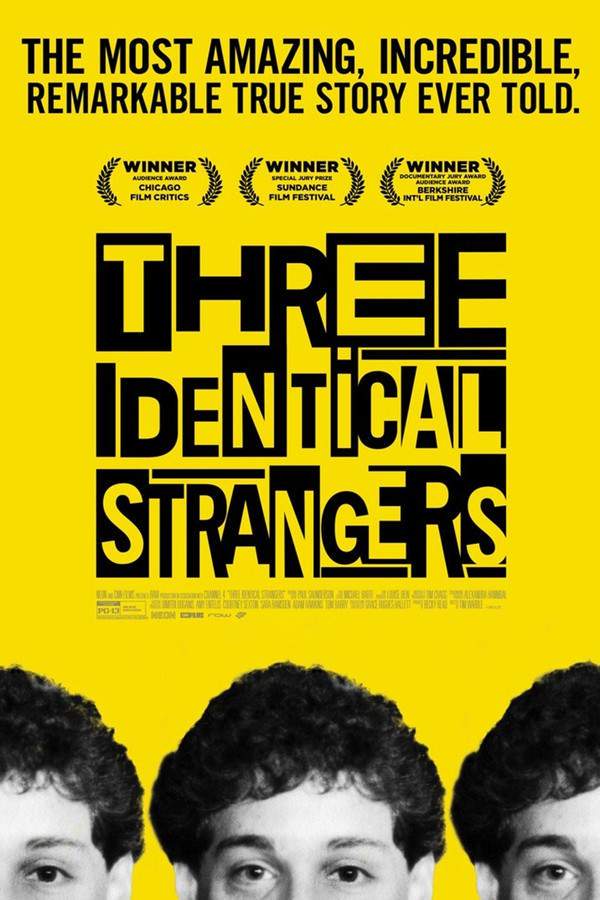
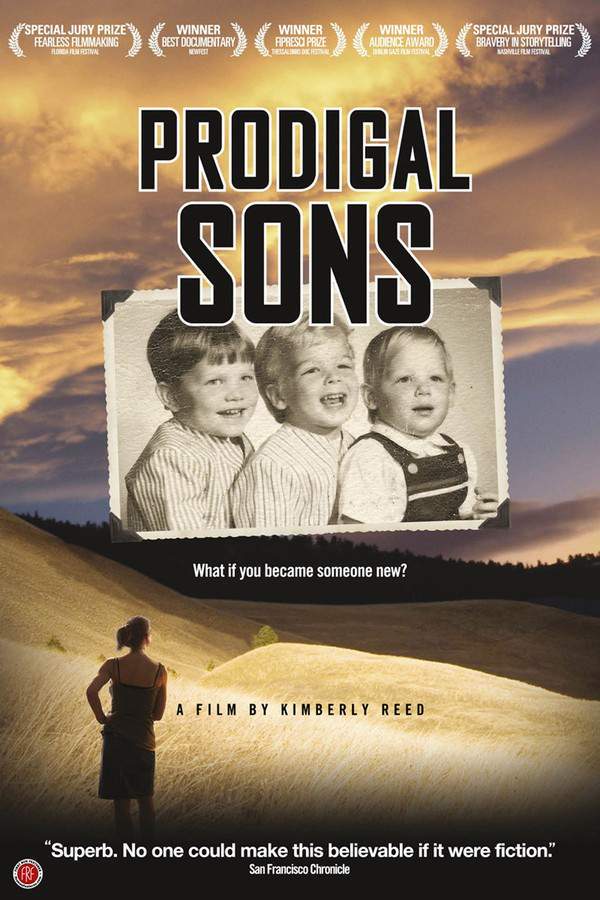
The story begins in 1980, when Robert Shafran arrived at the campus of Sullivan County Community College in upstate New York. Upon his arrival, he experienced a series of bizarre encounters where students and staff members constantly greeted him with familiarity, though he did not know them. It became clear that people were incorrectly recognizing him as another student named Eddy Galland. The two young men eventually met that very evening, and through their conversation, they discovered a shocking commonality: both had been adopted. They quickly reached the conclusion that they were long-lost twins.
The mystery deepened months later when the publicity surrounding this heartwarming human interest story caught the attention of David Kellman. Given his striking physical resemblance to the pair and the matching circumstances of his own adoption, it was soon revealed that the three of them were actually identical triplets.
As they spent more time together, the brothers were astonished to find that their similarities extended far beyond their physical appearance. They shared the exact same tastes in food, smoked the same brand of cigarettes, and had both wrestled during their high school years. Even their childhoods mirrored one another, as all three had exhibited signs of separation anxiety as young children. This discovery turned them into a minor media sensation, leading to appearances on high-profile programs such as The Phil Donahue Show. In a celebration of their newfound brotherhood, the three decided to move in together and venture into business by opening a restaurant called Triplets, which they operated as a team.
However, a darker narrative emerged regarding their origins. It was discovered that each boy had been a subject in a childhood study conducted by psychiatrists Peter B. Neubauer and Viola W. Bernard, operating under the Jewish Board of Guardians. This study involved periodic home visits and evaluations, yet the true intent of these visits was never disclosed to the adoptive parents. When the parents eventually sought answers from the Louise Wise adoption agency, they were told that the boys had been separated simply because it was difficult to place triplets in a single household.
Further investigation revealed a much more sinister truth: the infants had been intentionally separated and placed into families with vastly different economic backgrounds and parenting styles—specifically, one blue-collar, one middle-class, and one affluent household—as part of a calculated experiment on human subjects. During the film, the siblings question whether they and other twins in the study were selected because their biological parents had histories of mental illness. When confronted, one researcher interviewed flatly denies this, insisting the research was strictly focused on parenting.
As the years passed, the initial euphoria of their reunion faded. Differences in personality became more apparent, and the strain of managing their restaurant caused their relationships to become tense. All three brothers had struggled with mental health issues during their youth. Tragically, Eddy Galland, who had been diagnosed with manic depressive disorder, died by suicide in 1995.
The scientific results of this controversial experiment were never published, and the official records are scheduled to remain sealed until the year 2066. The film concludes with onscreen text revealing that David Kellman and Robert Shafran were eventually granted access to some of the files; however, the documents were heavily redacted and provided no formal conclusions regarding the experiment.