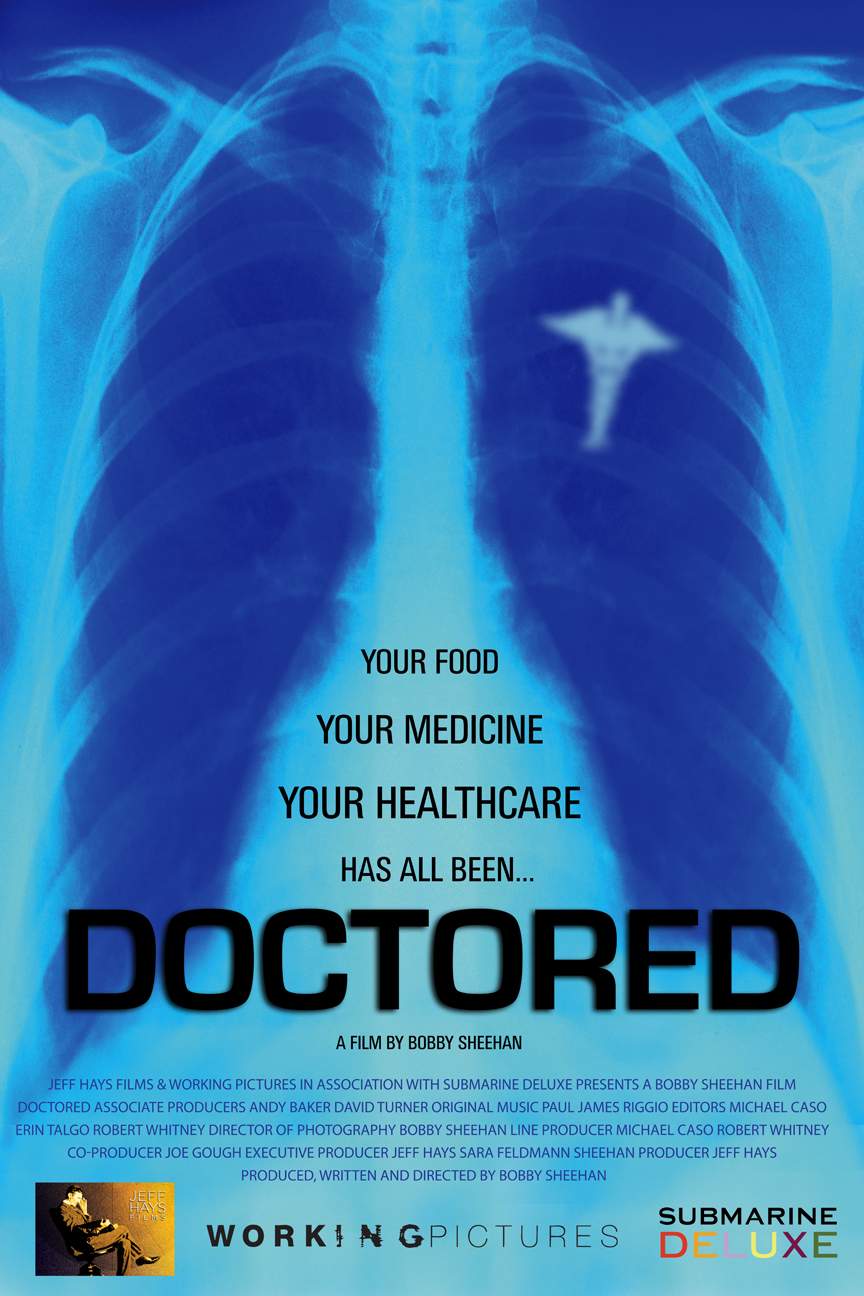
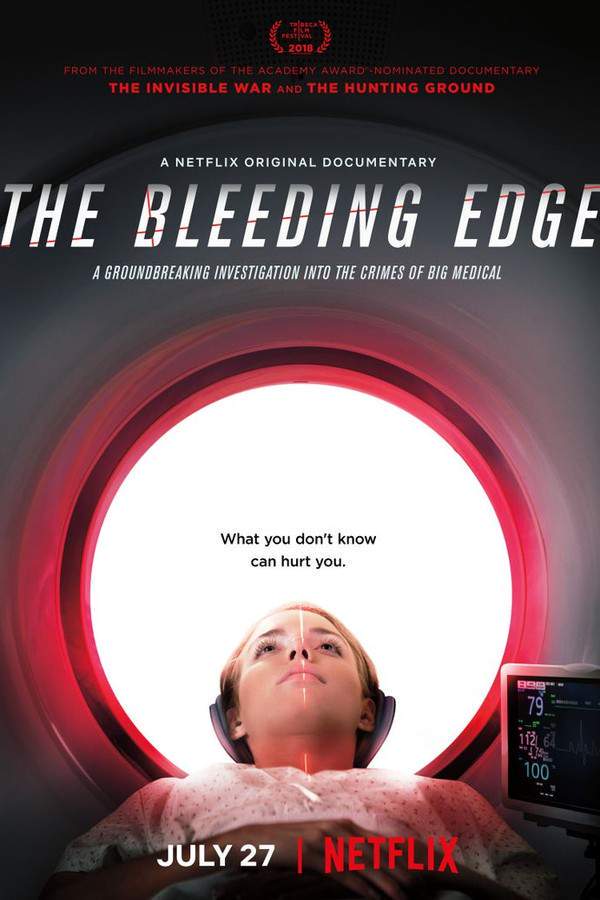
Your food can significantly impact your health, as discussed in this documentary. It emphasizes that 95% of soy contains genetically modified organisms which incorporate both bacterial and viral DNA, leading to the creation of new antigens. The film advocates for taking care of our soil, which is a crucial living organism that nurtures our bodies in return. It reveals the powerful truth that we are what we eat, illustrating that food can act as our medicine. The creators also express concern over the production of seeds that yield no life.
On the subject of medicine, the documentary criticizes figures like Morris Fishbine, also known as the "Medical Mussolini," who is labeled as the root of medical racism. It underscores that the American Medical Association (AMA) is not reliant on physicians for economic sustainability because of their ties to pharmaceuticals. The AMA may challenge specific drugs or ethical practices associated with pharmaceutical companies but paradoxically continues to profit from them. It cites instances where companies like Perdue faced lawsuits for misrepresenting the addictive nature of their products, revealing the dark side of prescription practices.
The film sheds light on the worrisome percentages of unnecessary medical procedures, noting that 20% of surgeries are deemed unnecessary and that 50-90% of back surgeries could fail. The alarming statistics continue as it claims that 125,000 people die annually from improper prescriptions. It questions the ethics of pushing chemotherapy on a young boy who displayed no signs of cancer, emphasizing how some parents were even threatened with kidnapping if they resisted medical intervention.
Furthermore, it emphasizes that America, with only 5% of the world’s population, consumes over 50% of the world's prescriptions. The documentary criticizes how patients increasingly come to doctors demanding specific medications, essentially reducing healthcare professionals to mere drug providers. Particularly troubling is the statistic that opioid overdosing has become the second leading cause of death among teenagers, surpassing even motor vehicle accidents.
The film also delves into the realm of healthcare, scrutinizing practices like chiropractic treatment. It juxtaposes the public's perception of chiropractors to that of cultists and reflects on the historical antagonism they faced from traditional medical circles. The AMA's attempts to undermine chiropractic practices are revealed, including a lawsuit where chiropractors fought back against the AMA for violating antitrust laws, ultimately exposing the lengths to which traditional medicine might go to protect their turf.
A poignant takeaway from the documentary is the realization that true healthcare is centered on prevention and restoring balance, rather than merely treating symptoms or applying invasive procedures. It raises questions about the philosophy that guides modern medicine, urging a shift from seeing healthcare as sick care, and challenges viewers to consider a more holistic approach to health and wellness.