Year: 2004
Runtime: 138 min
Language: English
Director: Michael Radford
Budget: $30M
Set in 16th century Venice, the story follows a merchant who is unable to repay a substantial loan from a resentful Jewish moneylender. The loan was originally secured for a friend hoping to pursue a romantic relationship. When the debt becomes impossible to fulfill, the moneylender exacts a cruel and devastating penalty, setting in motion a chain of events filled with prejudice, betrayal, and the struggle for justice.
Find where to stream, rent, or buy The Merchant of Venice (2004) in the US with current JustWatch availability, up-to-date pricing, and platform listings for subscription, rental, and digital purchase options.
Warning: spoilers below!
Haven’t seen The Merchant of Venice yet? This summary contains major spoilers. Bookmark the page, watch the movie, and come back for the full breakdown. If you're ready, scroll on and relive the story!
Trace every key event in The Merchant of Venice (2004) with our detailed, chronological timeline. Perfect for unpacking nonlinear stories, spotting hidden connections, and understanding how each scene builds toward the film’s climax. Whether you're revisiting or decoding for the first time, this timeline gives you the full picture.
Last updated: November 22, 2024 at 18:56
Find frequently asked questions about the The Merchant of Venice (2004) timeline, including chronological order, nonlinear jumps, cause-and-effect links, and scene sequence clarifications. This timeline FAQ helps explain when key events happen, how moments connect, and why the story unfolds in that specific order.
Antonio agrees to the brutal terms because he feels obligated to help his close friend Bassanio win Portia's hand. His ships are trapped at sea, leaving him without immediate funds, and he sees no other option to secure the 3000 ducats Bassanio needs. Additionally, Antonio harbors deep contempt for Shylock and underestimates the moneylender's willingness to follow through on such a cruel threat, dismissing the risk as minimal.
Earlier, Antonio casually insults Shylock by spitting on him, establishing his dismissive and hostile attitude toward the Jewish moneylender.
Shylock's vengefulness stems from years of systematic abuse and humiliation at the hands of Venetian Christians, particularly Antonio. The film highlights a recent incident where Antonio spat on Shylock in public, deepening his bitter resentment. His anger intensifies after his daughter Jessica betrays him by eloping with the Christian Lorenzo and stealing his wealth. These cumulative grievances fuel his insistence on enforcing the literal terms of the bond.
Shylock's monologue about being denied basic human dignity establishes his deep-seated resentment toward Christian society.
Portia disguises herself as a male legal scholar named Balthasar and travels to Venice to intervene in Antonio's trial. When Shylock refuses any settlement and insists on taking the pound of flesh, Portia cleverly points out a fatal flaw in the contract: it specifies flesh but explicitly forbids shedding blood. She warns that if any blood is spilled while cutting the flesh, Shylock's lands and wealth will be forfeit to the state. This legal technicality forces Shylock to abandon his claim.
The casket trial earlier demonstrates Portia's keen intellect and ability to interpret hidden meanings within contracts and riddles.
The contract's precise wording becomes Shylock's undoing. It grants him the right to claim "a pound of flesh" from Antonio but does not authorize drawing any blood. Portia argues that the contract allows only flesh to be taken, and since cutting flesh would inevitably cause blood to flow, Shylock would be violating the terms. She declares that if Shylock spills even a single drop of blood, all his property will be confiscated. This forces him to abandon his claim.
The play's emphasis on precise contractual language and the consequences of literal interpretation sets up this exacting standard.
Jessica, Shylock's daughter, abandons her father and converts from Judaism to Christianity to marry Lorenzo, a young Venetian gentleman. Her betrayal is motivated by her desire to escape her father's oppressive household and pursue a life of freedom and love. She also steals a significant amount of Shylock's wealth and a treasured ring, compounding his humiliation and fueling his rage against Christians.
Jessica's loneliness and longing for a different life are hinted at through her conversations about feeling trapped.
After being outmaneuvered by Portia, Shylock is stripped of nearly everything. The court awards half his wealth to Antonio and the other half to the state, though Antonio later graciously grants his portion to Jessica and Lorenzo. Shylock's life is spared, but he is forced to convert from Judaism to Christianity as punishment for his attempt to kill a Christian. He is left humiliated, impoverished, and spiritually violated.
Portia's earlier speech about mercy directly warns Shylock of the consequences of refusing to show compassion.
Bassanio chooses the humble lead casket over the golden and silver options because he recognizes that outward appearances and material value are deceptive. He reasons that the cheap, plain lead carries the risk and reward of true love, unlike the showy allure of gold and silver that would attract a fool. His willingness to risk everything for love proves his sincerity, and inside he finds Portia's portrait, securing her hand.
Portia's earlier observation about the nature of her suitors hints that true love requires substance over appearances.
Shylock refuses Bassanio's multiple offers to repay three times the original loan amount because money cannot fulfill his true desire for revenge. Years of suffering anti-Semitic abuse from Antonio and other Christians have left him craving justice and humiliating his oppressors. Taking Antonio's life publicly fulfills his hunger for retribution more powerfully than any financial gain could.
Shylock's earlier declaration that he seeks "justice" rather than mere repayment establishes his vengeful intent.
After the trial, Bassanio offers Portia (still disguised as Balthasar) a ring as thanks for saving Antonio. Portia initially refuses, playing on Bassanio's emotions, until Antonio urges him to give the ring to the mysterious lawyer. The exchange serves as playful banter between the couples and underscores the symbolic significance of wedding rings in committing to one's promises.
Earlier, Portia gives Bassanio a ring with the instruction that he must never lose it or give it away.
Antonio receives the devastating news earlier in the film that all his ships have sunk, leaving him unable to repay Shylock and facing the threat of death. However, in the film's final moments, it is revealed that three of his ships have actually returned safely, restoring his fortune and bringing joy after the courtroom ordeal. This reversal provides a happy conclusion for Antonio amid the story's darker themes.
Antonio's initial confidence in his shipping ventures establishes the stakes when the news of their loss first arrives.
Discover curated groups of movies connected by mood, themes, and story style. Browse collections built around emotion, atmosphere, and narrative focus to easily find films that match what you feel like watching right now.
Courtroom conflicts where justice and mercy collide under immense pressure.If you enjoyed the tense courtroom drama of The Merchant of Venice, explore more movies like it. This thread features high-stakes legal battles, stories of prejudice and justice, and complex dramas where a single case tests the limits of law and mercy.
The narrative typically revolves around a single, pivotal court case that serves as the story's climax. A character's fate hinges on the interpretation of a contract, law, or principle, creating immense tension. The journey explores the motivations behind the legal action—often revenge or principle—and culminates in a verdict with profound personal and ethical ramifications.
These films are grouped by their shared focus on a central, high-tension legal conflict. They feature a steady, deliberate pacing that builds towards the courtroom climax, a heavy emotional weight derived from the stakes involved, and complex themes of justice, revenge, and moral ambiguity.

Stories where historical injustice leads to pyrrhic victories and moral costs.Discover movies similar to The Merchant of Venice that explore themes of prejudice and injustice in a historical setting. These films share a bittersweet tone, heavy emotional weight, and complex characters grappling with societal intolerance, perfect for fans of thoughtful historical drama.
The narrative follows characters trapped by the rigid prejudices of their time. A conflict, often personal, escalates to expose the harsh realities of societal intolerance. While the plot may resolve the immediate crisis, the ending is bittersweet; societal norms remain largely unchallenged, and characters are left scarred, highlighting the personal cost of systemic injustice.
This thread groups films that share a specific emotional and thematic mix: a historical setting, a central theme of prejudice, a tense and heavy tone, and a conclusively bittersweet ending. The experience is defined by this combination of intellectual engagement with historical conflict and the emotional impact of a victory that feels like a loss.
Don't stop at just watching - explore The Merchant of Venice in full detail. From the complete plot summary and scene-by-scene timeline to character breakdowns, thematic analysis, and a deep dive into the ending - every page helps you truly understand what The Merchant of Venice is all about. Plus, discover what's next after the movie.
Read a complete plot summary of The Merchant of Venice, including all key story points, character arcs, and turning points. This in-depth recap is ideal for understanding the narrative structure or reviewing what happened in the movie.
Discover the characters, locations, and core themes that shape The Merchant of Venice. Get insights into symbolic elements, setting significance, and deeper narrative meaning - ideal for thematic analysis and movie breakdowns.
Discover movies like The Merchant of Venice that share similar genres, themes, and storytelling elements. Whether you’re drawn to the atmosphere, character arcs, or plot structure, these curated recommendations will help you explore more films you’ll love.
The Merchant of Venice (2004) Plot Summary & Movie Recap
The Merchant of Venice (2004) Scene-by-Scene Movie Timeline
The Merchant of Venice (2004) Spoiler-Free Summary & Key Flow
Movies Like The Merchant of Venice – Similar Titles You’ll Enjoy
Much Ado About Nothing (1993) Story Summary & Characters
Shakespeare in Love (1998) Story Summary & Characters
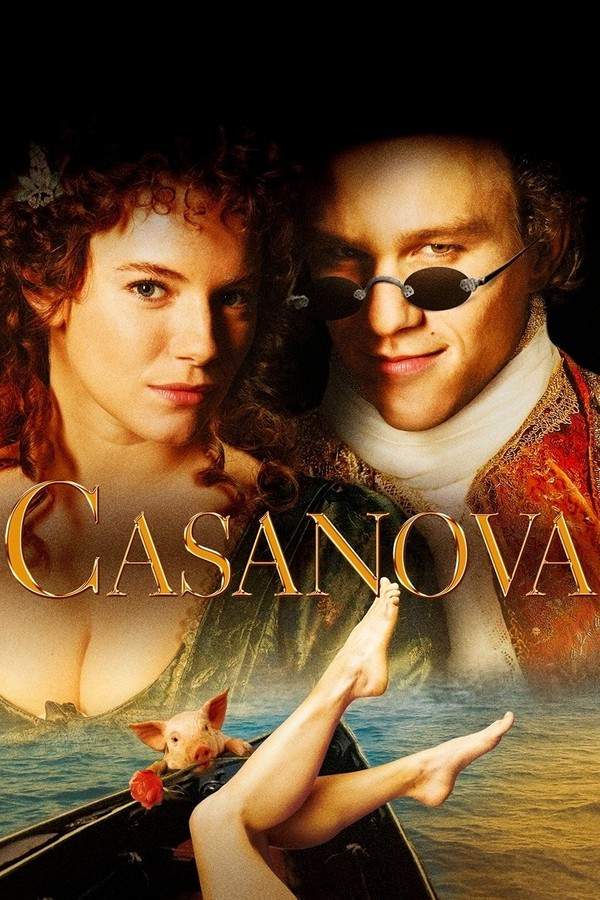
Casanova (2005) Detailed Story Recap
The Merchant of Venice (1980) Plot Summary & Ending Explained
The Venetian Woman (1986) Plot Summary & Ending Explained
The Merchant of Venice (1911) Ending Explained & Film Insights
Death in Venice (1971) Full Movie Breakdown
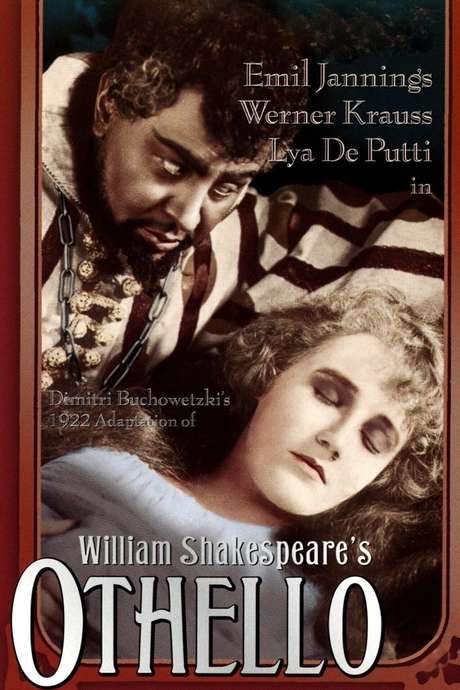
Othello (1922) Spoiler-Packed Plot Recap
The Lovers of Verona (1949) Detailed Story Recap
The Merchant of Venice (1969) Full Summary & Key Details
The Love Merchant (1966) Ending Explained & Film Insights
The Jew of Mestri (1923) Ending Explained & Film Insights
Volpone (1941) Full Summary & Key Details
Venice/Venice (1992) Plot Summary & Ending Explained
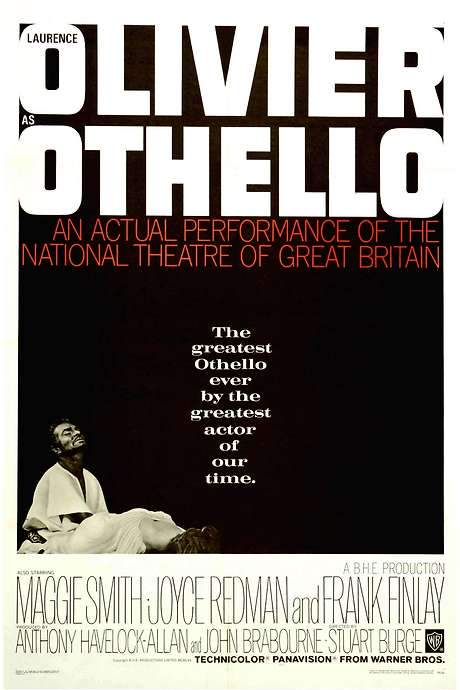
Othello (1965) Movie Recap & Themes