Year: 2004
Runtime: 138 min
Language: English
Director: Michael Radford
Budget: $30M
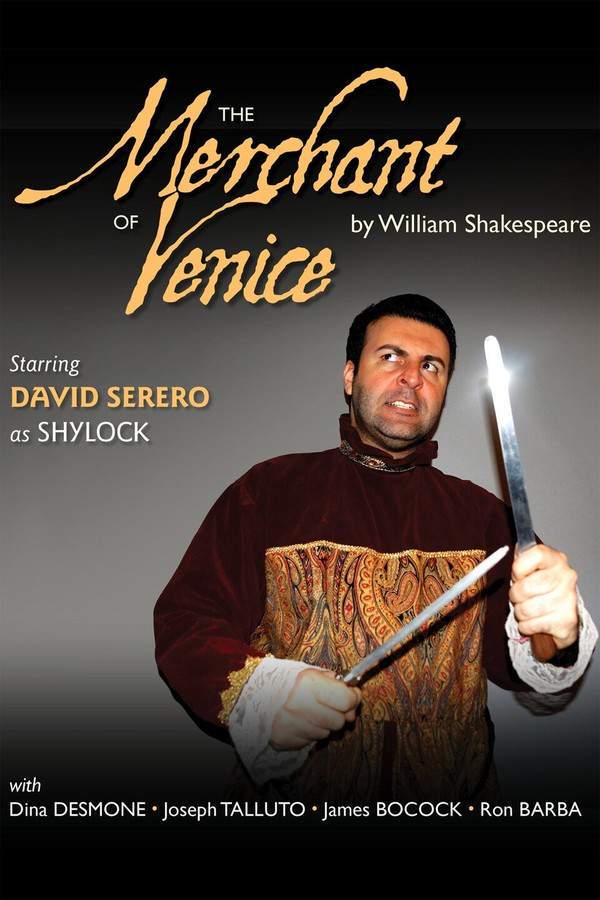
Set in 16th century Venice, the story follows a merchant who is unable to repay a substantial loan from a resentful Jewish moneylender. The loan was originally secured for a friend hoping to pursue a romantic relationship. When the debt becomes impossible to fulfill, the moneylender exacts a cruel and devastating penalty, setting in motion a chain of events filled with prejudice, betrayal, and the struggle for justice.
Find where to stream, rent, or buy The Merchant of Venice (2004) in the US with current JustWatch availability, up-to-date pricing, and platform listings for subscription, rental, and digital purchase options.
Warning: spoilers below!
Haven’t seen The Merchant of Venice yet? This summary contains major spoilers. Bookmark the page, watch the movie, and come back for the full breakdown. If you're ready, scroll on and relive the story!
Explore the full timeline and setting of The Merchant of Venice (2004). Follow every major event in chronological order and see how the environment shapes the story, characters, and dramatic tension.
Last updated: October 23, 2024 at 08:45
Meet the key characters of The Merchant of Venice (2004), with detailed profiles, motivations, and roles in the plot. Understand their emotional journeys and what they reveal about the film’s deeper themes.
Last updated: October 23, 2024 at 08:45
Explore the central themes of The Merchant of Venice (2004), from psychological, social, and emotional dimensions to philosophical messages. Understand what the film is really saying beneath the surface.
Last updated: October 23, 2024 at 08:45
Browse frequently asked questions about The Merchant of Venice (2004) focused on characters, relationships, themes, symbols, setting, and story context. This movie info FAQ gives spoiler-aware explanations for character arcs, world details, and thematic interpretation so readers can better understand what the film is really about.
The story unfolds primarily in Venice, a vibrant city known for its canals and role as a center of trade and culture. A key secondary location is Belmont, an idyllic and serene setting where romantic pursuits unfold, contrasting sharply with the tension-filled streets of Venice.
The movie is set in 16th century Venice, a period marked by evolving social norms around commerce, religion, and justice. This era was characterized by significant tensions between Christians and Jews, with the story reflecting struggles for compassion and mercy within strict legal frameworks.
The movie explores three major themes: justice and mercy in the courtroom confrontation between Shylock and Antonio; love and sacrifice, particularly through Bassanio's romantic quest and the bonds of friendship; and identity and deception, exemplified by Portia's disguise as Balthasar which challenges gender roles and reveals how appearances can be misleading.
Shylock is a Jewish moneylender who serves as the film's complex antagonist. Driven by vengeance after experiencing sustained societal prejudice from Christians, he demands the literal pound of flesh promised in Antonio's contract. His character challenges viewers to empathize with the grievances of a marginalized individual while examining the moral implications of his unyielding pursuit of justice.
Portia is a highly intelligent and resourceful heiress bound by her deceased father's will, which requires suitors to choose the correct casket to win her hand. Her significance lies in her empowerment within societal constraints, she disguises herself as a young male lawyer named Balthasar to save Antonio in court, demonstrating wit, loyalty, and mastery over the very legal system that threatens the protagonist.
Antonio and Shylock have a deeply contentious relationship rooted in religious prejudice. Antonio, a Christian merchant, openly despises Shylock and has previously insulted him in public. When Antonio defaults on a loan, Shylock uses the legal contract to pursue his pound of flesh, seeing this as an opportunity for justice and revenge against years of humiliation and discrimination.
Bassanio is motivated by romantic idealism and ambition. He seeks to marry Portia in Belmont, driven by genuine love but also by the practical need for wealth to restore his financial standing. His character embodies the tension between romantic pursuit and harsh economic reality, as he relies heavily on his friend Antonio to secure the necessary funds for his courtship.
The movie explores justice through the famous courtroom scene where Portia, disguised as a lawyer, must decide Shylock's fate. The film examines whether strict legal interpretation or mercy should prevail, ultimately revealing that true justice requires compassion. Shylock receives his legal right but is humiliated and forced to convert, raising complex questions about the moral implications of victory through rigid law.
The loan agreement early in the film establishes the contract that becomes the basis for the courtroom drama.
Venice and Belmont represent contrasting worlds within the story. Venice is a bustling commercial hub filled with tension, prejudice, and the high-stakes courtroom drama. Belmont, by contrast, is an idyllic, peaceful setting where romance flourishes and characters pursue love without the harsh realities of Venetian commerce and conflict. This contrast emphasizes the story's exploration of different human motivations.
Thematically, the movie grapples with the tension between law and mercy, the destructive nature of prejudice and vengeance, and the complexities of love and identity. The bittersweet ending sees the main characters find happiness, but this is counterbalanced by Shylock's devastating public humiliation and forced conversion, leaving viewers with a moral victory that carries significant emotional and ethical weight.
Discover curated groups of movies connected by mood, themes, and story style. Browse collections built around emotion, atmosphere, and narrative focus to easily find films that match what you feel like watching right now.
Courtroom conflicts where justice and mercy collide under immense pressure.If you enjoyed the tense courtroom drama of The Merchant of Venice, explore more movies like it. This thread features high-stakes legal battles, stories of prejudice and justice, and complex dramas where a single case tests the limits of law and mercy.
The narrative typically revolves around a single, pivotal court case that serves as the story's climax. A character's fate hinges on the interpretation of a contract, law, or principle, creating immense tension. The journey explores the motivations behind the legal action—often revenge or principle—and culminates in a verdict with profound personal and ethical ramifications.
These films are grouped by their shared focus on a central, high-tension legal conflict. They feature a steady, deliberate pacing that builds towards the courtroom climax, a heavy emotional weight derived from the stakes involved, and complex themes of justice, revenge, and moral ambiguity.
Stories where historical injustice leads to pyrrhic victories and moral costs.Discover movies similar to The Merchant of Venice that explore themes of prejudice and injustice in a historical setting. These films share a bittersweet tone, heavy emotional weight, and complex characters grappling with societal intolerance, perfect for fans of thoughtful historical drama.
The narrative follows characters trapped by the rigid prejudices of their time. A conflict, often personal, escalates to expose the harsh realities of societal intolerance. While the plot may resolve the immediate crisis, the ending is bittersweet; societal norms remain largely unchallenged, and characters are left scarred, highlighting the personal cost of systemic injustice.
This thread groups films that share a specific emotional and thematic mix: a historical setting, a central theme of prejudice, a tense and heavy tone, and a conclusively bittersweet ending. The experience is defined by this combination of intellectual engagement with historical conflict and the emotional impact of a victory that feels like a loss.
Don't stop at just watching - explore The Merchant of Venice in full detail. From the complete plot summary and scene-by-scene timeline to character breakdowns, thematic analysis, and a deep dive into the ending - every page helps you truly understand what The Merchant of Venice is all about. Plus, discover what's next after the movie.
Read a complete plot summary of The Merchant of Venice, including all key story points, character arcs, and turning points. This in-depth recap is ideal for understanding the narrative structure or reviewing what happened in the movie.
Track the full timeline of The Merchant of Venice with every major event arranged chronologically. Perfect for decoding non-linear storytelling, flashbacks, or parallel narratives with a clear scene-by-scene breakdown.
Discover movies like The Merchant of Venice that share similar genres, themes, and storytelling elements. Whether you’re drawn to the atmosphere, character arcs, or plot structure, these curated recommendations will help you explore more films you’ll love.
The Merchant of Venice (2004) Plot Summary & Movie Recap
The Merchant of Venice (2004) Scene-by-Scene Movie Timeline
The Merchant of Venice (2004) Spoiler-Free Summary & Key Flow
Movies Like The Merchant of Venice – Similar Titles You’ll Enjoy
Much Ado About Nothing (1993) Complete Plot Breakdown
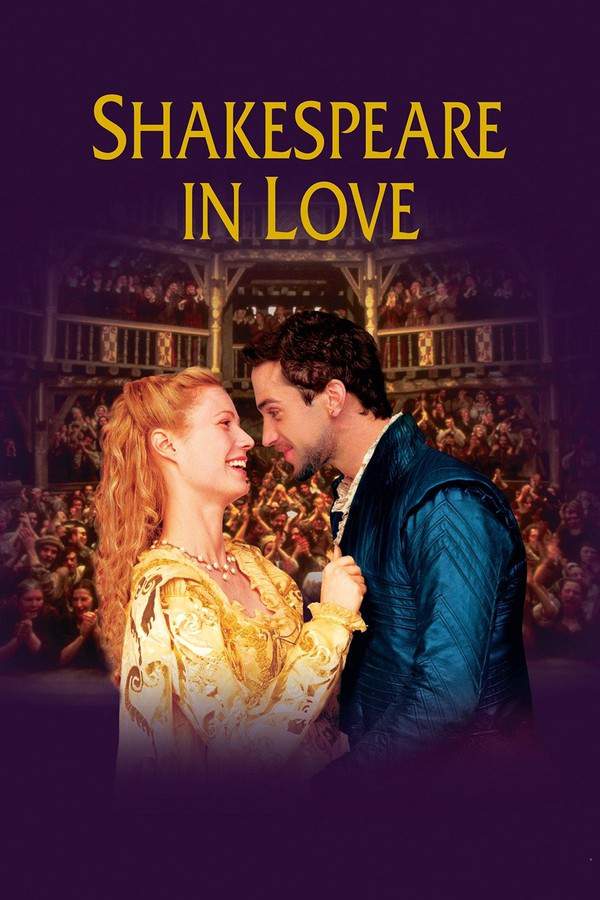
Shakespeare in Love (1998) Movie Recap & Themes
Casanova (2005) Ending Explained & Film Insights
The Merchant of Venice (1980) Spoiler-Packed Plot Recap
The Venetian Woman (1986) Plot Summary & Ending Explained
The Merchant of Venice (1911) Story Summary & Characters
Death in Venice (1971) Full Summary & Key Details
Othello (1922) Plot Summary & Ending Explained
The Lovers of Verona (1949) Story Summary & Characters
The Merchant of Venice (1969) Full Movie Breakdown
The Love Merchant (1966) Full Summary & Key Details
The Jew of Mestri (1923) Movie Recap & Themes
Volpone (1941) Film Overview & Timeline
Venice/Venice (1992) Plot Summary & Ending Explained
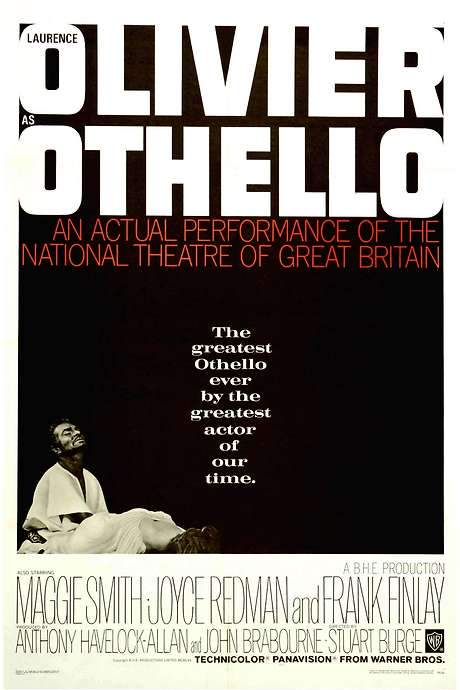
Othello (1965) Detailed Story Recap