Plot Explained Spoilers guaranteed!
Plot Explained

Browse by genre

The House That Screamed (1969) movie poster

Characters & Themes

The House That Screamed (1969) Characters, Setting & Themes Explained

Release, runtime and language
1969 · 100 mins · English
Directed by
Chicho Ibáñez Serrador
Starring
Mary Maude, Lilli Palmer, Frank Braña, Cándida Losada, John Moulder-Brown, Víctor Israel

In 19th‑century southern France, young Teresa arrives at a secluded all‑girls boarding school ruled by the tyrannical headmistress Mrs. Fourneau. The strict matriarch’s protective yet oppressive shadow over her frail son Luis casts an ominous presence over the pupils, whose lives become increasingly perilous.

On this page (7)
  1. 1 Characters explained (4)
  2. 2 Where & when it takes place
  3. 3 Themes & meaning (3)
  4. 4 Character & meaning questions
  5. 5 Movie threads
  6. 6 Movies like The House That Screamed
  7. 7 Every angle

4 main characters · contains spoilers

The House That Screamed Characters Explained: Who Is Who

The main characters of The House That Screamed (1969), heroes and villains: what drives them, how they change over the course of the story and what each of them reveals about the film's bigger ideas.

  • Teresa Garan (Cristina Galbó)

    Teresa is an eighteen-year-old new enrollee who immediately senses the school’s eerie atmosphere. She pursues a cautious romance with Luis while growing wary of the regime and the disappearances surrounding the campus. Her courage and skepticism push back against the abuse she encounters.

    • 💘 Romance
    • 🧭 Mystery
    • 🎭 Drama
  • Irene Tupan (Mary Maude)

    Irene is a senior student and Fourneau’s protégé, a devoted enforcer of the regime who blames others when things go wrong. Her resolve foreshadows her plan to leave the school, and she is ultimately slain in the attic, illustrating the deadly consequences of resistance.

    • 🔪 Violence
    • 👊 Abuse
    • 🎭 Drama
  • Luis (John Moulder-Brown)

    Luis is the headmistress’s son, a troubled boy whose repressed desires erupt into psychotic acts. He stalks the girls to collect body parts and assembles a 'perfect' woman modeled on his mother’s image.

    • 💢 Obsession
    • 🧠 Madness
    • 🎭 Drama
  • Señora Fourneau (Lilli Palmer)

    Señora Fourneau is the strict, abusive headmistress who wields power through fear and discipline. Her relationship with Irene and her son reveals a cycle of control that ultimately collides with deadly consequences.

    • 🧭 Control
    • 🎭 Drama

Last updated: October 04, 2025 at 15:07

Was this helpful?

Setting

Where and When Does The House That Screamed Take Place?

The setting of The House That Screamed (1969): the year and time period, the places and locations, and how they shape the characters, the mood and the tension of the story.

Time period

19th century

The action unfolds in an era of rigid social codes in France, where female sexuality and autonomy are heavily policed. Institutions like this boarding school reflect a culture of surveillance, punishment, and conformity. The period mood enhances the sense of dread as mysterious disappearances accumulate behind the school’s walls.

Location

19th-century French boarding school

A stern, secluded boarding school for troubled girls in 19th-century France, run with an iron fist by the headmistress. The institution is tightly watched, with locked gates, keys and routines that discipline, separate students, and foster whispers of disappearances. The setting is claustrophobic and secretive, a place where authority is absolute and resistance comes at a cost.

  • 🏫 Boarding school
  • 🇫🇷 France
  • 🕯️ Gothic atmosphere

Last updated: October 04, 2025 at 15:07

Was this helpful?

3 major themes

The House That Screamed Meaning: Themes & Message Explained

What is The House That Screamed (1969) really about? The emotional, social and philosophical themes the film keeps returning to, its symbolism and the message beneath the surface.

  • Power

    The film centers on power dynamics between a brutal headmistress and the girls under her care, with control of doors, keys, and punishment used to enforce obedience. Irene’s loyalty to Fourneau shows how authority can corrupt and coerce. The looming threat of surveillance turns the school into a trap where dissent is dangerous. The ultimate violence reveals how power corrupts those who wield it most.

  • Obsession

    Luis’s fixation on creating his own ideal woman reveals a breakdown of healthy desire into dangerous compulsion. His frustration spills into stalking, collecting body parts, and shaping a 'perfect' figure to satisfy his psychosis. The story uses this obsession to explore the dangers of repressed sexuality and parental influence. The attic secret chamber becomes a monument to his fixation.

  • Confinement

    The girls are imprisoned by institutional rules, social stigma, and the architecture of the school itself. Teresa’s fear and isolation grow as disappearances mount and escape attempts are thwarted. The bullies and the mother-daughter dynamics intensify the sense of imprisonment. The film uses confinement to critique gendered oppression and the costs of rebellion.

Last updated: October 04, 2025 at 15:07

Was this helpful?

Character & theme questions

The House That Screamed Characters & Meaning: Your Questions Answered

The questions people ask about The House That Screamed (1969): who the characters really are, their relationships, what the symbols mean, where it takes place and what the movie is really about. Each answer contains spoilers.

Q1

Where is The House That Screamed set?

The film takes place at a secluded all-girls boarding school in 19th-century southern France. The institution is defined by its Gothic atmosphere, locked gates, strict routines, and an atmosphere of surveillance and discipline that creates constant tension among the students.

  • boarding school
  • france
  • gothic
  • setting
  • 19th century
Q2

What time period does the film depict?

The story unfolds in 19th-century France, an era characterized by rigid social codes where female sexuality and autonomy were heavily policed. This historical context informs the film's themes of surveillance, punishment, and conformity that permeate the boarding school environment.

  • 19th century
  • historical period
  • france
  • victorian era
Q3

Who is Mrs. Fourneau?

Señora Fourneau is the tyrannical headmistress who rules the boarding school with an iron fist. She wields power through fear and discipline, using control of doors, keys, and punishment to enforce obedience. Her complicated relationship with her son Luis and her protégé Irene reveals a cycle of control that has deadly consequences.

  • headmistress
  • fourneau
  • authority
  • control
  • mother
Q4

Who is Luis in the film?

Luis is the mentally unstable son of headmistress Fourneau, who lives in the school under his mother's protective yet oppressive watch. Repressed desires and parental influence have driven him to psychotic behavior, including stalking the girls and collecting body parts to create his ideal woman in the attic.

  • luis
  • son
  • obsession
  • psychosis
  • attic
Q5

Who is Teresa Garan?

Teresa is an eighteen-year-old new enrollee who immediately senses the school's eerie atmosphere. She becomes romantically involved with Luis while growing increasingly wary of the regime and the mysterious disappearances surrounding the campus. Her courage and skepticism represent resistance to the school's abusive power structure.

  • teresa
  • protagonist
  • new student
  • resistance
Q6

Who is Irene Tupan?

Irene is a senior student who serves as Fourneau's loyal enforcer, blaming other students when problems arise. Her devotion to the regime foreshadows her plan to leave the school, but she is ultimately killed in the attic, illustrating the deadly consequences of both compliance and resistance.

  • irene
  • senior student
  • enforcer
  • fourneau
  • victim
Q7

What is the power theme in The House That Screamed?

The film centers on power dynamics between the brutal headmistress and the girls under her care. Control of doors, keys, and punishment enforces obedience, while surveillance turns the school into a trap where dissent becomes dangerous. The ultimate violence reveals how power corrupts those who wield it, with Fourneau's control ultimately leading to catastrophic consequences.

  • power
  • control
  • authority
  • corruption
  • discipline
Q8

What does the film say about obsession?

Luis's fixation on creating his ideal woman reveals a breakdown of healthy desire into dangerous compulsion. His frustration manifests in stalking, collecting body parts, and shaping a 'perfect' figure to satisfy his psychosis. The attic secret chamber becomes a monument to his fixation, exploring how repressed sexuality and parental influence create dangerous psychological conditions.

  • obsession
  • desire
  • psychosis
  • body parts
  • attic
Q9

How does the film explore confinement?

The girls are imprisoned by institutional rules, social stigma, and the very architecture of the school. Teresa's fear and isolation grow as disappearances mount and escape attempts fail. The film uses this pervasive confinement to critique gendered oppression and illustrate the high costs of rebellion against systemic cruelty.

  • confinement
  • imprisonment
  • oppression
  • escape
  • rebellion
Q10

What does the film say about 19th-century attitudes toward women?

The film critiques 19th-century attitudes by depicting an institution where female sexuality and autonomy are strictly controlled. The boarding school reflects a culture of surveillance and conformity, where girls are disciplined into submission. The mysterious disappearances behind these walls highlight the deadly consequences of suppressing women's freedom and expression.

  • gender oppression
  • female repression
  • surveillance
  • conformity
  • Victorian era

Movie threads

More Movies Like The House That Screamed, by Mood & Story

Curated lists built around what makes The House That Screamed tick: the same mood, the same kind of story or the same emotional payoff. Each list explains why these movies belong together.

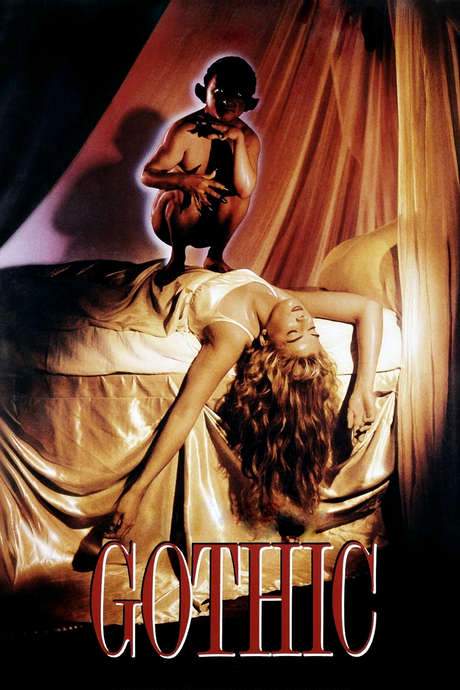
Gothic Horror Stories of Tyranny Like The House That Screamed

Stories of psychological terror within oppressive, rule-bound institutions. If you enjoyed the oppressive atmosphere and tyrannical authority in The House That Screamed, you'll find similar chills in these movies. This list features gothic horror films set in isolated institutions, where psychological terror and a palpable sense of dread are fueled by domineering figures and repressed secrets.

  • gothic
  • claustrophobic
  • oppressive
  • suspenseful
  • unsettling
  • psychological
  • Tone: dark, oppressive, psychologically disturbing
  • Pacing: steady, methodical build
Why these movies?

The story pattern: Narratives typically follow an outsider or group trapped within a secluded, institution-like setting—a school, asylum, or estate—ruled by an authoritarian. The plot unfolds as characters rebel against the oppressive system, uncovering dark secrets that often involve voyeurism, repressed desires, and a violent climax that shatters any illusion of safety.

Why they belong together: These films are grouped by their shared setting-driven dread, a dark and intense tone, and a focus on psychological horror over supernatural scares. They create a coherent experience of feeling trapped and surveilled, with a steady pacing that methodically builds towards a disturbing revelation.

Slow Burn Thrillers With Shocking Endings Like The House That Screamed

Methodically paced thrillers where tension culminates in a shocking, violent discovery. Fans of The House That Screamed's methodical pacing and bleak, grisly finale will appreciate these movies. This collection features steady-burn thrillers and horrors where a growing sense of dread is meticulously crafted, leading to a climax that is psychologically disturbing and often violently conclusive.

  • suspenseful
  • unsettling
  • dread
  • ominous
  • bleak
  • disturbing
  • Tone: dark, tense, bleak
  • Pacing: steady burn, methodical
Why these movies?

The story pattern: The narrative pattern involves a linear but slow-reveal structure. Early events establish a baseline of normalcy that is gradually eroded by unsettling incidents and disappearances. The pacing is steady, focusing on character interactions and atmospheric tension rather than jump scares, until the final act accelerates into a horrific discovery that recontextualizes everything that came before.

Why they belong together: These films are united by their shared emotional arc: a heavy, sustained tension that evolves into sadness and shock. The combination of a steady pace, high intensity, and a bleak ending creates a specific, harrowing viewing experience for those who seek stories where dread is the main character.

If you liked this

Movies Like The House That Screamed

Similar movies to The House That Screamed: the same genre, themes or kind of story. Each one comes with its own plot summary, timeline and ending explained.

Browse all movie summaries

Every angle

The House That Screamed (1969) Explained: Plot, Timeline & Characters

Everything about The House That Screamed in one place: what happens in the plot summary, the timeline in chronological order, the characters and meaning and a spoiler-free summary. What's After the Movie adds the cast, box office and post-credit scenes.

Coming soon on iOS and Android

The Plot Explained Movie Summary App

Plot summaries, endings explained and timelines on your phone. Catch up on any movie in minutes, save your favorites and never miss a twist again.

Be the first to know when we launch. Your email stays private, always.

Learn more about the app