Year: 1976
Runtime: 110 mins
Language: Italian
Director: Pupi Avati
A young restorer is hired to preserve a deteriorating fresco that depicts the martyrdom of St. Sebastiano, painted directly on the wall of a remote church by an enigmatic, long‑dead artist. As she works, she confronts the haunting legacy of the painter and the unsettling history hidden within the mural.
Warning: spoilers below!
Haven’t seen The House with Laughing Windows yet? This summary contains major spoilers. Bookmark the page, watch the movie, and come back for the full breakdown. If you're ready, scroll on and relive the story!
Read the complete plot breakdown of The House with Laughing Windows (1976), including all key story events, major twists, and the ending explained in detail. Discover what really happened, and what it all means.
Stefano, Lino Capolicchio, arrives in a quiet village in the Valli di Comacchio area to restore a fresco depicting what appears to be the martyrdom of Saint Sebastian, painted on a rotting wall of the local church by a mysterious, long-dead artist named Legnani. He takes up residence in the house that had been previously owned by the painter’s two sisters, a detail that adds a ghostly history to his assignment. In this austere setting, he begins a romance with a new, beautiful schoolteacher, Francesca, Francesca Marciano.
As he works, Stefano hears whispers among the townspeople about the painter’s deranged methods and choices. He learns that the artist – aided by his two equally insane sisters – derived his art from real life, and that the brutal torture and killings described in the stories may have fueled the horrific imagery on his canvases. This bitter legacy seems to loom over the fresco and the entire village, suggesting that the very painting Stefano is restoring could be entangled with murder and madness from the past.
Throughout the town, a creeping sense of danger grows as Stefano faces increasing resistance to his investigation. Some villagers are brutally killed, including his employer, a blow that shakes him and deepens the mystery. The locals’ reluctance to discuss the painter’s true nature only heightens Stefano’s resolve to uncover the truth behind the artist and the ominous lineage he left behind. With each discovery, the boundary between art and life blurs, and the slow-burning suspense intensifies in the sleepy countryside.
As Stefano presses on, the romance with Francesca becomes both a refuge and a stake in the unraveling plot. He finds himself torn between the quiet, almost lyrical cadence of village life and the darker current that runs beneath it, where real horror has fed art for years. The clues accumulate in a way that challenges Stefano’s perception of history, memory, and the power of images to haunt a community long after the artist’s supposed demise. In the end, the restoration project becomes a crucible where ambition, love, and fear collide, forcing Stefano to confront whether the truth he seeks can ever be fully separated from the blood-stained origins of the fresco he’s determined to save.
Last updated: February 18, 2026 at 23:46
Explore frequently asked questions about The House with Laughing Windows (1976) with spoiler-rich answers covering the full plot summary, major story beats, character motivations, hidden details, and ending meaning. This movie summary FAQ helps explain confusing scenes, plot twists, and narrative decisions in clear, searchable detail.
Stefano continues the restoration because he becomes convinced that uncovering the truth about Legnani's legacy is more important than his personal safety. His stubborn pursuit is fueled by the growing suspicion that the fresco itself contains evidence of real murders, making the restoration a way to expose the hidden crimes. Additionally, the pressure from the killings convinces him that someone is actively trying to suppress information, which only strengthens his resolve to finish the work.
The villagers' reluctance to discuss the painter's true nature early on hints at the dangerous secrets Stefano will uncover.
Legnani was a madman who derived his art from real life, using actual torture and killings as inspiration for his gruesome paintings. He did not imagine or fabricate the brutal imagery in his frescoes, he witnessed and incorporated real violent acts into his work. This method explains why the Saint Sebastian fresco is so disturbingly realistic and why the village harbors dark secrets about the painter's legacy.
The whispers among townspeople about the painter's deranged methods plant the seed of this revelation.
Legnani's two sisters were equally insane and aided him in his macabre artistic process. They were complicit in the painter's crimes, participating in the real-life horrors that fed his artwork. The sisters lived in the house where Stefano stays, and their ghostly legacy haunts both the residence and the village's dark history. Their involvement suggests the conspiracy of silence in the town runs deeper than simple fear.
Stefano's入住 in the sisters' house establishes the connection to their dark past early in the narrative.
The killings are a deliberate campaign to deter Stefano from discovering the full truth about Legnani and the fresco. As Stefano pieces together the connection between Legnani's art and real murders, someone in the village acts to silence potential informants and stop the investigation. The murder of Stefano's employer specifically targets those connected to the restoration project, suggesting the killer fears what the fresco might reveal.
The villagers' reluctance to discuss the painter from the beginning hints at an active threat.
The fresco depicting Saint Sebastian's martyrdom is not merely religious art but a visual record of actual killings that Legnani witnessed and used as inspiration. The brutal torture and killings described in the stories became the horrifying imagery on the church wall. Stefano suspects the fresco literally mirrors real murders rather than depicting the saint's biblical story, which is why uncovering its secrets becomes so dangerous.
The early whispers about the painter's deranged methods foreshadow this grim revelation.
Stefano takes up residence in the house that previously belonged to Legnani's two sisters as part of his arrangement for the restoration job. The house serves as his base while working on the church fresco, placing him directly in the heart of the painter's former domain. This proximity immerses him in the haunted history of Legnani and his sisters, giving him access to clues and atmosphere but also positioning him within the epicenter of the village's dark secrets.
The ominous detail of living in the sisters' house foreshadows the discoveries to come.
The specific identity of the killer is not definitively revealed, but Stefano suspects someone in the village is actively working to bury Legnani's legacy. The pattern of killings, targeting his employer and others who might help, suggests a calculated effort to maintain the coverup. The film leaves this threat unresolved, implying the killer could be anyone in the tight-lipped community who has a stake in keeping the painter's crimes hidden.
The villagers' collective silence about Legnani hints at shared complicity or fear.
The restoration project becomes the crucible where all conflicts converge, it is Stefano's reason for being in the village and the catalyst for uncovering Legnani's legacy. The decaying fresco represents both artistic heritage and hidden crime, forcing Stefano to question whether saving the artwork means preserving evidence of murder. The project gives him access and purpose, but it also makes him a target, as whoever is protecting Legnani's secrets sees the restoration as a threat.
The deteriorating condition of the fresco sets the stakes for Stefano's work from the start.
Francesca, the new schoolteacher, provides Stefano with emotional refuge and a connection to normal village life amid the mounting horror. Their romance represents the lyrical, human element that contrasts with the creeping dread surrounding the fresco. However, their relationship also becomes a stake in the plot, her presence gives Stefano something to protect and lose, intensifying the stakes of his dangerous investigation.
The romance develops as a counterpoint to the darkening mystery surrounding Legnani.
Stefano manages to piece together significant portions of Legnani's story, including the painter's method of using real murders for his art and the sisters' complicity. However, the film deliberately leaves the full truth hidden, with the chilling implication that someone in the village continues to work to keep the darkest secrets buried. Stefano's resolve to press on remains, but the ambiguous ending suggests the complete truth may never be fully exposed.
The mounting clues throughout the investigation build toward this partial revelation.
Discover curated groups of movies connected by mood, themes, and story style. Browse collections built around emotion, atmosphere, and narrative focus to easily find films that match what you feel like watching right now.
A descent into obsession where creative genius conceals a dark psychological unraveling.For viewers who appreciated the dark exploration of artistic obsession in *The House with Laughing Windows*. This collection features similar thrillers and horrors where unraveling an artist's secret past leads to psychological terror and disturbing revelations.
Stories in this thread typically involve an investigator, restorer, or biographer who delves into the life of a troubled artist. As they uncover clues—often hidden within the artwork itself—they are drawn into a psychological maze, confronting the artist's dark legacy and risking their own sanity in the process.
These films are grouped together because they share a core focus on the dark side of creativity. They explore themes of legacy, the monstrous nature of inspiration, and the psychological toll of uncovering horrific truths, creating a uniquely unsettling and intellectually chilling experience.
A creeping investigation uncovers the rotten heart of a secluded, secretive town.If you liked the atmospheric tension and small-town secrets of *The House with Laughing Windows*, explore these films. They share a similar vibe of slow-building paranoia and dread, where an investigator confronts the dark past of an isolated community.
The narrative follows a protagonist, often a lone investigator or academic, entering a closed-off village or town. The pacing is deliberately slow, focusing on atmosphere and mounting unease as the protagonist's inquiries are met with resistance, forcing them to piece together a horrifying truth that the community wants to keep buried.
These films are united by their masterful use of atmosphere and pacing to generate a profound sense of dread. They create a claustrophobic feeling of being trapped in a place with its own sinister rules, where every interaction is fraught with tension and the past is a living, malevolent force.
Don't stop at just watching - explore The House with Laughing Windows in full detail. From the complete plot summary and scene-by-scene timeline to character breakdowns, thematic analysis, and a deep dive into the ending - every page helps you truly understand what The House with Laughing Windows is all about. Plus, discover what's next after the movie.
Track the full timeline of The House with Laughing Windows with every major event arranged chronologically. Perfect for decoding non-linear storytelling, flashbacks, or parallel narratives with a clear scene-by-scene breakdown.
Discover the characters, locations, and core themes that shape The House with Laughing Windows. Get insights into symbolic elements, setting significance, and deeper narrative meaning - ideal for thematic analysis and movie breakdowns.
Discover movies like The House with Laughing Windows that share similar genres, themes, and storytelling elements. Whether you’re drawn to the atmosphere, character arcs, or plot structure, these curated recommendations will help you explore more films you’ll love.
The House with Laughing Windows (1976) Scene-by-Scene Movie Timeline
The House with Laughing Windows (1976) Movie Characters, Themes & Settings
The House with Laughing Windows (1976) Spoiler-Free Summary & Key Flow
Movies Like The House with Laughing Windows – Similar Titles You’ll Enjoy
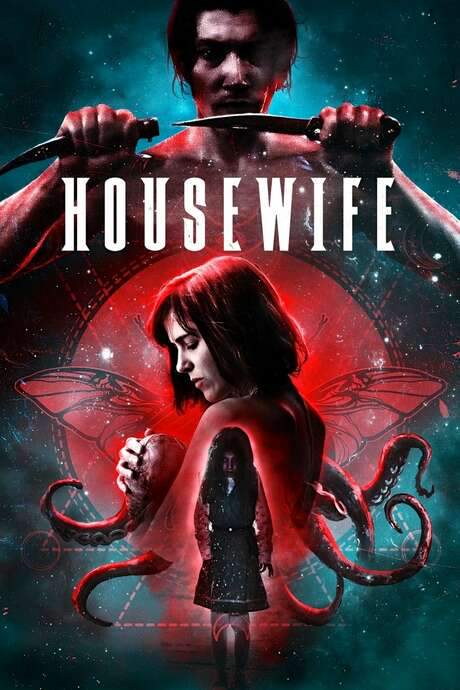
Housewife (2017) Movie Recap & Themes
House of Voices (2004) Story Summary & Characters
Return to House on Haunted Hill (2007) Complete Plot Breakdown
House on the Edge of the Park (1980) Movie Recap & Themes
The House Where Evil Dwells (1982) Story Summary & Characters
Mansion of the Living Dead (1982) Complete Plot Breakdown
The House by the Lake (1976) Full Movie Breakdown
House of Whipcord (1974) Full Movie Breakdown
House of the Damned (1974) Plot Summary & Ending Explained
Nude for Satan (1974) Film Overview & Timeline
The House That Screamed (1969) Full Summary & Key Details
The House by the Edge of the Lake (1979) Full Movie Breakdown
House (1977) Ending Explained & Film Insights
The House of the Dead (1978) Story Summary & Characters
House of Mortal Sin (1976) Movie Recap & Themes