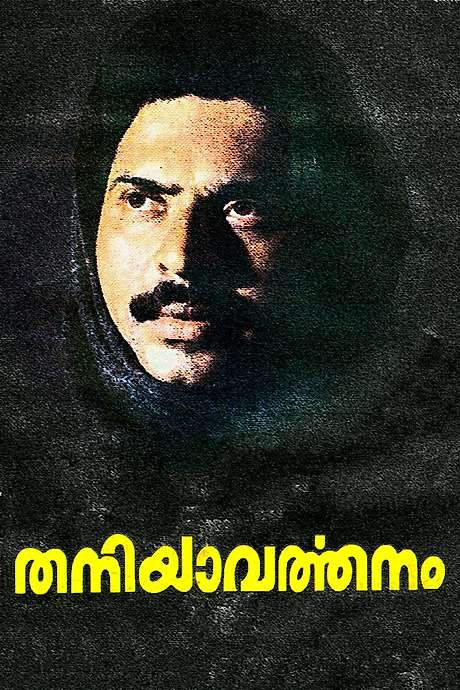
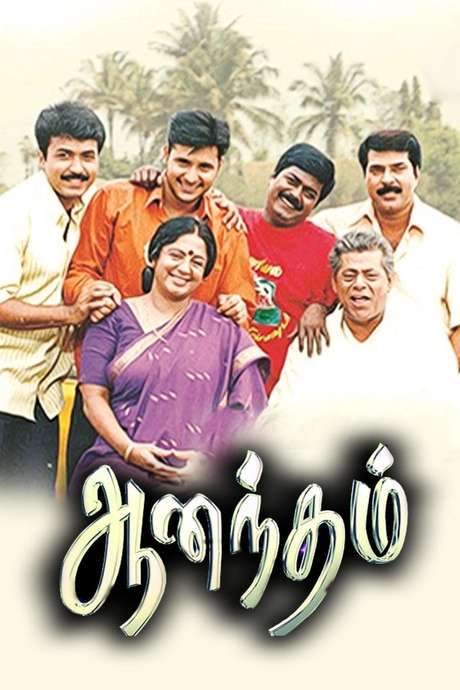
Balan Master Mammootty steers a quiet, steady life in a rural Kerala village as a government school drawing teacher. He shares the home with his wife, their two children, his aging mother, and his younger brother, Gopi Mukesh, along with a younger sister. The household is steeped in a fading, but stubborn, Nair joint-family culture where tradition, ritual, and superstition hold sway. In this world, the eldest member—the karnavar—has all the say, and power tilts toward the uncle who wields influence far beyond what the father might. The family’s social order is rigid, and decisions are filtered through this intricate web of authority and expectation.
Within this clan is a troubling figure, the uncle Sreedharan, who is confined to a dark room inside the house because he is deemed mentally challenged. The family believes in a grim, almost hereditary superstition: in every generation, one male may succumb to madness after a past sin—an act as simple as throwing the goddess’s idol into a well—cursing the line and allegedly passing the malady down through generations. With the death of Sreedharan, the village wonders who, between Balan or Gopi, might be next to suffer the same fate.
One night, a terrible nightmare jolts the household awake, and the entire house trembles with fear. The elder members whisper that Balan is slipping into madness, and word travels quickly through the village. Soon, Balan’s every move is scrutinized and misread as a sign of lunacy. His vocation comes under question; he requests an extended leave and even transfers from service, while some family members and students alike doubt his sanity. The world around him grows hostile, casting him as a danger to himself and others.
In the midst of mounting suspicion, Gopi—a progressive and educated voice—urges him to seek medical counsel. A physician examines him and declares him sane, but the village and his family remain unconvinced, clinging to superstition and fear rather than diagnosis. The strain ripples through every relationship: his wife is compelled to depart with their children, and the family quietly arranges the marriage of his younger sister while concealing the fact that their elder brother has been challenged by a mental illness.
As the pressure bears down, Balan is eventually admitted to an asylum for treatment. He is released after a short period, but he is fragmented—physically exhausted and emotionally scarred—and is forced back to the darkroom that once housed his uncle. Society continues to press on him, chaining him to oppression and warning him to stay within the boundaries of social acceptance. He becomes a symbolize of a fragile humanity crushed beneath centuries of custom.
In the end, the tragedy culminates in a devastating act of love and fear: his mother, the same hand that once fed him his first bites, ends his life with poison on the day of a ritual meant to seek forgiveness from the goddess. Unable to forgive herself for this act, she takes her own life as well. The story closes on a stark note about the weight of superstition, family duty, and the price paid when a community chooses tradition over understanding.