Plot Explained Spoilers guaranteed!
Plot Explained

Browse by genre

Journey into the Night (1921) movie poster

Plot Summary

Journey into the Night (1921) Plot Summary Explained

Release, runtime and language
1921 · 81 mins
Loading streaming availability…
Directed by
F. W. Murnau
Starring
Conrad Veidt, Gudrun Bruun Stephensen, Olaf Fønss, Clementine Plessner, Erna Morena

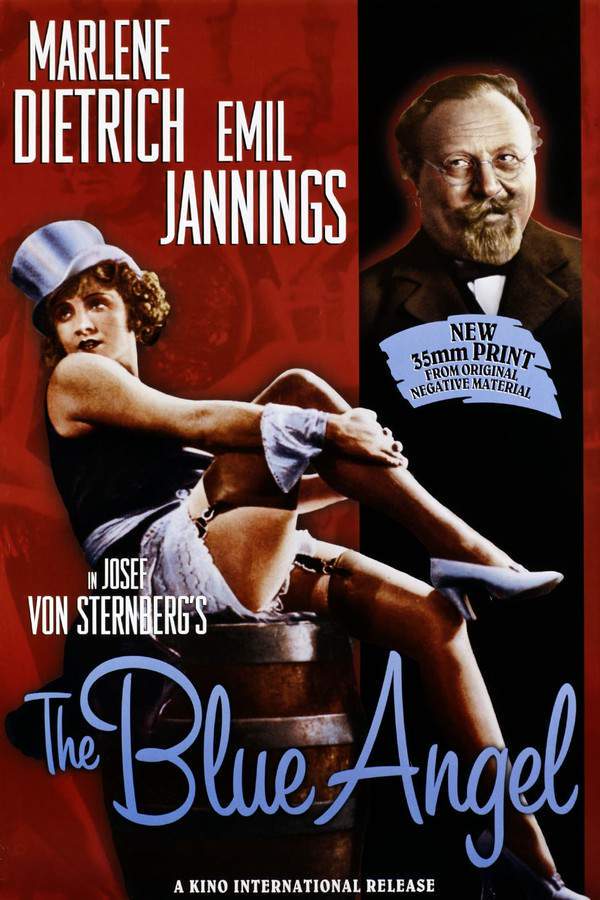
Dr. Egil Börne, a respected physician, becomes enthralled by a manipulative cabaret dancer and abandons his fiancée. The story echoes themes common in Weimar‑era cinema, recalling Sternberg’s *The Blue Angel*. Conrad Veidt appears as a menacing blind painter, a role that foreshadows his later work in Murnau’s *Nosferatu*. *Der Gang in die Nacht* is the earliest surviving film by F. W. Murnau and, paradoxically, the only one for which the original camera negative still exists.

On this page (6)
  1. 1 Where to watch
  2. 2 What happens: full plot
  3. 3 Plot questions answered
  4. 4 Movie threads
  5. 5 Movies like Journey into the Night
  6. 6 Every angle
Loading streaming availability…

Full plot summary · contains spoilers

What Happens in Journey into the Night: Full Plot Summary

The whole story of Journey into the Night (1921) explained, from the opening scene to the final frame: every key event, every twist and what it all adds up to. Read it as a quick recap before the sequel, to check a scene you missed, or to finally understand what really happened.

An upright, straight-laced physician, Dr. Börne Olaf Fønss, has long been engaged to Hélène Erna Morena. To celebrate Hélène's birthday, the couple goes to a cabaret. A dancer, Lily Gudrun Bruun-Stephensen is fascinated by the doctor and pretends to sprain her ankle. Börne attends her, and she seduces him. Börne becomes infatuated, breaks his engagement to Hélène, and marries Lily.

The Börnes move to the country, where they meet a blind painter Conrad Veidt. Dr. Börne restores his sight. Dr. Börne learns that Hélène's health is failing, as she is heartbroken over her broken engagement. He tries to see her, but is turned away. When he returns home, Dr. Börne discovers Lily is having an affair with the painter and abandons her.

Years later, Lily seeks out Dr. Börne. The painter has gone blind again, and she pleads with him to operate once more. Dr. Börne refuses. Lily, he says, is incapable of true love and doesn't really love the painter. At any rate, he would not operate unless Lily left the painter. Lily runs off. A short time later, Dr. Börne goes to see Lily and discovers she has poisoned herself so that Börne will operate on her lover. The painter declines treatment. Börne commits suicide as well, preferring to live in darkness rather than without Lily.

Last updated: February 20, 2026 at 12:25

Was this helpful?

Plot questions answered

Journey into the Night Plot Explained: Your Questions Answered

The questions people ask most about Journey into the Night (1921): what happens in the confusing scenes, why the characters do what they do, the twists, hidden details and what the ending means. Each answer contains spoilers.

Q1

Why does Dr. Börne leave Hélène for Lily after just meeting her?

Dr. Börne is immediately captivated by Lily's seduction at the cabaret. She pretends to sprain her ankle specifically to draw his attention, and her manipulative tactics succeed. The suddenness of his abandonment suggests his rigid, disciplined life left him vulnerable to passionate desire, making him abandon his long-engaged fiancée without hesitation.

Foreshadowing: The cabaret scene establishes Lily as a calculated seductress who targets respectable men, foreshadowing the destructive path that follows.

  • dr börne
  • helene
  • lily
  • seduction
  • cabaret
  • engagement broken
Q2

Why does Dr. Börne abandon Lily when he discovers her affair with the painter?

Börne is devastated by the betrayal because he gave up everything, his fiancée, his respectable reputation, his structured life, to be with Lily. Discovering that Lily betrayed him with the very person he helped wounds him deeply, and he leaves her immediately, unable to tolerate another betrayal.

Foreshadowing: Earlier contrast between Börne's calm professionalism and Lily's restless passion hinted at their unstable relationship.

  • affair
  • painter
  • betrayal
  • lily
  • börne leaves
Q3

Why does Dr. Börne refuse to operate on the painter again?

Börne refuses to help Lily and the painter unless Lily leaves the artist. He believes Lily is incapable of genuine love and is merely using the painter as she used him. This is Börne's moral stand against being manipulated by Lily again, he will not be a tool for her happiness with another man.

Foreshadowing: This echoes Börne's earlier restoration of the painter's sight, which inadvertently enabled the affair.

  • operation
  • blind painter
  • refused
  • lily
  • manipulation
Q4

Why does Lily poison herself in the film?

Lily poisons herself to force Dr. Börne to operate on the painter, whom she loves genuinely. By threatening her own life, she manipulates Börne's medical ethics and his lingering feelings for her, hoping he cannot refuse to save her life even though he refused to help her lover directly.

Foreshadowing: This act demonstrates Lily's pattern of manipulation and desperate sacrifice, consistent with her character throughout the film.

  • poison
  • suicide
  • painter
  • lily forces operation
Q5

Why does the painter refuse treatment after Lily poisons herself?

The painter refuses treatment out of principle, he does not want to owe his sight to Börne, who caused him so much pain. Having experienced both sight and blindness, and having lost Lily to the cyclical drama between the three of them, he chooses darkness over being helped by the man who was once his rival.

Foreshadowing: The painter's earlier blindness and subsequent sight restoration set up this ironic reversal at the end.

  • painter refuses treatment
  • blind
  • pride
  • börne
Q6

Why does Dr. Börne commit suicide at the end?

Börne is overwhelmed by the destructive chain of events his passion for Lily set in motion. He cannot bear living in a world without Lily after she poisons herself, yet he also failed to save anyone. He chooses to "live in darkness" rather than face a life devoid of the love that consumed him.

Foreshadowing: Börne's earlier restoration of the painter's sight creates the tragic irony that he would rather embrace darkness than exist without love.

  • suicide
  • börne death
  • darkness
  • lily
  • despair
Q7

How does the painter become blind again in the years between?

The film does not specify exactly how the painter lost his sight again, but it suggests misfortune befell him in the years that passed. By the time Lily seeks Börne again, the painter is blind once more, creating the circumstances for her desperate plea.

Foreshadowing: This recurrence completes the cycle of sight and blindness that mirrors the emotional darkness consuming all three characters.

  • painter blind again
  • years later
  • misfortune
Q8

What does the motif of sight and blindness represent in the film?

Sight and blindness function as metaphors for emotional truth and self-deception. Börne restores physical sight but remains blind to Lily's manipulative nature. The painter's choice to remain blind at the end symbolizes rejecting false hope. Börne's suicide represents his embrace of darkness over a world without the love he craved.

Foreshadowing: The film title itself points to this journey into metaphorical darkness as Börne abandons his ethical clarity for destructive passion.

  • blindness symbolism
  • sight motif
  • darkness
  • meaning
Q9

Why does Lily have an affair with the painter while married to Börne?

Lily is restless and seeking excitement beyond her marriage to Börne. The painter, as a fellow artist, represents a different kind of passion than the stable physician. Her affair satisfies her emotional needs and demonstrates her inability to remain faithful, fulfilling Börne's later accusation that she cannot love truly.

Foreshadowing: Lily's initial seduction of Börne established her pattern of pursuing new romantic targets.

  • affair
  • lily painter
  • betrayal
  • restlessness
Q10

Why does Hélène refuse to see Dr. Börne when he tries to visit her?

Hélène is heartbroken over Börne abandoning her and her health deteriorates as a result. When Börne tries to visit, she turns him away, indicating she cannot forgive him or cannot face seeing him after he chose Lily over their engagement. Her rejection adds to Börne's guilt and emotional burden.

Foreshadowing: This rejection reinforces the tragic consequences of Börne's rash decision to leave Hélène.

  • helene rejects börne
  • heartbreak
  • illness
  • visit refused

Movie threads

More Movies Like Journey into the Night, by Mood & Story

Curated lists built around what makes Journey into the Night tick: the same mood, the same kind of story or the same emotional payoff. Each list explains why these movies belong together.

Movies about tragic obsession like Journey into the Night

Stories of respectable lives destroyed by destructive romantic fixation. A collection of movies like Journey into the Night that explore self-destructive passion and moral downfall. If you were captivated by the story of a man losing everything to obsession, you'll find similar tragic tales here.

  • tragic
  • obsessive
  • melancholic
  • fatalistic
  • dramatic
  • somber
  • Tone: bleak, tragic, dramatic
  • Pacing: steady, deliberate
Why these movies?

The story pattern: These narratives typically begin with a character in a position of stability or respectability. A powerful, often romantic, obsession enters their life, leading them down a path of betrayal and poor choices. The story is structured as a linear descent, with each event accelerating the tragedy toward a bleak, inescapable conclusion.

Why they belong together: Movies in this thread are united by their shared focus on a specific character arc: the fatal flaw of obsession leading to total ruin. They share a heavy emotional weight, a bleak tone, and a steady pacing that makes the tragedy feel both inevitable and deeply impactful.

Bleak melodramas with a similar vibe to Journey into the Night

Emotionally heavy stories where psychological turmoil dictates a tragic fate. Discover movies that share the bleak and heavy atmosphere of Journey into the Night. Fans of tragic, character-driven stories with high emotional stakes and somber moods will find more compelling watches here.

  • bleak
  • melancholic
  • tragic
  • somber
  • dramatic
  • psychological
  • Tone: bleak, somber, heavy
  • Pacing: steady, character-focused
Why these movies?

The story pattern: The narrative pattern revolves around characters grappling with profound emotional dilemmas, such as betrayal or a crisis of honor. The plot is less about external action and more about the psychological unraveling of the characters, culminating in an ending that offers no redemption, only the heavy weight of consequences.

Why they belong together: These films are grouped by their overwhelmingly bleak atmosphere, high emotional weight, and straightforward yet devastating narrative progression. They prioritize mood and psychological tension over complex plots, creating a cohesive experience of tragic melodrama.

If you liked this

Movies Like Journey into the Night

Similar movies to Journey into the Night: the same genre, themes or kind of story. Each one comes with its own plot summary, timeline and ending explained.

Browse all movie summaries

Every angle

Journey into the Night (1921) Explained: Plot, Timeline & Characters

Everything about Journey into the Night in one place: what happens in the plot summary, the timeline in chronological order, the characters and meaning and a spoiler-free summary. What's After the Movie adds the cast, box office and post-credit scenes.

Coming soon on iOS and Android

The Plot Explained Movie Summary App

Plot summaries, endings explained and timelines on your phone. Catch up on any movie in minutes, save your favorites and never miss a twist again.

Be the first to know when we launch. Your email stays private, always.

Learn more about the app