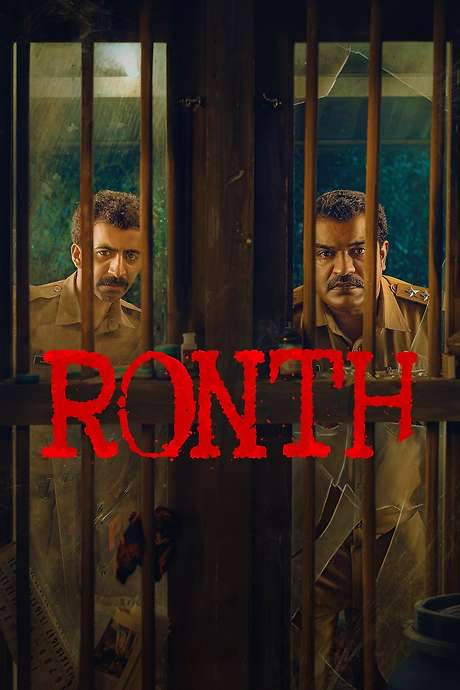
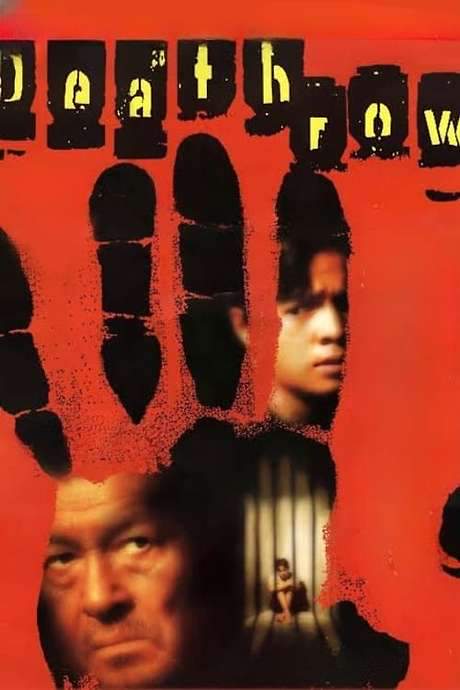
Frankie Wallace Ford is an impoverished child living with a kindly mother and an alcoholic father who spends what little income the family has on drink. As he approaches graduation, they cannot afford to clothe him for the ceremony, and his teacher, Miss Williams Aline MacMahon, asks him to take part in a class performance before the school inspector. While the other students show academic promise, Frankie chooses to play the harmonica. The instrument isn’t really his—he had stolen both the harmonica and some money the night before—from a shop window. After the performance, the sheriff arrives to question him about the crime. Though Miss Williams and the sheriff alike feel sympathy for Frankie, the gravity of the offense means he is sent away to reform school.
At reform school, Frankie earns a hard-edged reputation, and his defiant streak eventually lands him in the state penitentiary for five years after he punches a prison monitor. When he is released as an adult, he leaves with two other inmates, and they spend their first night of freedom together before returning to his hometown. Back there, he discovers that a Black woman and her children are living in his family’s shack; she tells him that his father has died and his mother has been placed in an asylum for a year.
During this return, Miss Williams has been pensioned off, and Frankie visits the chairman of the school board—who is also a former colleague and the local bank manager. He pleads for a position for Miss Williams at the new school, and the trio depart for Cleveland. Frankie then reconnects with another classmate, Carol Evans [Patricia Ellis], and the two begin a relationship that offers him a sense of renewed connection.
On a grim night, Frankie’s two old friends plan to rob an ice-cream parlor and he hurries to intervene, only to arrive as they murder the proprietor. He is implicated in the crime and put on trial, where John Shelley defends him, delivering a powerful oration to the jury in his capacity as the young attorney. Despite the lively performance by his defender, Frankie is found guilty and awaits execution. Meanwhile, the bank manager organizes a class reunion in the old schoolhouse.
Frankie somehow escapes from jail and makes a brief appearance at the reunion, offering a final message to his teacher and classmates: never hate anyone, a conviction he had cultivated during his time behind bars. As he steps out, the distant sound of gunfire confirms that the police have closed in on him.