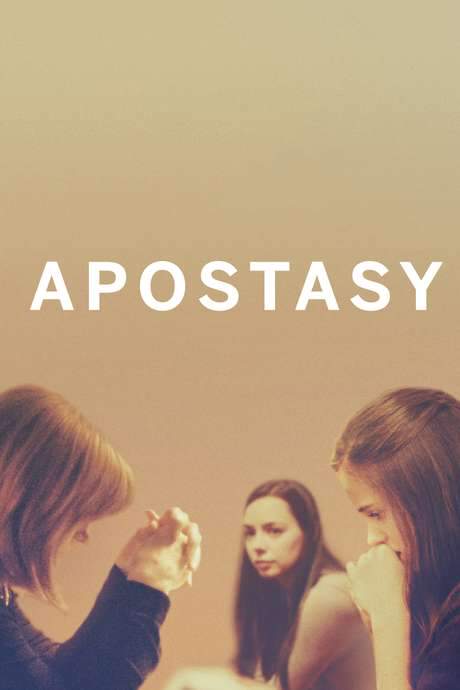
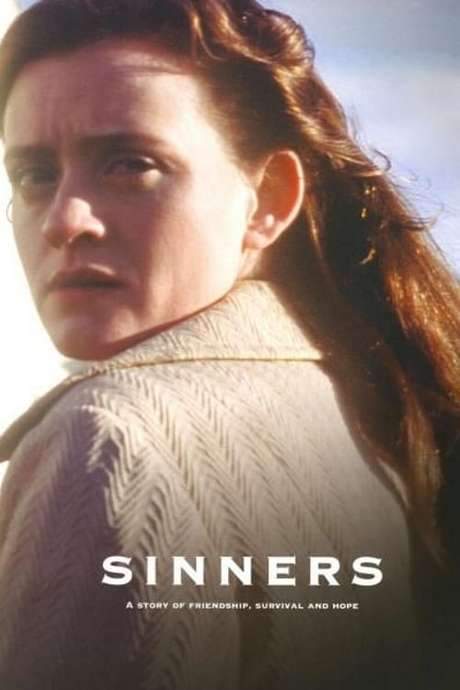
Ivanna Whitling, a devoted Oldham-based Jehovah's Witness, lives with her two adult daughters, Alex and Luisa, who share her faith and commitment to the congregation. [Alex], a gardener who has just turned eighteen, is healthy yet carries a medical condition that causes anemia, placing her at a critical crossroads where her beliefs prevent accepting a blood transfusion in an emergency. The younger Luisa attends college and, like her sister, is deeply rooted in the same religious community that shapes their daily lives.
Together, the two sisters go door-to-door, preaching to the local Urdu-speaking Muslim population as part of their faith’s outreach. After a peaceful stroll through the park with their family, Luisa reveals she is pregnant, an event that provokes a harsh confrontation with Ivanna. Ivanna condemns Luisa for having sex outside of marriage with a Muslim, setting off a chain of consequences that echo through the family and the Kingdom Hall. Luisa is disfellowshipped, and an official announcement proclaims she is “no longer one of Jehovah's Witnesses,” marking her as a pariah within the community and mandating a rigid separation from her family until reinstatement. Luisa moves out, and the elders insist that any contact with her be strictly limited to what is absolutely necessary.
A newly arrived elder named Steven enters Ivanna and Alex’s world at a meeting and soon begins visiting Alex at home. At first, Ivanna assumes this is a routine shepherding visit, but the elder's true intention is to begin a courtship with Alex. The tension between duty and desire becomes a focal point as the couple navigates boundaries within their faith and the expectations of the community.
During a social gathering with friends, Alex collapses, and the scene fades to black before transitioning to Ivanna outside a hospital, consumed by despair. Luisa attends Alex's funeral, yet the others present ignore her, underscoring the pain and isolation caused by disfellowshipping. In the cloak room after the service, Ivanna and Luisa share a fleeting moment of support, they hug, and Luisa’s grief erupts in a loud, cathartic cry.
As time passes and practical questions about contact with Luisa arise, Ivanna seeks guidance from the elders on what is acceptable. Ivanna argues that Luisa needs basic support, especially now that she has given birth to a daughter, Leanne. She also notes the possibility, in their terms, of someday being reunited with Alex in the “new system.” When Ivanna finally meets with Steven again to discuss reinstatement, he explains that Luisa is on the path toward reinstatement, but it isn’t fully in her heart yet. He urges Ivanna to minimize further contact and to stop visiting Luisa, reminding them that unnecessary interaction with disfellowshipped individuals is itself a disfellowshipping offense.
Luisa confronts the elders, detailing what she has done to demonstrate repentance—living on her own for seven months, attending meetings, praying—and they probe her commitment. An elder suggests that allowing Ivanna access to Luisa’s fridge would be unnecessary contact, a remark that draws a line under the fragility of their relationship. Frustrated, Luisa says she cannot go on under such strict control, and she leaves the meeting with a sense of exhaustion and defiance.
The story reaches a pivotal moment when Luisa gives birth to a daughter named Leanne. Ivanna visits Luisa after the birth and, filled with emotion, cradles her granddaughter, expressing deep love for both Luisa and Leanne. A fierce disagreement erupts over the child’s religious upbringing, with Ivanna insisting that Leanne be taught about God in the way Ivanna believes. In a tense confrontation, Ivanna slides into the back seat of a car to take Leanne, but Luisa rushes out, recovering her baby and asserting her authority as Leanne’s mother. Ivanna mutters that she will “save” her granddaughter, a line that underscores the rift between faith, family, and autonomy.
The film closes with Ivanna standing alone in a public space beside a stand of pamphlets promoting the faith, a solitary image that captures the persistent pull of belief versus family bonds, and the unresolved question of whether love can withstand the demands of doctrine.