Plot Explained Spoilers guaranteed!
Plot Explained

Browse by genre

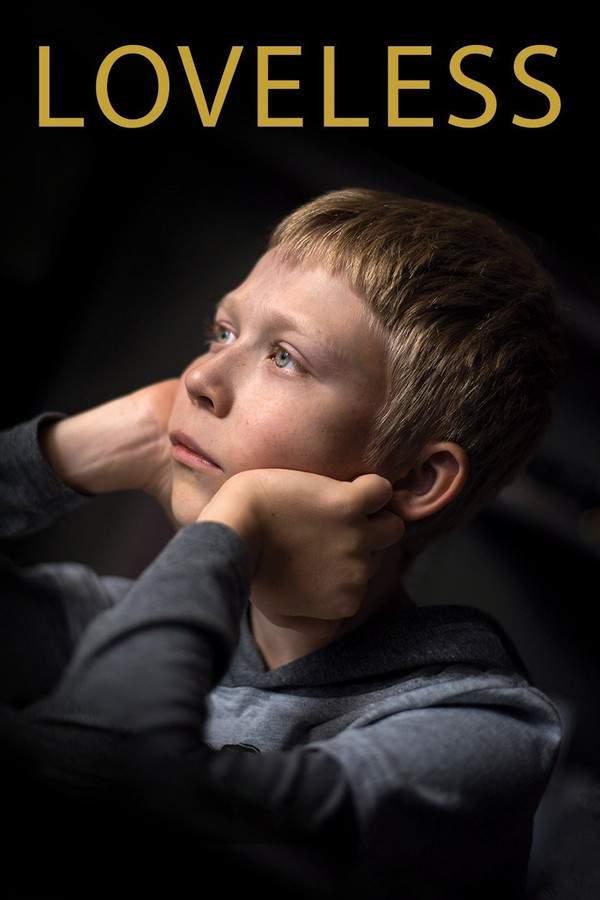
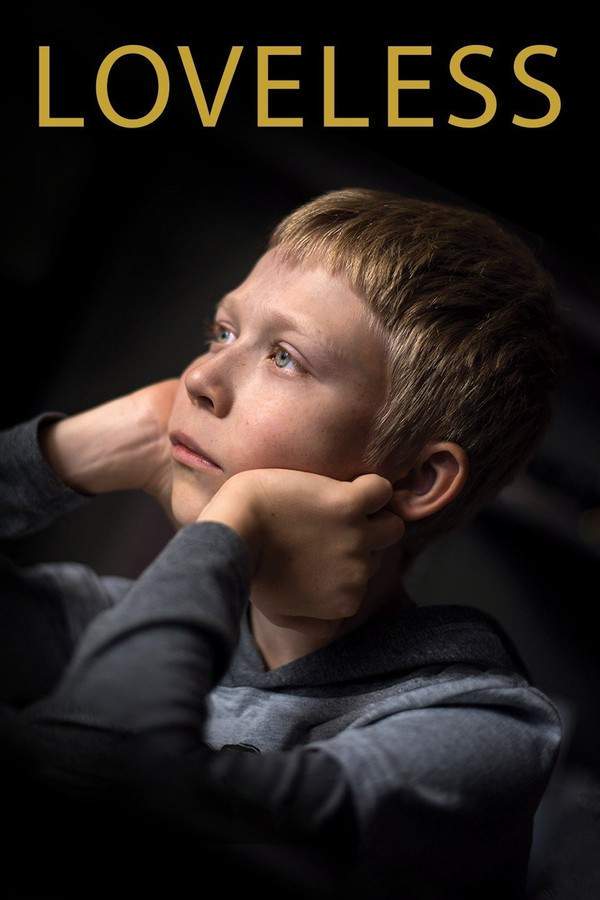
Loveless (2017) movie poster

Plot Summary

Loveless (2017) Plot Summary Explained

Release, runtime and language
2017 · 127 min · Russian
Echo score 77
Directed by
Andrei Zvyagintsev
Starring
Maxim Stoianov, Polina Aug, Aleksey Fateev, Aleksey Rozin, Anastasiya Stezhko, Andris Keiss

A couple's acrimonious divorce deeply affects their 12-year-old son, Alyosha, who finds himself caught in the crossfire of their escalating conflict. As Zhenya and Boris struggle to move on with new relationships, Alyosha grapples with feelings of abandonment and a longing for the family he once knew. The drama explores the devastating consequences of parental separation and the emotional toll it takes on a child.

On this page (6)
  1. 1 Where to watch
  2. 2 What happens: full plot
  3. 3 Plot questions answered
  4. 4 Movie threads
  5. 5 Movies like Loveless
  6. 6 Every angle

Where to watch

Where to Watch Loveless (2017)

Where can you watch Loveless? Stream, rent or buy it in the US, including on Amazon Video, Apple TV Store and Google Play Movies: current JustWatch availability with up-to-date prices.

Streaming availability powered by JustWatch

Full plot summary · contains spoilers

What Happens in Loveless: Full Plot Summary

The whole story of Loveless (2017) explained, from the opening scene to the final frame: every key event, every twist and what it all adds up to. Read it as a quick recap before the sequel, to check a scene you missed, or to finally understand what really happened.

Whether it serves as an allegory for contemporary Russia or not, Loveless, directed by Andrei Zvyagintsev ("Leviathan"), powerfully delves into the increasingly hollow nature of human connections. This poignant drama chronicles the turmoil of a couple on the verge of divorce, whose emotional neglect of their son leads to heartbreaking outcomes. While the film is often labeled as "bleak," it resonates more with a sense of sorrow and regret, reflecting how many individuals have tragically lost their capacity for compassion and empathy. Accompanied by the evocative piano score of Evgeny Galperin, the film opens with cinematographer Mikhail Krichman capturing the serene yet cold beauty of a Russian winter.

The narrative begins in front of a stark stone edifice reminiscent of a Siberian prison—void of sound or movement. Suddenly, a door flings open, and children pour out of school. Despite some laughter, the atmosphere is far from joyful. 12-year-old Aloysha, portrayed by Matvey Novikov, retrieves his way home through a desolate forest, only to be met by an absence of warmth. His parents are in the final throes of a disintegrating marriage; his mother, beauty-salon owner Zhenya played by Maryana Spivak, and his father Boris, depicted by Aleksey Rozin, a management employee, are consumed by their pursuit for status, wealth, and freedom in new relationships. Boris finds solace in the arms of the pregnant Masha, performed by Marina Vasilyeva, while Zhenya becomes entwined with the affluent businessman Anton, played by Andris Keiss.

As the couple prepares for their divorce and the sale of their apartment, custody of Aloysha remains unresolved. It is painfully clear that he is an unwanted child—born of an unplanned pregnancy and a loveless marriage. Like two relentless machines, Boris and Zhenya continue their monotonous cycle of blame. Aloysha crouches behind the bathroom door, filling with fear and isolation, absorbing their bitterness. This heart-wrenching imagery echoes the despair that permeates the human experience.

Set against the backdrop of 2012, discussions on the radio revolve around the anticipated apocalypse due to the Mayan calendar, alongside harrowing reports from the war-torn Ukraine. Amid this atmosphere of barely-contained anxiety, Boris confides in a co-worker his fears of job loss tied to his fundamentalist Christian boss discovering his divorce. However, that worry fades to the background when Zhenya reveals that Aloysha has been missing from school for two days. Rather than recalibrating their priorities to support each other, the estranged couple's animosity only escalates.

The police, offering little hope, reassure the parents that it’s common for missing children to be with friends or out on adventures. Unsatisfied with this complacency, they turn to a volunteer search group that posts fliers and speaks to neighbors. An interview with Aloysha's lone friend guides them to an abandoned apartment deep within the woods. In a scene shrouded in darkness, where desperation hangs heavily, searchers clad in bright orange jackets comb through the dilapidated building, but Aloysha remains elusive.

When a boy resembling Aloysha is found at a local hospital, the joy is short-lived, as the realization sets in that it's not him, leading to more anguish during a subsequent visit to the morgue. In a moment of risk, the estranged couple visits Zhenya's mother; however, instead of reconciliation, the encounter ignites a passionate exchange of hatred. As the film unfolds, Zvyagintsev tantalizes the audience with glimpses of an enigmatic man wandering into the forest, approaching a call girl in a fancy restaurant, and a teacher erasing a blackboard after class.

Yet, these enigmatic scenes offer no resolution to Aloysha's absence. Loveless champions an unsettling examination of the darker facets of human nature, challenging our most deeply-held convictions about parent-child relationships. Anton profoundly reminds Zhenya that “no one can survive a life without love.” In this haunting narrative, Loveless serves as a grim reminder of the consequences of bringing an unwanted child into the world, illustrating that the fabric of humanity cannot sustain itself without recognizing the sanctity of love. The film concludes on a disheartening note, with Aloysha still missing, leaving the audience in contemplation.

Last updated: November 04, 2024 at 01:12

Was this helpful?

Plot questions answered

Loveless Plot Explained: Your Questions Answered

The questions people ask most about Loveless (2017): what happens in the confusing scenes, why the characters do what they do, the twists, hidden details and what the ending means. Each answer contains spoilers.

Q1

Why do Zhenya and Boris neglect their son Alyosha?

Zhenya and Boris are consumed by their own desires, Boris is focused on his pregnant mistress Masha and advancing his career, while Zhenya is entangled with the wealthy businessman Anton. Alyosha was born from an unplanned pregnancy during a loveless marriage, making him feel like a burden to both parents. Their bitter divorce proceedings have turned them into two "relentless machines" cycling through blame, leaving no emotional room for their son.

Foreshadowing: The film opens with Alyosha navigating a desolate forest alone, visually establishing his isolation before the divorce escalates.

  • parental neglect
  • boris
  • zhenya
  • alyosha
  • divorce
  • unwanted child
Q2

What happens to Alyosha at the end of the movie?

Alyosha is never found. The film ends with the search abandoned and Alyosha still missing, leaving his fate ambiguous. The bleak conclusion reinforces the film's theme about the devastating consequences of emotional neglect, Alyosha has effectively disappeared from his parents' lives long before he physically vanished.

Foreshadowing: Early scenes show Alyosha hiding behind the bathroom door, withdrawing emotionally from his parents' toxicity.

  • alyosha
  • missing
  • ending
  • found
  • search
Q4

What was the significance of the radio discussions about the Mayan apocalypse and Ukraine war?

The 2012 radio broadcasts about the impending Mayan calendar apocalypse and the war in Ukraine create an atmosphere of collective anxiety that mirrors the characters' personal crises. While the world fears an ending, Zhenya and Boris are oblivious to the emotional apocalypse happening within their own family. This backdrop emphasizes how self-absorbed they are, ignoring the warning signs in their own home while the world around them discusses imminent disaster.

Foreshadowing: The radio discussions set a tone of dread that runs parallel to the search for Alyosha.

  • radio
  • 2012
  • apocalypse
  • ukraine
  • backdrop
  • anxiety
Q5

Why is Alyosha considered an unwanted child?

Alyosha was born from an unplanned pregnancy during a loveless marriage between Zhenya and Boris. The film makes clear that neither parent wanted him, Zhenya admits she never desired children, and Boris shows no paternal attachment. When the couple prepares to sell their apartment and finalize their divorce, custody becomes a contentious issue only because neither wants the responsibility. Alyosha's existence represents a reminder of a failed relationship neither wishes to carry forward.

Foreshadowing: The film establishes early that Alyosha is "an unwanted child" through the parents' behavior and explicit narrative mention.

  • unwanted
  • child
  • pregnancy
  • alyosha
  • birth
Q6

What do the enigmatic scenes mean in Loveless?

The film includes glimpses of mysterious characters: a man wandering the forest, a teacher erasing a blackboard, and a man approaching a call girl at a fancy restaurant. These enigmatic encounters add thematic depth without providing narrative resolution. They reinforce the film's exploration of human disconnection, each character exists in isolation, just as Alyosha's parents are disconnected from him and from each other. These scenes contribute to the atmosphere of emptiness that pervades the film.

Foreshadowing: None of these mysterious scenes resolve or connect directly to Alyosha's disappearance, emphasizing the randomness of human existence.

  • mysterious scenes
  • forest
  • teacher
  • call girl
  • symbolism
Q7

What is the significance of Anton telling Zhenya "no one can survive a life without love"?

Anton's reminder that "no one can survive a life without love" serves as a thematic critique of Zhenya's choices. Despite claiming to want a new life with Anton, Zhenya has shown no love for her son. The quote underscores the film's thesis that the absence of love, particularly parental love, has devastating consequences. It also highlights the irony that Zhenya seeks love in a new relationship while abandoning her child, proving she hasn't learned what love truly means.

Foreshadowing: Anton's statement comes during the search, directly connecting the theme to Alyosha's fate.

  • anton
  • zhenya
  • quote
  • love
  • survival
Q8

What is the main message or theme of Loveless?

Loveless delivers a grim examination of how emotional neglect destroys families. The film argues that bringing an unwanted child into a loveless marriage creates profound suffering, the child becomes invisible to self-absorbed parents. Rather than a simple morality tale, the film presents a sorrowful observation about modern life's capacity to drown out compassion. The bleak ending suggests that without recognizing love's sanctity, the "fabric of humanity cannot sustain itself."

Foreshadowing: The entire narrative builds toward demonstrating the consequences of parental failure, not just for Alyosha but for all characters.

  • theme
  • message
  • neglect
  • love
  • consequence
  • humanity
Q9

Why are the police and authorities so dismissive about finding Alyosha?

The police offer little hope, assuring Zhenya and Boris that missing children are often with friends or out on adventures. Their complacency reflects institutional indifference, a contrast to the parents' self-absorption. This forces Zhenya and Boris to turn to a volunteer search group, highlighting how official channels fail vulnerable children. The authorities' dismissiveness amplifies the film's critique of societal failure to protect those who cannot protect themselves.

Foreshadowing: The police attitude early in the search sets the stage for the volunteer group's involvement.

  • police
  • authorities
  • search
  • volunteers
  • complacency
Q10

What does the winter forest setting represent in the film?

The serene yet cold Russian winter, captured by cinematographer Mikhail Krichman, visually establishes emotional isolation. Alyosha's journey home through a desolate forest mirrors his internal loneliness, a child navigating a cold, unwelcoming world. The abandoned apartment hidden in the woods represents the ultimate isolation, the place where Alyosha might have retreated to escape his parents' bitterness. The stark, cold beauty contrasts with the warmth that should exist in a family, reinforcing the film's exploration of emotional void.

Foreshadowing: The opening forest sequence establishes the visual metaphor that continues through the abandoned building search.

  • winter
  • forest
  • setting
  • imagery
  • isolation
  • cold
Q11

What is the significance of the false hope scene at the hospital?

When a boy resembling Alyosha is found at a local hospital, Zhenya and Boris briefly experience relief, only to discover it is not their son. This moment of false hope intensifies their despair and underscores the randomness of their suffering. The subsequent visit to the morgue deepens the emotional devastation. The scene demonstrates how their failure as parents has led them to a fruitless search, experiencing the worst possible outcomes without the redemption of finding their child.

Foreshadowing: The brief joy followed by crushing disappointment mirrors the emotional rollercoaster of their entire relationship.

  • hospital
  • false hope
  • morgue
  • boy
  • search

Movie threads

More Movies Like Loveless, by Mood & Story

Curated lists built around what makes Loveless tick: the same mood, the same kind of story or the same emotional payoff. Each list explains why these movies belong together.

Slow burn dramas of emotional abandonment like Loveless

Stories where emotional neglect creates a void with devastating consequences. If the oppressive atmosphere and exploration of emotional neglect in Loveless resonated with you, this thread features movies with a similar slow burn pacing and heavy emotional weight. Discover other stories that dissect the consequences of lovelessness with a bleak, unflinching tone.

  • somber
  • oppressive
  • melancholic
  • desperate
  • cold
  • grim
  • Tone: bleak, oppressive, melancholic
  • Pacing: slow, deliberate, atmospheric
Why these movies?

The story pattern: Narratives in this thread typically follow a linear but deliberate path, charting the gradual disintegration of emotional bonds. The central conflict is often internal and interpersonal, focusing on characters grappling with abandonment. The journey usually leads to an irreversible, bleak outcome, emphasizing the lasting damage caused by emotional coldness.

Why they belong together: Movies are grouped here for their shared commitment to a slow, atmospheric build of emotional tension, a bleak and somber tone, and a thematic focus on the devastating impact of neglect. They offer a similar viewing experience of heavy, anxious dread.

Bleak family tragedies with high stakes like Loveless

Narratives where a family's collapse leads to an irreversible, devastating loss. For viewers seeking movies similar to Loveless that explore the devastating impact of a fractured family leading to a tragic event. These films share a high intensity, bleak tone, and focus on the irreparable harm caused within dysfunctional domestic settings.

  • grim
  • desperate
  • anxious
  • somber
  • heartbreaking
  • tense
  • Tone: bleak, grim, desperate
  • Pacing: steady, escalating to intense
Why these movies?

The story pattern: The narrative pattern involves a pre-existing familial conflict that escalates, triggering a central, catastrophic event (like a disappearance or death). The second half often becomes a search or a reckoning, but the focus remains on the irreversible nature of the loss and the characters' failure to prevent it. The ending solidifies the tragedy, leaving no room for redemption.

Why they belong together: These films are connected by their unwavering focus on familial dysfunction as the direct cause of a major tragedy. They share a high-intensity, bleak emotional landscape, and a narrative structure that moves from domestic conflict to irreversible consequence, creating a consistently heavy and distressing experience.

If you liked this

Movies Like Loveless

Similar movies to Loveless: the same genre, themes or kind of story. Each one comes with its own plot summary, timeline and ending explained.

Browse all movie summaries

Every angle

Loveless (2017) Explained: Plot, Timeline & Characters

Everything about Loveless in one place: what happens in the plot summary, the timeline in chronological order, the characters and meaning and a spoiler-free summary. What's After the Movie adds the cast, box office and post-credit scenes.

Coming soon on iOS and Android

The Plot Explained Movie Summary App

Plot summaries, endings explained and timelines on your phone. Catch up on any movie in minutes, save your favorites and never miss a twist again.

Be the first to know when we launch. Your email stays private, always.

Learn more about the app