Plot Explained Spoilers guaranteed!
Plot Explained

Browse by genre

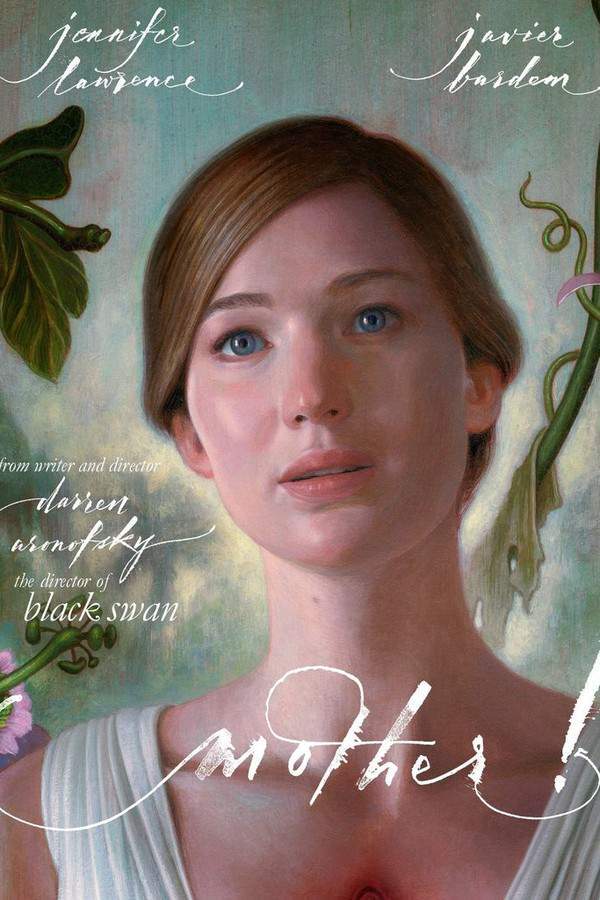
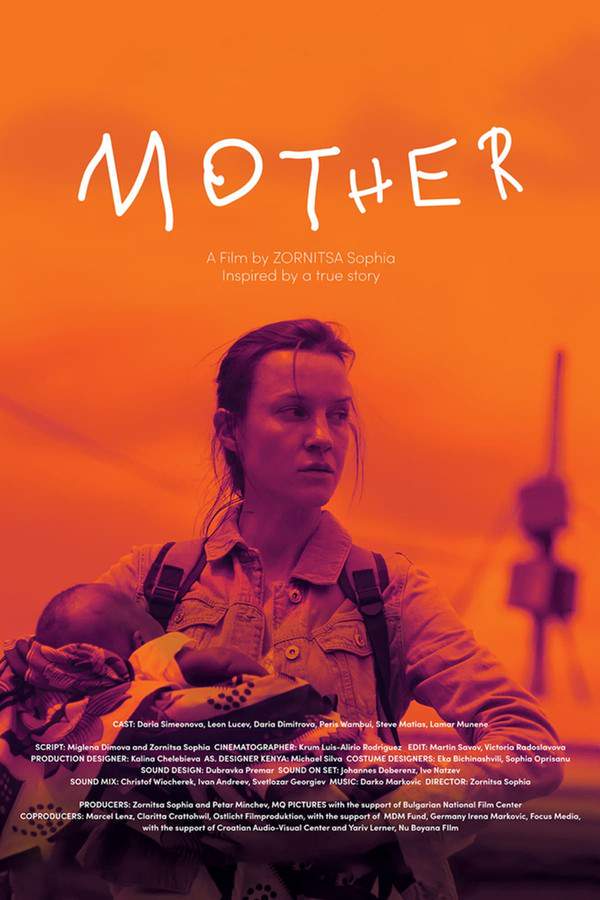
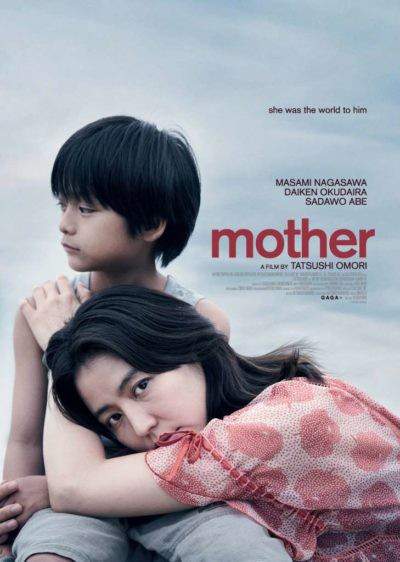
Mother (2020) movie poster

Ending Explained

Mother (2020) Ending Explained – Final Scene & Meaning

Release, runtime and language
2020 · 126 min · Czech
Loading streaming availability…
Directed by
Tatsushi Ohmori
Starring
Masami Nagasawa, Taiga, Kaho, Daiken Okudaira, Halo Asada, Hana Kino
Budget
$30M

Four women find their friendships tested as they grapple with the challenges and joys of raising children. Balancing the demands of parenthood with personal aspirations and maintaining a sense of self proves difficult in this intense exploration of modern motherhood. The film examines the complexities of confidence, responsibility, and the enduring bonds between mothers.

On this page (7)
  1. 1 Where to watch
  2. 2 What happens at the end
  3. 3 Final events in order
  4. 4 Ending questions answered
  5. 5 Movie threads
  6. 6 Movies like Mother
  7. 7 Every angle
Loading streaming availability…

Ending explained · contains spoilers

What Happens at the End of Mother?

How Mother (2020) ends, what the final scene means, which earlier moments set it up and how to read the ending if the film leaves it open. The full ending explained, with every spoiler.

The ending of mother! is a powerful and visceral metaphor that encapsulates its themes of creation, destruction, and human greed. Throughout the film, Jennifer Lawrence’s character, representing Mother Earth, is shown to nurture and sustain life, but she is also exploited and ultimately overwhelmed by the chaos brought by humanity. Javier Bardem’s character — often seen as a godlike figure, or a stand-in for God — obsessively creates and seeks admiration at the expense of her well-being. The climax arrives when the chaos in the house reaches its peak; her sanctuary is invaded, her child is brutally killed by the mob of followers, and she is pushed to her limits. In a moment of ultimate despair, she sets fire to everything, destroying the house, herself, and everyone inside. This act of destruction is symbolic of both environmental collapse and the cyclical nature of creation and destruction—representing how humanity repeatedly destroys what it seeks to worship and cherish.

After her death, the house is reborn when Bardem’s character collects her burned remains and places her heart—a symbol of life—back onto the stand, reigniting the cycle of creation. This cyclical ending suggests that this pattern of destruction and renewal is perpetual; each new "Mother" emerges to repeat the same story. The film hints that the characters and events are archetypes representing biblical creation and humanity’s destructive tendencies. Bardem’s character’s decision to restart the cycle reveals a troubling notion: that suffering and destruction are eternal, echoing spiritual and ecological themes. Ultimately, the ending leaves viewers with a haunting reflection on humanity’s inability to break free from these destructive patterns, emphasizing that our relationship with the Earth, faith, and ourselves might be trapped in an unending loop of creation and ruin.

Last updated: June 25, 2025 at 08:58

Was this helpful?

The last 4 events

How Mother Ends: The Final Events in Order

The last events of Mother (2020) in chronological order, the run-up to the ending explained above. The complete timeline has all 15 events, scene by scene.

Open the full timeline
  1. Fans Invade

    Despite the joyful news, an overwhelming throng of Him's fans—revealed to be part of a pagan cult—invades their home, turning the atmosphere chaotic and violent. Mother is engulfed in ominous pains as the events spiral out of control.

    Where
    Him's House
  2. The Birth

    During the climax of the chaos, Mother gives birth to a son, yet her joy is turned to despair when Him presents their child to the crowd. This betrayal leads to unspeakable horror as the adoring crowd takes their baby.

    Where
    Him's House
  3. Final Confrontation

    Consumed with despair and rage over the loss of her child, Mother sets the house ablaze in a final act of desperation. This leads to a cataclysmic explosion that engulfs everyone within, forever altering her existence.

    Where
    Him's House
  4. Rebirth Cycle

    Amidst the ashes, Mother questions Him about his identity, only to hear him cryptically reply, 'I am I and you are home.' He reveals his intentions as he places the crystal object again, setting the stage for a new cycle as a young woman calls out for her lost husband.

Ending questions answered

Mother Ending: Your Questions Answered

The questions people ask most about the ending of Mother (2020): what the final scene means, how the twist works, what happens to each character and how to read the ending. Each answer contains spoilers.

Q1

Why does Mother set fire to the house at the end?

Mother sets fire to the house in a moment of ultimate despair after witnessing her child brutally killed by the mob of followers invading her home. This act of destruction symbolizes both environmental collapse and her final rejection of the exploitation she has endured. Unable to protect her child or preserve her sanctuary, she chooses to burn everything down rather than allow the cycle of abuse to continue.

Foreshadowing: Earlier scenes show Mother's growing distress as she tries to protect her home from the increasing chaos, building toward her breaking point.

  • mother burns house
  • child death
  • destruction
  • despair
  • fire ending
Q2

What happens to the baby in the ending?

The baby is brutally killed by the mob of followers who invade the house. This violent act represents the destruction of innocence and the violation of motherhood itself. The killing of the child is the final catalyst that drives Mother to her extreme act of setting fire to the house, as she can no longer bear the systematic destruction of everything she nurturing.

Foreshadowing: Mother's pregnancy and protective behavior throughout the film foreshadow the child's significance and the tragedy of its fate.

  • baby killed
  • child murdered
  • mob violence
  • pregnancy
Q3

What does the heart placed back on the stand mean?

After Mother dies, Javier Bardem's character collects her burned heart and places it back onto the stand, which reignites the cycle of creation. The heart symbolizes life, love, and the essence of Mother Earth herself. By restarting the cycle with her heart, the film suggests that creation and destruction are eternally linked, humanity will continue to exploit and destroy what it worships, only for the pattern to begin again.

Foreshadowing: The stand is introduced early as a sacred object in the house, hinting at its symbolic importance to the cycle.

  • heart symbol
  • rebirth
  • cycle
  • creation
  • life symbol
Q4

Why does the cycle restart at the end?

The cycle restarts because Bardem's character, representing a godlike figure who creates and seeks admiration, cannot break from his pattern of creation even after destruction. His decision to place the heart back and begin anew reveals a troubling notion that suffering and destruction are eternal. This cyclical ending suggests humanity is trapped in an unending loop of creating, exploiting, and destroying.

Foreshadowing: His obsessive need for admiration and new creation is established early, showing he cannot exist without the cycle.

  • cycle restart
  • eternal return
  • god character
  • creation destruction loop
Q5

Does the ending offer any hope or resolution?

The ending is deliberately bleak with no hope or resolution offered. The cycle resets completely, meaning the trauma and destruction will repeat eternally. This bleakness reinforces the film's message about humanity's inability to break free from destructive patterns. There is no escape from the loop, each new Mother will face the same fate, and each new cycle will end in the same destruction.

Foreshadowing: The mounting chaos and Mother's helplessness throughout the film establish the inevitability of this tragic outcome.

  • bleak ending
  • no hope
  • 循环
  • hopelessness
  • eternal suffering
Q6

What do the characters represent in the allegory?

Jennifer Lawrence's Mother represents Mother Earth, a nurturing force that sustains life but is exploited by humanity. Javier Bardem's character represents a godlike figure, or God himself, who creates obsessively and seeks worship at the expense of the natural world. The followers represent humanity's destructive tendencies and fanatical devotion. The child represents innocence and the fruits of the Earth that humanity destroys.

Foreshadowing: The biblical imagery and symbolic actions throughout the film establish these archetypes from the beginning.

  • biblical allegory
  • Mother Earth
  • god figure
  • symbolism
  • archetypes
Q7

How does the house get rebuilt after the fire?

The house is reborn not through natural reconstruction but through a supernatural reset of the cycle. After Mother dies and everything is destroyed, Bardem's character collects her burned heart, a symbol of life, and places it back on the stand. This act immediately reignites the cycle, bringing the house back to its original state and setting the stage for the story to repeat itself with a new Mother.

Foreshadowing: The supernatural quality of the house is established early through its mysterious appearance and the strange events that unfold.

  • house rebuilds
  • rebirth
  • supernatural reset
  • heart renewal
Q8

What is the environmental message of the ending?

The ending serves as a stark warning about humanity's destructive relationship with the Earth. Mother's exploitation and ultimate destruction symbolize how humanity repeatedly destroys the environment it depends on. The cyclical ending suggests this pattern continues endlessly unless humanity breaks free. The film implies that our exploitation of nature will lead to catastrophic collapse, and the cycle will only repeat until we change our relationship with the Earth.

Foreshadowing: Mother's constant nurturing of the house and her distress at its destruction mirror environmental caretaking.

  • environmental collapse
  • nature destruction
  • climate change
  • ecology
  • earth exploitation
Q9

Why does the mob kill the child?

The mob kills the child in a frenzied act of worship and possession, representing humanity's ability to destroy innocence in the name of devotion. The followers, symbolizing fanatical humanity, turn violent when they perceive the child as something to be claimed rather than protected. This moment represents the ultimate violation: not just the destruction of Mother herself, but the destruction of the innocent life she created and the future she represents.

Foreshadowing: The escalating violence and worship behavior of the followers builds toward this climax throughout the film.

  • mob violence
  • child murder
  • fanatics
  • worship violence
  • innocence destroyed
Q10

What does the cyclical ending suggest about human nature?

The cyclical ending suggests that humanity is trapped in an eternal pattern of creation, exploitation, and destruction. Bardem's character cannot resist starting the cycle again, just as humanity cannot stop exploiting the Earth and each other. The ending implies this is not just a historical pattern but an eternal one, unless something fundamental changes, the same story will repeat forever with new versions of the same archetypes.

Foreshadowing: The repetitive nature of the intrusions and the escalating chaos establish this pattern throughout the film.

  • cyclical ending
  • eternal return
  • human nature
  • pattern
  • repetition

Movie threads

More Movies Like Mother, by Mood & Story

Curated lists built around what makes Mother tick: the same mood, the same kind of story or the same emotional payoff. Each list explains why these movies belong together.

Surreal Psychological Horror Movies like Mother

Films where reality unravels into a nightmarish, symbolic landscape. If you enjoyed the dreamlike dread and symbolic horror of Mother, explore these movies that blur reality into a nightmare. This list features films with high-intensity psychological tension, surreal visuals, and bleak thematic explorations, perfect for viewers seeking a similarly unsettling cinematic experience.

  • surreal
  • nightmarish
  • dreamlike
  • feverish
  • unsettling
  • oppressive
  • Tone: dark, unsettling
  • Pacing: variable, creeping dread
Why these movies?

The story pattern: Stories in this thread typically follow a protagonist whose perception of reality is systematically dismantled. Normal situations warp into symbolic battlegrounds, often representing internal trauma or societal fears. The plot is secondary to the emotional and psychological journey, which culminates in a profound sense of loss or a bleak reset of the traumatic cycle.

Why they belong together: These films are grouped by their shared commitment to creating a surreal, oppressive atmosphere and using horror as a vehicle for psychological and thematic exploration. They prioritize mood and metaphor over straightforward plotting, resulting in a deeply unsettling and thought-provoking viewing experience.

Home Invasion Horror and Thriller Movies like Mother

Stories where the safety of home is brutally invaded by external forces. For viewers who appreciated the intense home violation theme in Mother, this list features other thrillers and horror movies where domestic safety is shattered. Discover films with claustrophobic tension, disturbing themes, and a high stakes struggle to protect one's family and sanity from obsessive external threats.

  • claustrophobic
  • anxious
  • unsettling
  • tense
  • oppressive
  • violent
  • Tone: dark, tense
  • Pacing: variable, accelerating chaos
Why these movies?

The story pattern: The narrative pattern involves an idyllic or normal domestic setting being targeted by an intrusive force, which could be human, supernatural, or ideological. The story focuses on the protagonists' desperate attempts to defend their space and loved ones, often leading to a complete breakdown of order and a tragic loss of innocence. The home itself becomes a character—a prison under siege.

Why they belong together: These movies are united by the core theme of domestic violation, which generates extreme claustrophobic tension and explores deep-seated fears about safety and vulnerability. They share a high intensity level, a dark tone, and a focus on the psychological destruction that occurs when one's sanctuary is destroyed.

If you liked this

Movies Like Mother

Similar movies to Mother: the same genre, themes or kind of story. Each one comes with its own plot summary, timeline and ending explained.

Browse all movie summaries

Every angle

Mother (2020) Explained: Plot, Ending, Timeline & Characters

Everything about Mother in one place: what happens in the plot summary, the timeline in chronological order, the characters and meaning, the ending explained and a spoiler-free summary. What's After the Movie adds the cast, box office and post-credit scenes.

Coming soon on iOS and Android

The Plot Explained Movie Summary App

Plot summaries, endings explained and timelines on your phone. Catch up on any movie in minutes, save your favorites and never miss a twist again.

Be the first to know when we launch. Your email stays private, always.

Learn more about the app