Plot Explained Spoilers guaranteed!
Plot Explained

Browse by genre

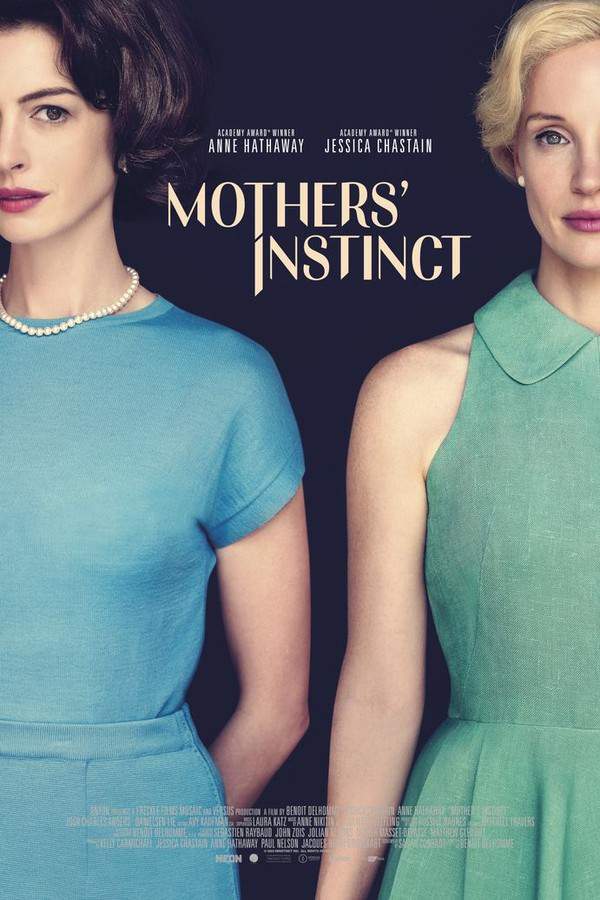
Mother (2020) movie poster

Plot Summary

Mother (2020) Plot Summary & Ending Explained

Release, runtime and language
2020 · 126 min · Czech
Directed by
Tatsushi Ohmori
Starring
Masami Nagasawa, Taiga, Kaho, Daiken Okudaira, Halo Asada, Hana Kino
Budget
$30M

Four women find their friendships tested as they grapple with the challenges and joys of raising children. Balancing the demands of parenthood with personal aspirations and maintaining a sense of self proves difficult in this intense exploration of modern motherhood. The film examines the complexities of confidence, responsibility, and the enduring bonds between mothers.

On this page (6)
  1. 1 What happens: full plot
  2. 2 Plot questions answered
  3. 3 How it ends
  4. 4 Movie threads
  5. 5 Movies like Mother
  6. 6 Every angle

Full plot summary · contains spoilers

What Happens in Mother: Full Plot Summary

The whole story of Mother (2020) explained, from the opening scene to the final frame: every key event, every twist and what it all adds up to. Read it as a quick recap before the sequel, to check a scene you missed, or to finally understand what really happened.

Note: the characters in this film are unnamed and are referred to by descriptors.

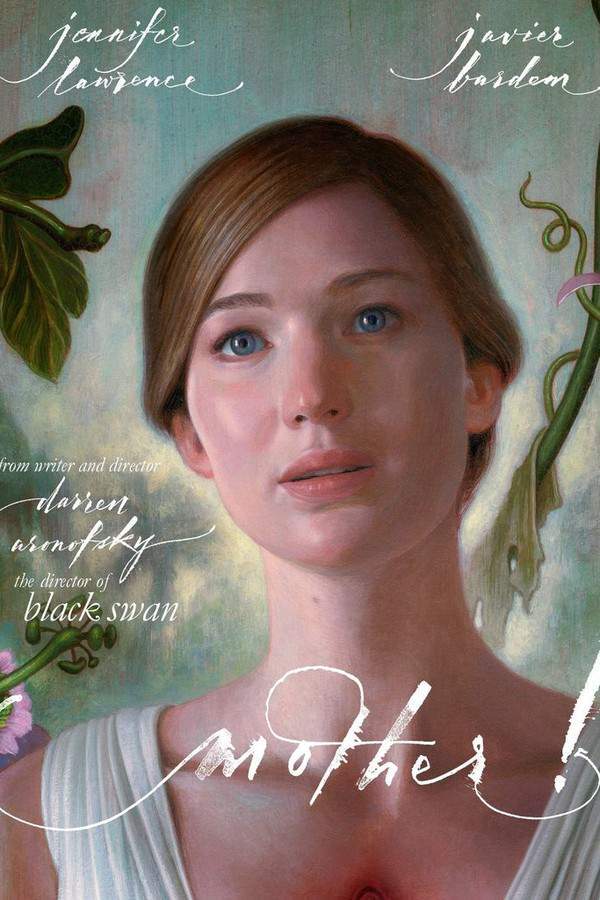
The story unfolds with a woman engulfed in flames, her flesh burning away as ominous screams echo around her. We then shift focus to a man known as "Him", portrayed by Javier Bardem, who carefully places a crystal object in his bedroom. With this act, the once charred and derelict house transforms into a beautifully refurbished home. Soon after, Mother, played by Jennifer Lawrence, appears in bed next to Him. Noticing he is missing, she calls out, “Baby?” but receives no response.

As she wanders through the house—seemingly devoid of life—she steps onto the porch, only to be startled by Him who approaches from behind, enveloping her in a comforting hug. Him is a celebrated poet grappling with a profound writer’s block following the tragic death of his first wife. Meanwhile, Mother attempts to beautify the home by painting one of the walls, only to have a vision of a beating heart within it.

Their respite is interrupted by a knock at the door, heralding the arrival of a stranger referred to as "Man," played by Ed Harris. Him welcomes him warmly, although Mother feels an unsettling aura surrounding his presence. Man has come under the impression that the house operates as a bed-and-breakfast. While Him engages in conversation with Man, Mother tries to conceal her discomfort, feeling neglected despite her own love for his work. When concerns arise over Man's violent coughing fits, Mother watches apprehensively as a piece of flesh disappears from his ribs, which Him tries to obscure.

The following day, curious about Man's health, Mother learns he feels splendid. Shortly after, another knock at the door introduces Man's wife, known as "Woman," portrayed by Michelle Pfeiffer. Him graciously invites her in as he and Man embark on a hike, leaving Mother alone to converse with Woman. She probes Mother with intrusive questions regarding whether she and Him intend to have children, whilst expressing her desire to visit Him's office—an invitation Mother firmly denies.

Upon their return, another coughing spell afflicts Man, prompting Him to reveal his dire health condition, informing Mother that Man's time is running out. Subsequently, Man and Woman unintentionally shatter the crystal object in Him's office, leaving him in despair. As tension mounts, Mother confronts Man and Woman, demanding their departure, but the couple instead withdraws to a bedroom, succumbing to intimacy.

Their absence leads to the arrival of Man and Woman's feuding sons, who argue about their father's will, prompting violence. A horrific altercation begins, resulting in grievous injuries. Him ultimately carries the injured brother to the hospital, with Man and Woman following.

While cleaning up the aftermath, a stain of blood remains stubbornly in place, leading Mother to uncover the sinister essence of their house—blood leaking into the basement. When others return, Him informs Mother of the younger brother's death, and a wake is held, drawing further strangers to pay their respects. Overwhelmed by the unruly guests and their behavior, Mother voices her frustrations to Him, only for them to be consumed by passion, yet again.

The story progresses as Mother discovers she is pregnant, filling Him with inspiration to write. Joyous news follows as He garners attention from The Herald, played by [Kristen Wiig]. However, Mother’s joy turns into a nightmare when the throng of enthusiastic fans begins to invade their home, turning chaotic and violent. She experiences ominous pains that resonate through the house.

As the tensions culminate, the fans—revealed to be part of a pagan cult—execute brutal acts against one another as they swarm the house. Mother, caught in the turmoil, is forced into labor. Despite giving birth to a son, Him betrays her trust and presents their child to the very people who threaten them. The tragic moment unfolds as the adoring crowd takes their baby, leading to unspeakable horror.

Consumed with despair and rage, Mother finally confronts the chaos by setting the house ablaze, resulting in a cataclysmic explosion that engulfs everyone—leaving her deeply scarred as Him remains unscathed. In the aftermath, amidst the ashes, Mother questions Him about his identity. He responds, “I am I and you are home.” Their tragic ending complicates further as He reveals his desires, extracting her heart and recreating the cycle anew by placing the crystal object where it once was, as a young woman emerges again, echoing the past with a familiar call for her lost husband, "Baby?"

Last updated: November 08, 2024 at 01:13

Was this helpful?

Plot questions answered

Mother Plot Explained: Your Questions Answered

The questions people ask most about Mother (2020): what happens in the confusing scenes, why the characters do what they do, the twists, hidden details and what the ending means. Each answer contains spoilers.

Q1

Why does Him allow the strangers to stay despite Mother's unease?

Him welcomes Man and Woman because he is suffering from severe writer's block after the death of his first wife. He is desperate for inspiration and human connection, even from strangers. His welcoming nature stems from his creative emptiness, he sees these visitors as potential muse material. Mother senses danger because the house itself is protective of her, and the arrival of outsiders disrupts its fragile ecosystem, leading to escalating violence.

Foreshadowing: The house's protective nature is established early when it transforms from a charred ruin into a beautiful home at Him's command.

  • Him
  • Mother
  • Man
  • Woman
  • strangers
  • house
  • writer's block
  • invitation
Q2

What is the crystal object and why does it matter?

The crystal object is a mysterious artifact that Him keeps in his bedroom. It appears to be the source of the house's supernatural power, when he places it in the room, the derelict house transforms into a pristine home. When Man and Woman accidentally break it in his office, Him falls into despair. The crystal seems to represent creation itself, and its destruction foreshadows the violent events that follow.

Foreshadowing: The crystal's placement immediately after the opening scene of a burning woman establishes it as an object of creation and destruction.

  • crystal
  • artifact
  • house
  • creation
  • breakage
Q3

Why does the house bleed from the basement?

The house is revealed to be a living entity, the bleeding from the basement represents the house's 'blood' or life force. This sinister discovery occurs after the violent confrontation between Man's sons, when Mother finds blood seeping into the basement while cleaning up. The house is essentially Mother herself, connected to her emotionally and physically. Its bleeding signifies the violation of the home and foreshadows the ultimate destruction to come.

Foreshadowing: Mother sees a vision of a beating heart inside the wall while painting, hinting at the house's sentience.

  • house
  • bleeding
  • basement
  • heart
  • living entity
Q4

Why does Him give his baby to the cult followers?

Him gives the newborn to his fanatical followers because he views them as his true audience and source of creative inspiration. Throughout the film, he prioritizes his writing over Mother's safety and comfort. The cult members worship him as a god-like figure, and he embraces this role. By offering the baby to them, he completes a sacrifice that he believes will bring him ultimate creative renewal, though it leads to the baby's death and Mother's breaking point.

Foreshadowing: Him's willingness to welcome the intrusive fans despite Mother's warnings shows his prioritization of his artistic needs over their safety.

  • baby
  • Him
  • cult
  • followers
  • sacrifice
  • betrayal
Q5

What does the ending mean - why does the cycle repeat?

The ending reveals that the entire story is a never-ending cycle of trauma. After Mother burns the house and everyone dies, Him extracts her heart and recreates the process by placing the crystal back where it was. A new woman wakes up, calling out 'Baby?', implying she will become the next Mother in the same tragic pattern. The film operates as a biblical allegory about creation, destruction, and the cycle of abuse, suggesting that Him will continue to use and destroy women endlessly.

Foreshadowing: The opening scene shows a woman burning, which is revealed to be the previous Mother in the cycle.

  • cycle
  • ending
  • rebirth
  • repetition
  • allegory
Q6

Who is the woman in flames at the beginning of the movie?

The woman in flames is the previous Mother, the woman who came before Jennifer Lawrence's character. This opening scene shows her being burned alive, likely killed by Him or his followers in a previous cycle. This establishes the cyclical nature of the story and foreshadows the same fate awaiting the current Mother. The charred house we see at the start is the aftermath of this previous destruction.

Foreshadowing: This opening directly mirrors the ending, confirming the cyclical pattern.

  • woman in flames
  • opening
  • previous Mother
  • cycle
Q7

What do Him's fans represent in the film?

Him's fans represent the destructive nature of celebrity worship and artistic exploitation. They are revealed to be part of a pagan cult that treats Him as a god. These followers embody the dangerous extremes of devotion, they invade his home, demand his attention, and ultimately commit unspeakable acts in their worship. They represent how artists can become consumed by their audience, and how fame can destroy both the creator and those close to them.

Foreshadowing: The fans' arrival is preceded by Mother discovering her pregnancy, which should be a protected moment but becomes another opportunity for invasion.

  • fans
  • cult
  • worship
  • celebrity
  • invasion
  • obsession
Q8

Why does Mother set the house on fire at the end?

Mother sets the house on fire in a final act of desperation and revenge after witnessing her baby killed by the cult. Having lost her child, her home, and her sanity to the invading followers and Him's betrayal, she chooses destruction over continued suffering. The fire is her only way to reclaim power in a situation where she has been completely violated. The explosion kills everyone inside, including Him, though he survives, suggesting he is immortal or bound to the house itself.

Foreshadowing: Mother's warning to Him that 'they will destroy you' and her growing rage foreshadow this violent release.

  • fire
  • revenge
  • baby death
  • explosion
  • desperation
Q9

What does Him mean when he says 'I am I and you are home'?

When Him says 'I am I and you are home,' he reveals himself as a creator deity or force of nature, while Mother is merely his vessel or dwelling. He is the creative principle that needs a female presence to exist, he cannot create without 'home.' This cryptic statement confirms that Mother is interchangeable and expendable; she exists only to serve his needs. This aligns with the film's biblical allegory where woman is secondary to man's creative endeavors.

Foreshadowing: The entire film shows Him prioritizing his writing over Mother's wellbeing, treating her as instrumental to his purpose.

  • Him
  • identity
  • quote
  • meaning
  • creator
  • home
Q10

Why does Mother become pregnant at such a chaotic time?

Mother's pregnancy represents a glimmer of hope and her attempt to create something pure within the corrupted environment. The pregnancy coincides with Him regaining his ability to write, suggesting the baby is tied to his creative force. However, this hope is systematically destroyed by the chaos around her and ultimately betrayed by Him. The pregnancy becomes another thing that is violated and taken from her, deepening the film's themes of exploitation.

Foreshadowing: The house bleeding and the arrival of violent guests foreshadow that this pregnancy will not be protected or safe.

  • pregnancy
  • Him
  • baby
  • hope
  • creation

Ending explained

What Happens at the End of Mother?

How Mother (2020) ends, in short: the final scene, the last twist and what it means for the characters. The full ending explained, with every spoiler, lives on its own page.

Read the full ending explained

The ending of mother! is a powerful and visceral metaphor that encapsulates its themes of creation, destruction, and human greed. Throughout the film, Jennifer Lawrence’s character, representing Mother Earth, is shown to nurture and sustain life, but she is also exploited and ultimately overwhelmed by the chaos brought by humanity. Javier Bardem’s character — often seen as a godlike figure, or a stand-in for God — obsessively creates and seeks admiration at the expense of her well-being. The climax arrives when the chaos in the house reaches its peak; her sanctuary is invaded, her child is brutally killed by the mob of followers, and she is pushed to her limits. In a moment of ultimate despair, she sets fire to everything, destroying the house, herself, and everyone inside. This act of destruction is symbolic of both environmental collapse and the cyclical nature of creation and destruction—representing how humanity repeatedly destroys what it seeks to worship and cherish.

After her death, the house is reborn when Bardem’s character collects her burned remains and places her heart—a symbol of life—back onto the stand, reigniting the cycle of creation. This cyclical ending suggests that this pattern of destruction and renewal is perpetual; each new "Mother" emerges to repeat the same story. The film hints that the characters and events are archetypes representing biblical creation and humanity’s destructive tendencies. Bardem’s character’s decision to restart the cycle reveals a troubling notion: that suffering and destruction are eternal, echoing spiritual and ecological themes. Ultimately, the ending leaves viewers with a haunting reflection on humanity’s inability to break free from these destructive patterns, emphasizing that our relationship with the Earth, faith, and ourselves might be trapped in an unending loop of creation and ruin.

Mother ending explained in full

Movie threads

More Movies Like Mother, by Mood & Story

Curated lists built around what makes Mother tick: the same mood, the same kind of story or the same emotional payoff. Each list explains why these movies belong together.

Surreal Psychological Horror Movies like Mother

Films where reality unravels into a nightmarish, symbolic landscape. If you enjoyed the dreamlike dread and symbolic horror of Mother, explore these movies that blur reality into a nightmare. This list features films with high-intensity psychological tension, surreal visuals, and bleak thematic explorations, perfect for viewers seeking a similarly unsettling cinematic experience.

  • surreal
  • nightmarish
  • dreamlike
  • feverish
  • unsettling
  • oppressive
  • Tone: dark, unsettling
  • Pacing: variable, creeping dread
Why these movies?

The story pattern: Stories in this thread typically follow a protagonist whose perception of reality is systematically dismantled. Normal situations warp into symbolic battlegrounds, often representing internal trauma or societal fears. The plot is secondary to the emotional and psychological journey, which culminates in a profound sense of loss or a bleak reset of the traumatic cycle.

Why they belong together: These films are grouped by their shared commitment to creating a surreal, oppressive atmosphere and using horror as a vehicle for psychological and thematic exploration. They prioritize mood and metaphor over straightforward plotting, resulting in a deeply unsettling and thought-provoking viewing experience.

Home Invasion Horror and Thriller Movies like Mother

Stories where the safety of home is brutally invaded by external forces. For viewers who appreciated the intense home violation theme in Mother, this list features other thrillers and horror movies where domestic safety is shattered. Discover films with claustrophobic tension, disturbing themes, and a high stakes struggle to protect one's family and sanity from obsessive external threats.

  • claustrophobic
  • anxious
  • unsettling
  • tense
  • oppressive
  • violent
  • Tone: dark, tense
  • Pacing: variable, accelerating chaos
Why these movies?

The story pattern: The narrative pattern involves an idyllic or normal domestic setting being targeted by an intrusive force, which could be human, supernatural, or ideological. The story focuses on the protagonists' desperate attempts to defend their space and loved ones, often leading to a complete breakdown of order and a tragic loss of innocence. The home itself becomes a character—a prison under siege.

Why they belong together: These movies are united by the core theme of domestic violation, which generates extreme claustrophobic tension and explores deep-seated fears about safety and vulnerability. They share a high intensity level, a dark tone, and a focus on the psychological destruction that occurs when one's sanctuary is destroyed.

If you liked this

Movies Like Mother

Similar movies to Mother: the same genre, themes or kind of story. Each one comes with its own plot summary, timeline and ending explained.

Browse all movie summaries

Every angle

Mother (2020) Explained: Plot, Ending, Timeline & Characters

Everything about Mother in one place: what happens in the plot summary, the timeline in chronological order, the characters and meaning, the ending explained and a spoiler-free summary. What's After the Movie adds the cast, box office and post-credit scenes.

Coming soon on iOS and Android

The Plot Explained Movie Summary App

Plot summaries, endings explained and timelines on your phone. Catch up on any movie in minutes, save your favorites and never miss a twist again.

Be the first to know when we launch. Your email stays private, always.

Learn more about the app