









Plot Explained Spoilers guaranteed!
Plot Explained

Browse by genre

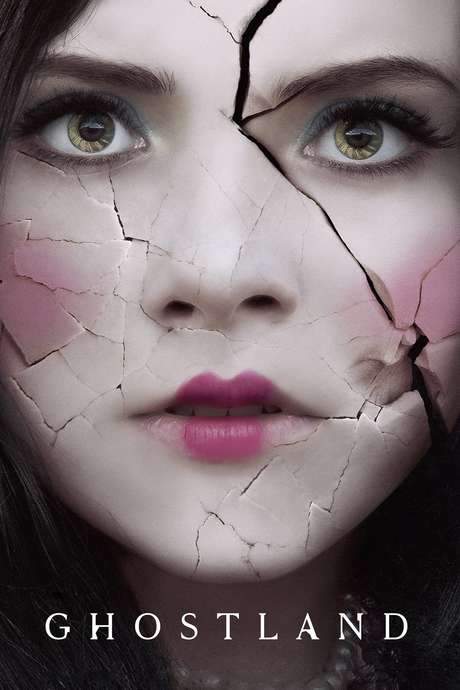
Ghostland (2018) movie poster

Plot Summary

Ghostland (2018) Plot Summary Explained

Release, runtime and language
2018 · 91 mins · English
Echo score 67
JustWatch #10,857 14
Directed by
Pascal Laugier
Starring
Rob Archer, Adam Hurtig, Erik Athavale, Emilia Jones, Crystal Reed, Taylor Hickson

A grieving mother and her two daughters find themselves targeted by violent intruders shortly after inheriting a house from her aunt. Years later, the daughters return to the house, now adults, and unsettling events begin to unfold, forcing them to confront the lingering trauma of that terrifying night and the mysteries surrounding their family's past.

On this page (5)
  1. 1 Where to watch
  2. 2 What happens: full plot
  3. 3 Plot questions answered
  4. 4 Movie threads
  5. 5 Every angle

Where to watch

Where to Watch Ghostland (2018)

Where can you watch Ghostland? Stream, rent or buy it in the US, including on Amazon Prime Video, Bloodstream and Fawesome: current JustWatch availability with up-to-date prices.

Streaming availability powered by JustWatch

Full plot summary · contains spoilers

What Happens in Ghostland: Full Plot Summary

The whole story of Ghostland (2018) explained, from the opening scene to the final frame: every key event, every twist and what it all adds up to. Read it as a quick recap before the sequel, to check a scene you missed, or to finally understand what really happened.

Pauline Mylène Farmer takes her teenage daughters Beth and Vera to their recently deceased aunt Clarisse's secluded home after they inherit it in her will. Beth reads an article about a string of home invasions where parents are murdered, but the children are spared. Unbeknownst to them, they are being stalked by a mysterious driver in a candy truck.

Shortly after they settle in, two intruders break in: a large, troubled man known as the Fat Man Rob Archer and a woman who drives the Candy Truck Kevin Power. Vera is raped by the Fat Man, while Beth tries to escape but is confronted by the Candy Truck Woman. When Beth asks what they want, the Candy Truck Woman answers, "We just wanna play with dolls." Pauline reacts with swift, fatal force, killing both intruders.

Sixteen years pass. Beth becomes a successful horror author living in Chicago with her husband Adam Hurtig and her son Denis Cozzi. She appears on a talk show to promote Incident in a Ghostland, a novel inspired by that terrible night. Vera remains haunted, suffering delusions and living in a padded room in Clarisse’s house, where she still resides with Pauline. Beth starts having strange dreams, and Vera insists that their tormentors are still out there.

During a tense episode, Beth discovers Vera in chains, arranged to resemble a doll. Pauline calls an ambulance and warns Beth not to listen to Vera. Beth doses off, only to wake up in the hands of the Candy Truck Woman. She finds Vera badly injured in the basement, and the truth erupts: the Candy Truck Woman killed Pauline that night, and Beth and Vera have been reliving their teenage captivity in Clarisse's house. Beth’s adult life, her career, and her marriage, appear to be a hallucination.

The Candy Truck Woman dresses Beth like a doll and leaves her in a room filled with other dolls while the Fat Man molests and tortures her. When he attacks Beth, she fights back and escapes, freeing Vera. They reach a road where two state troopers try to help, but the Candy Truck Woman shoots them and recaptures the sisters.

Beth retreats into her adulthood fantasy again, wandering a cocktail party where her idol, H.P. Lovecraft, praises her novel as a masterpiece. In the same moment, she sees Vera screaming for help and resolves to rescue her. Beth breaks free from the Fat Man and confronts the Candy Truck Woman in a climactic confrontation. A second state trooper arrives just in time to gun down both captors. As authorities arrive, Beth envisions her mother waving from the house, and she and Vera are taken to a hospital, finally bringing a fragile sense of relief after years of fear and confusion.

Last updated: October 01, 2025 at 13:04

Was this helpful?

Plot questions answered

Ghostland Plot Explained: Your Questions Answered

The questions people ask most about Ghostland (2018): what happens in the confusing scenes, why the characters do what they do, the twists, hidden details and what the ending means. Each answer contains spoilers.

Q1

Why does Beth believe she has been living an adult life for 16 years?

Beth's adult life, including her husband, son, writing career, and talk show appearance, is a hallucination created by her mind as a coping mechanism to survive the trauma of prolonged captivity. In reality, she and Vera have been held captive in Clarisse's house since the night of the attack, and they remain teenagers. The Candy Truck Woman and Fat Man kept them imprisoned for years, forcing Beth to construct an elaborate fantasy world to disconnect from the horrific reality of her situation.

Foreshadowing: Earlier scenes show subtle inconsistencies: Beth's husband Denis has no dialogue, her son appears at an impossibly young age despite 16 years passing, and the talk show interview takes place in an eerily empty studio.

  • beth hallucination
  • ghostland twist
  • psychological captivity
  • coping mechanism
Q2

How does Pauline actually die in Ghostland?

Pauline is killed by the Candy Truck Woman during the initial home invasion, not by the Fat Man as the girls initially believed. When Pauline attacks the intruders to protect her daughters, she succeeds in killing the Fat Man with an axe, but the Candy Truck Woman stabbed her to death. The Candy Truck Woman then kept this killing hidden from Beth and Vera, allowing them to believe their mother had survived for 16 years while she was actually dead all along.

Foreshadowing: The scene where Pauline kills both intruders shows her acting alone, but the timeline notes reveal the Candy Truck Woman's death was staged or hidden.

  • pauline death
  • candy truck woman
  • killed in home invasion
Q3

What happened to Vera during the home invasion?

Vera was sexually assaulted by the Fat Man during the initial attack and has remained captive in Clarisse's house for 16 years. Throughout the film, Vera is depicted as delusional and mentally unstable, confined to a padded room in the basement where she is restrained and made to resemble a doll. She is the one who initially tries to convince Beth that their captors are still out there, which turns out to be true, they never left because they were always there.

Foreshadowing: The early scene showing Vera being attacked by the Fat Man establishes the violence that defines her captivity.

  • vera assault
  • captivity
  • -fat man
  • doll manipulation
Q4

Why do the intruders say they want to "play with dolls"?

The phrase "We just wanna play with dolls" is the Candy Truck Woman's disturbing justification for kidnapping and torturing Beth and Vera. She views the sisters as living dolls to be controlled, dressed, and tormented. This metaphor extends throughout their captivity, Vera is physically restrained and made up like a doll in the basement, while Beth is also dressed in doll-like clothing during the escape attempt. The captors derive pleasure from exercising total power over their victims as if they were inanimate objects.

Foreshadowing: This phrase is delivered ominously when Beth asks what they want during the initial attack, establishing the captors' twisted psychology early on.

  • play with dolls
  • candy truck woman
  • motivation
  • torture
Q5

How old is Beth really when the truth is revealed?

Beth is actually a teenager, not the adult horror author she believes herself to be. When the twist is revealed, it becomes clear that she has been held captive since the night of the attack 16 years prior. Her mind created the fantasy of growing up, getting married, and becoming a successful writer as a psychological escape from the unbearable reality of her prolonged captivity. She and Vera have remained teenagers trapped in Clarisse's house the entire time.

Foreshadowing: Beth's memories of her adult life contain logical impossibilities, her son never ages, her husband has no distinct personality, and her career advances happen in mysterious gaps in time.

  • beth age
  • teenage captive
  • real age
  • illusion
Q6

What happens when Beth and Vera try to escape and encounter the state troopers?

Beth and Vera manage to escape from the house and reach a road where two state troopers attempt to help them. However, the Candy Truck Woman follows them and shoots both troopers dead before recapturing the sisters. This brutal moment demonstrates that the captors will kill anyone who tries to help their victims and shows the sisters that they cannot rely on outside help, they must rescue themselves.

Foreshadowing: The escape attempt begins after Beth breaks free from the fantasy and confronts the reality situation of their.

  • state troopers killed
  • escape attempt
  • recapture
  • shooting
Q7

What is the significance of H.P. Lovecraft appearing at the cocktail party?

The H.P. Lovecraft cocktail party scene is part of Beth's elaborate hallucination, a fantasy reward her mind created to cope with trauma. In this fantasy, her idol, horror writer H.P. Lovecraft, praises her novel "Incident in a Ghostland" as a masterpiece. This moment represents Beth's desire for validation and escape from her suffering. When she sees Vera screaming for help in the background, she chooses to abandon the comforting fantasy and return to reality to save her sister.

Foreshadowing: The fantasy takes place in an unreal, empty space with idealized versions of success, contrasting sharply with the horror of the basement.

  • hp lovecraft
  • cocktail party fantasy
  • validation
  • escape fantasy
Q8

How do Beth and Vera finally defeat their captors?

Beth escapes from the Fat Man and confronts the Candy Truck Woman in a final showdown. A state trooper arrives at the scene and shoots both captors, killing them. Beth and Vera are then taken to a hospital, where they finally receive help after years of captivity. The ending shows Beth seeing a vision of her mother waving from the house, a bittersweet moment that suggests some form of psychological closure, though the sisters' trauma remains profound.

Foreshadowing: Beth's choice to leave the Lovecraft fantasy and rescue Vera represents her psychological shift from denial to confrontation.

  • captors killed
  • final confrontation
  • hospital
  • rescue
Q9

What does Beth's vision of her mother at the end mean?

Beth sees a vision of her mother Pauline waving goodbye from the house as the sisters are taken to the hospital. This vision represents Beth's psychological closure and her way of finally letting go of the guilt she carried about surviving. Since Pauline was actually killed by the Candy Truck Woman years ago, this final image is a metaphorical goodbye, Beth is leaving the house (and her mother) behind as she begins the long road to recovery.

Foreshadowing: The vision only appears after the captors are dead and the sisters are safe, marking the psychological end of their ordeal.

  • mother vision
  • ending interpretation
  • closure
  • pauline ghost
Q10

What are the signs that Beth's reality was actually a hallucination?

Several clues reveal Beth's adult life is fabricated: her husband Denis Cozzi never speaks and has no personality; her son remains the same age despite 16 years passing; the talk show takes place in an empty studio with no audience; her novel "Incident in a Ghostland" seems to have been written and published with no clear memory of doing so; and Pauline never ages or interacts with her directly in meaningful ways. These impossibilities accumulate until the twist reveals that Beth's mind constructed an entire life to protect her from the truth of her ongoing captivity.

Foreshadowing: The earliest sign is Beth's strange dreams and the moment she briefly wakes in the Candy Truck Woman's hands before retreating back into fantasy.

  • fantasy signs
  • reality vs hallucination
  • clues
  • psychological thriller

Movie threads

More Movies Like Ghostland, by Mood & Story

Curated lists built around what makes Ghostland tick: the same mood, the same kind of story or the same emotional payoff. Each list explains why these movies belong together.

Movies about trauma and escapism like Ghostland

Characters who survive extreme trauma by retreating into protective fantasy worlds. If you were captivated by Ghostland's exploration of fantasy as a refuge from trauma, you'll find similar themes here. This collection features movies where characters use elaborate mental escapes to survive horrific events, resulting in psychologically complex and emotionally heavy stories with a dark tone.

  • psychological
  • traumatic
  • dreamlike
  • unsettling
  • claustrophobic
  • disturbing
  • Tone: dark, psychologically complex
  • Pacing: variable, juxtaposing brutal reality with dreamlike escapes
Why these movies?

The story pattern: Narratives in this thread often begin with a profound, tangible trauma that shatters a character's world. The plot then bifurcates, following both the grim reality of their suffering and the intricate, often beautiful or empowering, fantasy they construct to psychologically survive. The climax typically involves a painful confrontation where the two worlds collide.

Why they belong together: These films are grouped together because they share a unique focus on internal psychological survival as the primary response to external horror. They blend high-intensity violence with complex, dreamlike structures, creating a specific, unsettling mood where the mind itself becomes both the battleground and the sanctuary.

Intense home invasion horror movies like Ghostland

Stories where the safety of home is violently shattered by intruders. For viewers who found the violent intrusion and prolonged captivity in Ghostland so gripping, this list features similar movies. Discover other horror and thriller stories where characters fight for survival within the confined space of their own home against merciless attackers, often dealing with heavy themes of trauma.

  • anxious
  • oppressive
  • gripping
  • unsettling
  • violent
  • claustrophobic
  • Tone: dark, tense, bleak
  • Pacing: fast-paced attack followed by variable tension
Why these movies?

The story pattern: The narrative pattern typically involves a sudden, brutal attack that disrupts a state of normalcy, followed by a prolonged struggle for survival within a confined space. The conflict is intensely personal and physical, pitting vulnerable inhabitants against ruthless invaders. The story often extends beyond the immediate event to explore the long-term trauma of the survivors.

Why they belong together: These movies share a core premise that generates immediate, high-tension dread. They deliver a specific kind of visceral fear through their focus on confined settings, intimate violence, and the violation of personal safety. The mood is consistently anxious, oppressive, and unsettling, prioritizing raw survival over complex mystery.

Every angle

Ghostland (2018) Explained: Plot, Timeline & Characters

Everything about Ghostland in one place: what happens in the plot summary, the timeline in chronological order, the characters and meaning and a spoiler-free summary. What's After the Movie adds the cast, box office and post-credit scenes.

Coming soon on iOS and Android

The Plot Explained Movie Summary App

Plot summaries, endings explained and timelines on your phone. Catch up on any movie in minutes, save your favorites and never miss a twist again.

Be the first to know when we launch. Your email stays private, always.

Learn more about the app