Plot Explained Spoilers guaranteed!
Plot Explained

Browse by genre

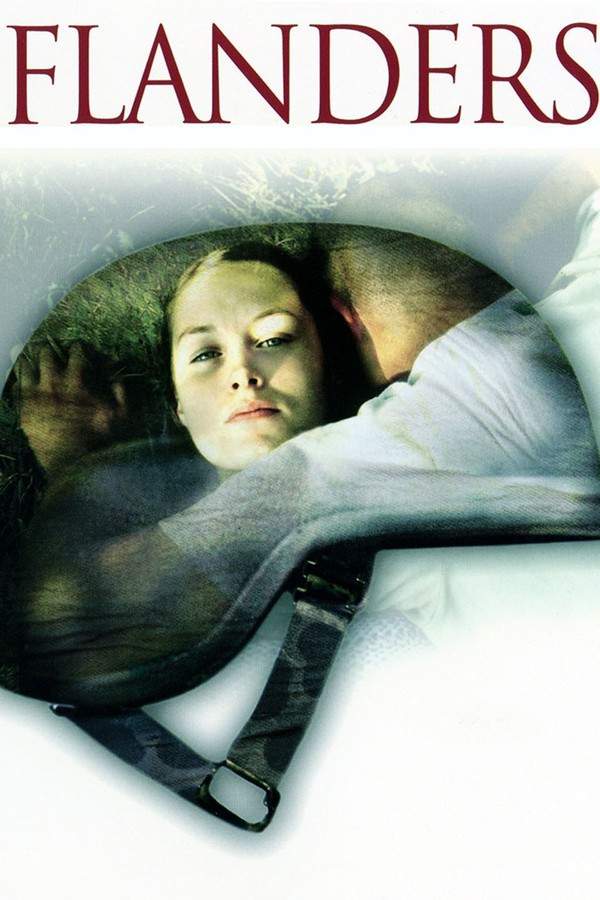
Flanders (2007) movie poster

Characters & Themes

Flanders (2007) Characters, Setting & Themes Explained

Release, runtime and language
2007 · 91 min · French
Loading streaming availability…
Directed by
Bruno Dumont

Amidst the devastation of war, André Demester is torn from his peaceful rural life, compelled to fight for his country. He leaves behind Barbe, the childhood sweetheart he deeply cherishes, and the prospect of a future together. As André confronts the harsh realities of combat, he transforms into a seasoned soldier. Back home, Barbe waits with mounting anxiety, her fate inextricably linked to André’s safe return from the front lines.

On this page (8)
  1. 1 Where to watch
  2. 2 Characters explained (3)
  3. 3 Where & when it takes place
  4. 4 Themes & meaning (3)
  5. 5 Character & meaning questions
  6. 6 Movie threads
  7. 7 Movies like Flanders
  8. 8 Every angle
Loading streaming availability…

3 main characters · contains spoilers

Flanders Characters Explained: Who Is Who

The main characters of Flanders (2007), heroes and villains: what drives them, how they change over the course of the story and what each of them reveals about the film's bigger ideas.

  • André

    A taciturn farmer who endures a hard, lonely life on a dilapidated farm. His experiences in the war leave him emotionally closed off, struggling to connect with Barbe and process the violence he witnessed and participated in. Throughout the story, he wrestles with guilt and a growing, fragile capacity for vulnerability that surfaces only after therapy from his loved ones and himself.

    • 🧭 taciturn
    • 🪖 war-weary
    • 💔 emotionally distant
    • 💬 reluctant to open up
  • Barbe

    A neighbor's young daughter who becomes involved with André and then faces pregnancy and hardship. Her subsequent abortion, depression, and psychiatric care reflect the personal fallout of war-time relationships. She seeks emotional closeness from André, enlisting a friend to coax his feelings out, and her persistence ultimately helps him confront his past.

    • 💗 longing
    • 🫂 supportive
    • 🧠 troubled
    • 🏥 trauma survivor
  • Blondel

    André's comrade in arms, whose actions and fate underscore the brutalities of war. Captured by insurgents, Blondel endures violence and injury alongside André, and his experiences help drive the narrative about survival, guilt, and the costs of violence. His presence in the escape sequence contrasts with André's later emotional retreat back home.

    • 🪖 soldier
    • 🩸 violence
    • 🤝 loyalty
    • 🕳 trauma

Last updated: February 17, 2026 at 17:46

Was this helpful?

Setting

Where and When Does Flanders Take Place?

The setting of Flanders (2007): the year and time period, the places and locations, and how they shape the characters, the mood and the tension of the story.

Time period

Contemporary (early 2000s)

The narrative unfolds in modern times, juxtaposing rural life with current-style warfare. Scenes shift from quiet domestic spaces to brutal frontline moments, reflecting a present-day sensibility. As violence intrudes, memory and trauma shape how the characters live after the war. The timeframe anchors the film’s exploration of guilt, healing, and reconciliation in a recognizable, recent world.

Location

Flanders countryside, Barbe's village bar, Middle Eastern battlefield, psychiatric hospital

Set in the rural Flanders countryside around a dilapidated farm, the film contrasts quiet provincial life with the brutalities of war. It travels through Barbe's village bar, a remote Middle Eastern battlefield, and a psychiatric hospital, expanding the emotional landscape of the story. The settings emphasize isolation, moral ambiguity, and the distance between home life and violence.

  • 🏡 Rural life
  • 🚧 War-torn landscape
  • 🧠 Psychological aftermath

Last updated: February 17, 2026 at 17:46

Was this helpful?

3 major themes

Flanders Meaning: Themes & Message Explained

What is Flanders (2007) really about? The emotional, social and philosophical themes the film keeps returning to, its symbolism and the message beneath the surface.

  • War & Trauma

    War shatters the ordinary rhythms of life and leaves marks that linger long after the fighting ends. André and Blondel experience the dehumanizing brutality of combat as they move from patrol to capture, witnessing violence against others and themselves. The film does not offer clear heroes; it presents trauma as a shared wound, visible in memory and behavior. The explicit brutality—mass violence, captivity, and emasculation—forces the characters to confront what it means to survive. The result is a restrained, ambiguous portrayal of post-conflict healing.

  • Loneliness & Connection

    Barbe's longing confronts André's emotional vacancy; their encounters highlight a desire for connection in a world of violence. Barbe's abortion and subsequent depression show how personal choices intersect with trauma. Their later, passionless intimacy underscores André's inability to open up, while Barbe searches for someone to unseal his feelings. A friend helps pry open the silence, enabling André to cry for the victims on both sides. The film suggests that healing requires honesty and mutual vulnerability, not just physical closeness.

  • Guilt & Redemption

    André's return to the farm marks a fragile rebirth; he must face the consequences of his past actions in war and with Barbe. The shared trauma with Blondel and the casualties create a moral tension that neither protagonist fully resolves. The turning point comes when a friend helps reveal his buried sorrow, allowing him to grieve for both sides' victims. The confession of love to Barbe emerges as a form of redemption, a fragile hope that human warmth can endure violence. The ending suggests redemption is imperfect and earned through openness, not denial.

Last updated: February 17, 2026 at 17:46

Was this helpful?

Character & theme questions

Flanders Characters & Meaning: Your Questions Answered

The questions people ask about Flanders (2007): who the characters really are, their relationships, what the symbols mean, where it takes place and what the movie is really about. Each answer contains spoilers.

Q1

Where is the movie set?

The film takes place primarily in the rural Flanders countryside, centered around a dilapidated farm. The story contrasts this quiet provincial setting with a remote Middle Eastern battlefield and a psychiatric hospital, expanding from Barbe's village bar to the front lines of war.

  • flanders countryside
  • farm
  • setting
  • belgium
  • rural
Q2

What time period does the story take place in?

The narrative unfolds in contemporary times, specifically the early 2000s. This modern setting anchors the film's exploration of guilt, healing, and reconciliation in a recognizable, recent world rather than a historical period.

  • contemporary
  • 2000s
  • time period
  • modern era
Q3

What does the film say about war and trauma?

War & Trauma is a central theme, depicting how combat shatters ordinary life and leaves lasting scars. The film presents trauma as a shared wound, showing André and his comrade Blondel experiencing dehumanizing brutality. There are no clear heroes, only survivors grappling with the psychological aftermath of violence, captivity, and moral ambiguity.

  • war trauma
  • combat
  • PTSD
  • psychological aftermath
  • violence
Q4

How does the movie explore loneliness and connection?

Loneliness & Connection examines how André's emotional vacancy strains his relationship with Barbe. Her abortion, depression, and psychiatric care reflect the personal cost of war-time relationships. A friend helps pry open André's silence, enabling him to grieve. The film suggests healing requires honesty and mutual vulnerability, not just physical closeness.

  • loneliness
  • connection
  • relationship
  • emotional vulnerability
  • healing
Q5

What does the film say about guilt and redemption?

Guilt & Redemption follows André's return to the farm where he must face consequences of his war actions. His confession of love to Barbe represents a fragile form of redemption. The ending suggests redemption is imperfect and earned through openness, not denial, though it exists within the overwhelming context of horrors he witnessed and his abandonment of Blondel.

  • guilt
  • redemption
  • confession
  • moral tension
  • healing
Q6

Who is André and what defines him?

André is a taciturn farmer living a hard, lonely life on a dilapidated farm in rural Flanders. After being compelled to fight for his country, he returns emotionally closed off, struggling to connect with Barbe and process the violence he witnessed. Throughout the story, he wrestles with guilt and develops a fragile capacity for vulnerability.

  • André
  • farmer
  • soldier
  • emotional closure
  • protagonist
Q7

Who is Barbe and what is her role?

Barbe is the neighbor's young daughter who becomes involved with André. She faces pregnancy and hardship, eventually undergoing an abortion which leads to depression and psychiatric care. She seeks emotional closeness from André and enlists a friend to help coax his feelings out, ultimately playing a key role in his emotional breakthrough.

  • Barbe
  • girlfriend
  • depression
  • psychiatric care
  • relationship
Q8

Who is Blondel and what is his significance?

Blondel is André's comrade in arms whose experiences underscore the brutalities of war. Captured by insurgents alongside André, he endures violence and injury. His presence in the escape sequence contrasts with André's later emotional retreat, and their shared trauma creates a moral tension that neither fully resolves.

  • Blondel
  • comrade
  • soldier
  • captivity
  • war buddy
Q9

What is the emotional tone of the film?

The film has a consistently bleak tone, defined by nihilistic violence abroad and profound emotional damage inflicted on characters at home. The intensity is high due to relentless depictions of war crimes including rape, execution, and castration, creating a harrowing and emotionally taxing experience.

  • bleak tone
  • emotional intensity
  • war crimes
  • psychological damage
Q10

How do the different settings contribute to the story?

The settings emphasize isolation, moral ambiguity, and the distance between home life and violence. The quiet provincial life of the Flanders countryside starkly contrasts with the brutalities of the Middle Eastern battlefield, while the psychiatric hospital represents the psychological aftermath. This spatial contrast reinforces the emotional divide between civilian existence and wartime experience.

  • settings contrast
  • isolation
  • war-torn landscape
  • rural vs battlefield
Q11

Is the ending hopeful or bleak?

The ending feels bittersweet. While André's confession of love and ability to cry represent a significant emotional breakthrough, this moment of potential healing exists within the overwhelming context of his abandonment of Blondel and the horrors he witnessed. The film offers fragile hope rather than a clear resolution, suggesting redemption is possible but imperfect.

  • bittersweet ending
  • emotional breakthrough
  • hope
  • resolution

Movie threads

More Movies Like Flanders, by Mood & Story

Curated lists built around what makes Flanders tick: the same mood, the same kind of story or the same emotional payoff. Each list explains why these movies belong together.

Movies about war trauma like Flanders

Stories exploring the deep psychological scars inflicted by combat. Explore films similar to Flanders that depict the brutal psychological toll of combat. If you were moved by its harrowing portrayal of a soldier's breakdown, these movies about war trauma and survival guilt will resonate.

  • brutal
  • harrowing
  • traumatic
  • oppressive
  • melancholic
  • psychological
  • Tone: bleak, traumatic, harrowing
  • Pacing: variable, shifting from calm to chaotic
Why these movies?

The story pattern: These narratives follow characters thrust into the chaos of war, where they witness and commit acts of extreme violence. The story focuses on their psychological unraveling, the struggle to reintegrate into society, and the heavy burden of guilt and memory they carry home.

Why they belong together: They are grouped by their unflinching focus on the mental and emotional cost of warfare. They share a heavy emotional weight, bleak tone, and a commitment to showing how combat fundamentally breaks a person, creating a powerful and often difficult viewing experience.

Bleak rural dramas similar to Flanders

Where harsh landscapes mirror the brutal struggles of their inhabitants. Discover more movies like Flanders that are set in harsh rural landscapes and explore heavy, traumatic themes. These gritty dramas share a bleak tone and focus on characters struggling against oppressive circumstances.

  • bleak
  • oppressive
  • melancholic
  • brutal
  • harrowing
  • rural
  • Tone: bleak, oppressive, melancholic
  • Pacing: slow to variable, contemplative
Why these movies?

The story pattern: Stories are anchored in a stark, often unforgiving rural setting that shapes the characters' lives. The narrative revolves around a central, traumatic event or a series of hardships that force characters into moral dilemmas, leading to psychological breakdowns and a bittersweet or bleak resolution.

Why they belong together: They are connected by their oppressive atmosphere, bleak tone, and setting within a rural world that feels both isolating and inescapable. The movies share a high intensity and heavy emotional weight, driven by themes of survival, trauma, and the grim realities of life far from urban centers.

If you liked this

Movies Like Flanders

Similar movies to Flanders: the same genre, themes or kind of story. Each one comes with its own plot summary, timeline and ending explained.

Browse all movie summaries

Every angle

Flanders (2007) Explained: Plot, Timeline & Characters

Everything about Flanders in one place: what happens in the plot summary, the timeline in chronological order, the characters and meaning and a spoiler-free summary. What's After the Movie adds the cast, box office and post-credit scenes.

Coming soon on iOS and Android

The Plot Explained Movie Summary App

Plot summaries, endings explained and timelines on your phone. Catch up on any movie in minutes, save your favorites and never miss a twist again.

Be the first to know when we launch. Your email stays private, always.

Learn more about the app