#33,4282 Year: 2018
Runtime: 110 min
Language: Spanish
Director: Samu Fuentes
Echo Score: 73Budget: $1.7M
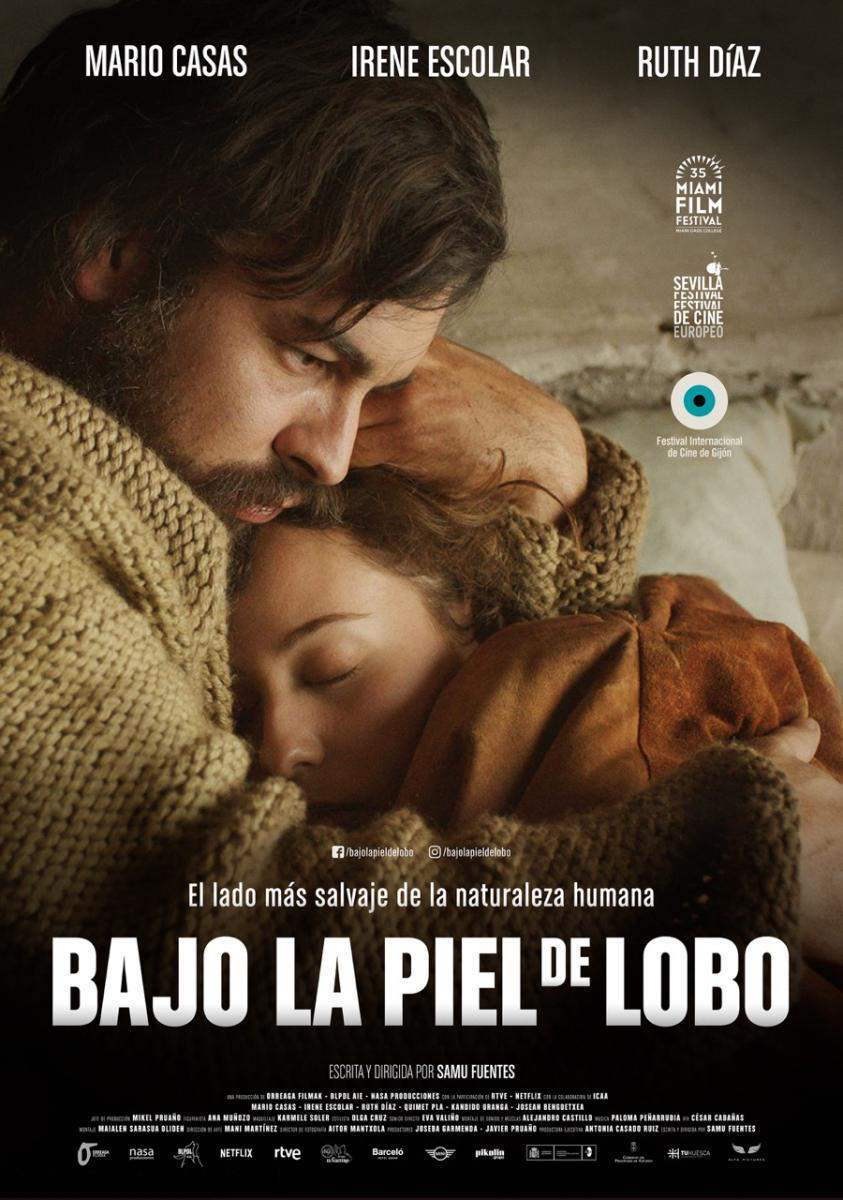
In the remote Spanish countryside, a solitary wolf-trapper seeks human connection to alleviate his loneliness. Driven by a desire for companionship, he searches for someone to share his isolated life. As he pursues this connection, he grapples with the balance between the freedom of his existence and the comforts of a shared home, exploring the conflicting desires for solitude and belonging.
Find where to stream, rent, or buy The Skin of the Wolf (2018) in the US with current JustWatch availability, up-to-date pricing, and platform listings for subscription, rental, and digital purchase options.
Warning: spoilers below!
Haven’t seen The Skin of the Wolf yet? This summary contains major spoilers. Bookmark the page, watch the movie, and come back for the full breakdown. If you're ready, scroll on and relive the story!
Read the complete plot breakdown of The Skin of the Wolf (2018), including all key story events, major twists, and the ending explained in detail. Discover what really happened, and what it all means.
Martinón is a lonely huntsman, residing on a desolate mountain high above the remains of an old town. His home is surrounded by rugged terrain and thick forests, abundant with wildlife, which he harvests for both sustenance and trade. Each day, he diligently maintains his property, sets traps for animals, looks after his goats, and hunts wolves to sell their pelts. His imposing figure—tall, muscular, with wild hair and a bushy beard—tends to frighten those who cross his path.
During one of his trips to the nearby village, Martinón seeks to collect payment for the wolf pelts from the local mayor. The mayor tries to negotiate a lower price, creating tension in their interaction. Amid the negotiations, Severino, the owner of the local tavern, proposes that Martinón consider marriage to secure a legacy for his home. Although the idea lingers in Martinón's mind, he is quick to dismiss it, insisting that his rugged mountain existence is no fit place for a family. However, after a brief encounter with Pascuala, a local woman, Martinón engages in a relationship with her, ultimately striking a deal with her father, Ubaldo, and taking Pascuala as his wife.
As time goes on, Pascuala seems to adapt to mountain life, but she soon begins to show symptoms of a worsening illness, marked by persistent coughing. In a twist of fate, Pascuala reveals she is expecting a child, yet Martinón displays little reaction toward her pregnancy. Despite his stoic exterior, he crafts a cradle, perhaps in silent anticipation. Tragically, as Pascuala's health declines during a harrowing pregnancy, she succumbs to complications while giving birth to a stillborn son, leaving Martinón in deep despair.
Overcome with grief, Martinón shatters the cradle he built for their child, and in a blind rage, he demolishes the gravestones of those buried in the nearby graveyard, directing his anguish toward Ubaldo whom he holds responsible for Pascuala’s fate. Ubaldo admits to having concealed his daughter's illness and pregnancy to protect her reputation, leaving Martinón to confront him about his recklessness. The two exchange heated words, and in the end, Martinón gives Ubaldo until spring to repay the money he paid for Pascuala.
In a surprising turn, when Martinón returns to claim his money, rifle in hand, Ubaldo offers him his youngest daughter, Adela, as a bride. Reluctantly, Martinón accepts, and they marry the following day. Despite Ubaldo's pleas for Adela to adapt and not flee, she embarks on a strenuous journey back to Martinón’s isolated home. The transition proves unbearable for her, as Martinón reveals his brutal nature, treating Adela more like property than a partner.
While Martinón departs for trading for several days, Adela is left to explore the ghostly remnants of the abandoned town and stumbles upon two open graves. When she inquires about them, Martinón dismisses her curiosity with an unsettling remark—> “they're not graves, just holes.” This comment deepens her sense of entrapment and points to a bleak reality. Adela learns of the dark past involving the previous occupants and wears the weight of Martinón’s cruelty.
Days pass, and an unexpected revelation strikes Adela: she discovers she’s pregnant, leading to complicated emotions as Martinón maintains his unemotional demeanor. As time progresses, she grows intolerant of her harsh reality and plots to take matters into her own hands. Using the herbs given to her by her father, she poisons Martinón’s food, hoping to find her freedom. However, her escape is thwarted when she steps on one of Martinón’s traps, forcing him to find and care for her once again, only to witness her loss of the child through miscarriage.
After nursing her back to health, Martinón offers her the chance to return to her family. When she vacillates between joy and sorrow upon leaving, he reflects quietly, standing as a lonely figure against the cold expanse of the mountains. Left alone in his home, he later uncovers the poisonous herbs hidden by Adela and is filled with a profound sorrow, crying out in isolation. The film concludes with him alone in his darkened house, rifle at his side, the door ajar, inviting the chill of the snowy evening into his desolate life.
Last updated: November 15, 2024 at 20:20
Explore frequently asked questions about The Skin of the Wolf (2018) with spoiler-rich answers covering the full plot summary, major story beats, character motivations, hidden details, and ending meaning. This movie summary FAQ helps explain confusing scenes, plot twists, and narrative decisions in clear, searchable detail.
Martinón decides to marry Pascuala after a brief encounter with her in the village. Although he initially dismisses Severino's suggestion that he marry to secure a legacy, his loneliness drives him to pursue a relationship with Pascuala. He strikes a deal with her father Ubaldo and takes her as his wife, seeking human connection despite his earlier claims that the mountain is no place for a family.
Earlier in the film, Severino explicitly proposes that Martinón consider marriage as a way to secure a legacy for his home, planting the idea in his mind.
Martinón displays stoic indifference when Pascuala reveals her pregnancy, betraying little emotion despite the significant news. However, this apparent coldness is complicated by his silent act of crafting a cradle for the expected child, suggesting his emotional response exists but manifests in action rather than expression. His inability to process complex emotions stems from years of isolated existence.
Martinón destroys the gravestones in the nearby graveyard as an expression of overwhelming grief and rage following Pascuala's death during childbirth. His sorrow transforms into anger directed at Ubaldo, whom he holds responsible for not protecting his daughter. The destruction represents his inability to process loss in a healthy way, channeling his despair into violent action against the symbols of death surrounding him.
Martinón's grief manifests first when he smashes the cradle he built for his child, showing his pattern of destroying objects tied to his loss.
When Martinón returns to collect the money he paid for Pascuala, Ubaldo is unable to repay the debt. In exchange, he offers Martinón his youngest daughter Adela as a bride. This transaction reflects the transactional nature of the relationship between them and Ubaldo's desperate attempt to settle his obligation. Martinón accepts the offer despite his reluctance, and they marry the following day.
The two open graves Adela discovers while exploring the abandoned town represent the final resting places of previous occupants, likely victims of Martinón's brutal nature or the harsh mountain environment. When Adela questions Martinón about them, he dismissively replies they are "not graves, just holes," an unsettling response that deepens her sense of foreboding and entrapment. The graves symbolize the dark history of violence and death that surrounds Martinón's isolated existence.
Adela attempts to poison Martinón after discovering she is pregnant, feeling trapped in her harsh reality with a man who treats her more like property than a partner. Using herbs given to her by her father Ubaldo, she poisons his food in a desperate attempt to reclaim her freedom. Her act represents the extreme measure a woman takes when confined and mistreated in her isolated mountain prison.
Earlier, Adela learns about the dark past involving previous occupants of the home, suggesting she understands the danger she faces.
After Adela attempts to poison Martinón and escape, she accidentally steps on one of his traps, suffering an injury. Martinón finds and cares for her, but she subsequently suffers a miscarriage, losing the child. This tragedy further deepens the cycle of loss and suffering that defines Martinón's relationships, as no attempt at connection or escape leads to a positive outcome.
After nursing Adela back to health following her accident and miscarriage, Martinón offers her the chance to return to her family. This decision stems from a moment of reflection on his isolated existence and perhaps recognition of the futility of forcing companionship. When Martinón later discovers the poisonous herbs Adela hid, he is filled with profound sorrow, suggesting his letting her go was both an act of mercy and a response to being betrayed yet again.
The film ends with Martinón alone in his darkened house, rifle at his side, the door ajar, letting the cold snowy evening into his desolate home. This final image represents the ultimate consequence of his inability to form genuine human connection. Despite two marriages and multiple attempts at companionship, Martinón remains trapped in his isolation. The open door invites both the chill of the mountains and perhaps the inevitable danger that awaits him, reinforcing the film's bleak portrayal of a man destroyed by his own solitude.
The film establishes from the beginning that Martinón's imposing figure frightens those who cross his path, setting up his ultimate isolation.
Martinón treats his wives with brutal practicality rather than affection, viewing them more as property than partners. This behavior stems from his years of isolated existence in the harsh mountain environment, which has stripped him of the ability to form genuine emotional connections. His treatment of Adela, leaving her alone for days, dismissing her curiosity about the graves, and treating her as an object, demonstrates his emotional fragmentation. His world is one of survival and transaction, not intimacy.
The film establishes early that Martinón's rugged appearance tends to frighten those who cross his path, suggesting he has always been ill-equipped for human relationships.
Discover curated groups of movies connected by mood, themes, and story style. Browse collections built around emotion, atmosphere, and narrative focus to easily find films that match what you feel like watching right now.
Stories of profound loneliness and hardship in unforgiving, isolated landscapes.Explore movies like The Skin of the Wolf that depict the harshness of rural life. These films share a bleak tone and heavy emotional weight, focusing on characters facing loneliness, grief, and survival in unforgiving, isolated settings. If you appreciated the desolate atmosphere and tragic narrative, you will find similar viewing experiences here.
These narratives typically follow characters living in extreme isolation whose attempts to forge human bonds or improve their circumstances lead to further tragedy. The stories unfold linearly, emphasizing the grim passage of time and the inescapable nature of their hardship, often culminating in an ending that reinforces the initial despair.
These films are grouped together due to their shared focus on oppressive rural settings, a consistently bleak and somber mood, and heavy emotional themes of loneliness and futility. The pacing is often slow, allowing the weight of the environment and the characters' emotional states to dominate the viewing experience.
Character-driven stories where hope is systematically extinguished by tragic events.Find films similar to The Skin of the Wolf that follow a character's tragic journey into despair. These movies feature a slow pacing and high emotional intensity, charting a linear path of loss and isolation. If you were moved by the relentless tragedy and bleak conclusion, this collection offers more stories with that powerful, sorrowful vibe.
The narrative pattern is a linear, downward spiral where initial loneliness or desire leads to actions that precipitate greater loss. Key relationships are often transactional or toxic, and pivotal events like death or betrayal shatter any fleeting hope. The journey is defined by its futility, ending in a state of deeper isolation than where it began.
These movies share a specific emotional trajectory: a slow-burn pacing that makes the despair feel inevitable, a high intensity of emotional trauma, and a bleak tone that offers no catharsis. They are united by their focus on the destructive nature of longing and the psychological impact of repeated tragedy.
Don't stop at just watching - explore The Skin of the Wolf in full detail. From the complete plot summary and scene-by-scene timeline to character breakdowns, thematic analysis, and a deep dive into the ending - every page helps you truly understand what The Skin of the Wolf is all about. Plus, discover what's next after the movie.
Track the full timeline of The Skin of the Wolf with every major event arranged chronologically. Perfect for decoding non-linear storytelling, flashbacks, or parallel narratives with a clear scene-by-scene breakdown.
Discover the characters, locations, and core themes that shape The Skin of the Wolf. Get insights into symbolic elements, setting significance, and deeper narrative meaning - ideal for thematic analysis and movie breakdowns.
Discover movies like The Skin of the Wolf that share similar genres, themes, and storytelling elements. Whether you’re drawn to the atmosphere, character arcs, or plot structure, these curated recommendations will help you explore more films you’ll love.
The Skin of the Wolf (2018) Scene-by-Scene Movie Timeline
The Skin of the Wolf (2018) Movie Characters, Themes & Settings
The Skin of the Wolf (2018) Spoiler-Free Summary & Key Flow
Movies Like The Skin of the Wolf – Similar Titles You’ll Enjoy
The Cold Lands (2014) Full Summary & Key Details
Siberia (2021) Ending Explained & Film Insights
White Fang (1991) Movie Recap & Themes
Wolves (2017) Story Summary & Characters
Neither Wolf Nor Dog (2017) Ending Explained & Film Insights
The Dove and the Wolf (2019) Full Movie Breakdown
Kingslayer (2019) Story Summary & Characters
La guarida del lobo (2019) Detailed Story Recap
Wolf Summer (2003) Full Summary & Key Details
Never Cry Wolf (1983) Full Movie Breakdown
Time of the Wolf (1988) Complete Plot Breakdown
The Maiden and the Wolves (2008) Complete Plot Breakdown
Skin, Skin (1966) Full Movie Breakdown
The Wolves Always Come at Night (2024) Plot Summary & Ending Explained
A Wolf Teeth Necklace (1997) Complete Plot Breakdown