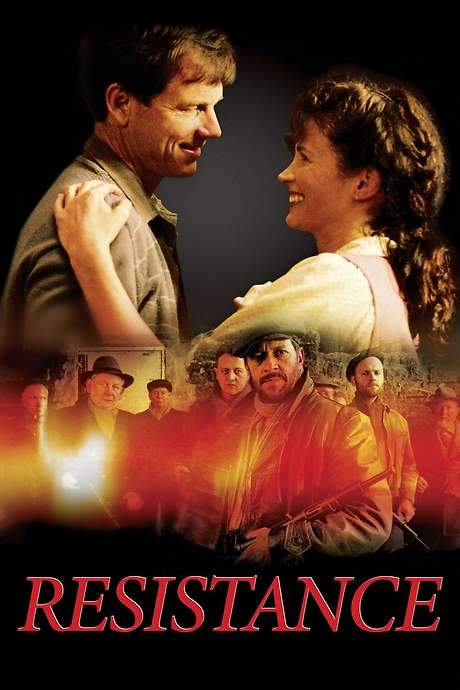
In May 1940, as German forces sweep across France and Belgium, the remains of the Belgian Air Force are bottled up near the Flemish coast and billeted at a farm in the Flemish countryside. The story begins around the quiet hardship of war, with the commander ordering surrender and directing that the regimental colours be honourably buried rather than handed over to the invaders. A small band of pilots with serviceable aircraft manage to fly to England to join the Allied air forces, while those who cannot are forced to surrender. The tension between duty, sacrifice, and survival threads through these early days on the farm of Farmer and his wife, Frau, painting a stark picture of what it means to endure under occupation.
Six months later, after the muffled thunder of the Battle of Britain, Jean Duclos — now a squadron leader — is persuaded by a fellow officer to return with him to retrieve the buried colours. The mission takes a grim turn when that fellow officer is killed before they can depart, prompting Duclos to push forward with resolve. He persuades the authorities to parachute him back into Belgium, undertaking a perilous journey that will test nerve, stealth, and endurance.
Back in Belgian hands, Duclos contacts his former commanding officer, Maj. Lessart, who now lives as a civilian in Ghent and secretly operates a resistance group feeding intelligence to the Allies. With a false identity and a carefully woven cover story, Duclos returns to the farm where the late colleague's wife and child still reside. The woman who guards the family’s secrets is Tresha, and she harbors a quiet reluctance to reveal where the colours lie, convinced that they are not worth fighting and possibly dying for. Yet she gradually relents, and the colours are recovered.
Duclos must then undertake a long trek through hundreds of miles of dangerous, heavily guarded territory to reach neutral Spain, from which he makes the return journey to England. The climax unfolds with a dignified ceremony: the recovered colours are paraded and formally re-presented to the Belgian Air Force, signaling a small, poignant triumph in the broader tragedy of war.
Throughout the mission, the film maintains a clear, restrained tone that emphasizes courage, secrecy, and the personal sacrifices behind the larger war effort. The human cost is highlighted not just in the danger of the mission, but in the quiet endurance of those who wait at home—the farmer, his wife, and the family at the heart of a country under occupation — as the story circles back to a moment of public remembrance and collective resolve.