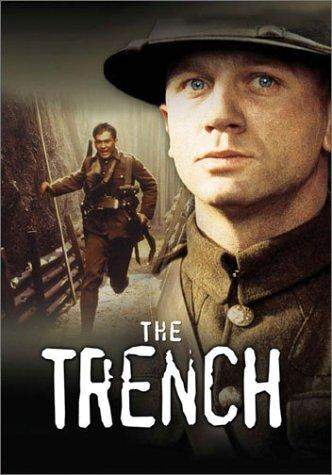
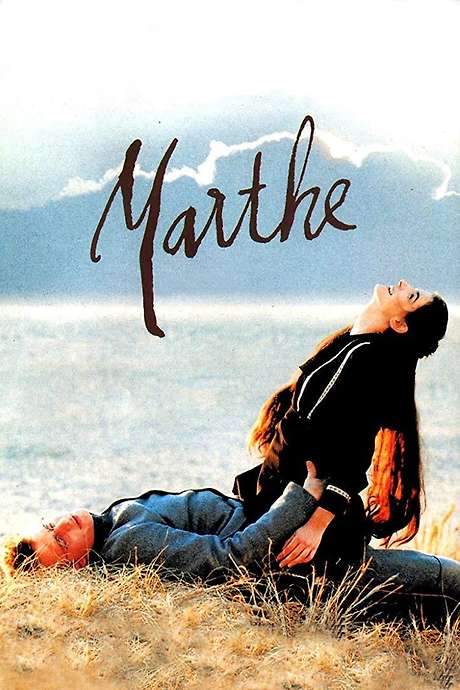
On a dilapidated farm, the taciturn André carries a life of hard work and quiet isolation, his days circumscribed by routine and the occasional, fleeting moments of companionship with Barbe, a neighbor’s young daughter. Their relationship is marked by a practical, almost hurried intimacy in a nearby copse, reflecting André’s guarded nature and Barbe’s restless longing. Barbe’s growing resentment about the emotional distance between them surfaces, especially after she meets Blondel in a bar and brings him into a noisy, impulsive encounter outside in a car. The two men are soon called to serve in a conflict overseas, and Barbe’s surprise news of pregnancy hangs over their departure, a weight that will cast a longer shadow than either expects.
In the mountains that stretch around the mission of service, André and Blondel join a long patrol that pushes through barren terrain and exposed routes where fear and danger mix with exhaustion. The soldiers encounter threats that go beyond combat—shooting, the presence of children in the line of fire, and a brutal, harrowing encounter with a woman who is assaulted. Their unit is soon overrun by insurgents, and the violence escalates quickly: an act of emasculation, followed by executions that thin the line between hunter and hunted. As helicopters appear on the horizon, the two survivors seize the chance to flee, but the escape is chaotic and costly. Blondel sustains a leg injury, and André presses on alone, driven by a need to find safety and an internal resolve he struggles to name.
Back home, Barbe undergoes an abortion and sinks into a period of depression, ultimately being confined to a psychiatric hospital as the full weight of the war’s toll settles in. When André finally returns to the farm, she is released, and they meet again in the place where they first found each other. Their next encounters carry an eerie, restrained sexuality, a deliberate distance that mirrors the emotional gap between them. Barbe seeks to pry open the parts of André that remain locked away, inviting a friend to help coax out the truth of what he has endured. Through these conversations, André begins to acknowledge the horror of both what he saw and what he participated in, and he allows himself to cry for the dead on all sides.
In time, a breakthrough occurs. After a sincere exchange, André admits that he loves Barbe, and she responds with a compassionate, affirming presence. The film resolves not with a simple reprise of a shared happiness, but with a renewed sense of humanity—the recognition that love, however fragile, can emerge from the deepest wounds if vulnerability and honesty are allowed to take root. The story lingers on the ethical and emotional aftermath of war and trauma, emphasizing the complexity of memory, guilt, and the possibility of connection after devastating experience.