Plot Explained Spoilers guaranteed!
Plot Explained

Browse by genre

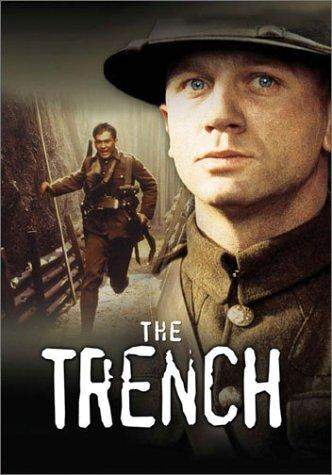
The Trench (2000) movie poster

Plot Summary

The Trench (2000) Plot Summary Explained

Release, runtime and language
2000 · 98 min · Canadian french
JustWatch #23,913 5
Directed by
William Boyd

During the summer of 1916, a British platoon finds itself stationed in a vulnerable forward trench in the Somme region of France, bracing for a major offensive. The soldiers endure a tense wait, filled with anxiety and uncertainty, as they anticipate the order to advance over the top and into the enemy lines. The impending attack looms large, casting a shadow over their already precarious situation.

On this page (6)
  1. 1 Where to watch
  2. 2 What happens: full plot
  3. 3 Plot questions answered
  4. 4 Movie threads
  5. 5 Movies like The Trench
  6. 6 Every angle

Where to watch

Where to Watch The Trench (2000)

Where can you watch The Trench? Stream, rent or buy it in the US, including on Amazon Prime Video, Hoopla and Kanopy: current JustWatch availability with up-to-date prices.

Streaming availability powered by JustWatch

Full plot summary · contains spoilers

What Happens in The Trench: Full Plot Summary

The whole story of The Trench (2000) explained, from the opening scene to the final frame: every key event, every twist and what it all adds up to. Read it as a quick recap before the sequel, to check a scene you missed, or to finally understand what really happened.

In the days leading up to the Battle of the Somme, a tense calm settles over a trench platoon as they brace for a fresh push into no man’s land. Lance Corporal Dell introduces a provocative distraction, revealing his collection of softcore pornography to the men, a small, unsettling breach of discipline that caps the undercurrent of fear and fatigue running through the unit. Private Billy MacFarlane, speaking to his brother Eddie, notes that one of the girls looks familiar, hinting at memories that might offer a fragile escape from the grim reality visible through the mud and steel around them.

The mood is punctured when Eddie’s curiosity about the photos collides with the danger outside the trench. After a quiet moment of peering through a hole in the trench wall, Eddie witnesses a scene of relative peace and beauty before a shot rips through him, hitting his jaw and neck. The platoon is left to process the sudden, brutal interruption as Eddie is carried away on a stretcher, a stark reminder of how quickly safety dissolves into peril. Billy watches, unsettled, as the world narrows to the sound of shells and the ache of loss, while Deamis attempts to console him, only to be rebuffed.

A mounted visit from a Colonel and the Public Affairs division attempts to manufacture motivation, staging a palliative scene that promises the coming battle will be easy because the enemy has been bombarded. The moment is awkward and hollow, and even as the Colonel exits with a perfunctory wish of luck, Private Daventry openly challenges the atmosphere with a quiet, piercing note of skepticism about bravado in times of war. The platoon’s fragility is underscored when a couple of privates are sent on errands, and Billy stumbles across the fragmented remains of comrades they had lost along the way, a painful reminder that the front line consumes the living and the already broken in unequal measures.

During a crowded meal, Harte informs Winter that a night patrol will bomb the German trench and assess defenses. Winter selects Private Beckwith for the dangerous mission, and the two succeed in their assault, capturing a German soldier fleeing through the smoke-filled air. Beckwith notes that the Germans seemed to sing in their trench, a small, haunting contrast to the fear around them. Dell’s provocation of the German prisoner is met with a brief, hushed moment of perspective from Daventry, who translates a few words in German and points out that the Germans are not the monolithic force the Colonel would have them believe; there is still life and morale on the other side, even as the war rages.

As dawn approaches on the day of the attack, Harte informs Winter that another platoon has become lost in the night, and the unit will go over in the first wave. In a moment of quiet desperation, Winter sends Dell to fetch the platoon’s rum ration, only to see a wounded man carried past, a sight that knocks the bottle from Dell’s hands and sends him into a shaken stupor. He finally drinks, only to have a shell explode nearby, breaking the moment and the bottle. Winter asks Harte to give the men his own whisky, but Harte declines—then relents at the last possible instant, serving everyone a share as they line up for the approach. Billy, still uneasy about facing the top, confides his fear to Winter, who offers a grounded, almost paternal reassurance: the kind of confidence that might be enough to see a man through.

The company advances, and Winter is struck in the leg almost immediately, yet he fights to cover MacFarlane’s retreat from the trench. The two share a brittle moment of teamwork as Winter staggers, trying to protect his fellow soldier while drawing fire. Winter is hit again and again, collapsing onto MacFarlane as the men rise from the trench and press forward into the open field between the trenches. The advance becomes a brutal procession: one by one, the soldiers fall to the relentless bombardment and machine-fire that dominates the horizon. The story tightens to a painful close as MacFarlane strains to pull himself free from the weight of Winter’s body and continues to move forward, only to be struck down just as the trench lines finally give way to the advance. In the end, the assault dissolves into a sea of fallen figures, with MacFarlane himself meeting the same grim fate as the others around him, a stark, unflinching image of the war’s inexorable human cost.
Last updated: October 09, 2025 at 15:43

Was this helpful?

Plot questions answered

The Trench Plot Explained: Your Questions Answered

The questions people ask most about The Trench (2000): what happens in the confusing scenes, why the characters do what they do, the twists, hidden details and what the ending means. Each answer contains spoilers.

Q1

Why is Eddie shot while looking through the hole in the trench wall?

Eddie is shot because he peers through a gap in the trench wall to get a better view of no man's land. While observing, he sees a moment of relative peace outside the trench, but his head is exposed and a German sniper spots him. The bullet strikes his jaw and neck, killing him almost instantly. This moment underscores how even a brief lapse in caution proves fatal in trench warfare.

Foreshadowing: Earlier, Winter had already warned Eddie about peering through the hole, establishing that this行为 is dangerous.

  • eddie
  • shot
  • sniper
  • trench
  • death
Q2

Why does Lance Corporal Dell show the men his collection of pornography before the attack?

Dell uses the pornography as a desperate attempt to distract the platoon from their mounting fear ahead of the assault. It represents the men's need for any temporary escape from the grim reality of waiting to go over the top. The act also reveals the psychological toll of prolonged trench life, where soldiers grasp at any form of normalcy or distraction, however inappropriate.

  • dell
  • pornography
  • distraction
  • fear
  • psychology
Q3

Why does the Colonel's motivational speech feel so awkward and hollow?

The Colonel's speech is staged by the Public Affairs division as propaganda material, not to genuinely inspire the soldiers. He claims the upcoming battle will be easy because the Germans have been bombarded, which the men know is false. The artificial nature of the scene highlights the disconnect between leadership's optimistic messaging and the soldiers' lived reality of impending death.

  • colonel
  • speech
  • propaganda
  • motivation
  • hollow
Q4

Why does Winter insist on giving the men whisky before the assault?

Winter asks Harte to share his personal whisky as a final act of camaraderie before the attack. When Harte initially refuses, Winter accepts the refusal gracefully, but Harte relents at the last moment and serves everyone. This moment represents the men finding brief solidarity and courage through small comforts before facing almost certain death.

  • winter
  • whisky
  • rum
  • camaraderie
  • final-moment
Q5

Why does Winter get wounded while helping MacFarlane go over the top?

Winter is shot in the leg almost immediately as the men climb out of the trench, but he hides his injury to help MacFarlane retreat from the trench safely. He deliberately positions himself to draw enemy fire away from MacFarlane, continuing to advance despite being hit multiple more times. He ultimately collapses onto MacFarlane, pinning him momentarily before dying. This act demonstrates Winter's sacrifice for a fellow soldier despite knowing he's already wounded.

Foreshadowing: Earlier, Winter reassures MacFarlane that he looks like someone who will make it, showing his protective attitude.

  • winter
  • wounded
  • macfarlane
  • sacrifice
  • shot
Q6

What is the significance of Beckwith noting that the Germans were singing in their trench?

During the night patrol, Beckwith observes that the Germans appear to be singing, which contrasts sharply with the image of faceless enemies the British have been fed. This moment humanizes the German soldiers, showing they have morale and humanity similar to the British troops. Daventry reinforces this by translating German words and pointing out that the enemy is not the monolithic force the officers portray.

  • germans
  • singing
  • morale
  • humanity
  • beckwith
  • daventry
Q7

Why do all the soldiers die during the final assault?

The assault ends with nearly every soldier from the platoon being killed as they advance across no man's land. The film depicts the brutal reality of trench warfare during the Battle of the Somme, where infantry waves faced devastating machine gun fire and artillery bombardment. MacFarlane manages to briefly break free from Winter's body but is soon struck down himself. The outcome reflects the film's bleak portrayal of futile sacrifice and the overwhelming human cost of WWI offensives.

Foreshadowing: The missing platoon that forces this unit into the first wave already signals their doomed fate.

  • death
  • soldiers
  • assault
  • somme
  • casualties
  • futile
Q8

Why does the missing platoon change the platoon's role in the attack?

When another platoon becomes lost during the night before the assault, the command decides this Platoon will go over in the first wave instead of the previously planned third wave. This significantly increases their chances of being killed, as first-wave troops typically suffer the heaviest casualties. The shift underscores how luck and circumstance determine survival in trench warfare.

  • missing-platoon
  • first-wave
  • attack
  • death-sentence
Q9

Why does Billy think one of the girls in the photos looks familiar?

Billy notices one of the women in Dell's pornography collection resembles someone from his past. He speculates to Eddie that it might be Maria who worked at the Post Office. This moment provides a brief psychological escape, allowing Billy to momentarily retreat into memory and nostalgia rather than face the grim present. It also reveals how the soldiers cling to fragments of their civilian lives.

  • billy
  • maria
  • photo
  • memory
  • recognition
Q10

Why is Billy traumatized by discovering the fragmented remains of his comrades?

Billy stumbles upon the mangled bodies of soldiers from earlier battles, a visceral reminder of what awaits the platoon in the upcoming assault. The graphic sight shakes him deeply, and he returns to report to Winter and Harte visibly disturbed. This moment reinforces the constant psychological violence of trench life and foreshadows the fate that awaits most of the men.

  • billy
  • remains
  • trauma
  • death
  • horror

Movie threads

More Movies Like The Trench, by Mood & Story

Curated lists built around what makes The Trench tick: the same mood, the same kind of story or the same emotional payoff. Each list explains why these movies belong together.

Movies about dreadful anticipation like The Trench

Stories where the tense, prolonged wait for an inevitable catastrophe creates unbearable pressure. If you liked the tense, drawn-out wait for battle in The Trench, explore other movies like it that focus on the psychological agony of anticipation. These similar war dramas and thrillers feature characters bracing for an inevitable, catastrophic event, creating a powerful sense of claustrophobic dread.

  • anxious
  • claustrophobic
  • fatalistic
  • oppressive
  • psychological tension
  • unbearable pressure
  • Tone: tense, bleak, fatalistic
  • Pacing: steady, slow burn
Why these movies?

The story pattern: The narrative pattern involves a group or individual trapped in a confined space or situation, aware of a looming threat. The story unfolds not through action, but through the psychological unraveling and interpersonal tensions that escalate as the characters count down to their fate.

Why they belong together: These movies are grouped together because they share a core focus on the emotional and psychological experience of waiting under extreme duress. The shared mood is one of claustrophobic anxiety, fatalism, and a steadily building tension that prioritizes internal conflict over external action.

Bleak war stories of futile sacrifice like The Trench

Grim stories where characters face inevitable doom with little hope of meaningful victory. Discover more movies like The Trench that offer a grim and unflinching look at the futility of war and sacrifice. These similar dramas and historical films share a bleak tone, heavy emotional weight, and a focus on the psychological toll of facing inevitable doom without achieving victory.

  • bleak
  • grim
  • fatalistic
  • somber
  • melancholic
  • heavy
  • Tone: bleak, grim, melancholic
  • Pacing: steady
Why these movies?

The story pattern: Stories in this thread typically follow a linear path toward a tragic and foregone conclusion. Character arcs involve the loss of innocence and the crushing realization that their efforts are meaningless within a larger, uncaring system. The ending provides no catharsis, only the somber acknowledgment of waste.

Why they belong together: These films are united by a profoundly bleak tone, a heavy emotional weight centered on themes of futility, and a straightforward narrative that leads to a devastating conclusion. They prioritize creating a sustained atmosphere of despair and psychological trauma over hope or redemption.

If you liked this

Movies Like The Trench

Similar movies to The Trench: the same genre, themes or kind of story. Each one comes with its own plot summary, timeline and ending explained.

Browse all movie summaries

Every angle

The Trench (2000) Explained: Plot, Timeline & Characters

Everything about The Trench in one place: what happens in the plot summary, the timeline in chronological order, the characters and meaning and a spoiler-free summary. What's After the Movie adds the cast, box office and post-credit scenes.

Coming soon on iOS and Android

The Plot Explained Movie Summary App

Plot summaries, endings explained and timelines on your phone. Catch up on any movie in minutes, save your favorites and never miss a twist again.

Be the first to know when we launch. Your email stays private, always.

Learn more about the app