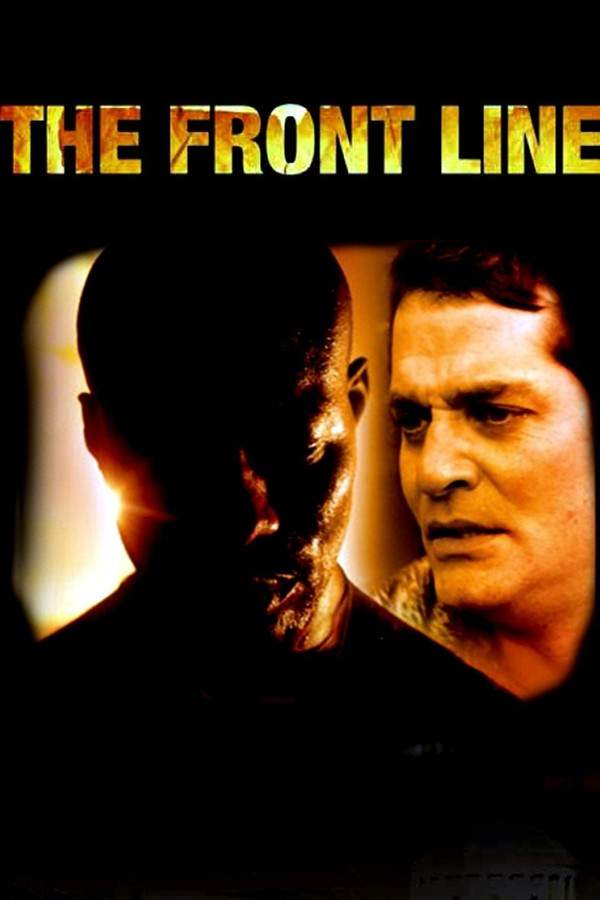
Set on the eve of the 1988 Soviet withdrawal from Afghanistan, the film travels through a tense, intimate world where soldiers drift between duty, danger, and the changing tides of Perestroika. At the center is Lieutenant Nikita Steklov, the son of a high-ranking general, who is posted to Afghanistan with a burning wish to see real combat and earn medals before the war ends. His presence shades the base with a mix of ambition and impulsiveness, a contrast to the seasoned soldiers around him.
Sgt. Aleksey Serebryakov embodies a stark, often brutal blend of experience and disciplinarian ruthlessness. He commands respect through battlefield grit, even as his harsher methods haunt the young conscripts who look to him for guidance. Across the base, Major Bandura, [Michele Placido], the outfitted commander of the paratrooper regiment, finds his own sense of purpose flickering as his tour nears its end. He longs to return home to his wife, a life that feels almost forgotten, yet he also maintains a tense, clandestine connection with Katya, [Tatyana Dogileva], a nurse at the base hospital who has become a fluttering focal point of affection and tension. Bandura’s superior, Leonid, [Mikhail Zhigalov], the regiment’s commander and a man entangled in his own complicated feelings for Katya, watches the situation with a wary, calculating gaze. As Perestroika’s political winds begin to touch even the remotest outposts, anxiety about the future grips many, and Bandura worries about his ability to adapt to a changing world.
Katya’s quiet conviction cuts through the fear: Afghanistan will be remembered as the best part of their lives. The soldiers strike a precarious bargain with a local Afghan warlord, who agrees not to attack the withdrawing troops in exchange for weapons and supplies. The warlord insists his own conflict will outlast any withdrawal, signaling a broader, unending cycle of violence beyond their departure.
On the way back to base, the convoy delivering the supplies is ambushed by another Mujahideen faction. The paratroopers take cover and fight back, suffering only a few casualties, but the road is blocked by a damaged fuel tanker. [Bandura] steps forward, driving a tank to shove the tanker away, while the younger [Nikita Steklov] charges ahead to rally the counterattack and suffers a grave wound that later leads to amputation. The injury becomes a turning point that compounds Bandura’s mounting burdens and tests his resolve.
Bandura chooses to stay with his men for a retaliatory mission aimed at a Mujahideen leader believed to be wounded and taken to the neutral warlord’s village. As plans are laid, he makes a quiet farewell to Katya, who is set to depart the country the next day. A hospital resident, animated by a drug-fueled bravado, insults Bandura, yet he does not assert his usual disciplinary vigor; instead, he asks to be relieved and fabricates a sore foot to bow out. But once the unit is mobilized, he returns to command with a stubborn sense of duty.
The mission spirals when the neutral warlord is accidentally killed, and his men—together with the Mujahideen—turn hostile and surge against the paratroopers. Bandura shepherds the unit out, managing to extract most of them, but the village becomes a killing field and is hammered by a merciless Mi-24 airstrike. After the strike, Bandura sinks into a hollow indifference, and, without any clear motive, reenters the shattered village. He finds only a single survivor—a 10-year-old boy clinging to an AK-47. With a heavy, almost defeated hesitation, Bandura turns away, and the boy shoots him in the back.
The film closes on a stark, haunting image: dozens of Soviet helicopters lifting off from the devastated village, leaving behind the ruin and the memories of a mission that changed everything for those who survived it.