Plot Explained Spoilers guaranteed!
Plot Explained

Browse by genre

Wooden Crosses (1932) movie poster

Plot Summary

Wooden Crosses (1932) Plot Summary Explained

Release, runtime and language
1932 · 110 mins · French
Directed by
Raymond Bernard
Starring
Charles Vanel, Antonin Artaud, Gabriel Gabrio, René Bergeron, Pierre Labry, Jean-François Martial

Patriotic student Demachy enlists in the French army in 1914, eager to defend his nation. Soon, he and his fellow soldiers endure the brutal, unending trench warfare of Champagne, where relentless artillery rains down and countless wooden crosses must be raised to mark the fallen, turning them into cannon fodder.

On this page (5)
  1. 1 What happens: full plot
  2. 2 Plot questions answered
  3. 3 Movie threads
  4. 4 Movies like Wooden Crosses
  5. 5 Every angle

Full plot summary · contains spoilers

What Happens in Wooden Crosses: Full Plot Summary

The whole story of Wooden Crosses (1932) explained, from the opening scene to the final frame: every key event, every twist and what it all adds up to. Read it as a quick recap before the sequel, to check a scene you missed, or to finally understand what really happened.

Last updated: October 09, 2025 at 10:52

Was this helpful?

Plot questions answered

Wooden Crosses Plot Explained: Your Questions Answered

The questions people ask most about Wooden Crosses (1932): what happens in the confusing scenes, why the characters do what they do, the twists, hidden details and what the ending means. Each answer contains spoilers.

Q1

Why did Demachy enlist in the French army?

Demachy enlisted because he was a patriotic student eager to defend his nation when World War I began in 1914. His initial motivation was idealistic patriotism, though this enthusiasm would later be crushed by the grim reality of trench warfare.

Foreshadowing: The opening scene establishes Demachy's patriotic enthusiasm before the solemn funeral procession introduces the harsh reality that awaits him.

  • demachy
  • enlistment
  • patriotism
  • 1914
  • french army
Q2

Why was Vairon killed during the patrol?

Vairon was shot in the chest during a night patrol when Demachy and several others crawled toward a German position. After witnessing Germans gathered around a fire, the patrol was forced to retreat as artillery bursts erupted overhead. Vairon was fatally wounded during this retreat.

Foreshadowing: The earlier solemn procession with the body on a stretcher and wooden cross foreshadows the death that will soon strike the squad.

  • vairon
  • killed
  • patrol
  • night
  • german position
Q3

What was the mining beneath the dugout and why did it matter?

The Germans were tunneling beneath the French trench to plant explosives. When Demachy heard the mining sounds, he alerted Sergeant Berthier and Lieutenant Morache, who brought an engineering officer to assess the threat. The engineers confirmed the mine was real but advised the men to stay put rather than attempt to escape, leaving the squad trapped as the danger grew.

Foreshadowing: This early mining incident establishes the constant underground threat that hangs over the soldiers throughout the film.

  • mining
  • dugout
  • explosives
  • german
  • tunnel
Q4

Why did the explosives detonate after the relief arrived?

The squad was told relief was coming, but it was delayed for three days while the Germans continued mining beneath the trench. When the relief finally arrived, it came after 9:07 PM, and the explosives detonated as the 5th Squad was leaving the trench. The timing meant the explosion occurred just after they escaped being trapped inside, saving them from certain death.

Foreshadowing: The tension builds as the men wait for relief while the mining sounds continue beneath them.

  • explosion
  • 9:07 pm
  • relief
  • delayed
  • trench
Q5

Why did Demachy tear up Vairon's letter?

Demachy received a letter addressed to Vairon by mistake while back at the rear camp. After reading it, he placed it beside the flowers he found at Vairon's wooden cross, tearing the letter into pieces and scattering them among the flowers. This act symbolized his grief and the futility of even basic correspondence reaching the soldiers who had already died.

Foreshadowing: This moment demonstrates how the war has already begun dehumanizing the soldiers through constant loss.

  • vairon
  • letter
  • flowers
  • cross
  • demachy
Q6

Why did Demachy risk his life to rescue Breval?

When Breval volunteered to fetch water during a shelter in a cemetery, he was spotted by two Germans and shot in the chest. Despite Sulphart pleading for him not to go, Demachy left the safety of their hole to rescue Breval and brought him to a ruined mausoleum where the men gathered around him as he died. This act demonstrated the deep camaraderie among the soldiers despite the futility of the war.

Foreshadowing: Breval's death marks a turning point in the film's depiction of individual loss within the larger tragedy.

  • breval
  • rescued
  • cemetery
  • shot
  • demachy
Q7

Why was the soldiers' leave canceled?

After returning to the rear as reinforcements arrived and ambulances passed by, the squad was told that leave was canceled and they were ordered to assemble with their equipment to return to the front. This represents the endless cycle of the war - there is no rest, no respite, only the constant return to the fighting.

Foreshadowing: The cancellation of leave foreshadows the relentless, grinding nature of trench warfare that will consume the remaining soldiers.

  • leave
  • canceled
  • front
  • order
  • rear
Q8

What happened to Lemoine in the dugout?

At night, the squad reached a dugout near the front lines and heard an injured French soldier nearby. When Bouffioux declined the first watch, Lemoine volunteered to take his place. Artillery roared through the night, and when a search was conducted for Lemoine, he was found dead - another victim of the constant bombardment.

Foreshadowing: The death of yet another squad member underscores the inescapable nature of death in the trenches.

  • lemoine
  • died
  • dugout
  • watch
  • artillery
Q9

How did Demachy die in the end?

During the next-day offensive, artillery pummeled the French line. Sulphart lost part of his hand, Bouffioux was shot in the chest, and Demachy was wounded by artillery. A stretcher-bearer attempting to reach Demachy was killed, and that night Demachy died after failing to crawl back to the trench - a slow, painful death alone in no man's land.

Foreshadowing: The film comes full circle as Demachy, the idealistic patriot who entered the war with enthusiasm, dies alone just as Vairon did earlier.

  • demachy
  • wounded
  • artillery
  • died
  • trench
Q10

What do the wooden crosses symbolize in the film?

The wooden crosses represent the relentless death toll of trench warfare. The film opens with a solemn procession featuring a body on a stretcher and a large wooden cross, establishing this imagery as a constant theme. Countless soldiers fall, and wooden crosses must be raised to mark each grave, turning the soldiers into what the description calls 'cannon fodder.' The crosses are both literal markers and symbols of the war's futility.

Foreshadowing: The very title 'Wooden Crosses' references this central imagery of mass death and meaningless sacrifice.

  • wooden crosses
  • symbolism
  • death
  • cemetery
  • sacrifice
Q11

Who killed Captain Cruchet during the attack?

Captain Cruchet was killed early in the assault to retake the French village. As the squad went over the top with knives, helmets, and cigars, German artillery saturated their lines. They broke through the first line and pressed toward the third, but Cruchet was killed in the initial phase of the attack. Later in the ten-day battle, Hamel and Fouillard also died.

Foreshadowing: The death of the commanding officer early in the assault demonstrates the chaos and leadership losses inherent in trench warfare.

  • captain cruchet
  • killed
  • attack
  • village
  • artillery
Q12

Why did the soldiers continue fighting despite the hopeless situation?

The soldiers continued fighting because they had no choice - they were ordered to advance, to hold positions, to return to the front. The narrative shows that initial patriotism was crushed by the grim reality of being 'cannon fodder.' There was no strategic victory to pursue, only the endless cycle of attack, death, and replacement. The cancellation of leave and constant orders to return to the front illustrate the futility that consumed them.

Foreshadowing: This theme of futile sacrifice is established from the opening funeral procession and builds throughout the film.

  • fighting
  • hopeless
  • orders
  • trench
  • futility

Movie threads

More Movies Like Wooden Crosses, by Mood & Story

Curated lists built around what makes Wooden Crosses tick: the same mood, the same kind of story or the same emotional payoff. Each list explains why these movies belong together.

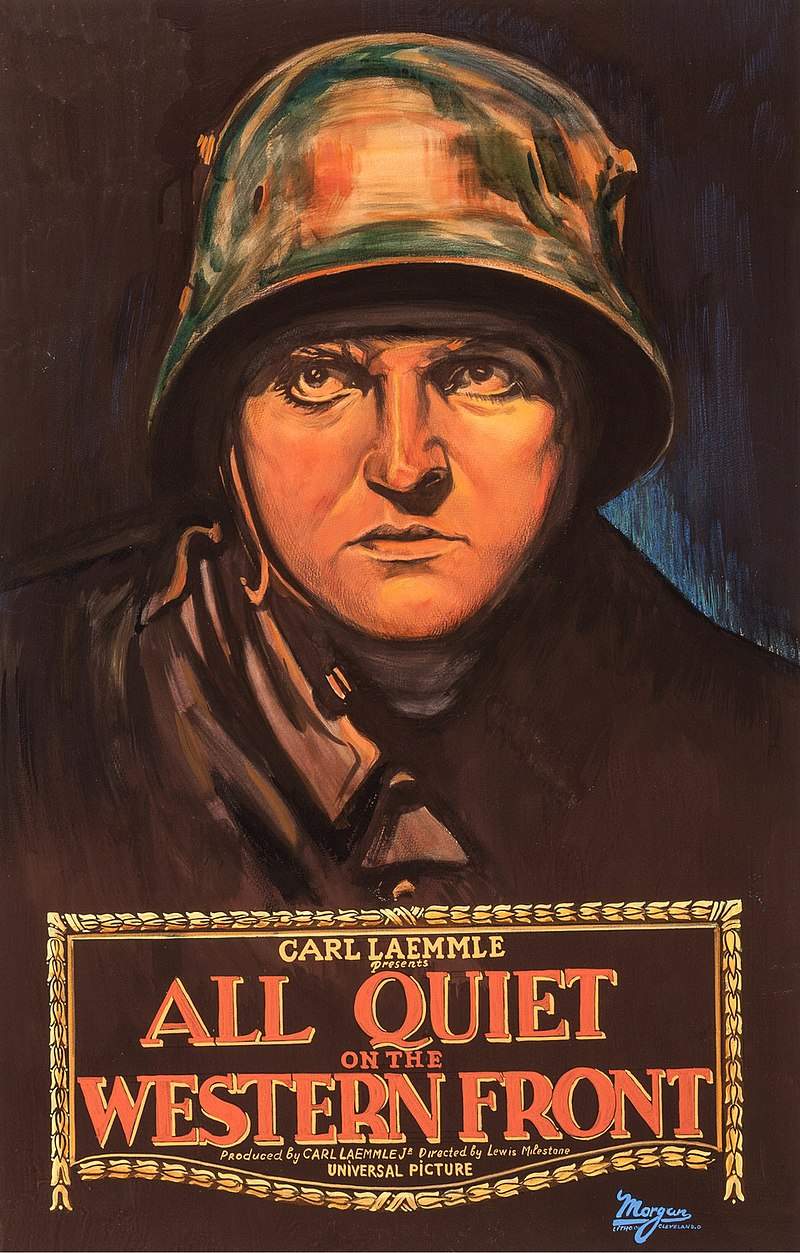
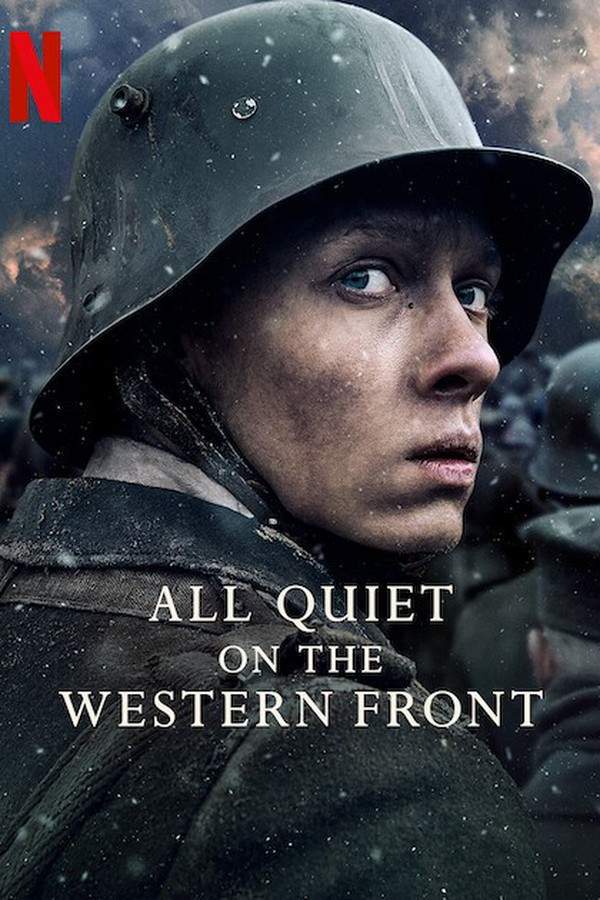
Trench warfare movies like Wooden Crosses

A relentless and brutal depiction of the soldier's life in the trenches. For viewers seeking more films like Wooden Crosses, this list features movies that capture the brutal, unrelenting experience of trench warfare. These stories focus on survival, camaraderie, and the sheer horror of life on the front lines, offering similar grim and immersive war experiences.

  • brutal
  • claustrophobic
  • harrowing
  • grim
  • oppressive
  • despairing
  • Tone: bleak, grim, oppressive
  • Pacing: steady, relentless
Why these movies?

The story pattern: Films in this thread typically follow soldiers from their initial enlistment through a harrowing journey into the meat grinder of trench combat. The narrative is often linear and focused on the daily struggle for survival, emphasizing the dehumanizing conditions and the loss of individual identity amidst mass conflict.

Why they belong together: These movies are grouped together by their shared, highly specific setting and the intense, visceral experience it creates. They are united by a commitment to historical realism in depicting the dirt, mud, fear, and futility that defined this particular form of industrialized warfare.
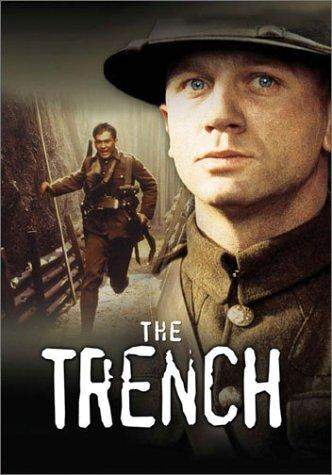
Movies about war disillusionment like Wooden Crosses

From patriotic fervor to the bitter ashes of shattered ideals. If you liked Wooden Crosses for its powerful story of shattered patriotism, this list showcases similar films about the loss of innocence and idealism in war. These movies explore the emotional journey from eager enlistment to grim reality, perfect for fans of heavy, character-driven war dramas.

  • somber
  • despairing
  • harrowing
  • grim
  • psychological
  • heavy
  • Tone: bleak, somber, despairing
  • Pacing: steady, character-driven
Why these movies?

The story pattern: The core narrative pattern is a character arc that begins with idealism, propaganda-fueled patriotism, or a sense of glory. Through direct exposure to the horrors of combat—death, trauma, and institutional indifference—this idealism is systematically dismantled, leading to a bleak, cynical, or traumatized perspective.

Why they belong together: These films are connected by their central thematic focus on the psychological destruction of wartime ideals. They share a heavy emotional weight and a consistently bleak tone, using the protagonist's internal journey as the primary vehicle to critique the nature of war itself.

If you liked this

Movies Like Wooden Crosses

Similar movies to Wooden Crosses: the same genre, themes or kind of story. Each one comes with its own plot summary, timeline and ending explained.

Browse all movie summaries

Every angle

Wooden Crosses (1932) Explained: Plot, Timeline & Characters

Everything about Wooden Crosses in one place: what happens in the plot summary, the timeline in chronological order, the characters and meaning. What's After the Movie adds the cast, box office and post-credit scenes.

Coming soon on iOS and Android

The Plot Explained Movie Summary App

Plot summaries, endings explained and timelines on your phone. Catch up on any movie in minutes, save your favorites and never miss a twist again.

Be the first to know when we launch. Your email stays private, always.

Learn more about the app