Year: 1990
Runtime: 90 mins
Language: English
Director: Andy Wolk
The victim, scarred by a knife attack, is pressed to name her attacker with certainty in court. The suspect, meanwhile, is urged to accept a plea bargain that could spare him a harsher sentence. The film probes whether he is truly guilty and questions whether the legal system itself becomes complicit in injustice.
Get a spoiler-free look at Criminal Justice (1990) with a clear plot overview that covers the setting, main characters, and story premise—without revealing key twists or the ending. Perfect for deciding if this film is your next watch.
In the tense corridors of an urban courtroom, a single identification becomes the fulcrum of a sprawling debate about truth, memory, and the machinery of law. The film immerses the viewer in a world where every statement is weighed against doubt, and the pursuit of justice feels as fragile as the testimony that fuels it. The atmosphere is stark and unflinching, casting the legal process in a light that is simultaneously procedural and deeply human, inviting the audience to question how certainty is forged amidst smoke‑filled rooms and whispered anxieties.
At the heart of the investigation is Jessie Williams, a seasoned detective whose instincts have been honed by years of navigating the city’s darkest alleyways. She approaches the case with a blend of professional rigor and personal conviction, aware that the stakes extend far beyond a single file. Her experience allows her to see the broader implications of a case that could hinge on the reliability of a lone witness, and she finds herself caught between the demand for results and the responsibility to protect the fragile integrity of the system she serves.
The central witness, Denise Moore, bears the weight of a traumatic encounter that propels her onto the stand. Her life, marked by vulnerability and marginalization, places her in a precarious position as she is urged to name her attacker with unwavering certainty. The pressure she feels reflects the broader societal expectations placed on victims to deliver definitive answers, even when the shadows of doubt linger. Her perspective adds a raw, human element to the procedural narrative, underscoring the personal toll exacted by the pursuit of legal closure.
Opposite her stands David Ringel, a public defender who is as steadfast in his belief that the system must test the strength of its evidence as he is compassionate toward his client. Alongside Judge Whitney, who presides with measured authority, the courtroom becomes a stage where competing ideals clash—punishment versus due process, certainty versus ambiguity. As the case unfolds, the film teeters on the edge of moral complexity, prompting viewers to wonder whether the legal apparatus serves justice or merely perpetuates its own form of compromise.
Last Updated: December 03, 2025 at 23:38
Discover curated groups of movies connected by mood, themes, and story style. Browse collections built around emotion, atmosphere, and narrative focus to easily find films that match what you feel like watching right now.
Stories where the legal system is the antagonist and truth is the casualty.If you liked the tense, procedural anxiety of Criminal Justice, explore more movies where the legal system itself is on trial. This collection features dramas that question memory, truth, and fairness, leading to bittersweet or bleak endings that leave a strong sense of institutional failure.
The narrative typically follows a linear path from accusation to trial, methodically building a case that seems airtight on the surface. However, cracks in witness testimony, prosecutorial overreach, or the coercive nature of plea bargains create a rising tide of doubt and frustration, culminating in a resolution that highlights systemic injustice rather than personal culpability.
These films are grouped by their shared focus on the courtroom as a pressure cooker for ethical dilemmas. They share a tense, serious tone, a steady, procedural pacing, and a heavy emotional weight derived from the life-altering consequences of a flawed system.
A slow build of anxiety where memory and facts are constantly questioned.Fans of the anxious, memory-focused tension in Criminal Justice will find similar vibes here. These films explore how perception and truth can diverge, building steady psychological dread around a central mystery or accusation, often leading to heavy, thought-provoking conclusions.
The narrative often centers on a pivotal event—a crime, an accident, a confrontation—whose details remain murky. The plot unfolds by examining different perspectives and piecemeal evidence, forcing the audience and characters to grapple with doubt. The journey is one of mounting psychological pressure as certainty erodes, rather than a clear path to resolution.
They are united by a core theme of epistemological uncertainty. The shared experience is one of anxious immersion in a morally gray area, propelled by a steady pace that allows tension to simmer. The tone is consistently tense and serious, with a medium-to-high emotional weight.
Don't stop at just watching — explore Criminal Justice in full detail. From the complete plot summary and scene-by-scene timeline to character breakdowns, thematic analysis, and a deep dive into the ending — every page helps you truly understand what Criminal Justice is all about. Plus, discover what's next after the movie.
Read a complete plot summary of Criminal Justice, including all key story points, character arcs, and turning points. This in-depth recap is ideal for understanding the narrative structure or reviewing what happened in the movie.
Track the full timeline of Criminal Justice with every major event arranged chronologically. Perfect for decoding non-linear storytelling, flashbacks, or parallel narratives with a clear scene-by-scene breakdown.
Discover the characters, locations, and core themes that shape Criminal Justice. Get insights into symbolic elements, setting significance, and deeper narrative meaning — ideal for thematic analysis and movie breakdowns.
Visit What's After the Movie to explore more about Criminal Justice: box office results, cast and crew info, production details, post-credit scenes, and external links — all in one place for movie fans and researchers.
Discover movies like Criminal Justice that share similar genres, themes, and storytelling elements. Whether you’re drawn to the atmosphere, character arcs, or plot structure, these curated recommendations will help you explore more films you’ll love.
Criminal Justice (1990) Scene-by-Scene Movie Timeline
Criminal Justice (1990) Movie Characters, Themes & Settings
Criminal Justice (1990) Spoiler-Free Summary & Key Flow
Movies Like Criminal Justice – Similar Titles You’ll Enjoy
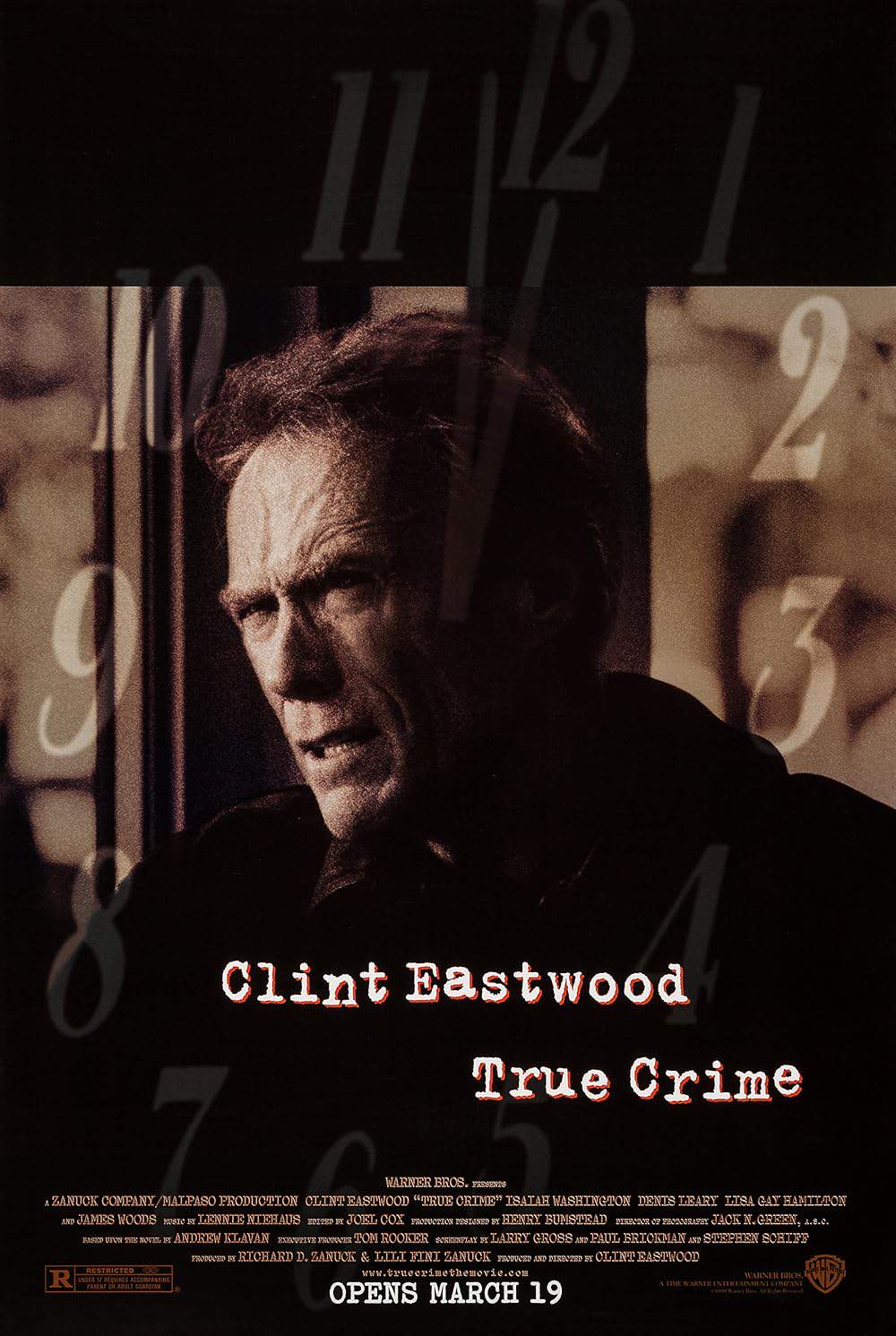
True Crime (1999) Plot Summary & Ending Explained
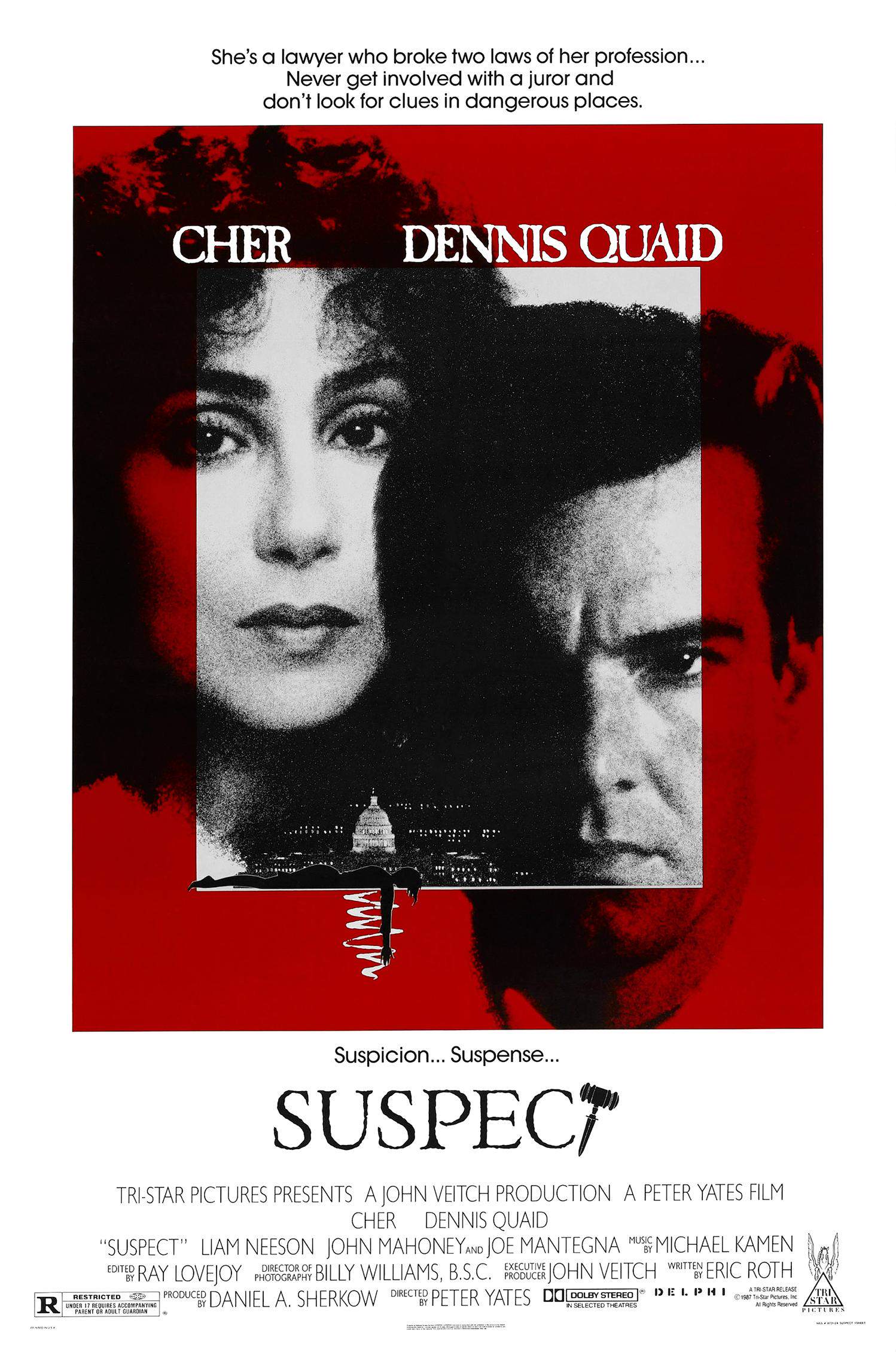
Suspect (1987) Detailed Story Recap
Criminal Intent (2005) Ending Explained & Film Insights
False Arrest (1991) Detailed Story Recap
Criminal Justice (1000) Plot Summary & Ending Explained
Guilty Until Proven Innocent (1991) Spoiler-Packed Plot Recap
Crime of Innocence (1985) Complete Plot Breakdown
Criminal Law (1988) Story Summary & Characters
Criminal (1995) Plot Summary & Ending Explained
The Criminal Code (1930) Film Overview & Timeline
Criminal Court (1946) Ending Explained & Film Insights
Crime, Inc. (1945) Plot Summary & Ending Explained
The Criminal (1960) Ending Explained & Film Insights
Justice (1999) Ending Explained & Film Insights
The Criminal (1999) Detailed Story Recap