Plot Explained Spoilers guaranteed!
Plot Explained

Browse by genre

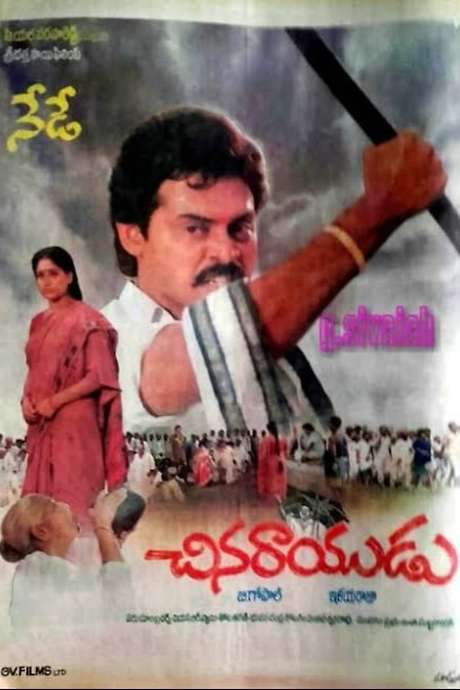
Chinarayudu (1992) movie poster

Plot Summary

Chinarayudu (1992) Plot Summary Explained

Release, runtime and language
1992 · More mins · Telugu
Loading streaming availability…
Directed by
B. Gopal
Starring
Venkatesh, Kota Srinivasa Rao, Babu Mohan, Vijayashanti, Nirmalamma

Chinarayudu is a 1992 Telugu film directed by B. Gopal. The film stars Venkatesh, Vijayashanti, Kota Srinivasan Rao and Nirmalamma in lead roles.

On this page (6)
  1. 1 Where to watch
  2. 2 What happens: full plot
  3. 3 Plot questions answered
  4. 4 Movie threads
  5. 5 Movies like Chinarayudu
  6. 6 Every angle
Loading streaming availability…

Full plot summary · contains spoilers

What Happens in Chinarayudu: Full Plot Summary

The whole story of Chinarayudu (1992) explained, from the opening scene to the final frame: every key event, every twist and what it all adds up to. Read it as a quick recap before the sequel, to check a scene you missed, or to finally understand what really happened.

Chinnarayudu is the arbitrator and the most respected person in a village, a steady force who makes it a point to ensure that everyone can live with dignity and happiness. He steps in whenever injustice flares up, handling disputes with a calm, practical approach that earns him trust from farmers, fishers, and families alike. His role goes beyond mediation; he becomes a steady guardian of the community, guiding people through the everyday challenges of life in the village. He shares a close, mutually supportive bond with his mother, Durgamma, a figure of quiet strength who anchors his sense of duty and compassion. The two of them form a small, durable home where tradition and care blend with the demands of a changing world.

In the same village, a young woman named Gowri, a goat herder, makes her appearance with her own stubborn humor and grit. Gowri’s life is simple on the surface, centered on tending goats and helping her family, yet it is soon braided into Chinnarayudu’s world in a way that tests both of them. Their first real clash comes when children accuse Gowri of taking their spinning tops. Chinnarayudu intervenes and meets Gowri, who playfully dares him to join a spinning-top game. He accepts, learns the game, and wins the next round, but what begins as a playful challenge quickly blossoms into a deeper connection. The two share a lively rivalry that often turns into affectionate banter, and the moment when the spinning top stubbornly circles around Gowri’s belly becomes a source of laughter and embarrassment, a small, intimate riff that hints at their growing bond.

As time passes, Gowri’s life becomes entangled with a debt that weighs heavily on her. She owes Pasupathi a large sum in order to educate her sister Ganga, and the burden of repayment drives many of the ensuing events. The debt falls under the jurisdiction of Chinnarayudu’s village court, and his judgments shape Gowri’s choices and fate. The pressure to raise money from the villagers to settle the debt pulls Gowri into a difficult path, and eventually leads to a turning point: she and Chinnarayudu’s relationship deepens into something more than mere friendship, culminating in an agreement that paves the way for their eventual marriage.

A pivotal moment comes at an auction where Chinnarayudu faces a defeat, losing to Pasupathi and bearing a growing grudge. Pasupathi’s resentment blooms into calculated malice, and he conspires to strike; he poisons a fish lake and frames Chinnarayudu for the wrongdoing. The stakes rise quickly as Prakash Rao, a man who was raised and educated by Chinnarayudu, becomes convinced that he has been insulted by his former mentor and chooses to stand against him with whatever evidence he can muster. Gowri is determined to intervene and tries to dissuade him, but the situation grows ever more dangerous. Ultimately, Gowri is driven to a desperate act and ends up killing Prakash Rao with an axe, a moment that turns the village’s gaze toward a charged courtroom drama that follows.

Gowri’s fate becomes tightly interwoven with that of Prakash Rao and Ganga. Ganga becomes pregnant, and Chinnarayudu takes the blame to shield her, a choice that comes at a heavy personal cost: Durgamma sends him away from their home. In prison, Gowri struggles with despair and even contemplates ending her life, a stark reflection of the anguish that the case has wrought on both of them. Chinnarayudu meets her in the hospital, and through a difficult conversation, he reveals the truth behind the tangled accusations: the pregnancy’s father was not a simple certainty, but Prakash Rao, and the public will not readily believe this truth. Yet the truth also carries another revelation—Prakash Rao did not die after Gowri’s attack; Pasupathi killed him after Gowri struck the blow, a sequence of events that Chinnarayudu pieces together and uses to convince Gowri of the real chain of events.

As the mystery unfolds, Ganga gives birth to a baby and, in a final turn, dies after sharing the truth about what happened. Armed with the truth, Chinnarayudu brings Pasupathi to the town’s panchayat, the local council, in a bid to set the record straight and decry the earlier lies. The entire village watches as the truth comes to light, and Pasupathi comes to terms with the gravity of his actions and the consequences of his schemes. In the end, Chinnarayudu accepts responsibility for the wrongs that have been done in the name of justice and surrenders to the police, choosing to face the consequences rather than let the truth be buried beneath deceit.

This story weaves together conflict and community, duty and love, truth and sacrifice, with the village as a living stage where every character’s choices ripple outward. The film treats themes of responsibility, the weight of reputation, and the ways in which personal loyalties can both protect and imperil those we care about. Through Chinnarayudu’s steadfast dedication and Gowri’s fierce resolve, the tale remains a portrait of a community wrestling with its own sense of justice, forever balancing the scales between mercy and accountability.
Last updated: October 07, 2025 at 08:38

Was this helpful?

Plot questions answered

Chinarayudu Plot Explained: Your Questions Answered

The questions people ask most about Chinarayudu (1992): what happens in the confusing scenes, why the characters do what they do, the twists, hidden details and what the ending means. Each answer contains spoilers.

Q1

Why does Gowri kill Prakash Rao?

Gowri kills Prakash Rao with an axe to prevent him from testifying against Chinnarayudu. Prakash Rao, who was raised and educated by Chinnarayudu, felt insulted by his former mentor and decided to stand against him with false evidence. With no other options left to stop the testimony that would ruin Chinnarayudu, Gowri takes the desperate action of killing him.

  • gowri
  • prakash rao
  • murder
  • testimony
  • chinnarayudu
Q2

Who actually killed Prakash Rao?

While Gowri struck the first blow with an axe, Prakash Rao did not die from her attack. It was Pasupathi who finished the job and killed Prakash Rao afterward. This revelation comes to light when Chinnarayudu pieces together the true chain of events and uses it to clarify what really happened.

  • prakash rao death
  • murder
  • pasupathi
  • gowri
  • killing
Q3

Why does Chinnarayudu take the blame for Ganga's pregnancy?

Chinnarayudu takes the blame for Ganga's pregnancy to protect her and shield Gowri from social stigma. He knows that the real father is Prakash Rao, but the public would not readily believe this truth. By taking responsibility himself, he hopes to spare the women from the village's judgment and preserve their honor.

  • chinnarayudu
  • ganga
  • pregnancy
  • blame
  • protection
Q4

Why does Pasupathi frame Chinnarayudu for poisoning the fish lake?

Pasupathi frames Chinnarayudu because he harbored a grudge after losing an auction to him. The defeat at the auction fueled his resentment, leading him to poison a fish lake and then shift the blame onto Chinnarayudu. This calculated conspiracy was designed to turn the village against his rival.

Foreshadowing: Pasupathi's resentment blooms after losing the auction, foreshadowing his later scheme.

  • pasupathi
  • framing
  • fish lake
  • poison
  • auction
Q5

Why does Durgamma send Chinnarayudu away from home?

Durgamma sends Chinnarayudu away after he takes the blame for Ganga's pregnancy. The social stigma and village gossip become too overwhelming, and she believes his presence only intensifies the conflict. This forces Chinnarayudu into exile, separate from the home he shared with his mother.

  • durgamma
  • chinnarayudu
  • exile
  • pregnancy
  • shame
Q6

Why does Prakash Rao testify against Chinnarayudu?

Prakash Rao was raised and educated by Chinnarayudu, but he became convinced that he had been insulted by his former mentor. Feeling wronged despite Chinnarayudu's efforts to help him, Prakash Rao chooses to stand against him and gather whatever evidence he can to testify against his benefactor.

  • prakash rao
  • testimony
  • chinnarayudu
  • grudge
  • betrayal
Q7

Why does Gowri attempt suicide in jail?

Gowri attempts suicide while in jail due to overwhelming despair over the legal battle and the situation she finds herself in. The weight of being accused of murder, the separation from Chinnarayudu, and the hopelessness of her circumstances drive her to contemplate ending her life.

  • gowri
  • suicide
  • jail
  • despair
  • jail time
Q8

What happens to Ganga and her baby?

Ganga gives birth to a baby during the turmoil. However, she dies shortly after childbirth while sharing the truth about what happened. Her death serves as a turning point that clears some misunderstandings and intensifies the pursuit of accountability for Pasupathi's crimes.

  • ganga
  • baby
  • death
  • childbirth
  • truth
Q9

Why does Chinnarayudu surrender to the police at the end?

Chinnarayudu surrenders to the police to take responsibility for the wrongs that have been done in the name of justice. Even though he exposes Pasupathi's crimes and clears his own name, he chooses to face legal consequences rather than let the truth be buried beneath deceit. This decision reflects his sense of duty and accountability.

  • chinnarayudu
  • surrender
  • police
  • justice
  • consequences
Q10

Why does Gowri owe a debt to Pasupathi?

Gowri owes Pasupathi a large sum of money that she borrowed to educate her younger sister Ganga. When she cannot repay the debt, the matter falls under Chinnarayudu's jurisdiction in the village court, putting him at the center of the dispute and shaping the events that follow.

Foreshadowing: The debt to Pasupathi for Ganga's education sets the stakes for the entire conflict.

  • gowri
  • debt
  • pasupathi
  • ganga
  • education
Q11

What is the significance of the spinning top incident between Gowri and Chinnarayudu?

The spinning top incident marks the first real clash between Gowri and Chinnarayudu. When children accuse Gowri of taking their spinning tops, Chinnarayudu intervenes and meets her. He accepts her playful challenge, learns the game, and wins. A playful moment where the top spins around her belly deepens their bond, transforming their rivalry into affection.

Foreshadowing: This playful encounter establishes the growing connection between them before the debt and conspiracy unfold.

  • spinning top
  • gowri
  • chinnarayudu
  • romance
  • bonding
Q12

What happens at the auction that triggers Pasupathi's plot?

At an auction, Chinnarayudu loses to Pasupathi, which fuels Pasupathi's bitter grudge against him. This defeat is the catalyst that leads Pasupathi to conspire against Chinnarayudu, eventually orchestrating the poisoning of a fish lake and framing him for the crime.

Foreshadowing: Chinnarayudu's auction defeat directly triggers Pasupathi's move from resentment to calculated malice.

  • auction
  • pasupathi
  • chinnarayudu
  • defeat
  • grudge

Movie threads

More Movies Like Chinarayudu, by Mood & Story

Curated lists built around what makes Chinarayudu tick: the same mood, the same kind of story or the same emotional payoff. Each list explains why these movies belong together.

Rural Justice Dramas Like Chinarayudu

Personal integrity is tested when a trusted figure is wrongly accused. If you liked the tense village conspiracy in Chinarayudu, explore more movies where a pillar of the community faces false accusations. These dramas focus on the fight for truth against powerful opponents, featuring serious tones, steady pacing, and emotionally heavy consequences.

  • tense
  • dramatic
  • suspenseful
  • community-focused
  • serious
  • tragic
  • Tone: tense, serious
  • Pacing: steady, methodical
Why these movies?

The story pattern: Stories in this thread typically begin with a stable community life that is shattered by a hidden conspiracy or a false accusation against a central, morally upright character. The plot revolves around uncovering the truth, often involving a courtroom battle or public confrontation, while the protagonist's reputation and relationships suffer severe strain.

Why they belong together: Movies are grouped here for their shared focus on a community-focused justice narrative, where the primary conflict arises from a conspiracy that targets a well-regarded individual. They share a tense, serious mood, a methodical pacing that builds suspense, and a deep emotional weight stemming from wrongful blame and personal sacrifice.

Movies with Bittersweet Endings Like Chinarayudu

The path to justice is paved with profound personal loss. Discover films similar to Chinarayudu where the pursuit of justice leads to a bittersweet conclusion. If you appreciated the heavy emotional cost and complex resolution, you'll find other serious dramas where heroes win the day but lose a part of themselves in the process.

  • bittersweet
  • tragic
  • serious
  • heavy
  • sacrifice
  • dramatic
  • Tone: tense, bittersweet
  • Pacing: steady, impactful
Why these movies?

The story pattern: The narrative pattern involves a protagonist undertaking a difficult quest for justice or truth, facing significant adversity. While they ultimately succeed in their goal, the victory is hollowed by personal tragedies such as the loss of loved ones, acceptance of punishment, or irreversible damage to their relationships, resulting in an ending that acknowledges the win but mourns the cost.

Why they belong together: These movies are united by their emotionally complex conclusions that balance a sense of moral victory with deep personal loss. They share a heavy emotional weight, a serious and tense tone throughout, and a pacing that allows the full impact of the sacrifices to resonate with the viewer.

If you liked this

Movies Like Chinarayudu

Similar movies to Chinarayudu: the same genre, themes or kind of story. Each one comes with its own plot summary, timeline and ending explained.

Browse all movie summaries

Every angle

Chinarayudu (1992) Explained: Plot, Timeline & Characters

Everything about Chinarayudu in one place: what happens in the plot summary, the timeline in chronological order, the characters and meaning and a spoiler-free summary. What's After the Movie adds the cast, box office and post-credit scenes.

Coming soon on iOS and Android

The Plot Explained Movie Summary App

Plot summaries, endings explained and timelines on your phone. Catch up on any movie in minutes, save your favorites and never miss a twist again.

Be the first to know when we launch. Your email stays private, always.

Learn more about the app