






Plot Explained Spoilers guaranteed!
Plot Explained

Browse by genre

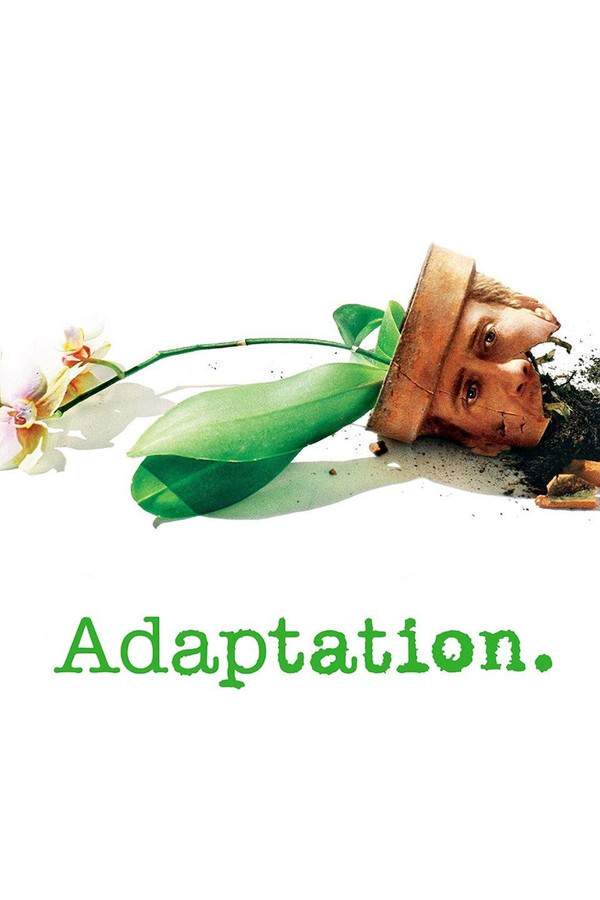
Adaptation. (2002) movie poster

Characters & Themes

Adaptation. (2002) Characters, Setting & Themes Explained

Release, runtime and language
2002 · 114 min · English
JustWatch #2,932 21
Directed by
Spike Jonze
Starring
Chris Cooper, Meryl Streep, Nicolas Cage
Budget
$19M

A screenwriter’s struggle with writer’s block and a challenging adaptation forms the basis of this film. Nicolas Cage portrays Charlie Kaufman, a frustrated writer in Los Angeles who is tasked with turning Susan Orlean's "The Orchid Thief" into a screenplay. As he grapples with self-doubt and a complicated relationship with his twin brother, Kaufman's life spirals into a surreal and often absurd journey, reflecting the intertwined narratives of his own search for inspiration and that of Orlean and her book.

On this page (8)
  1. 1 Where to watch
  2. 2 Characters explained (4)
  3. 3 Where & when it takes place
  4. 4 Themes & meaning (3)
  5. 5 Character & meaning questions
  6. 6 Movie threads
  7. 7 Movies like Adaptation.
  8. 8 Every angle

Where to watch

Where to Watch Adaptation. (2002)

Where can you watch Adaptation.? Stream, rent or buy it in the US, including on Amazon Video, Apple TV Store and Fandango At Home: current JustWatch availability with up-to-date prices.

Streaming availability powered by JustWatch

4 main characters · contains spoilers

Adaptation. Characters Explained: Who Is Who

The main characters of Adaptation. (2002), heroes and villains: what drives them, how they change over the course of the story and what each of them reveals about the film's bigger ideas.

  • John Laroche

    A dedicated nursery owner, John endures immense personal tragedy and seeks solace in the natural world, ultimately becoming embroiled in illegal activities surrounding the Ghost Orchid. His character embodies resilience and the consequences of desperation.

    • 🌱 Orchid Poacher
    • 💔 Tragic Hero
  • Susan Orlean

    played by Meryl Streep

    An ambitious journalist, Susan is driven by her desire to uncover stories and create compelling narratives. Her evolving relationship with John Laroche intertwines her professional ambitions with personal dilemmas, blurring the lines between love and journalism.

    • ✍️ Journalist
    • ❤️ Romantic
  • Charlie Kaufman

    played by Nicolas Cage

    Charlie is a complex character grappling with his creative insecurities and personal turmoil. His journey through writer's block and emotional struggles highlights themes of self-discovery and artistic evolution.

    • 🎬 Screenwriter
    • 😔 Introverted
  • Donald Kaufman

    Charlie's twin brother, Donald represents a contrasting approach to creativity, embodying optimism and ambition. His burgeoning screenwriting career injects tension into the narrative, emphasizing sibling rivalry and differing artistic values.

    • 📝 Aspiring Writer
    • 😃 Optimistic

Last updated: October 22, 2024 at 19:06

Was this helpful?

Setting

Where and When Does Adaptation. Take Place?

The setting of Adaptation. (2002): the year and time period, the places and locations, and how they shape the characters, the mood and the tension of the story.

Time period

The story encompasses the late 20th century, a period marked by significant cultural upheavals and advancements, especially in literature and cinema. The events resonate with changing social dynamics, particularly concerning personal relationships and the struggle for creative expression.

Location

Florida, New York

Florida serves as a backdrop to John Laroche's tragic and tumultuous journey, known for its lush landscapes and the devastating Hurricane Andrew that shapes his fate. New York contrasts with the warmth of Florida, representing the bustling life of journalism and urban complexity, particularly through Susan Orlean's experiences as a writer.

  • 🏖️ Florida
  • 🏙️ New York

Last updated: October 22, 2024 at 19:06

Was this helpful?

3 major themes

Adaptation. Meaning: Themes & Message Explained

What is Adaptation. (2002) really about? The emotional, social and philosophical themes the film keeps returning to, its symbolism and the message beneath the surface.

  • Nature vs. Exploitation

    The film intricately explores the conflict between nature preservation and exploitation, particularly surrounding the Ghost Orchid. John Laroche's journey exemplifies the complexities of human interaction with nature, highlighting both the beauty and peril of such relationships.

  • Mental Health

    Charlie's struggle with writer's block and agoraphobia symbolizes the broader challenges of mental health in creative fields. His journey reflects the internal battles many face while trying to break free from societal expectations and personal limitations.

  • Love and Relationships

    A prominent theme is the exploration of love in its various forms, including forbidden romances and complicated friendships. Charlie and Susan's dynamic illuminates the complexities of human connection against the backdrop of their individual struggles.

Last updated: October 22, 2024 at 19:06

Was this helpful?

Character & theme questions

Adaptation. Characters & Meaning: Your Questions Answered

The questions people ask about Adaptation. (2002): who the characters really are, their relationships, what the symbols mean, where it takes place and what the movie is really about. Each answer contains spoilers.

Q1

Where is the movie set?

The movie primarily takes place in two locations: Florida and New York. Florida serves as the backdrop to John Laroche's story, featuring lush landscapes and the aftermath of Hurricane Andrew. New York represents the bustling world of journalism and urban complexity, particularly through Susan Orlean's experiences as a writer. The contrast between these settings highlights the different worlds the characters inhabit.

  • setting
  • locations
  • florida
  • new york
  • ghost orchid
Q2

What time period does the movie take place in?

The movie is set in the late 20th century, a period marked by significant cultural upheavals and advancements in literature and cinema. The events resonate with changing social dynamics, particularly concerning personal relationships and the struggle for creative expression during that era.

  • time period
  • late 20th century
  • era
  • 1990s
Q3

What does the Nature vs Exploitation theme explore?

The film intricately explores the conflict between nature preservation and exploitation, particularly surrounding the Ghost Orchid. John Laroche's journey exemplifies the complexities of human interaction with nature, highlighting both the beauty and peril of such relationships. The theme examines how desperation can lead people to cross ethical boundaries in their pursuit of what they desire.

  • nature
  • exploitation
  • ghost orchid
  • conservation
  • environment
Q4

How does the movie explore mental health?

Charlie's struggle with writer's block and agoraphobia symbolizes the broader challenges of mental health in creative fields. His journey reflects the internal battles many face while trying to break free from societal expectations and personal limitations. The film portrays how creative block can be intertwined with deeper psychological struggles.

  • mental health
  • writer's block
  • agoraphobia
  • anxiety
  • creativity
Q5

What role does love and relationships play in the movie?

A prominent theme is the exploration of love in its various forms, including forbidden romances and complicated friendships. Charlie and Susan's dynamic illuminates the complexities of human connection against the backdrop of their individual struggles. The movie examines how professional ambitions can blur with personal desires.

  • love
  • relationships
  • connection
  • emotions
  • personal struggles
Q6

Who is John Laroche and what is his significance?

John Laroche is a dedicated nursery owner who endures immense personal tragedy and seeks solace in the natural world. He becomes embroiled in illegal activities surrounding the Ghost Orchid, embodying resilience and the consequences of desperation. His story represents the intersection of nature and human ambition.

  • john laroche
  • nursery owner
  • ghost orchid
  • florida
Q7

Who is Susan Orlean and what is her role in the story?

Susan Orlean is an ambitious journalist portrayed by Meryl Streep, driven by her desire to uncover stories and create compelling narratives. Her evolving relationship with John Laroche intertwines her professional ambitions with personal dilemmas, blurring the lines between love and journalism. She represents the world of media and the ethical questions it raises.

  • susan orlean
  • journalist
  • reporter
  • writer
  • new york
Q8

What is Charlie Kaufman's main struggle?

Charlie Kaufman is a complex character grappling with his creative insecurities and personal turmoil. As a screenwriter tasked with adapting Susan Orlean's book, he faces writer's block and emotional struggles that highlight themes of self-discovery and artistic evolution. His journey is a meta-exploration of creative paralysis.

  • charlie kaufman
  • writer
  • creative block
  • self-doubt
  • adaptation
Q9

Who is Donald Kaufman and how does he differ from Charlie?

Donald Kaufman is Charlie's twin brother and represents a contrasting approach to creativity. While Charlie struggles with self-doubt and artistic paralysis, Donald embodies optimism and ambition in his burgeoning screenwriting career. This sibling dynamic emphasizes the tension between different artistic values and approaches to creativity.

  • donald kaufman
  • twin brother
  • sibling
  • rivalry
  • creativity
Q10

What is the overall tone and style of the movie?

The film's tone is dark due to its exploration of profound self-hatred, writer's block, and tragic events like deaths and divorces. However, it's balanced by a satirical and absurd undercurrent. The narrative is very complex, folding in multiple storylines that blur together in a postmodern, metafictional structure, making it intellectually demanding.

  • tone
  • style
  • satire
  • absurdist
  • metafiction
  • postmodern
Q11

What makes the movie structurally complex?

The narrative is very complex, folding in multiple layers: the story of Laroche, the journalistic work of Susan Orlean, Charlie's real-life struggle, and the fictionalized screenplay he writes, all blurring together in a postmodern, metafictional structure. This creates a layered viewing experience where reality and fiction interweave.

  • structure
  • narrative
  • metafiction
  • layers
  • complexity
  • storytelling

Movie threads

More Movies Like Adaptation., by Mood & Story

Curated lists built around what makes Adaptation. tick: the same mood, the same kind of story or the same emotional payoff. Each list explains why these movies belong together.

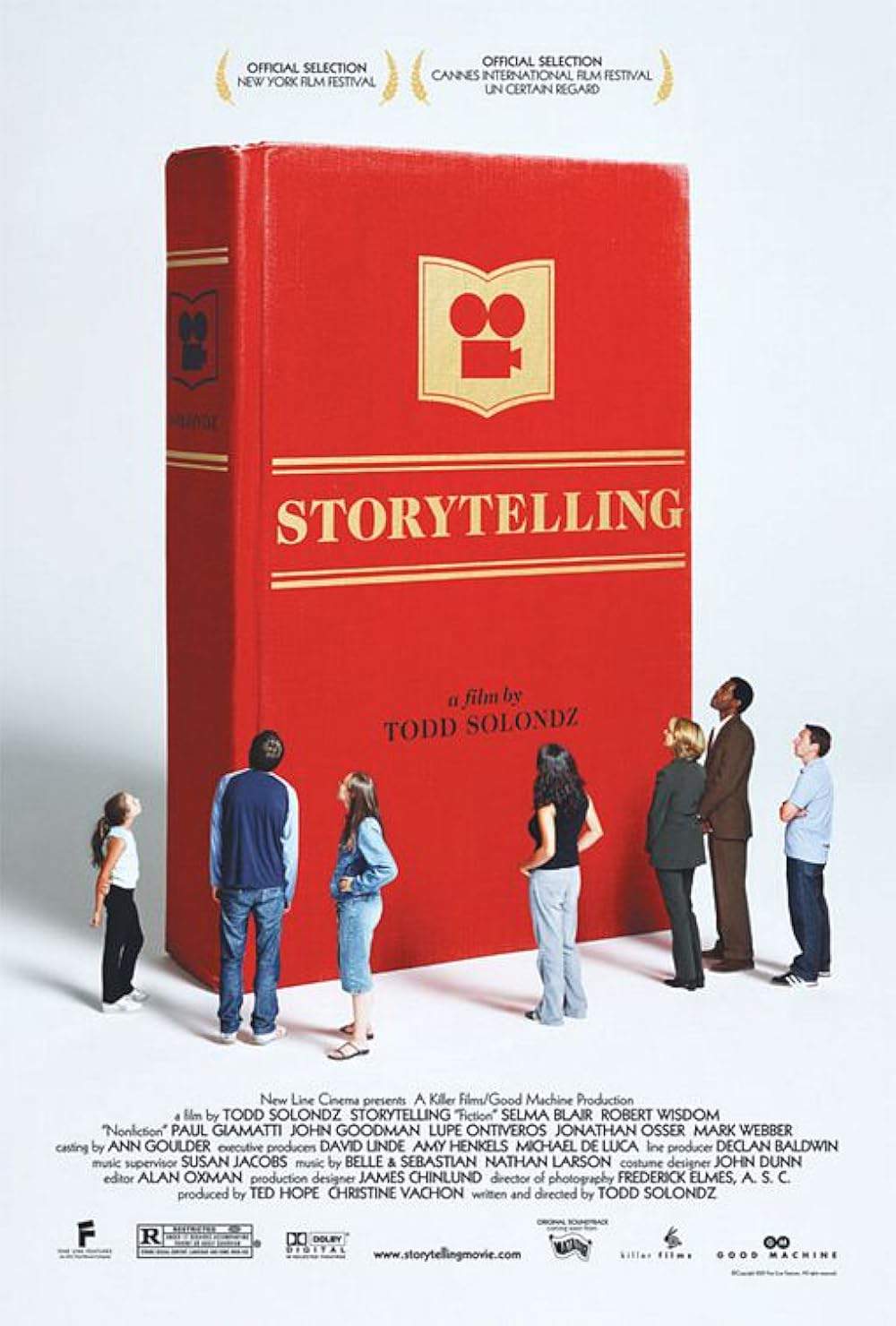
Metafictional Movies About Creativity Like Adaptation.

Films that blur the line between creator, creation, and reality. Find movies like Adaptation. that explore the creative struggle through postmodern and self-referential narratives. If you enjoyed the blend of reality and fiction in Adaptation., you'll appreciate these films about writers, artists, and the complexities of storytelling.

  • metafictional
  • self-reflective
  • anxious
  • intellectual
  • quirky
  • absurd
  • Tone: self-reflective, anxious, darkly comedic
  • Pacing: variable, thoughtful
Why these movies?

The story pattern: Stories in this thread typically feature a protagonist grappling with a creative block or challenge, with the narrative structure itself reflecting their internal conflict. The plot often folds in on itself, incorporating the creator's life, their work-in-progress, and commentary on the artistic process, creating a layered and complex experience.

Why they belong together: Movies are grouped here for their shared focus on deconstructing the creative act. They share a specific tone that mixes intellectual curiosity with existential anxiety, using unconventional structures to explore themes of identity, authenticity, and the difficulty of making art.
Anxious Character Studies Similar to Adaptation.

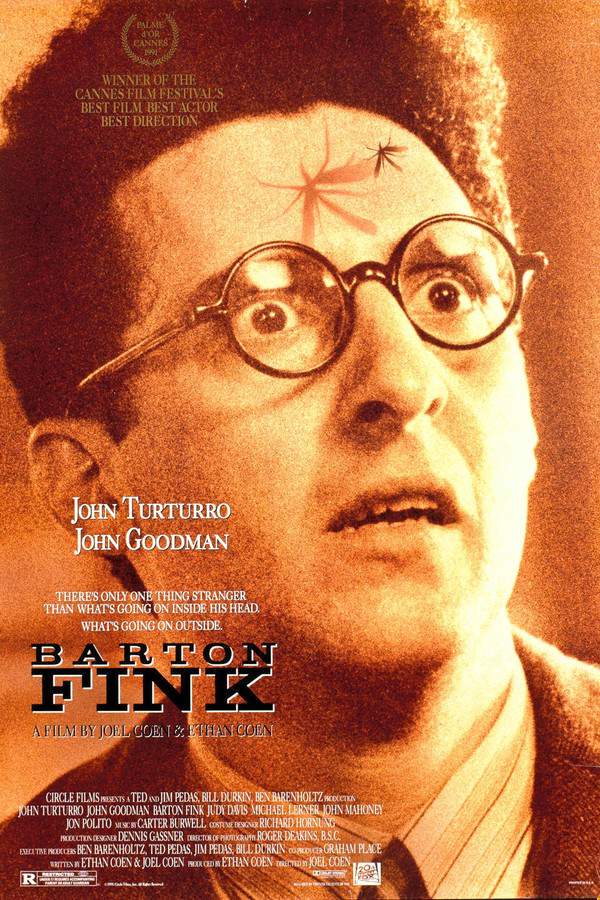
Intimate portraits of characters wrestling with profound self-doubt and existential crisis. Explore character-driven films similar to Adaptation., focusing on protagonists grappling with self-doubt and existential crises. If you liked the heavy emotional weight and anxious, introspective vibe of Adaptation., this list captures that specific feel.

  • anxious
  • self-reflective
  • melancholic
  • despairing
  • introspective
  • existential
  • Tone: melancholic, despairing, bittersweet
  • Pacing: variable, reflective
Why these movies?

The story pattern: The narrative follows a protagonist's internal journey more than external events. The conflict is primarily psychological, as the character confronts their own insecurities, failures, and fears. The plot structure often mirrors their mental state, which can lead to surreal or absurd developments stemming from their anxiety.

Why they belong together: These films are grouped by their shared mood of anxious introspection and their focus on a heavy, character-centered emotional journey. They prioritize psychological realism and create a palpable sense of despair and melancholy, often balanced with moments of quirky or dark humor.

If you liked this

Movies Like Adaptation.

Similar movies to Adaptation.: the same genre, themes or kind of story. Each one comes with its own plot summary, timeline and ending explained.

Browse all movie summaries

Every angle

Adaptation. (2002) Explained: Plot, Timeline & Characters

Everything about Adaptation. in one place: what happens in the plot summary, the timeline in chronological order, the characters and meaning and a spoiler-free summary. What's After the Movie adds the cast, box office and post-credit scenes.

Coming soon on iOS and Android

The Plot Explained Movie Summary App

Plot summaries, endings explained and timelines on your phone. Catch up on any movie in minutes, save your favorites and never miss a twist again.

Be the first to know when we launch. Your email stays private, always.

Learn more about the app