






Plot Explained Spoilers guaranteed!
Plot Explained

Browse by genre

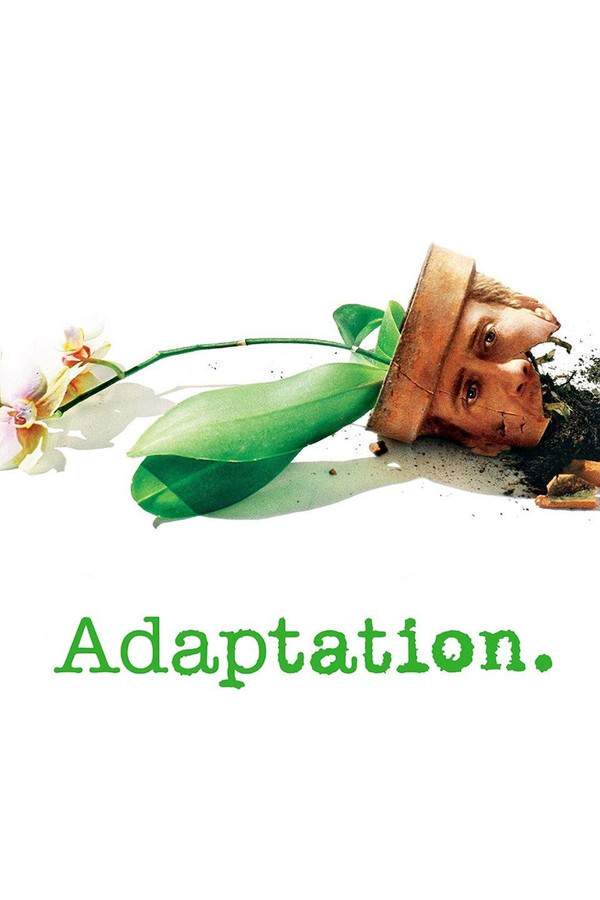
Adaptation. (2002) movie poster

Timeline

Adaptation. (2002) Timeline Explained – Every Event in Order

Release, runtime and language
2002 · 114 min · English
JustWatch #2,891 45
Directed by
Spike Jonze
Starring
Chris Cooper, Meryl Streep, Nicolas Cage
Budget
$19M

A screenwriter’s struggle with writer’s block and a challenging adaptation forms the basis of this film. Nicolas Cage portrays Charlie Kaufman, a frustrated writer in Los Angeles who is tasked with turning Susan Orlean's "The Orchid Thief" into a screenplay. As he grapples with self-doubt and a complicated relationship with his twin brother, Kaufman's life spirals into a surreal and often absurd journey, reflecting the intertwined narratives of his own search for inspiration and that of Orlean and her book.

On this page (6)
  1. 1 Where to watch
  2. 2 Events in order (15)
  3. 3 Timeline questions answered
  4. 4 Movie threads
  5. 5 Movies like Adaptation.
  6. 6 Every angle

Where to watch

Where to Watch Adaptation. (2002)

Where can you watch Adaptation.? Stream, rent or buy it in the US, including on Amazon Video, Apple TV Store and Fandango At Home: current JustWatch availability with up-to-date prices.

Streaming availability powered by JustWatch

15 events in order · contains spoilers

Adaptation. Timeline: Events in Chronological Order

Every key event of Adaptation. (2002) in order, scene by scene, with when and where it takes place. Use it to untangle flashbacks, time jumps and parallel storylines, to refresh your memory before the sequel or to find the exact scene you are thinking of.

  1. Tragic Accident

    John Laroche faces a life-altering moment when a tragic car accident takes the lives of his mother and uncle. The aftermath leaves his wife in a coma, dramatically shifting the family dynamics and John's emotional state.

    Where
    Florida
  2. Divorce and Lawsuit

    Once John's wife awakens from her coma, their relationship deteriorates rapidly, leading to divorce. She sues him, compounding John's feelings of failure and despair as he grapples with the loss of both family and marriage.

  3. Hurricane Andrew

    Just a month later, Hurricane Andrew ravages Laroche's home, further plunging him into despair. This natural disaster symbolizes the culmination of his recent personal tragedies and loss of stability.

    When
    August 1992
    Where
    Florida
  4. Working with the Seminole Tribe

    In his search for solace, John finds work with the local Seminole tribe, utilizing his expertise in flowers and orchid poaching. This new role provides him a sense of purpose, even as he wrestles with his inner turmoil.

  5. Discovery of Drug Use

    Initially believing the tribe uses the Ghost Orchid for sacred purposes, John is shocked to learn it is actually being used for drug manufacturing. This revelation complicates his relationship with the tribe and forces him to confront ethical dilemmas.

  6. Journalist Susan Orlean's Interest

    John's story captures the interest of journalist Susan Orlean, who is drawn to the peculiar narrative surrounding orchid poaching. Their initial professional relationship soon develops into a deep friendship, highlighting different facets of their personal struggles.

  7. Susan's Book and Film Adaptation

    Susan channels her experiences into writing *The Orchid Thief*, a book that garnering significant attention. Columbia Pictures expresses interest in adapting the book into a film, further intertwining her life with John’s.

  8. Charlie Kaufman’s Struggles

    Screenwriter Charlie Kaufman is brought on to adapt Susan's work, but he finds himself battling agoraphobia and writer's block. His simultaneous struggles with self-doubt and the unconventional nature of the book complicate the screenplay process.

  9. Visit to Susan

    Charlie decides to visit Susan in New York to seek writing guidance, but his insecurity prevents him from confronting her directly. Instead, he ends up at a seminar hosted by Robert McKee, searching for inspiration.

    Where
    New York
  10. Donald Poses as Charlie

    Charlie's twin brother, Donald, pretends to be Charlie when interviewing Susan, leading to a chain of misunderstandings. His growing suspicions about Susan’s flawless narrations add a layer of tension to the unfolding story.

  11. Journey to Florida

    The brothers travel to Florida, tracing Susan’s whereabouts in their quest for truth. They uncover John Laroche’s shocking connection to drug production, setting off a series of unpredictable events.

    Where
    Florida
  12. Risky Relationship

    As John and Susan's relationship intensifies, it becomes increasingly fraught with emotion and danger. Charlie becomes an involuntary witness to their bond, further complicating his own feelings for Susan.

  13. Confrontation in the Swamp

    In a tense moment, Susan forces Charlie at gunpoint to accompany her into the swamp, suggesting a sinister motive. This encounter escalates the stakes for all involved, leading to a dangerous climax.

    Where
    Swamp
  14. Donald’s Accidental Death

    Tragedy strikes when Donald is accidentally shot by John, leading to a collision with a ranger’s vehicle. This moment marks a turning point, culminating in the profound implications of their choices.

  15. Charlie's Transformation

    In the aftermath of chaos, Charlie flees into the swamp but emerges transformed by his experiences. He reconciles with his past and completes his screenplay, signifying personal growth amid the tumult.

Last updated: November 15, 2024 at 20:37

Was this helpful?

Timeline questions answered

Adaptation. Timeline Explained: Your Questions Answered

When does it happen, and why in that order? The questions people ask about the chronology of Adaptation. (2002): time jumps, flashbacks, cause and effect between scenes and the correct order of events, each answered with spoilers.

Q1

Why does Susan Orlean start a relationship with John Laroche?

Susan's relationship with John develops gradually from professional curiosity to emotional connection. As a journalist investigating his story about orchid poaching, she becomes drawn to his passionate, unconventional nature, something starkly different from her unhappy marriage in New York. Their bond deepens through shared experiences in Florida, and Susan channels these intense feelings into writing The Orchid Thief, which becomes both her professional breakthrough and personal liberation.

Foreshadowing: The film hints at Susan's dissatisfaction early when she describes her life in New York as unfulfilling before ever meeting John.

  • susan orlean
  • john larouche
  • relationship
  • orchid thief
  • romance
Q2

Why does Susan point a gun at Charlie in the swamp?

Susan forces Charlie at gunpoint to take her into the swamp because she believes John Laroche has been murdered and she fears Charlie is responsible or will expose her involvement. Driven by desperation to protect John and maintain control over the chaotic situation, Susan sees Charlie as either a threat or a means to an end. Her actions stem from the paranoid, dangerous spiral triggered by the brothers' investigation into the drug operation.

Foreshadowing: Charlie witnesses Susan and John's risky relationship earlier, which creates tension and suspicion between them.

  • susan orlean
  • gun
  • swamp
  • charlie kaufman
  • confrontation
Q3

How does Donald die in Adaptation?

Donald is accidentally shot by John Laroche during the chaotic confrontation in Florida. When John fires his gun in the混乱 (chaos), the bullet strikes Donald. He then crashes the car into a ranger's vehicle, which results in his death. This tragic accident occurs as the brothers investigate Laroche's connection to the drug operation derived from the Ghost Orchid.

Foreshadowing: The brothers' decision to travel to Florida and confront John directly sets the tragic chain of events in motion.

  • donald kaufman
  • death
  • shot
  • john larouche
  • car crash
Q4

What is the Ghost Orchid used for in the movie?

The Ghost Orchid is being used by the Seminole tribe to manufacture drugs, not for traditional ceremonial purposes as John Laroche initially believed. John discovered this shocking truth after joining the tribe, instead of the sacred use he imagined, the tribe was processing the orchid into a potent substance. This revelation shatters John's sense of purpose and adds another layer to the film's exploration of deception and illusion.

Foreshadowing: John's work with the Seminole tribe is framed as finding solace, but the film hints at something more ominous beneath the surface.

  • ghost orchid
  • drugs
  • seminole tribe
  • john larouche
  • orchid poaching
Q5

Why does Charlie Kaufman visit Susan Orlean?

Charlie visits Susan in New York seeking inspiration and guidance for adapting her book The Orchid Thief into a screenplay. Struggling with severe writer's block and feeling inadequate, he hopes to understand her perspective and find a way to structure his adaptation. However, his insecurity prevents him from actually meeting her face-to-face, he ends up attending a Robert McKee screenwriting seminar instead, searching for direction through conventional advice.

Foreshadowing: Charlie's agoraphobia and self-doubt are established early, explaining why he cannot bring himself to confront Susan directly.

  • charlie kaufman
  • susan orlean
  • visit
  • new york
  • writer's block
Q6

What happens to Charlie in the swamp and what does it mean?

After the chaotic events where Donald dies and Susan holds him at gunpoint, Charlie flees into the swamp and emerges transformed. This wild experience forces him to confront his fears, creative paralysis, and emotional repression. He reconciles with his mother, admits his lingering feelings for Amelia, and finally completes his screenplay. The swamp represents his descent into the chaotic creative process, and his emergence signifies breakthroughs in both his writing and personal life.

Foreshadowing: Charlie's entire journey has been building toward this confrontation with his own limitations and fears.

  • charlie kaufman
  • swamp
  • transformation
  • screenplay
  • reconciliation
Q7

Why does Donald pretend to be Charlie when interviewing Susan?

Donald poses as Charlie to interview Susan Orlean because Charlie is too anxious and insecure to meet her in person. Hoping to gather material for his brother's screenplay, Donald takes on Charlie's identity. During the interview, Donald becomes suspicious of Susan's storytelling, deeming her narrations too perfect and polished, which adds to the film's exploration of truth versus fiction.

Foreshadowing: Charlie's agoraphobia and fear of rejection have been established as major obstacles throughout the film.

  • donald kaufman
  • charlie kaufman
  • interview
  • susan orlean
  • impersonation
Q8

Why does John Laroche's life unravel so dramatically?

John Laroche experiences a devastating chain of events: a car accident kills his mother and uncle, his wife falls into a coma, she sues for divorce upon waking, and Hurricane Andrew destroys his home. These tragedies plunge him into despair, leading him to seek purpose with the Seminole tribe. His journey represents how one person's life can spiral into chaos, and how he finds meaning in unconventional ways, even when that meaning is built on deception.

Foreshadowing: The film establishes John's passion for orchids early, showing his deep connection to nature as his anchor.

  • john larouche
  • tragedy
  • divorce
  • hurricane
  • andrew
  • family
Q9

What is the meaning of Charlie wanting Gérard Depardieu to play him?

In the film's final voice-over, Charlie expresses his wish for Gérard Depardieu to portray him in the adaptation, a surreal, metafictional moment that blurs the line between Charlie's real life and the screenplay he's writing. This ending reinforces the film's postmodern theme of identity, creativity, and the blurring of fiction and reality. Charlie has transformed his personal suffering into completed art, even if the cost was devastating.

Foreshadowing: The entire film has been building toward Charlie completing his screenplay, and his desire for a specific actor highlights how deeply invested he is in the creative process.

  • charlie kaufman
  • gerard depardieu
  • screenplay
  • ending
  • metafiction
Q10

Why does Susan Orlean write The Orchid Thief?

Susan writes The Orchid Thief partly as a professional assignment but ultimately uses the experience to escape her unhappy marriage and explore her own desires for freedom and intensity. John's story about pursuing something seemingly impossible, the rare Ghost Orchid, resonates with Susan's own longing for meaning. The book becomes her way of processing her transformation from a constrained journalist to someone who takes risks and embraces chaos.

Foreshadowing: Susan mentions being unhappy in her marriage early in the film, establishing her motivation for seeking something more.

  • susan orlean
  • orchid thief
  • book
  • writing
  • motivation

Movie threads

More Movies Like Adaptation., by Mood & Story

Curated lists built around what makes Adaptation. tick: the same mood, the same kind of story or the same emotional payoff. Each list explains why these movies belong together.

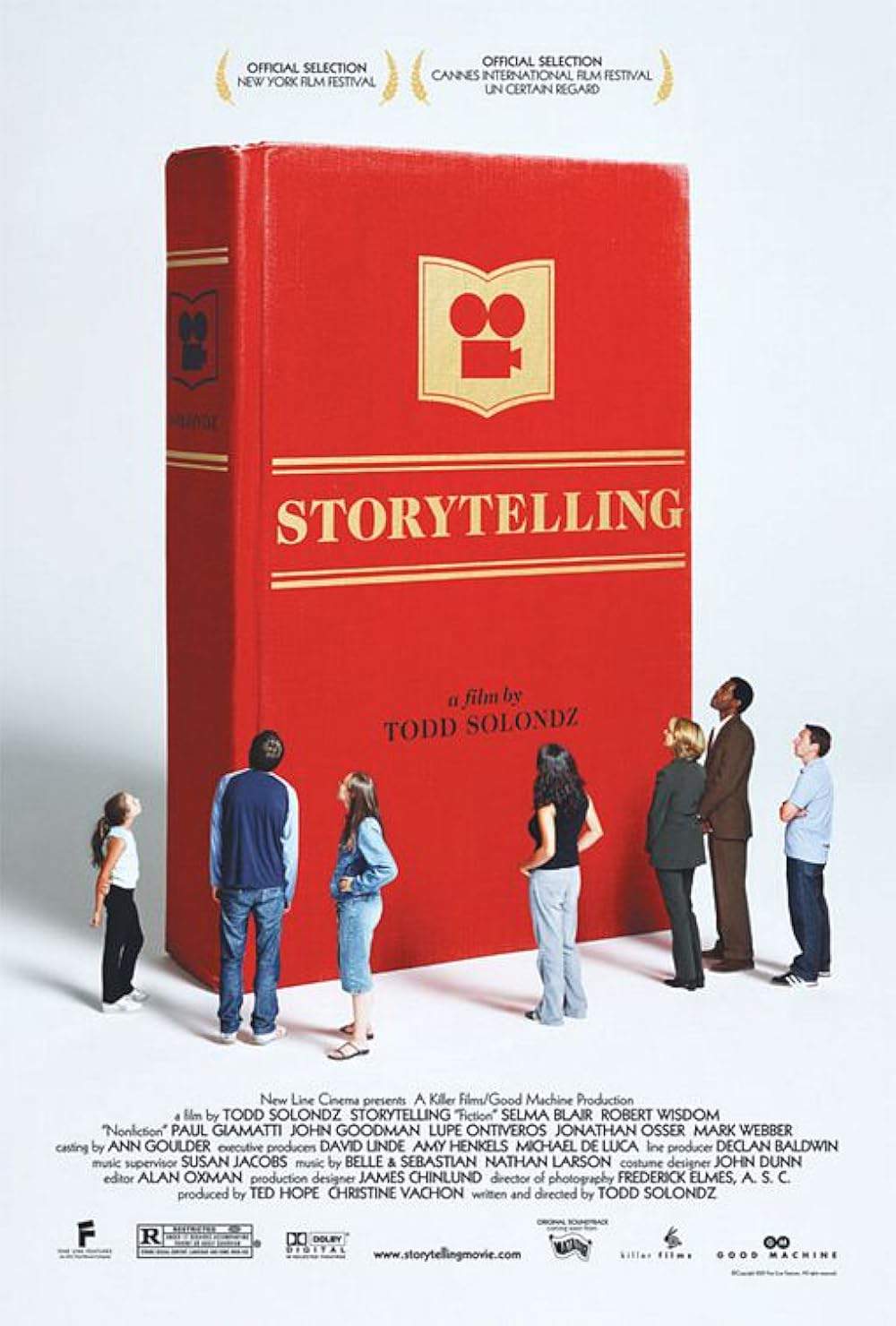
Metafictional Movies About Creativity Like Adaptation.

Films that blur the line between creator, creation, and reality. Find movies like Adaptation. that explore the creative struggle through postmodern and self-referential narratives. If you enjoyed the blend of reality and fiction in Adaptation., you'll appreciate these films about writers, artists, and the complexities of storytelling.

  • metafictional
  • self-reflective
  • anxious
  • intellectual
  • quirky
  • absurd
  • Tone: self-reflective, anxious, darkly comedic
  • Pacing: variable, thoughtful
Why these movies?

The story pattern: Stories in this thread typically feature a protagonist grappling with a creative block or challenge, with the narrative structure itself reflecting their internal conflict. The plot often folds in on itself, incorporating the creator's life, their work-in-progress, and commentary on the artistic process, creating a layered and complex experience.

Why they belong together: Movies are grouped here for their shared focus on deconstructing the creative act. They share a specific tone that mixes intellectual curiosity with existential anxiety, using unconventional structures to explore themes of identity, authenticity, and the difficulty of making art.
Anxious Character Studies Similar to Adaptation.

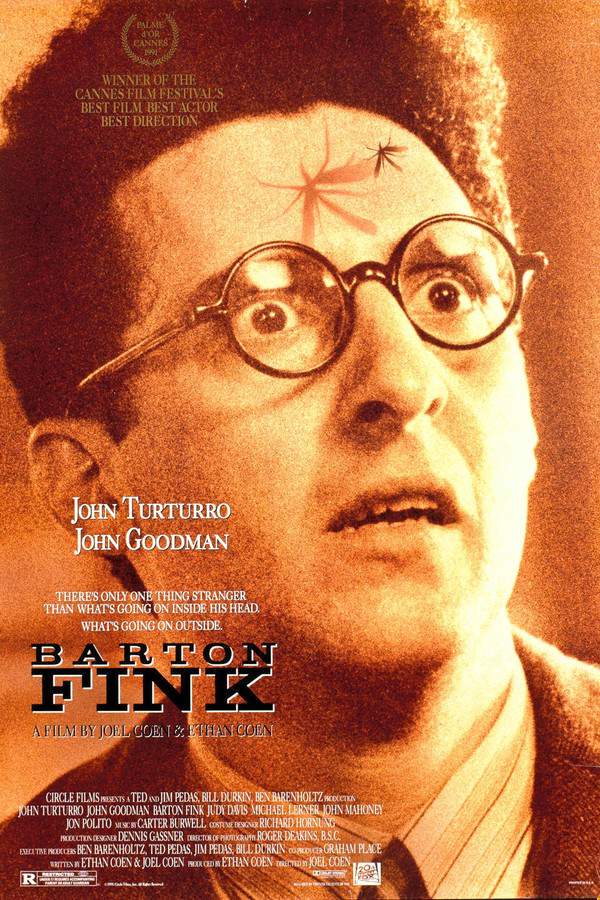
Intimate portraits of characters wrestling with profound self-doubt and existential crisis. Explore character-driven films similar to Adaptation., focusing on protagonists grappling with self-doubt and existential crises. If you liked the heavy emotional weight and anxious, introspective vibe of Adaptation., this list captures that specific feel.

  • anxious
  • self-reflective
  • melancholic
  • despairing
  • introspective
  • existential
  • Tone: melancholic, despairing, bittersweet
  • Pacing: variable, reflective
Why these movies?

The story pattern: The narrative follows a protagonist's internal journey more than external events. The conflict is primarily psychological, as the character confronts their own insecurities, failures, and fears. The plot structure often mirrors their mental state, which can lead to surreal or absurd developments stemming from their anxiety.

Why they belong together: These films are grouped by their shared mood of anxious introspection and their focus on a heavy, character-centered emotional journey. They prioritize psychological realism and create a palpable sense of despair and melancholy, often balanced with moments of quirky or dark humor.

If you liked this

Movies Like Adaptation.

Similar movies to Adaptation.: the same genre, themes or kind of story. Each one comes with its own plot summary, timeline and ending explained.

Browse all movie summaries

Every angle

Adaptation. (2002) Explained: Plot, Timeline & Characters

Everything about Adaptation. in one place: what happens in the plot summary, the timeline in chronological order, the characters and meaning and a spoiler-free summary. What's After the Movie adds the cast, box office and post-credit scenes.

Coming soon on iOS and Android

The Plot Explained Movie Summary App

Plot summaries, endings explained and timelines on your phone. Catch up on any movie in minutes, save your favorites and never miss a twist again.

Be the first to know when we launch. Your email stays private, always.

Learn more about the app