Plot Explained Spoilers guaranteed!
Plot Explained

Browse by genre

The Pedestrian (1973) movie poster

Timeline

The Pedestrian (1973) Timeline Explained – Every Event in Order

Release, runtime and language
1973 · 98 mins · German
Starring
Peggy Ashcroft, Johanna Hofer, Maximilian Schell, Peter Hall, Lil Dagover, Christian Kohlund

After a German businessman causes a fatal car crash, investigative journalists probe his history, seeking hidden scandals. Their digging uncovers his involvement in World II activities in Greece, forcing him to confront and reassess the moral choices he made during that period.

On this page (5)
  1. 1 Events in order (14)
  2. 2 Timeline questions answered
  3. 3 Movie threads
  4. 4 Movies like The Pedestrian
  5. 5 Every angle

14 events in order · contains spoilers

The Pedestrian Timeline: Events in Chronological Order

Every key event of The Pedestrian (1973) in order, scene by scene, with when and where it takes place. Use it to untangle flashbacks, time jumps and parallel storylines, to refresh your memory before the sequel or to find the exact scene you are thinking of.

  1. Tragic car accident claims Andreas' life

    A car crash kills Heinz Alfred Giese's son, Andreas, triggering an investigation into the circumstances of the accident. Investigators later drop negligent homicide charges when they conclude that Andreas interfered with the steering wheel. The event marks the start of the tabloid's wider scrutiny of Giese's life.

    Where
    Crash site
  2. License revoked and traffic lessons

    Giese's driver's license is revoked following the crash, and he is ordered to attend traffic lessons. The ruling deepens public scrutiny into his moral character. It also amplifies the tabloid's interest in portraying him as a flawed figure.

    Where
    Traffic court
  3. Tabloid launches life investigation

    A tabloid begins digging into Heinz Giese's past, using the crash as a hook to scrutinize his private and professional life. Reporters compile background material and plan an exposé that could stain his reputation. The pursuit signals the start of an aggressive and intrusive investigation.

    Where
    Tabloid newsroom
  4. Museum outing with grandson

    The tabloid documents a visit to the Natural History Museum with Giese's grandson. They photograph him during the outing, framing a wholesome family moment against the backdrop of a brewing scandal. This contrast feeds their narrative of a hidden past waiting to surface.

    Where
    Natural History Museum
  5. Rendezvous with a lover

    The reporters track a private rendezvous between Giese and his lover, raising questions about his private life. The surveillance portrays a man with a dual life, feeding suspicions of hidden motives. The pursuit adds fuel to the insinuations circulating about his character.

  6. Attends a class

    Giese is observed attending a class, a detail the tabloid uses to map his daily routine. The footage is presented as evidence of his public-facing activities and personal regimen. The event contributes to the portrait of a meticulously managed image.

    Where
    Classroom
  7. Surveillance escalates: following and photographing movements

    The newspaper's team follows Giese across various locations, taking photographs of his movements and waiting outside his house. They even break into his private space to steal a youthful photo, illustrating their willingness to cross ethical lines. The actions underscore how far the press will go to assemble damaging material.

    Where
    Outside his house and various locations
  8. Alleged wartime massacre link surfaces

    Suspicions surface about Giese's involvement in the wartime liquidation of a Greek village. The tabloid treats any hint as potential guilt, though the evidence remains inconclusive. The pursuit aims to connect his past to present scandal, intensifying public curiosity.

    Where
    Past wartime actions
  9. Incriminating photos inconclusive

    The incriminating photos turn out to be inconclusive, leaving readers uncertain about direct participation in the massacre. The newsroom acknowledges that the material cannot definitively prove guilt. Still, insinuations persist and fuel ongoing suspicion.

    Where
    Tabloid office
  10. Tabloid publishes insinuating article

    The tabloid publishes an article insinuating a link between Giese and the massacre, provoking public outrage. Riots erupt outside Giese's company as protesters demand accountability. The piece intensifies the debate over personal responsibility and the ethics of investigative journalism.

    Where
    Outside Giese's company
  11. Defamation injunction obtained

    Giese obtains a defamation injunction to halt further damaging coverage, though the struggle continues in public forums. The injunction slows some press coverage but cannot erase the allegations from public discourse. The move underscores the pressure journalists face when pursuing a controversial story.

    Where
    Court
  12. Televised scrutiny and silent guilt

    A televised discussion features Giese, and his silence during the debate is interpreted by pundits as guilt. He faces intensified scrutiny from viewers and critics as the media narrative tightens around him. The broadcast marks a turning point in public perception of his innocence.

    Where
    Television studio
  13. Link between Andreas' death and past dispute suggested

    The newspaper suggests a possible link between Andreas' death and a dispute over Giese's past, tying the car tragedy to a historical scandal. The insinuations deepen public suspicion without concrete proof. The article broadens the scope of rumors surrounding the Giese family.

    Where
    Newsroom / press coverage
  14. Giese confides in his son Hubert

    Returning home, Giese confides in his son Hubert, urging him to leave the past behind. He cautions against letting the family's history taint his own life and future. The moment reveals a patriarch trying to shield his son from the shadows of the past.

    Where
    Giese's home

Last updated: February 18, 2026 at 23:47

Was this helpful?

Timeline questions answered

The Pedestrian Timeline Explained: Your Questions Answered

When does it happen, and why in that order? The questions people ask about the chronology of The Pedestrian (1973): time jumps, flashbacks, cause and effect between scenes and the correct order of events, each answered with spoilers.

Q1

Why did the tabloid investigate Alfred Giese's past after the car accident?

The tabloid used the car accident that killed Giese's son Andreas as a hook to dig into his private life. Even after negligent homicide charges were dropped due to evidence that Andreas interfered with the steering wheel, the newspaper sensed a potential scandal and pursued any information that could damage Giese's reputation as an industrialist and state parliament member. The accident became a catalyst for examining his entire history.

  • tabloid investigation
  • car accident
  • Andreas Giese
  • media scrutiny
Q2

What was Alfred Giese accused of during World War II?

Giese was accused of involvement in the liquidation of a Greek village during WWII. The tabloid obtained photos and testimonies suggesting he participated in a massacre, though the evidence remained inconclusive. The allegations connected his present-day scandal to his past actions in Greece, implying he may have been directly responsible for civilian deaths during the German occupation.

  • WWII
  • greece massacre
  • village liquidation
  • wartime crimes
Q3

Why was the evidence about Giese's wartime involvement inconclusive?

The incriminating photos and materials gathered by the tabloid could not definitively prove Giese's direct participation in the massacre. Despite surveillance and investigation, the newspaper acknowledged in its newsroom that the evidence was insufficient to conclusively link him to the killings. However, the lack of proof did not stop the tabloid from publishing insinuating articles that kept the speculation alive.

  • evidence
  • photos
  • massacre accusation
  • proof
Q4

What happened during Giese's televised discussion appearance?

During a televised discussion about the case, Giese remained silent. His silence was interpreted by pundits and viewers as an admission of guilt rather than a defense strategy. This moment proved pivotal in shifting public perception against him, as the broadcast amplified the narrative that he had something to hide about his wartime past.

  • televised debate
  • silence
  • public perception
  • media interpretation
Q5

Why were negligent homicide charges against Giese dropped?

Charges were dropped because investigators concluded that Andreas, Giese's son, had interfered with the steering wheel during the car crash. This evidence suggested the accident was not caused by Giese's negligence but by his son's action, leading authorities to drop the case for negligent homicide.

  • negligent homicide
  • charges dropped
  • steering wheel
  • Andreas
Q7

Why did Giese confide in his son Hubert at the end of the film?

After the public scandal, Giese returned home and confided in his son Hubert, urging him to leave the past behind and avoid letting history taint their family's remaining reputation. This moment revealed Giese's attempt to shield his son from the consequences of his own past actions while also trying to preserve what remained of their family's legacy.

  • Hubert
  • father son conversation
  • family reputation
  • move on
Q8

What was the significance of the photograph the tabloid stole from Giese's home?

The tabloid broke into Giese's private space to steal a youthful photograph of him, likely seeking evidence of his appearance during the WWII period. This photograph was meant to support their investigation into his past, potentially comparing it to evidence from the Greek village incident. The intrusion illustrated how far the press would go to assemble damaging material.

  • photograph
  • break in
  • evidence
  • wartime
Q9

Why did riots erupt outside Giese's company after the tabloid article?

After the tabloid published an article insinuating a connection between Giese and the wartime massacre, public outrage exploded. Protesters gathered outside his company demanding accountability, riots broke out, and he was branded a murderer by the press. The inflammatory reporting triggered mob anger despite the lack of incontrovertible proof.

  • riots
  • protesters
  • public outrage
  • newspaper article
Q10

Why did Giese pursue a defamation injunction against the tabloid?

Giese secured a defamation injunction to halt further damaging coverage, attempting to use legal means to stop the spread of allegations. However, the injunction could not erase the existing rumors from public discourse, and the scandal continued to intensify through media discussions and public debate.

  • defamation
  • injunction
  • legal action
  • press ethics
Q11

What was the purpose of Giese's museum visit with his grandson?

The tabloid documented Giese's visit to the Natural History Museum with his grandson as part of their surveillance. The media framed this wholesome family moment against the backdrop of the brewing scandal, creating a contrast between his public image as a family man and the allegations about his hidden past. It reinforced their narrative of a man leading a double life.

  • museum
  • grandson
  • surveillance
  • family image

Movie threads

More Movies Like The Pedestrian, by Mood & Story

Curated lists built around what makes The Pedestrian tick: the same mood, the same kind of story or the same emotional payoff. Each list explains why these movies belong together.

Movies about investigating a hidden past like The Pedestrian

Journalists or characters dig into a buried history, uncovering dark secrets. If you liked the journalistic probe into a wartime past in The Pedestrian, explore these films where investigations uncover dark secrets. These movies feature a steady pace, a tense tone, and a heavy emotional weight as characters are forced to face history.

  • investigative
  • unsettling
  • tense
  • moral reckoning
  • historical
  • somber
  • Tone: tense, unsettling, morally complex
  • Pacing: steady, methodical
Why these movies?

The story pattern: These narratives typically follow a present-day inquiry that methodically peels back layers of time, revealing a traumatic or morally complex past event. The story structure often alternates between the investigation in the present and flashbacks to the historical events, building towards a moment of reckoning.

Why they belong together: Movies are grouped here because they share a core narrative engine: an investigation that uncovers a suppressed history. They create a similar atmosphere of suspense and moral unease, focusing on the impact of truth-seeking on individuals and families.
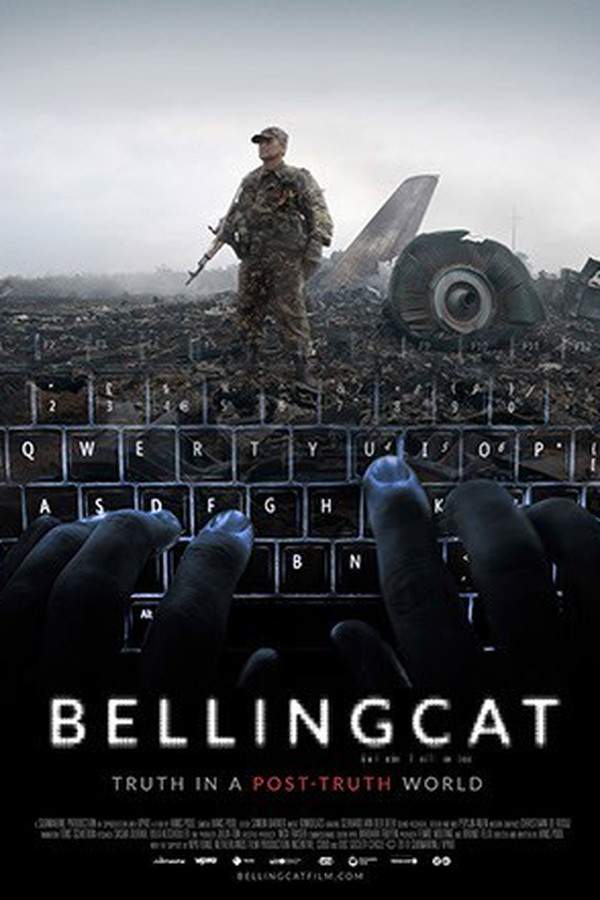
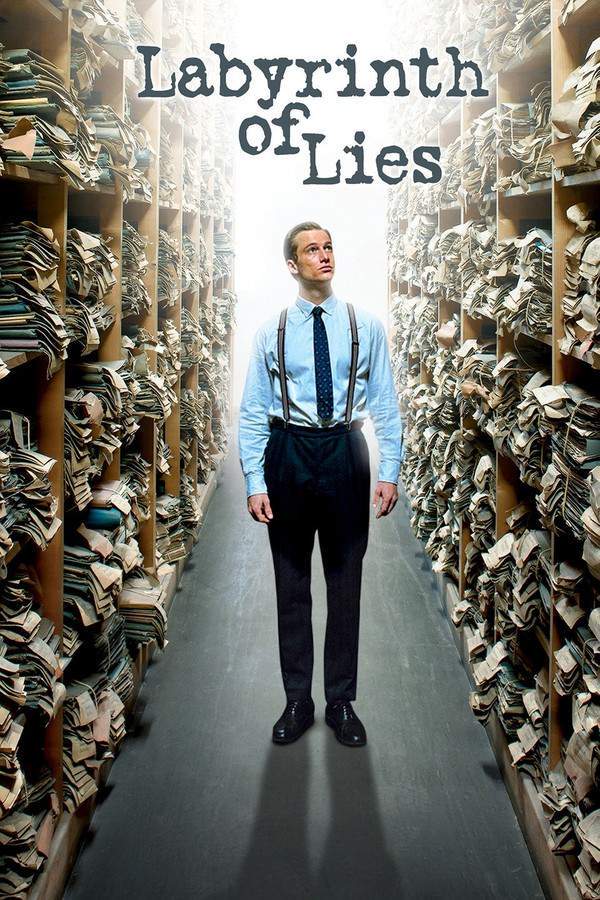
Movies about moral reckoning like The Pedestrian

Characters confront past misdeeds, finding a complex and bittersweet resolution. For viewers who appreciated the heavy theme of guilt and the bittersweet ending of The Pedestrian, this list features films about characters facing their past misdeeds. These dramas explore the complex aftermath of moral failure and the search for a fragile redemption.

  • guilt
  • redemption
  • somber
  • melancholic
  • bittersweet
  • moral dilemma
  • Tone: somber, melancholic, bittersweet
  • Pacing: steady, character-driven
Why these movies?

The story pattern: The narrative follows a character arc of confrontation with a shameful past. The climax is less about external punishment and more about an internal, psychological reckoning. The resolution is typically bittersweet, acknowledging the damage done while leaving a sliver of possibility for the future.

Why they belong together: These films are connected by their focus on the protagonist's moral crisis and the specific emotional tone of the conclusion. They share a heavy emotional weight and a preference for complex, ambiguous resolutions over clear-cut happy or sad endings.

If you liked this

Movies Like The Pedestrian

Similar movies to The Pedestrian: the same genre, themes or kind of story. Each one comes with its own plot summary, timeline and ending explained.

Browse all movie summaries

Every angle

The Pedestrian (1973) Explained: Plot, Timeline & Characters

Everything about The Pedestrian in one place: what happens in the plot summary, the timeline in chronological order, the characters and meaning and a spoiler-free summary. What's After the Movie adds the cast, box office and post-credit scenes.

Coming soon on iOS and Android

The Plot Explained Movie Summary App

Plot summaries, endings explained and timelines on your phone. Catch up on any movie in minutes, save your favorites and never miss a twist again.

Be the first to know when we launch. Your email stays private, always.

Learn more about the app