Year: 1944
Runtime: 75 mins
Language: English
Director: William Cameron Menzies
A successful German art dealer who has built a new life in the United States travels back to his homeland, only to become increasingly drawn into the seductive power of Nazi propaganda. As the political climate darkens, he must confront his loyalties, his conscience, and the dangerous allure of the regime.
Warning: spoilers below!
Haven’t seen Address Unknown yet? This summary contains major spoilers. Bookmark the page, watch the movie, and come back for the full breakdown. If you're ready, scroll on and relive the story!
Read the complete plot breakdown of Address Unknown (1944), including all key story events, major twists, and the ending explained in detail. Discover what really happened—and what it all means.
Martin Schulz, Paul Lukas, and Max Eisenstein, Morris Carnovsky, are German expatriate art dealers living in the United States. Their families are connected through love: Heinrich Schulz, [Peter van Eyck], and Griselle Eisenstein, [K.T. Stevens], are in love, and Griselle travels with them to Germany to seek acting opportunities.
In Germany, Martin meets Baron von Friesche, [Carl Esmond], joins the Nazi Party, and becomes a significant government official. He immediately demands that Max stop writing to him, asserting that Max is Jewish. When Max sends a hand-delivered letter to prove he’s acting of his own free will, Martin makes it clear they are no longer friends.
Griselle has been acting in Vienna under the stage name Stone and lands a leading role in a Berlin play. Before the premiere, the censor, [Charles Halton], insists on cutting lines that would clash with Nazi doctrine, such as “Blessed are the peacemakers ….” On opening night, Griselle speaks the lines anyway. When the censor forces her to reveal her real name, the antisemitic crowd riots, and the play’s director hustles the still-defiant Griselle out of the theater to keep her safe.
Realising the danger, she seeks help from Martin at his country estate, but he slams the front door in her face. A shot rings out, and Elsa, [Mady Christians], is appalled by her husband’s heartlessness. Max and Heinrich learn of Griselle’s death from a short letter in which Martin merely states that she is dead.
Martin then receives a telegram indicating that Max will resume writing to him and that Martin will understand his messages. He finds Max’s first letter incomprehensible, as if it were coded, and he is warned that receiving coded messages is illegal. Nevertheless, letters continue, and Martin is forced to resign his party position.
Elsa decides to take their children to Switzerland. Martin sends a letter begging Max to stop writing. Border guards intercept the letter, and Elsa destroys it to protect the family, deepening the suspicion surrounding him. Von Freische warns that the Gestapo will question Martin. Faced with this terror, Martin contemplates suicide, but that night he leaves his mansion, illuminated only by a flashlight.
Back in San Francisco, a letter addressed to Martin is returned with “Address Unknown.” Max confides in Heinrich that he had not resumed writing, and the look on Heinrich’s face reveals that it was he who had sent the letters.
Last Updated: October 09, 2025 at 09:18
Discover curated groups of movies connected by mood, themes, and story style. Browse collections built around emotion, atmosphere, and narrative focus to easily find films that match what you feel like watching right now.
Stories of ordinary characters seduced and destroyed by extremist ideologies.Explore a collection of movies like Address Unknown, featuring stories of moral compromise and psychological descent within oppressive political climates. If you were fascinated by the protagonist's slide into Nazism, you'll find similar tales of disillusionment and ideological seduction here.
This thread follows a clear narrative arc: a character, often initially apolitical or naive, is gradually drawn into a radical political movement. The story charts their increasing indoctrination, the betrayal of former loyalties, and the ultimate, tragic consequences of their choices, leading to personal ruin or a bleak reckoning.
These films are grouped by their shared focus on a specific character journey—the corruption of an individual by a political ideology. They create a similar mood of dread and inevitability, using a steady pace to methodically show the protagonist's irreversible moral collapse amidst a dark, oppressive atmosphere.
Tense, character-driven stories where moral choices have fatal consequences.Discover movies similar to Address Unknown that masterfully build claustrophobic tension around heavy moral decisions. These films share a dark tone, high emotional stakes, and a steady pace that tightens the suspense, perfect for viewers who appreciated the unbearable ethical pressure in Address Unknown.
Narratives in this thread are defined by escalating tension rooted in ethical conflict. The protagonist faces a series of difficult choices where every decision carries immense weight, narrowing their options and increasing their isolation. The plot steadily advances towards a climax that offers little relief, emphasizing the high cost of their actions.
These movies are united by their intense, anxious vibe and their central theme of moral crisis. They share a dark tone, heavy emotional weight, and a steady, methodical pacing that creates a palpable sense of dread and inevitability, making the viewer feel the protagonist's trapped predicament.
Don't stop at just watching — explore Address Unknown in full detail. From the complete plot summary and scene-by-scene timeline to character breakdowns, thematic analysis, and a deep dive into the ending — every page helps you truly understand what Address Unknown is all about. Plus, discover what's next after the movie.
Track the full timeline of Address Unknown with every major event arranged chronologically. Perfect for decoding non-linear storytelling, flashbacks, or parallel narratives with a clear scene-by-scene breakdown.
Discover the characters, locations, and core themes that shape Address Unknown. Get insights into symbolic elements, setting significance, and deeper narrative meaning — ideal for thematic analysis and movie breakdowns.
Get a quick, spoiler-free overview of Address Unknown that covers the main plot points and key details without revealing any major twists or spoilers. Perfect for those who want to know what to expect before diving in.
Visit What's After the Movie to explore more about Address Unknown: box office results, cast and crew info, production details, post-credit scenes, and external links — all in one place for movie fans and researchers.
Discover movies like Address Unknown that share similar genres, themes, and storytelling elements. Whether you’re drawn to the atmosphere, character arcs, or plot structure, these curated recommendations will help you explore more films you’ll love.
Address Unknown (1944) Scene-by-Scene Movie Timeline
Address Unknown (1944) Movie Characters, Themes & Settings
Address Unknown (1944) Spoiler-Free Summary & Key Flow
Movies Like Address Unknown – Similar Titles You’ll Enjoy
The Stranger (1946) Movie Recap & Themes
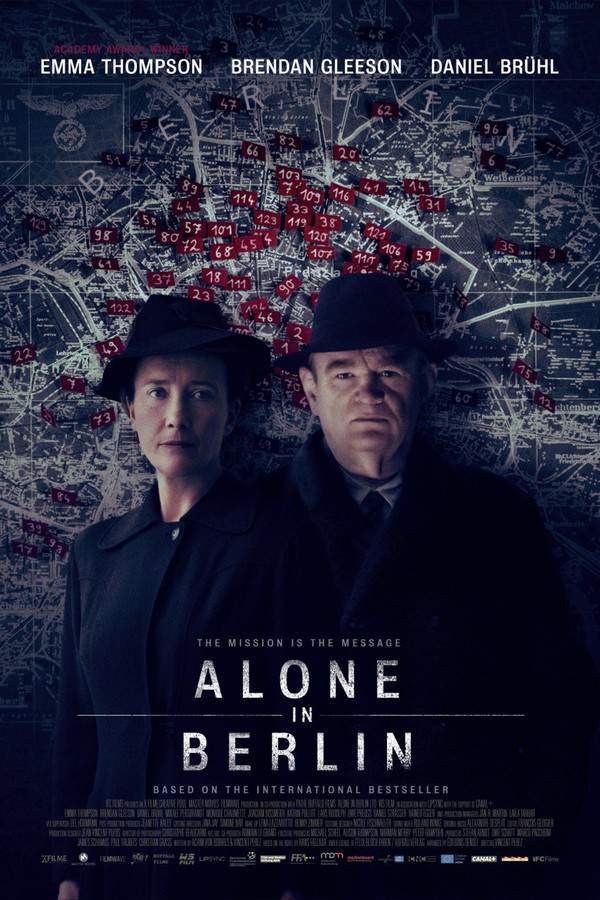
Alone in Berlin (2017) Ending Explained & Film Insights
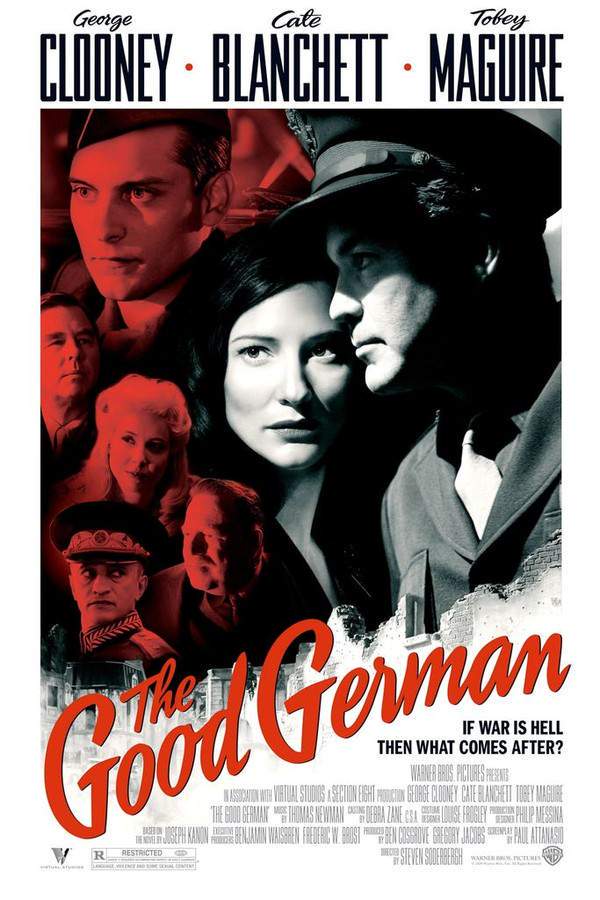
The Good German (2006) Story Summary & Characters
Unknown (2011) Ending Explained & Film Insights
The Passenger – Welcome to Germany (1988) Complete Plot Breakdown
Mr. Klein (1976) Movie Recap & Themes
I Escaped from the Gestapo (1943) Story Summary & Characters
Nazi Agent (1942) Spoiler-Packed Plot Recap
The Strange Death of Adolf Hitler (1943) Complete Plot Breakdown
Return from the Ashes (1965) Detailed Story Recap
Berlin Correspondent (1942) Film Overview & Timeline
Verboten! (1959) Full Movie Breakdown
Confessions of a Nazi Spy (1939) Full Movie Breakdown
My Neighbor Adolf (2022) Detailed Story Recap
I Deal In Danger (1966) Film Overview & Timeline