Plot Explained Spoilers guaranteed!
Plot Explained

Browse by genre

The Passerby (1982) movie poster

Plot Summary

The Passerby (1982) Plot Summary Explained

Release, runtime and language
1982 · 110 mins · French
Directed by
Jacques Rouffio
Starring
Michel Piccoli, Dominique Labourier, Jean Reno, Romy Schneider, Jacques Nolot, Gérard Klein

Max Baumstein, a respected businessman who founded an international human‑rights organization, is on trial for first‑degree murder after brutally killing a Paraguayan ambassador. During the proceedings he confesses a long‑kept secret to his wife Lina, revealing that the killing is the final act of a personal conflict that began in his childhood.

On this page (5)
  1. 1 What happens: full plot
  2. 2 Plot questions answered
  3. 3 Movie threads
  4. 4 Movies like The Passerby
  5. 5 Every angle

Full plot summary · contains spoilers

What Happens in The Passerby: Full Plot Summary

The whole story of The Passerby (1982) explained, from the opening scene to the final frame: every key event, every twist and what it all adds up to. Read it as a quick recap before the sequel, to check a scene you missed, or to finally understand what really happened.

Last updated: February 18, 2026 at 23:45

Was this helpful?

Plot questions answered

The Passerby Plot Explained: Your Questions Answered

The questions people ask most about The Passerby (1982): what happens in the confusing scenes, why the characters do what they do, the twists, hidden details and what the ending means. Each answer contains spoilers.

Q1

Why did Max Baumstein kill the Paraguayan ambassador?

Max killed the ambassador because the diplomat was actually von Legaart, the German embassy official who ordered the murder of his adoptive parents Michel and Elsa at a Paris railway station in the late 1930s. Max's international human rights organization discovered that von Legaart had assumed a new identity as the Paraguayan ambassador. Recognizing that the legal system would never hold him accountable for the wartime killings, Max chose to take justice into his own hands.

Foreshadowing: Earlier in the film, Max's organization discovers that the ambassador and von Legaart are the same person, setting his plan in motion.

  • von legaart
  • ambassador murder
  • paraguayan embassy
  • max baumstein motive
  • revenge killing
Q2

Who was von Legaart and what was his connection to Max?

Von Legaart was a German diplomat stationed at the German embassy in Paris during the 1930s. He was directly responsible for ordering the murder of Max's adoptive parents, Michel and Elsa, at a railway station. After the war, he escaped justice by assuming a new identity as the Paraguayan ambassador. Max had lived with the trauma of witnessing their deaths since childhood, which drove him to dedicate his life to fighting oppression.

Foreshadowing: The timeline reveals that von Legaart approached Elsa offering to help free Michel from a concentration camp in exchange for sexual favors, a deal that preceded the murders.

  • von legaart
  • diplomat
  • german embassy
  • max childhood
  • paraguayan ambassador identity
Q3

How did Max discover the ambassador's true identity?

Max's own organization, which he founded as an international human rights group, uncovered that the Paraguayan ambassador serving in Paris was actually von Legaart using an assumed name. This discovery came years after the war, when Max had built a successful career fighting the very type of oppression that had destroyed his childhood.

Foreshadowing: The timeline notes this discovery as the moment that resolves Max that there is only one way to achieve justice.

  • max baumstein organization
  • discovered identity
  • human rights investigation
  • von legaart exposed
Q4

What happened to Michel and Elsa in Paris?

Michel was sent to a concentration camp for five years due to his anti-Nazi activity. After his imprisonment, Elsa met von Legaart at the German embassy, who offered to secure Michel's release in exchange for a night with her. When Elsa went to meet Michel at the railway station after his supposed release, von Legaart had both of them murdered, leaving Max orphaned.

Foreshadowing: Von Legaart's bargain with Elsa planted the seeds for the betrayal and double cross that followed.

  • michel
  • elsa
  • murder
  • railway station
  • concentration camp
Q5

Why did Max confess his past to his wife Lina?

Max confessed to Lina because he was on trial for murder and wanted her to understand the full truth behind his actions. The confession was also the culmination of decades of suppressed trauma - he had carried the weight of his childhood losses alone since Maurice saved him in Switzerland. By revealing his past, he allowed Lina to comprehend why he felt compelled to kill the ambassador despite the legal consequences.

Foreshadowing: The courtroom setting provides the frame for this confession, as Max attempts to explain his actions to his agonized wife.

  • lina
  • wife confession
  • courtroom trial
  • max past trauma
  • explanation
Q6

Why was Max given a suspended sentence instead of prison?

The court sentenced Max to five years suspended, allowing him to walk free. This seemingly lenient verdict likely reflected the judges' recognition of the extraordinary circumstances - Max had discovered that the man he killed was a war criminal who had escaped justice for decades. The killing was also framed as a calculated act of accountability rather than a crime of passion.

  • suspended sentence
  • court verdict
  • murder charge
  • legal consequences
  • paris trial
Q7

What happened to Max and Lina after the trial?

After Max received his suspended sentence, he and Lina began rebuilding their life together in Paris. However, they immediately faced abuse and threats from neo-Nazis who blamed Max for the murder. The end title reveals that six months after his release, both Max and Lina were murdered by unknown assassins, bringing the story full circle to the same violence that had haunted Max's entire life.

Foreshadowing: The threats from neo-Nazis following the trial foreshadowed the violent end that awaited them.

  • neo-nazi threats
  • murder after trial
  • max lina death
  • assassination
  • paris end
Q8

Why did Max devote his life to fighting oppression?

Max's commitment to human rights stemmed directly from his childhood trauma. He witnessed his father being shot by Nazi thugs in 1933 Berlin, which left him physically lame for life. Then, as a young refugee in Paris, he lost both his adoptive parents to von Legaart's calculated murder. After Maurice saved him in Switzerland, Max channeled his grief into building an international organization dedicated to preventing the kind of atrocities that destroyed his family.

Foreshadowing: The opening scene of Max witnessing his father's murder establishes the foundational trauma that shaped his entire existence.

  • human rights organization
  • childhood trauma
  • nazi persecution
  • max background
  • life mission
Q9

How did Max survive after the murders in Paris?

After von Legaart murdered Michel and Elsa at the railway station, the French salesman Maurice who had been supporting them took Max to safety in Switzerland. Maurice had been sending money to help Elsa and Max survive in Paris and became Max's guardian after the tragedy. From Switzerland, Max began his journey toward building a life dedicated to fighting the evils that had caused his suffering.

Foreshadowing: Maurice's role as a trusting guardian who wired money to Elsa foreshadowed his later rescue of Max.

  • maurice
  • switzerland
  • orphan
  • rescue
  • paris escape
Q10

Why was the ambassador from Paraguay and not Germany?

Von Legaart assumed the identity of a Paraguayan ambassador after World War II. This was a common practice among war criminals who used fake identities and diplomatic positions to escape prosecution. Paraguay, like several South American countries, was known to harbor former Nazi officials during the postwar period. Max's organization discovered this false identity when investigating the ambassador's background.

  • paraguay
  • nazi escape
  • diplomatic cover
  • war criminals
  • postwar identity

Movie threads

More Movies Like The Passerby, by Mood & Story

Curated lists built around what makes The Passerby tick: the same mood, the same kind of story or the same emotional payoff. Each list explains why these movies belong together.

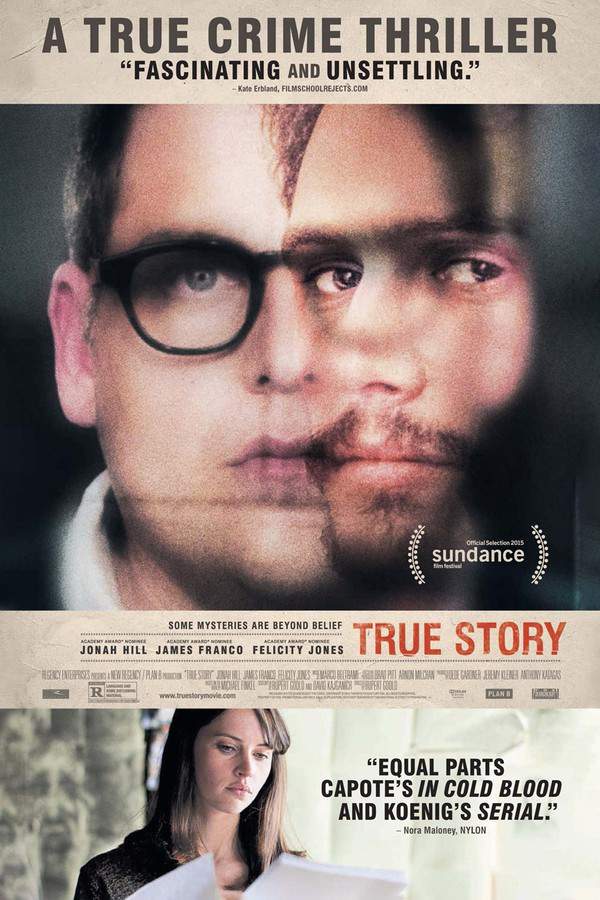
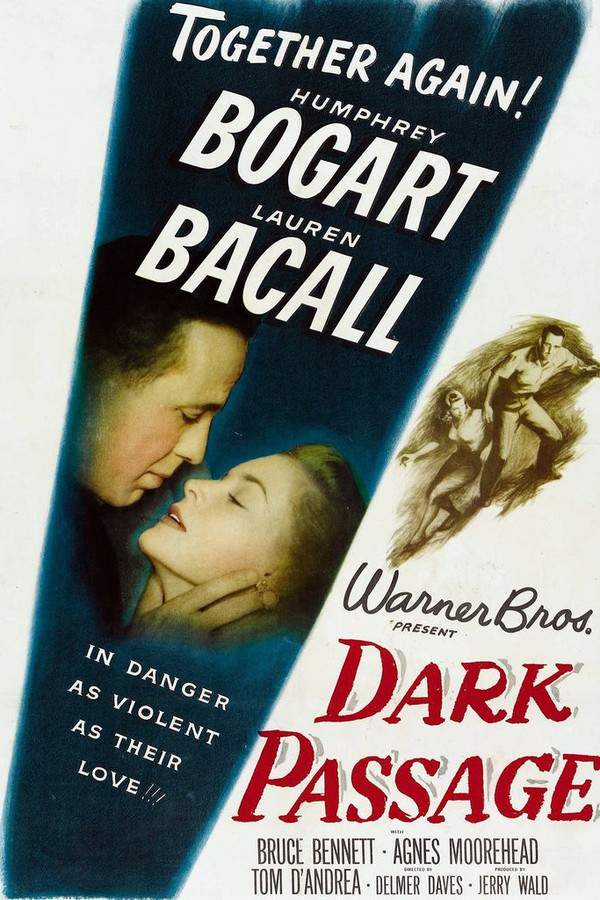
Futile revenge stories like The Passerby

Where a quest for justice turns into a bleak, all-consuming revenge. If you were captivated by the bleak journey of vengeance in The Passerby, this collection features similar movies about protagonists consumed by a traumatic past. These stories explore themes of historical injustice, obsessive revenge, and tragic consequences.

  • vengeful
  • tragic
  • somber
  • obsessive
  • grim
  • weighty
  • Tone: dark, bleak, grim
  • Pacing: steady, methodical
Why these movies?

The story pattern: These narratives typically follow a linear or framed structure, often revealing the traumatic inciting event through flashbacks. The protagonist's single-minded pursuit of revenge becomes their life's purpose, but the resolution is inevitably bleak, offering no catharsis and often ending in further tragedy or a profound sense of emptiness.

Why they belong together: Movies in this thread share a dark, somber mood and a heavy emotional weight, driven by themes of trauma and the moral complexities of revenge. They feature a steady, methodical pacing that builds tension towards an unforgivingly bleak conclusion, creating a cohesive experience of grim inevitability.
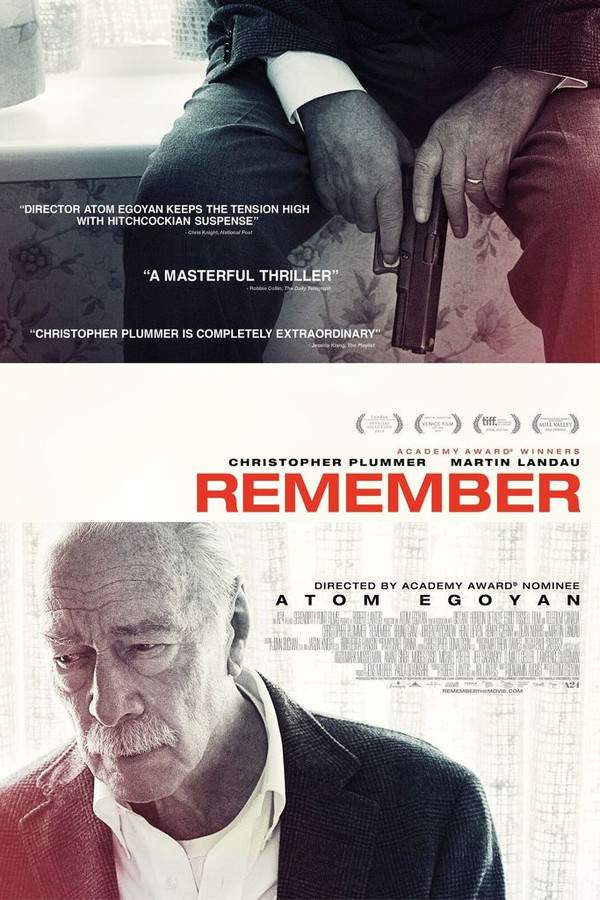
Courtroom dramas with dark pasts like The Passerby

A crime in the present unravels a deeply traumatic past. Fans of The Passerby's structure, where a murder trial reveals a lifetime of trauma, will appreciate these movies. They combine legal tension with profound personal histories, exploring how the past violently collides with the present.

  • courtroom
  • tense
  • tragic
  • historical
  • revealing
  • somber
  • Tone: somber, tense, tragic
  • Pacing: steady, revealing
Why these movies?

The story pattern: This thread groups films that begin with a crime and its subsequent trial. The narrative then delves into extended flashbacks that provide context, revealing the deep-seated trauma and historical injustices that led to the protagonist's actions. The focus is less on the legal mystery and more on the tragic human story being testified.

Why they belong together: These films are connected by their shared narrative structure, somber tone, and thematic focus on testimony, memory, and the long shadows of historical crimes. They blend the tense atmosphere of a courtroom with the heavy emotional weight of a personal tragedy, creating a specific, compelling viewing experience.

If you liked this

Movies Like The Passerby

Similar movies to The Passerby: the same genre, themes or kind of story. Each one comes with its own plot summary, timeline and ending explained.

Browse all movie summaries

Every angle

The Passerby (1982) Explained: Plot, Timeline & Characters

Everything about The Passerby in one place: what happens in the plot summary, the timeline in chronological order, the characters and meaning. What's After the Movie adds the cast, box office and post-credit scenes.

Coming soon on iOS and Android

The Plot Explained Movie Summary App

Plot summaries, endings explained and timelines on your phone. Catch up on any movie in minutes, save your favorites and never miss a twist again.

Be the first to know when we launch. Your email stays private, always.

Learn more about the app