Plot Explained Spoilers guaranteed!
Plot Explained

Browse by genre

The Pedestrian (1973) movie poster

Characters & Themes

The Pedestrian (1973) Characters, Setting & Themes Explained

Release, runtime and language
1973 · 98 mins · German
Starring
Peggy Ashcroft, Johanna Hofer, Maximilian Schell, Peter Hall, Lil Dagover, Christian Kohlund

After a German businessman causes a fatal car crash, investigative journalists probe his history, seeking hidden scandals. Their digging uncovers his involvement in World II activities in Greece, forcing him to confront and reassess the moral choices he made during that period.

On this page (7)
  1. 1 Characters explained (5)
  2. 2 Where & when it takes place
  3. 3 Themes & meaning (4)
  4. 4 Character & meaning questions
  5. 5 Movie threads
  6. 6 Movies like The Pedestrian
  7. 7 Every angle

5 main characters · contains spoilers

The Pedestrian Characters Explained: Who Is Who

The main characters of The Pedestrian (1973), heroes and villains: what drives them, how they change over the course of the story and what each of them reveals about the film's bigger ideas.

  • Heinz Alfred Giese

    A powerful industrialist and state parliament member whose public image is under siege. The car accident that killed his son Andreas haunts him, while a press-driven campaign pushes him toward defending or concealing his past. He is portrayed as composed and authoritative, yet increasingly wary of how rumors threaten his legacy and family. The film centers on whether his reputation can withstand insinuations about his wartime past.

    • 🗳️ Power
    • 🏛️ Politics
    • 🧭 Family
  • Andreas Giese

    played by Maximilian Schell

    Heinz's son, whose death in a car accident becomes the catalyst for the tabloid probe. His memory drives the father to confront the consequences of a prominent family's history. His absence casts a long shadow over every family conversation and business decision. The investigation hints at unresolved tensions and the pressure to prove himself against the past.

    • 💔 Family
    • 🕰️ Tragedy
  • Grandson

    Giese's grandson accompanies him to a museum outing, offering a rare human moment amid public scrutiny. The child represents younger generations and unguarded curiosity in a world of rumors. His presence underscores the fragility of family ties when reputations are at stake. He provides a contrast to the adults' heavy preoccupations.

    • 👶 Family
    • 🧭 Innocence
  • Lover

    Giese's lover becomes a focal point of the tabloid's insinuations, highlighting secret personal life as a vulnerability in public perception. The affair tests the boundaries between private desire and public duty. The narrative uses the relationship to complicate the man's character and increase pressure from media and opponents. It shows how personal choices can become political liabilities.

    • 💘 Romance
    • 🔎 Secrets
  • Reporter

    played by Herbert Mensching

    A relentless tabloid journalist who follows Giese's movements, breaks into his house, and publishes insinuating articles. The pursuit demonstrates the power of sensational media to shape public opinion and provoke upheaval outside a company's gates. He embodies the appetite for scandal over facts, and his actions spark riots and legal battles. The reporter's tactics force the protagonist to respond under pressure.

    • 📰 Media
    • 🎭 Journalism

Last updated: February 18, 2026 at 23:36

Was this helpful?

Setting

Where and When Does The Pedestrian Take Place?

The setting of The Pedestrian (1973): the year and time period, the places and locations, and how they shape the characters, the mood and the tension of the story.

Time period

Location

Natural History Museum, Giese's home, Giese's company, Greece

Locations span an urban corporate landscape and intimate family spaces. A visit to the Natural History Museum with Giese's grandson anchors a moment of public life away from business. The company headquarters becomes a stage for protests and the tabloids' stalking. A wartime memory tied to a Greek village links past violence to present scrutiny.

  • 🗺️ Urban
  • 🏭 Corporate
  • 🗳️ Political

Last updated: February 18, 2026 at 23:36

Was this helpful?

4 major themes

The Pedestrian Meaning: Themes & Message Explained

What is The Pedestrian (1973) really about? The emotional, social and philosophical themes the film keeps returning to, its symbolism and the message beneath the surface.

  • Media Manipulation

    A tabloid's relentless surveillance reduces a private figure to headlines. Photographs and stolen images fail to prove guilt yet steer public opinion toward scandal. The film shows how sensational reporting can ignite riots and threaten a man's reputation and livelihood. The tension underscores the power of the press to shape justice when evidence is inconclusive.

  • Guilt and Responsibility

    The article insinuates a link between Giese and a wartime massacre, forcing the public to confront assumed guilt. The legal system offers a defense in the form of a defamation injunction, but silence and denial become ambiguous signals. The film questions whether guilt is inherited through family history or earned through actions. It portrays the burden of responsibility carried by a public figure under scrutiny.

  • Past Haunting

    The past intrudes through rumors of wartime actions, suggesting a hidden history the protagonist hoped to leave behind. The tabloids imply connections to a Greek village liquidation, turning memory into a weapon. The character's reluctance to reveal or confront his past fuels the tension between private memory and public perception. The film uses flashbacks or allusions to show how history continues to affect reputation.

  • Public Life

    Heinz Giese is both industrial magnate and public official, balancing business ambitions with political duties. Media storms spill from the boardroom to television studios, where silence can be misread as complicity. The story explores how public personas are manufactured and framed by private choices. The culminating moment is the tension between historical memory and present-day leadership.

Last updated: February 18, 2026 at 23:36

Was this helpful?

Character & theme questions

The Pedestrian Characters & Meaning: Your Questions Answered

The questions people ask about The Pedestrian (1973): who the characters really are, their relationships, what the symbols mean, where it takes place and what the movie is really about. Each answer contains spoilers.

Q1

Where is the movie set?

The story takes place primarily in a German urban environment centered on corporate settings, including Giese's company headquarters and his family home. A key scene occurs at the Natural History Museum during a visit with his grandson, providing a contrast to the tense corporate world. The narrative also references Greece, specifically a wartime memory tied to a Greek village, which connects the present-day investigation to historical events.

  • germany
  • settings
  • locations
  • corporate
  • greece
Q2

What time period is the movie set in?

The movie is set in the present day, though it deals with events from World War II. The contemporary storyline involves a modern investigative media environment with tabloids, television studios, and public protests outside corporate headquarters. The past intrudes through memories and implications of wartime activities in Greece.

  • time period
  • present day
  • world war ii
  • modern era
Q3

What are the main themes of the movie?

The film explores several interconnected themes: media manipulation and the power of sensational journalism to shape public opinion; guilt and responsibility, particularly whether past wartime actions define a person's legacy; the past haunting the present through unresolved historical crimes; and public life versus private identity, showing how a prominent figure's private choices impact their public persona.

  • themes
  • media manipulation
  • guilt
  • past
  • public life
  • responsibility
Q4

Who is Heinz Giese?

Heinz Giese is a powerful industrialist and state parliament member whose public image comes under intense scrutiny. He is portrayed as composed and authoritative, but increasingly wary as tabloid journalists investigate his past. The film centers on whether his reputation can withstand insinuations about his wartime activities, while he also copes with the death of his son Andreas in a car accident.

  • heinz giese
  • industrialist
  • main character
  • politician
Q5

How does the media function in the story?

The media, specifically a tabloid reporter, serves as the driving force of the conflict. The reporter relentlessly surveils Giese, breaks into his home, and publishes insinuating articles that suggest connections to wartime atrocities. The film shows how sensational reporting can ignite public outrage, provoke riots, and threaten a person's reputation and livelihood, even without conclusive proof of guilt.

  • media
  • tabloid
  • reporter
  • journalism
  • press
Q6

What does the movie say about guilt and responsibility?

The film questions whether guilt is inherited through family history or earned through personal actions. Giese faces public accusations linking him to a wartime massacre in Greece, and the legal system offers only partial defense through defamation injunctions. The story portrays the burden of responsibility carried by public figures under scrutiny, suggesting that guilt and innocence become complicated when history and reputation intersect.

  • guilt
  • responsibility
  • war crimes
  • blame
  • accountability
Q7

How does the past impact the present story?

The past intrudes through rumors of wartime actions, specifically a Greek village liquidation that the tabloids suggest Giese was involved in. This hidden history that Giese hoped to leave behind becomes a weapon in the media campaign against him. The tension between private memory and public perception drives much of the film's emotional weight, as history continues to affect contemporary reputation and family legacy.

  • past
  • history
  • wartime
  • memory
  • greece
Q8

Who is the reporter in the movie?

The reporter, played by Herbert Mensching, is a relentless tabloid journalist who follows Giese's every move, breaks into his house, and publishes insinuating articles. He embodies the appetite for scandal over facts, and his aggressive tactics spark both riots and legal battles. His pursuit demonstrates the power of sensational media to shape public opinion and force responses from those in power.

  • reporter
  • journalist
  • tabloid
  • antagonist
Q9

What is the significance of Greece in the story?

Greece represents the unresolved wartime past. The tabloids imply a connection between Giese and the liquidation of a Greek village during World War II, turning memory into a weapon against him. This reference anchors the film's exploration of how past actions in occupied Greece continue to impact present-day reputations and family legacies.

  • greece
  • wartime
  • village
  • massacre
  • world war ii
Q10

What role does family play in the film?

Family serves as both a source of vulnerability and motivation for Giese. His son Andreas died in a car accident, which becomes the catalyst for the tabloid investigation. His grandson represents younger generations and provides rare human moments amid the public scrutiny. The film explores how a family's reputation becomes intertwined with historical actions, and Giese's plea to his son to escape the taint of history suggests hope for future generations despite present burdens.

  • family
  • son
  • grandson
  • legacy
  • inheritance
Q11

What is the tone and atmosphere of the film?

The film maintains a tense atmosphere driven by constant surveillance, public exposure, and the looming threat of scandal. While not an action-driven story, it creates sustained, simmering tension through the methodical progression of a journalistic inquiry. The emotional weight is heavy due to themes of guilt, the death of a son, and references to historical massacres, resulting in a bittersweet tone where main conflicts remain partially unresolved.

  • tone
  • atmosphere
  • tension
  • drama
  • mood

Movie threads

More Movies Like The Pedestrian, by Mood & Story

Curated lists built around what makes The Pedestrian tick: the same mood, the same kind of story or the same emotional payoff. Each list explains why these movies belong together.

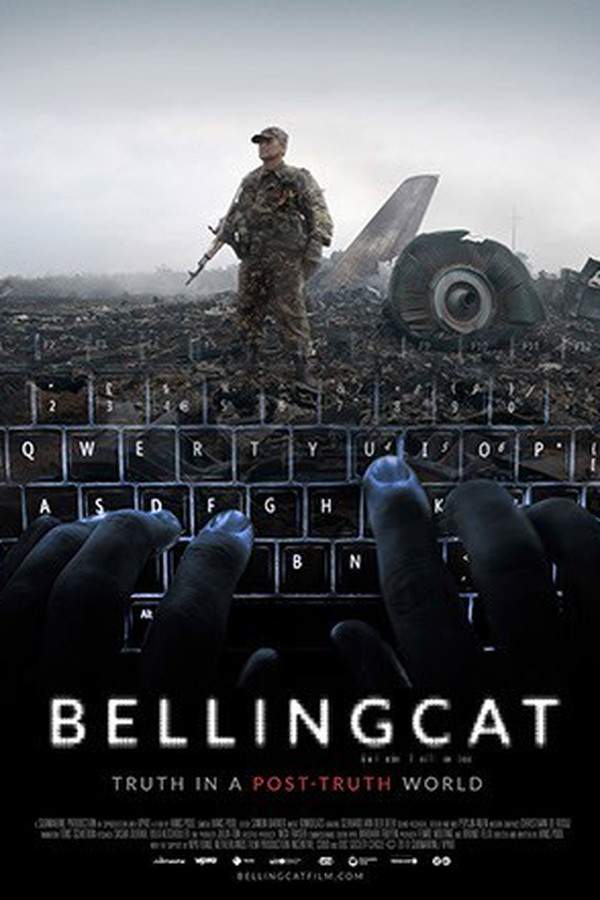
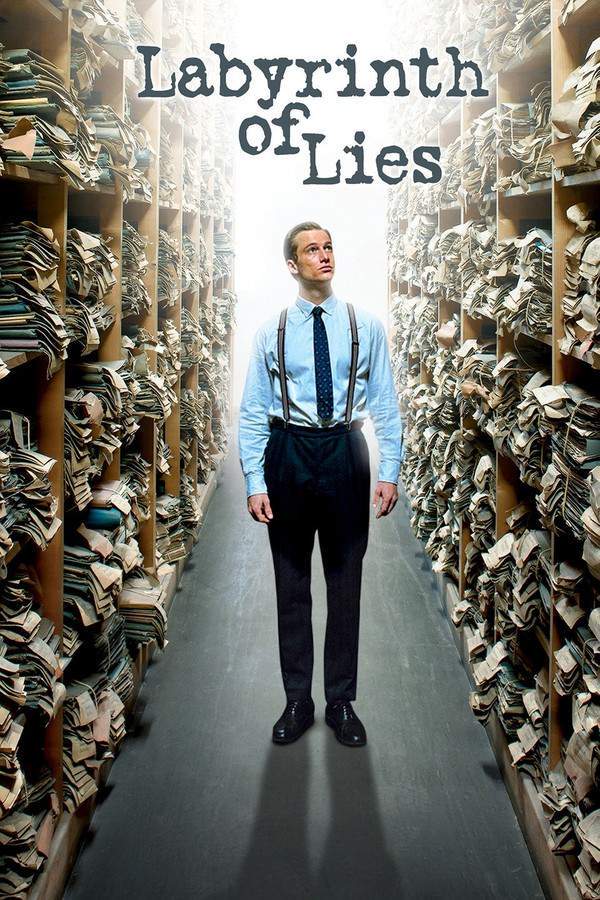
Movies about investigating a hidden past like The Pedestrian

Journalists or characters dig into a buried history, uncovering dark secrets. If you liked the journalistic probe into a wartime past in The Pedestrian, explore these films where investigations uncover dark secrets. These movies feature a steady pace, a tense tone, and a heavy emotional weight as characters are forced to face history.

  • investigative
  • unsettling
  • tense
  • moral reckoning
  • historical
  • somber
  • Tone: tense, unsettling, morally complex
  • Pacing: steady, methodical
Why these movies?

The story pattern: These narratives typically follow a present-day inquiry that methodically peels back layers of time, revealing a traumatic or morally complex past event. The story structure often alternates between the investigation in the present and flashbacks to the historical events, building towards a moment of reckoning.

Why they belong together: Movies are grouped here because they share a core narrative engine: an investigation that uncovers a suppressed history. They create a similar atmosphere of suspense and moral unease, focusing on the impact of truth-seeking on individuals and families.
Movies about moral reckoning like The Pedestrian

Characters confront past misdeeds, finding a complex and bittersweet resolution. For viewers who appreciated the heavy theme of guilt and the bittersweet ending of The Pedestrian, this list features films about characters facing their past misdeeds. These dramas explore the complex aftermath of moral failure and the search for a fragile redemption.

  • guilt
  • redemption
  • somber
  • melancholic
  • bittersweet
  • moral dilemma
  • Tone: somber, melancholic, bittersweet
  • Pacing: steady, character-driven
Why these movies?

The story pattern: The narrative follows a character arc of confrontation with a shameful past. The climax is less about external punishment and more about an internal, psychological reckoning. The resolution is typically bittersweet, acknowledging the damage done while leaving a sliver of possibility for the future.

Why they belong together: These films are connected by their focus on the protagonist's moral crisis and the specific emotional tone of the conclusion. They share a heavy emotional weight and a preference for complex, ambiguous resolutions over clear-cut happy or sad endings.

If you liked this

Movies Like The Pedestrian

Similar movies to The Pedestrian: the same genre, themes or kind of story. Each one comes with its own plot summary, timeline and ending explained.

Browse all movie summaries

Every angle

The Pedestrian (1973) Explained: Plot, Timeline & Characters

Everything about The Pedestrian in one place: what happens in the plot summary, the timeline in chronological order, the characters and meaning and a spoiler-free summary. What's After the Movie adds the cast, box office and post-credit scenes.

Coming soon on iOS and Android

The Plot Explained Movie Summary App

Plot summaries, endings explained and timelines on your phone. Catch up on any movie in minutes, save your favorites and never miss a twist again.

Be the first to know when we launch. Your email stays private, always.

Learn more about the app